Why This Walkthrough Covers a Different Kind of Trip
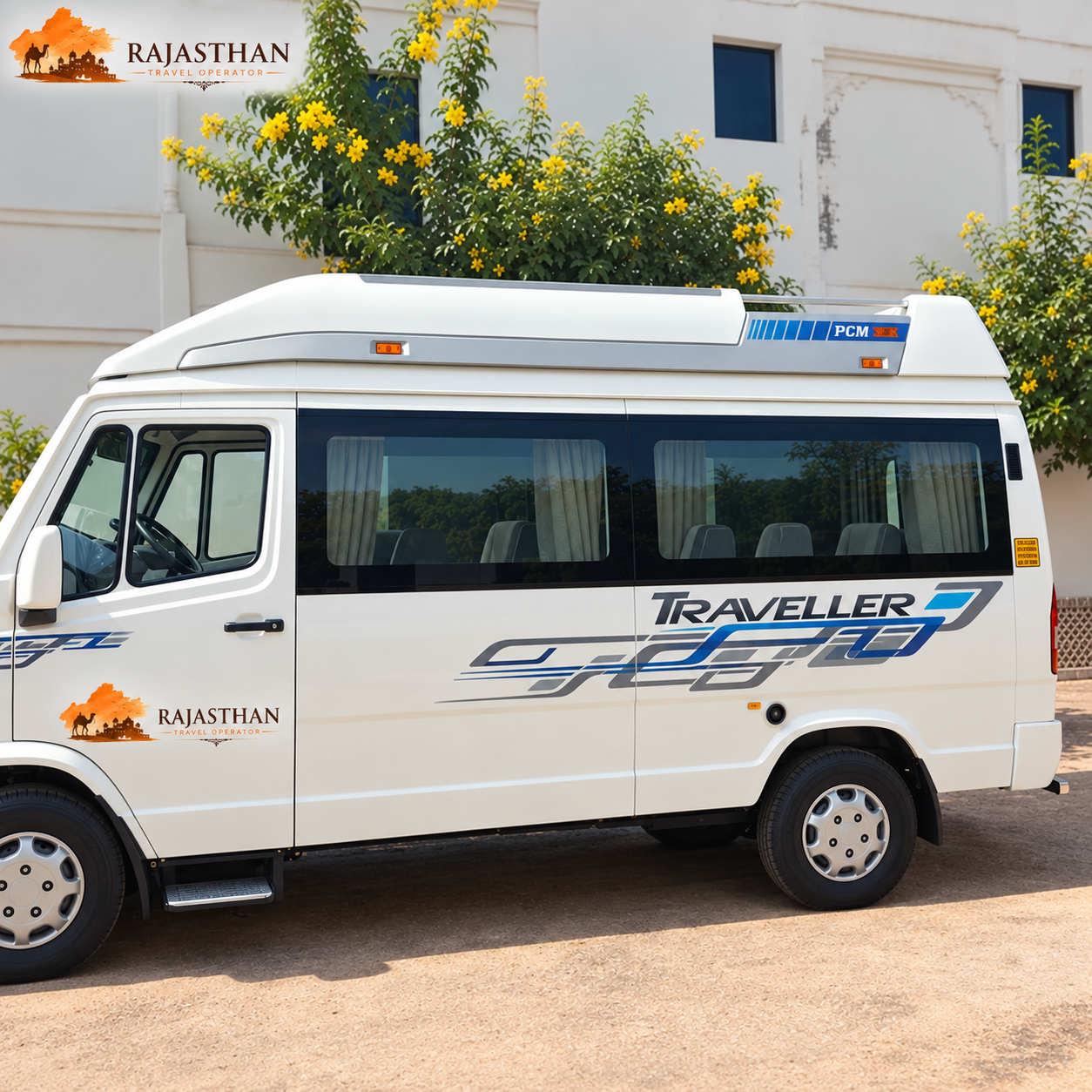
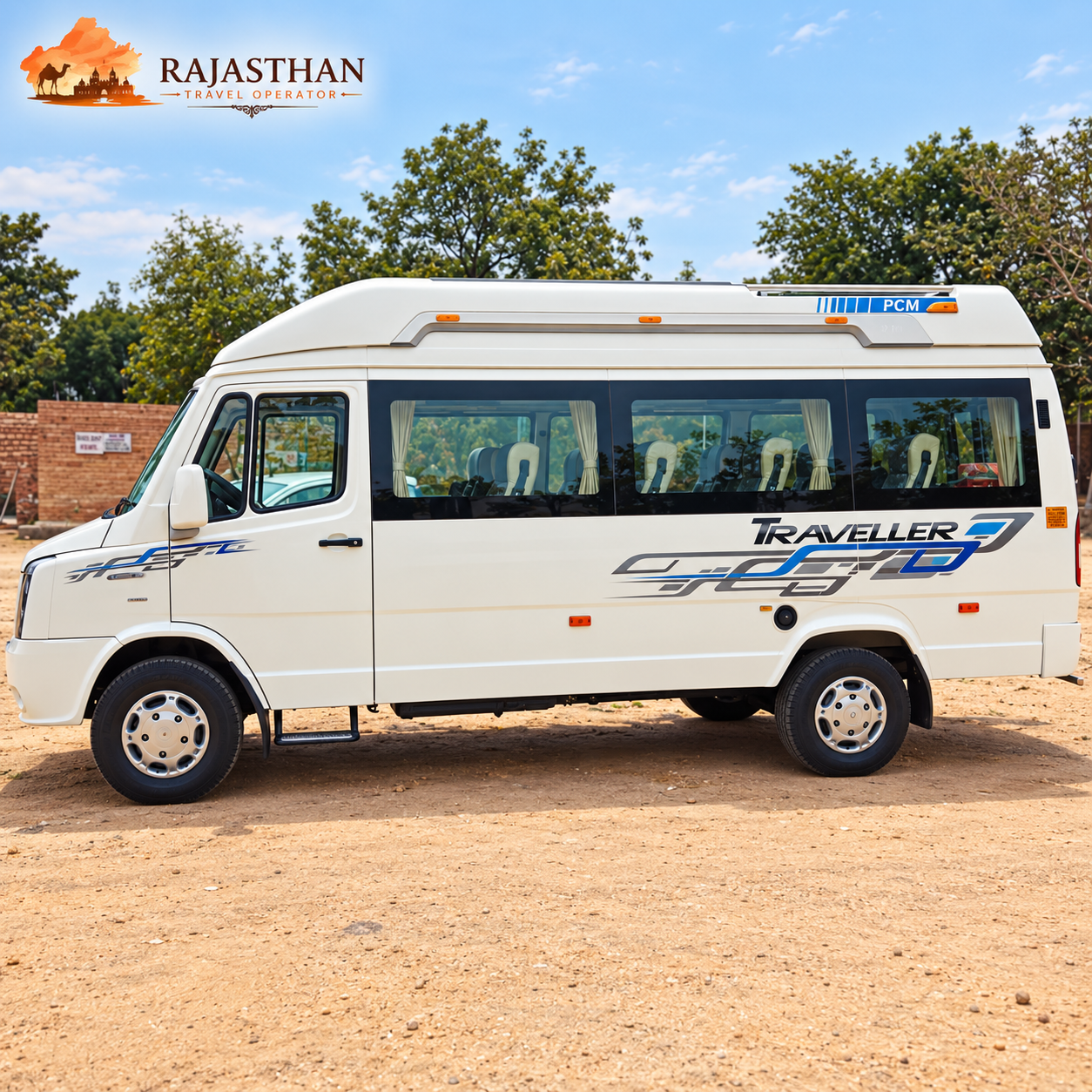
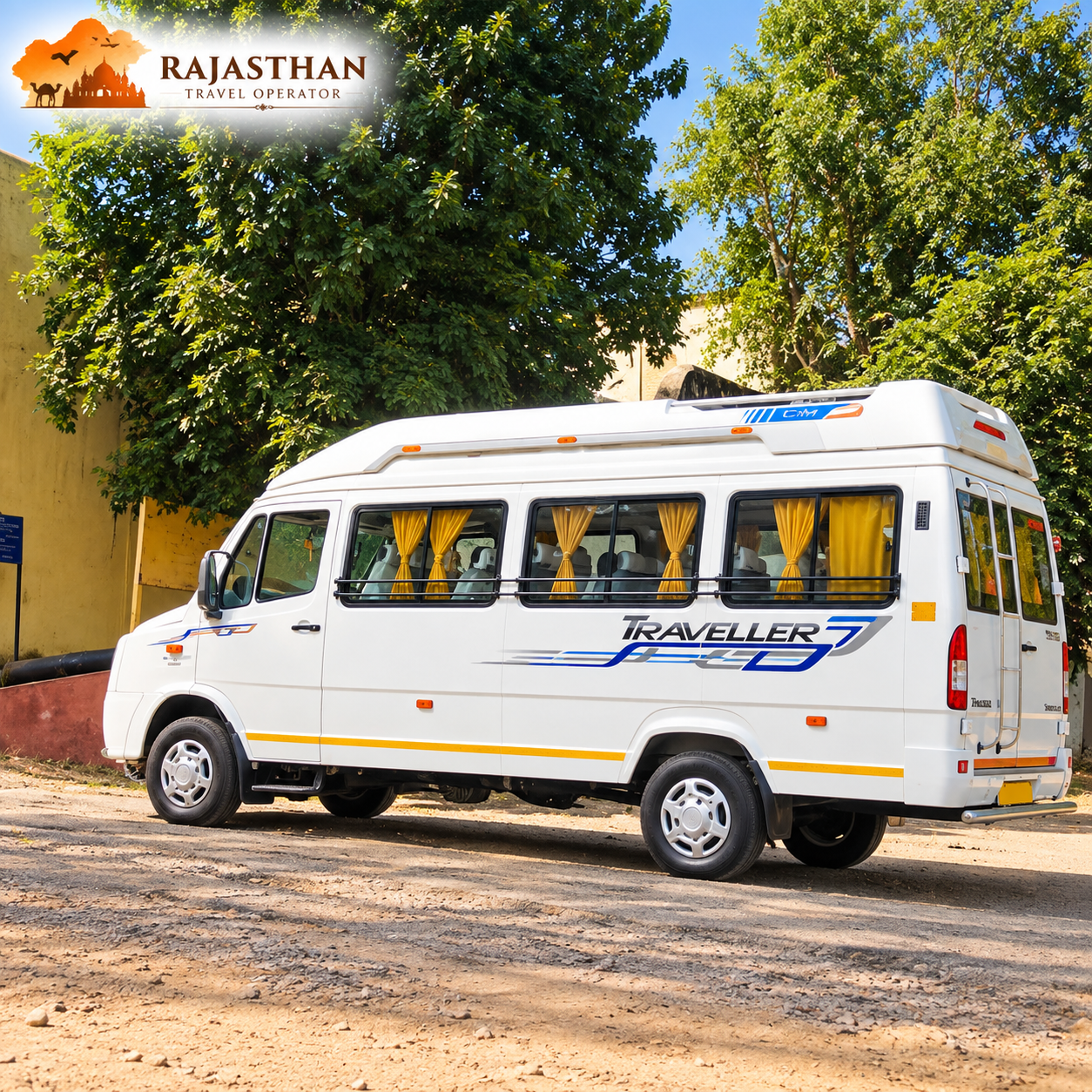
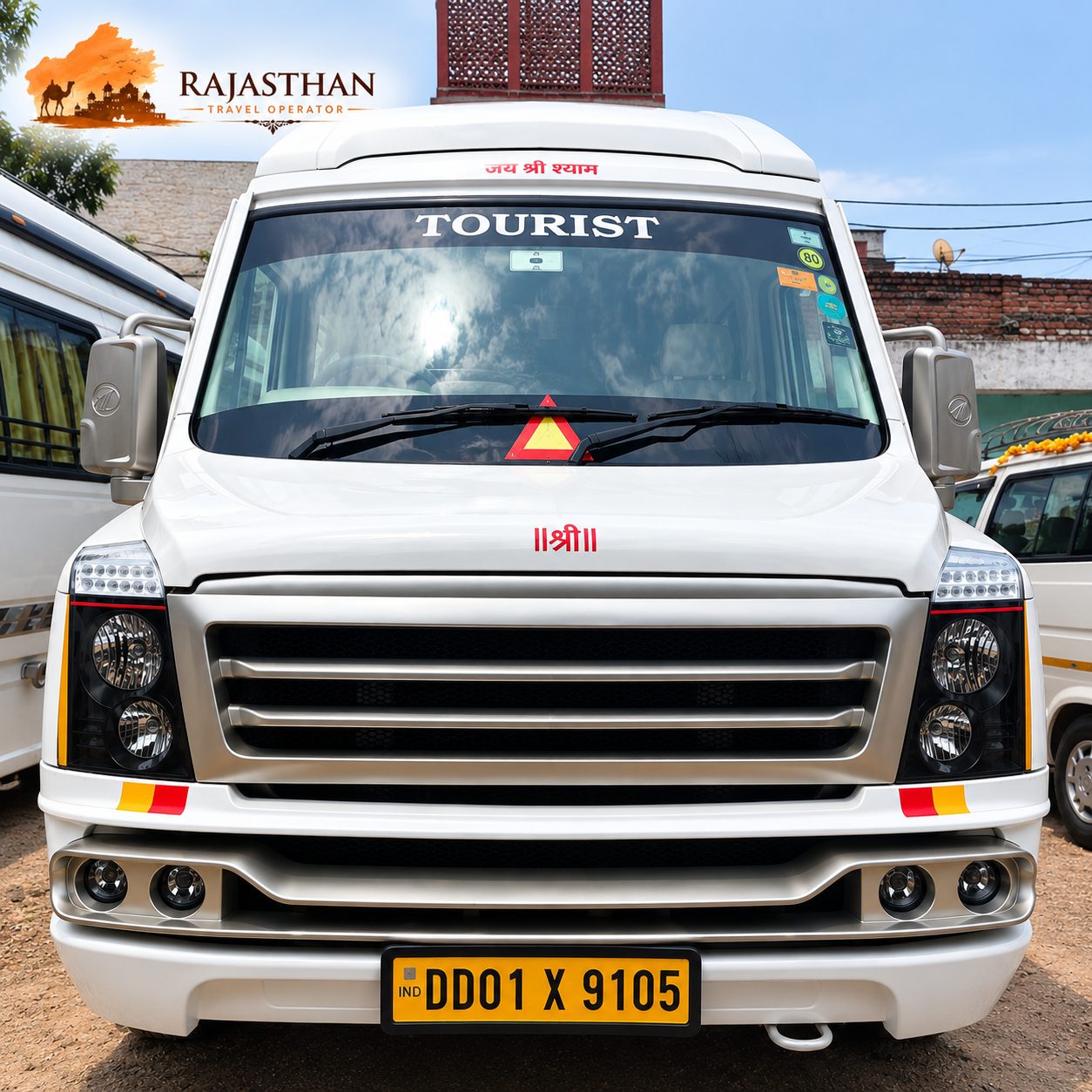
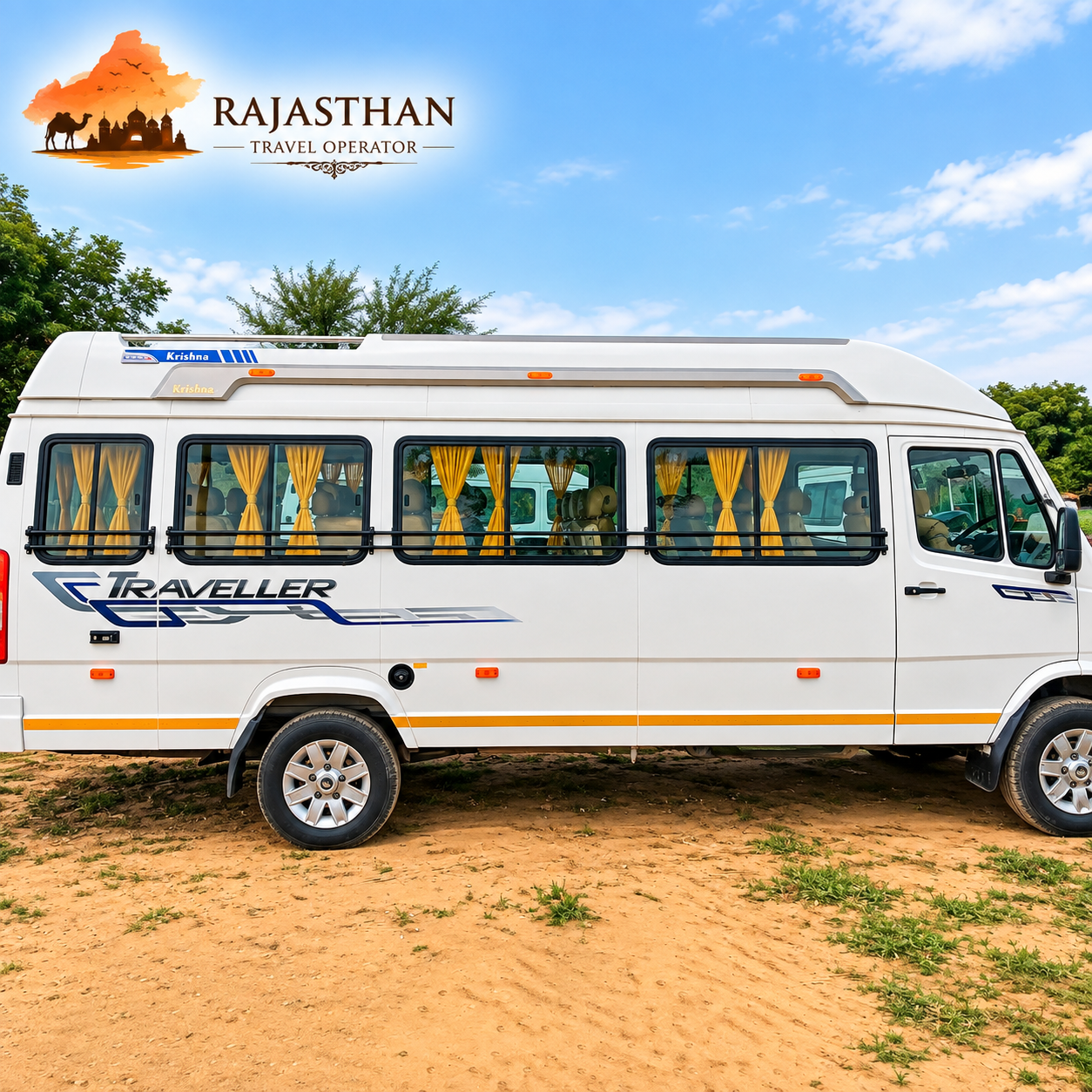
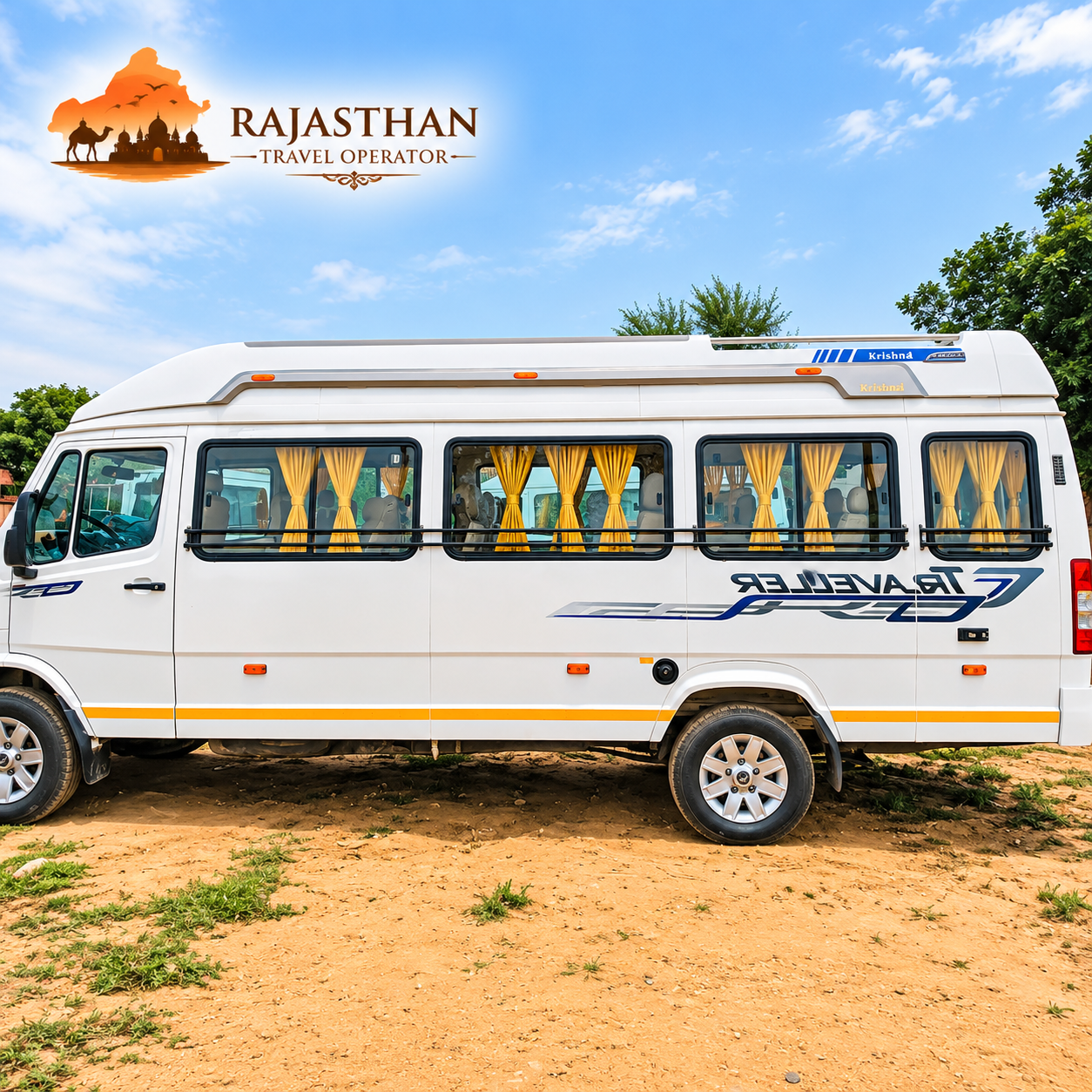
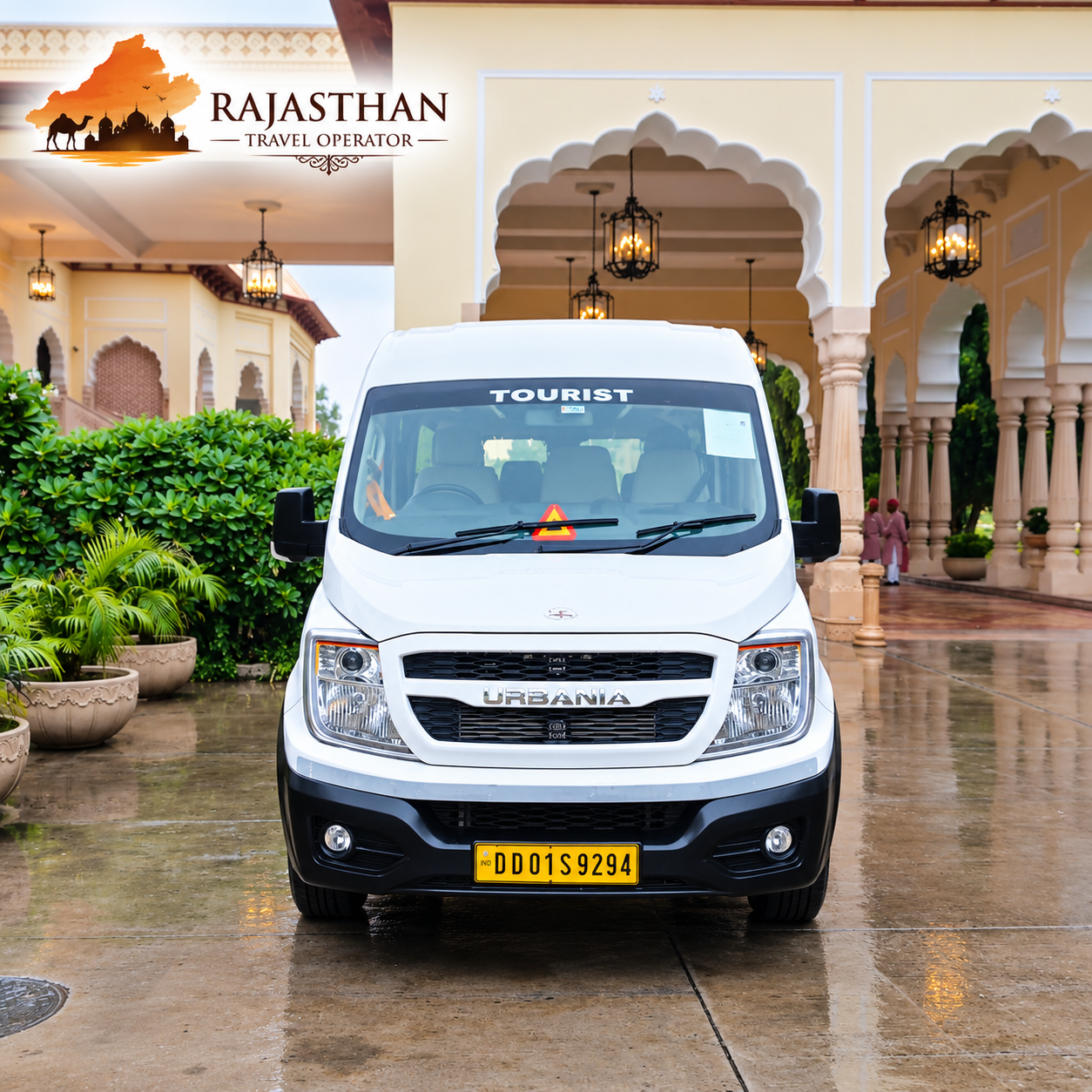
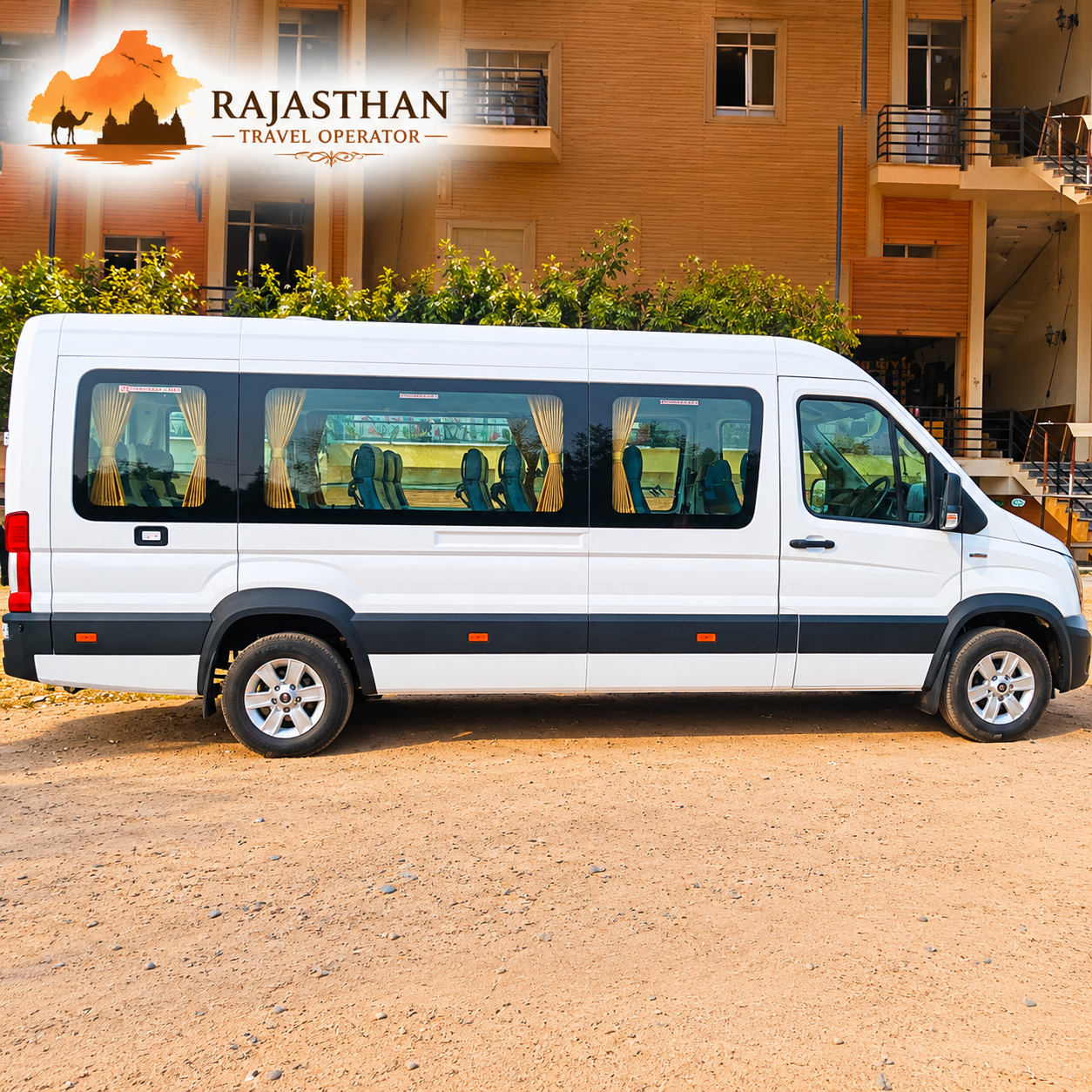
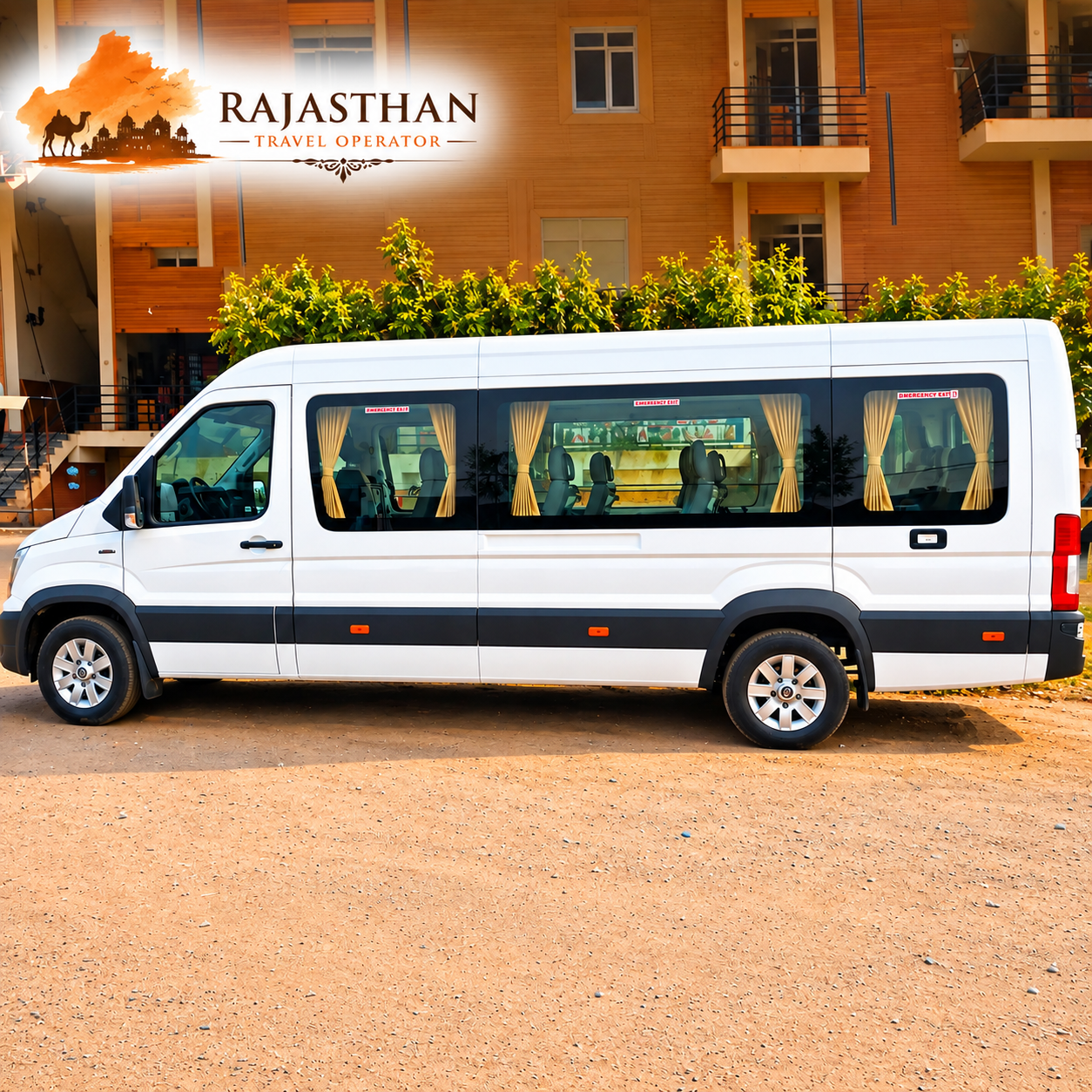
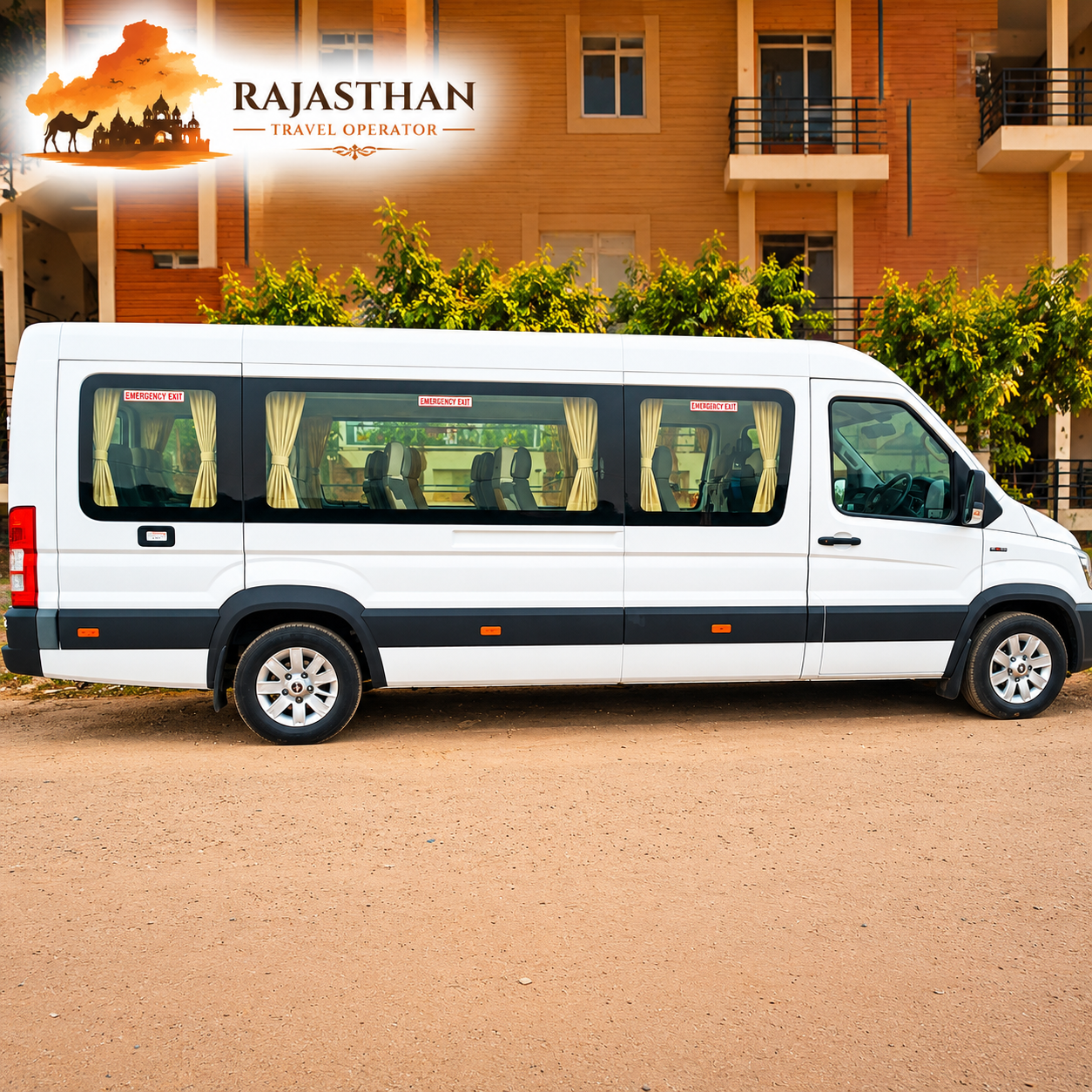
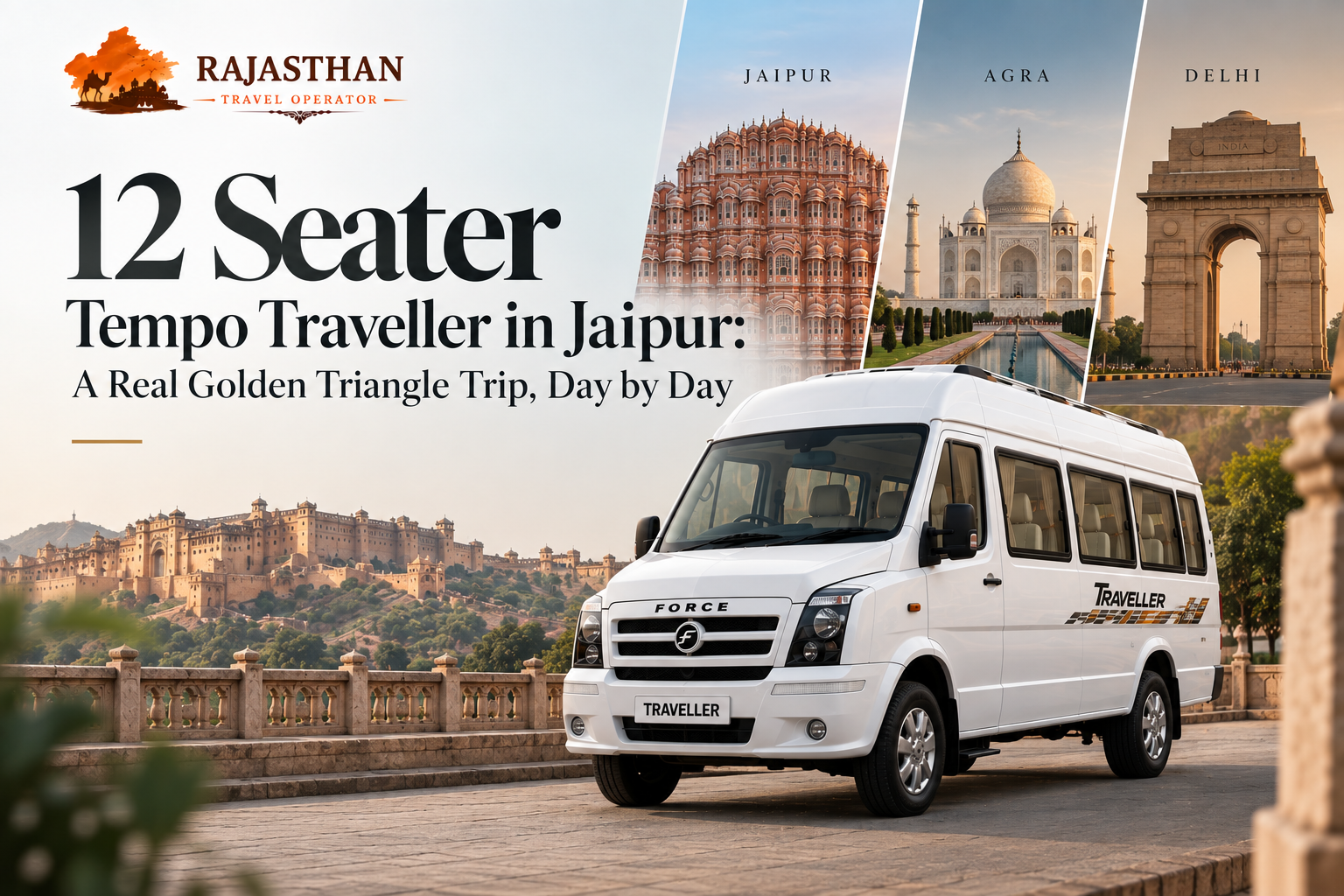
The Golden Triangle — Jaipur, Agra, Delhi — is one of the most commonly booked multi-city circuits in this whole category, and it comes with its own specific set of decisions that a purely local or single-city trip doesn’t. This walkthrough follows a real-style booking for that exact circuit: a group of ten college friends, now in their thirties, reuniting for a four-day heritage trip using a tempo traveller 12 seater, with the practical choices that shaped the trip along the way.
The Group and the Planning Conversation
Ten friends, scattered across different cities for a decade, decided on a four-day Golden Triangle reunion — Jaipur as the base, a day trip to Agra for the Taj Mahal, then on to Delhi before flying back home. Unlike a family circuit with elderly passengers or young kids, this group’s priorities were different: reasonably light luggage, a group that wanted to actually talk and catch up during the drive rather than sleep through it, and a schedule tight enough to fit everything into four days without feeling rushed.
Before booking, the group had a conversation less about comfort features and more about logistics — specifically, whether the vehicle and driver would stay with them through all three cities, or whether they’d need separate arrangements for the Agra day trip and the Delhi leg. They confirmed with the operator that the same 12 seater and driver would cover the full circuit, avoiding the hassle of switching vehicles or drivers mid-trip and losing familiarity with their luggage arrangement partway through.
Day One: Jaipur Pickup and a Half-Day Local Circuit
The vehicle picked the group up from a central Jaipur hotel late morning, after most of the group had flown or trained in the night before. With ten friends and relatively light luggage — mostly backpacks and small rolling bags for a short trip — loading was quick, most bags fitting easily in the boot space behind the last row without needing the full roof carrier.
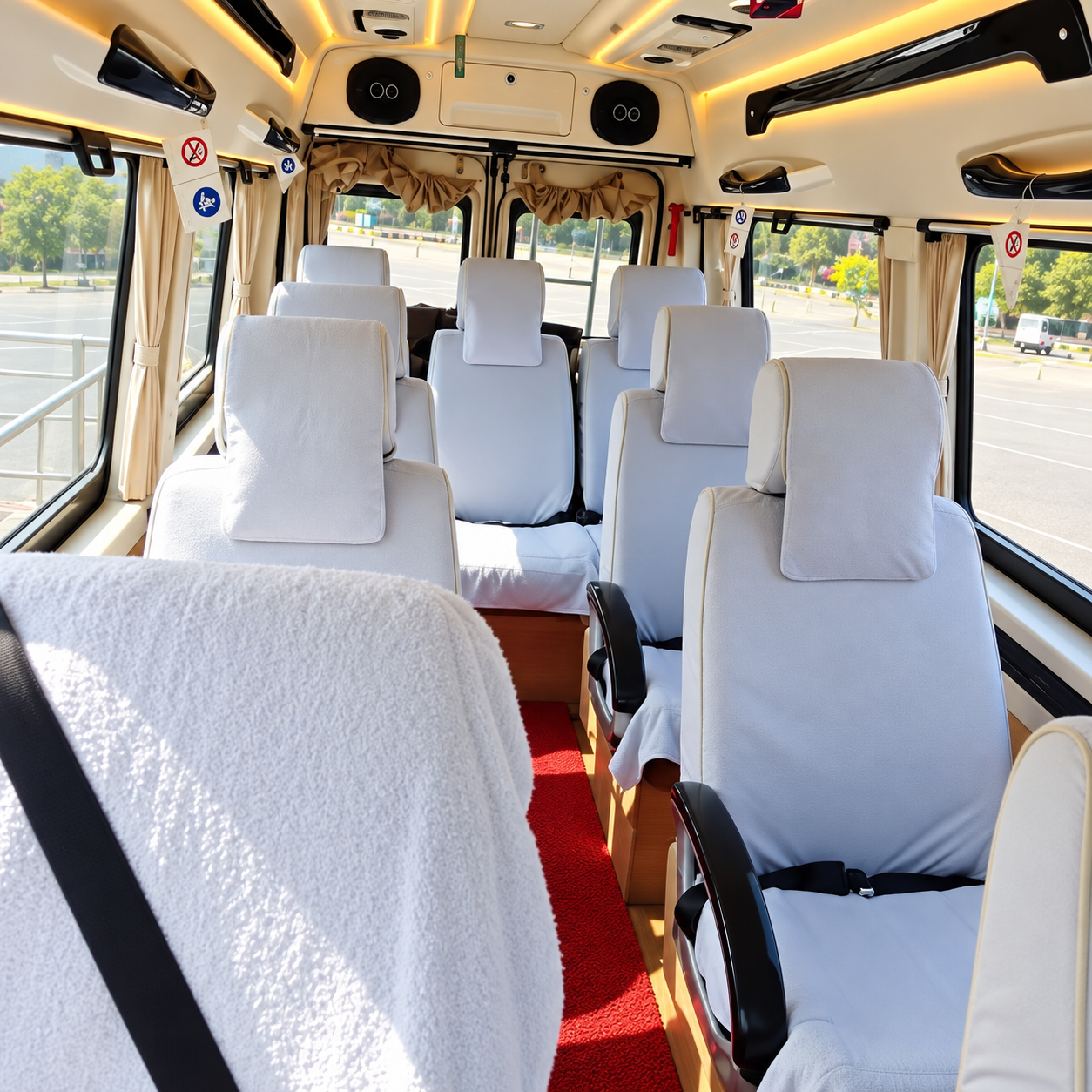
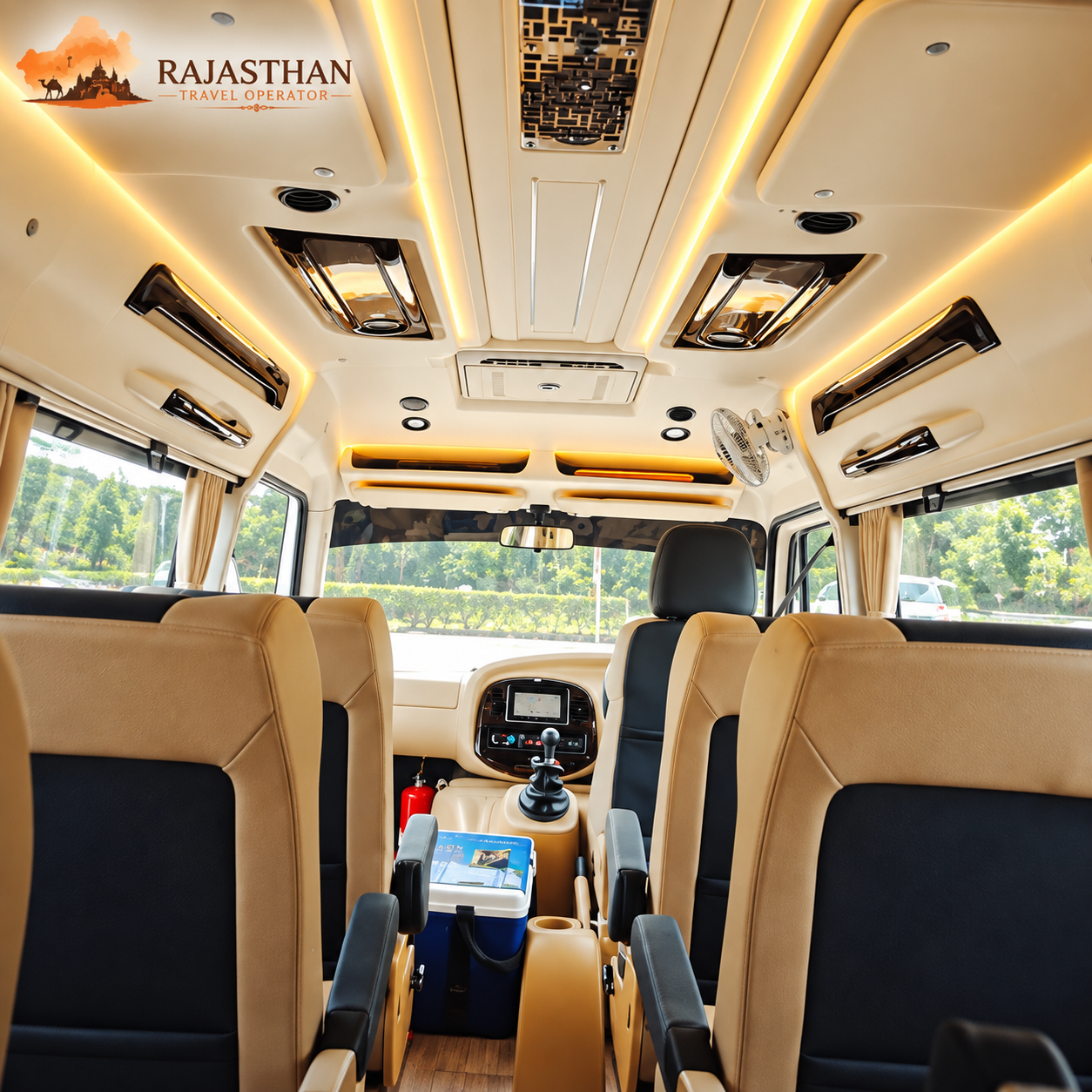
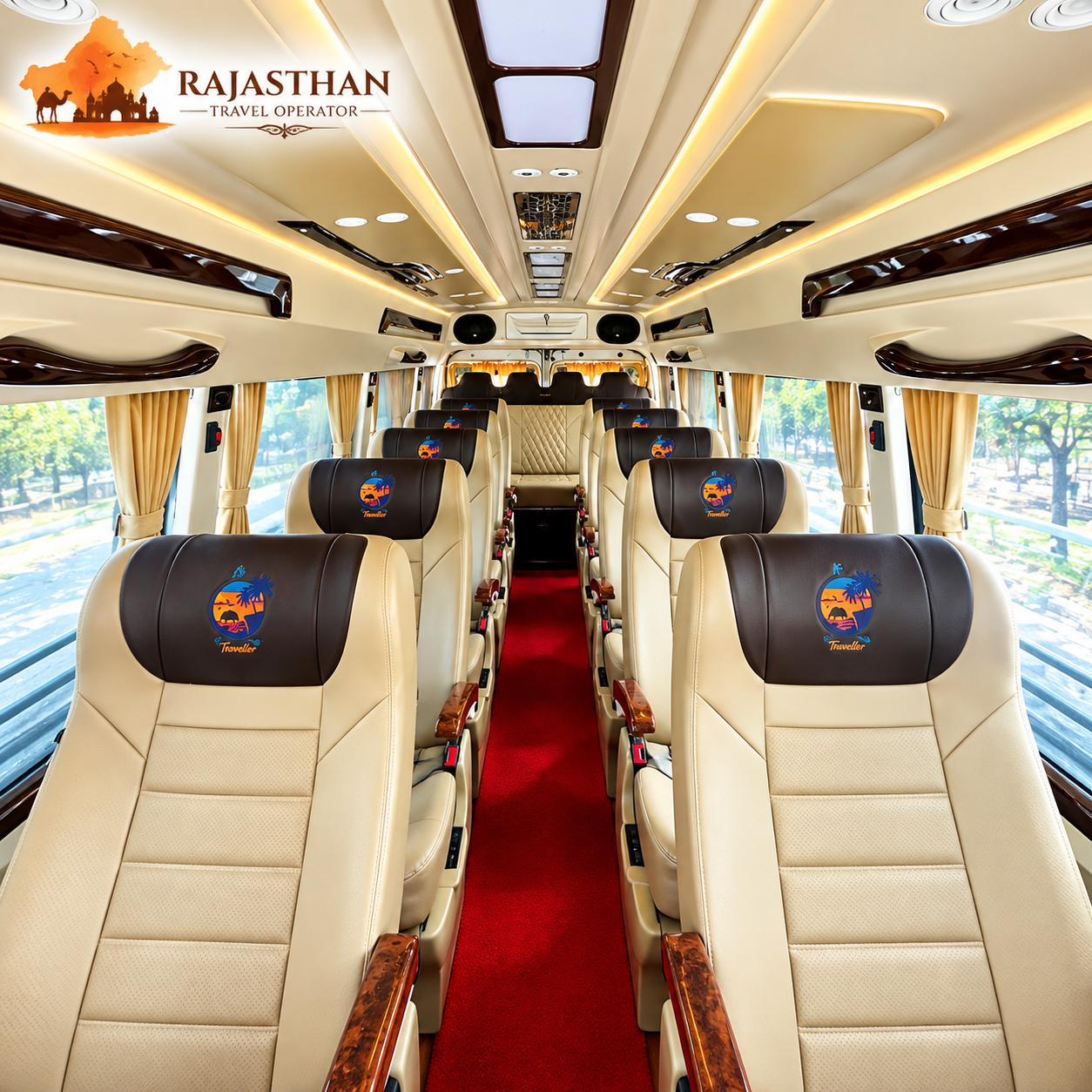
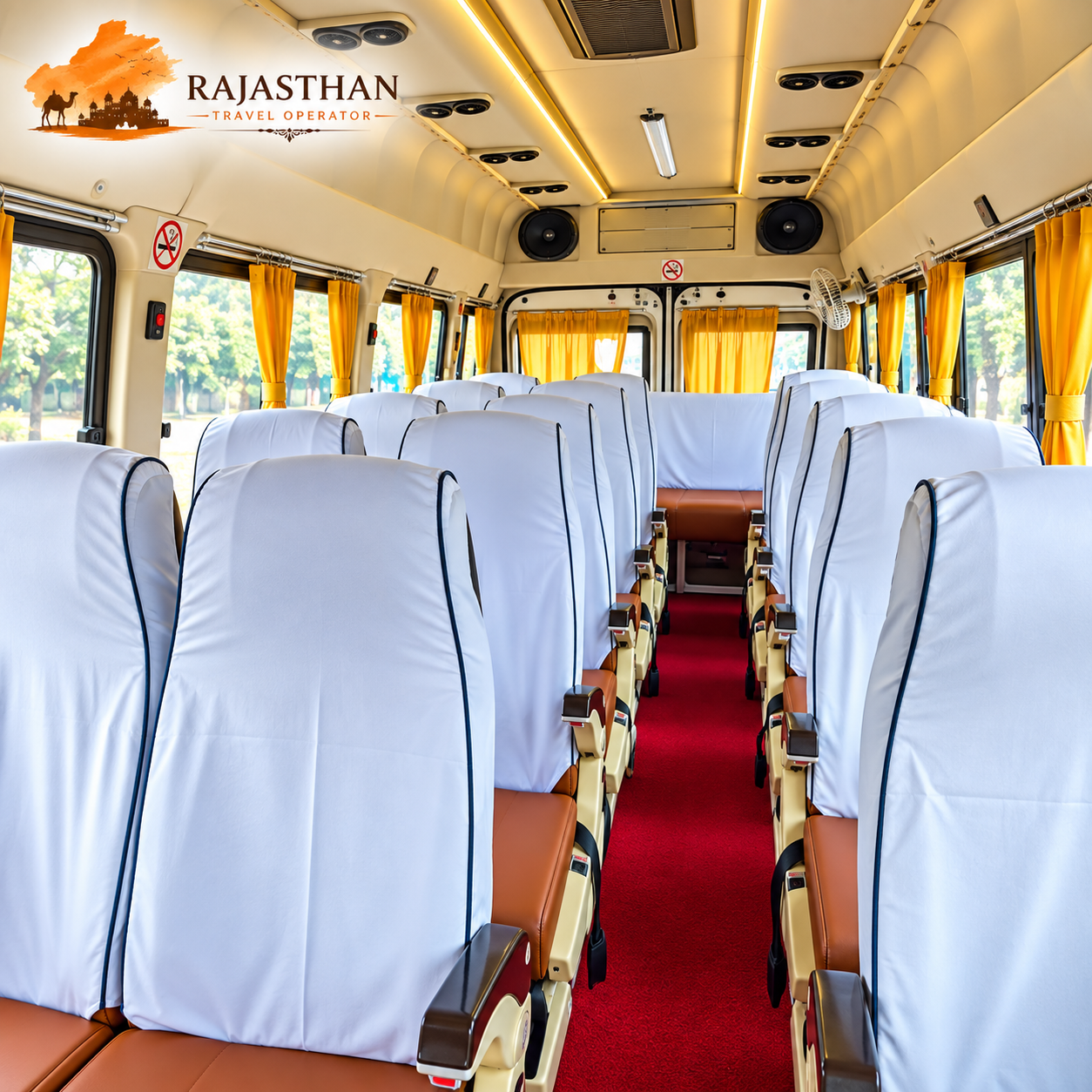
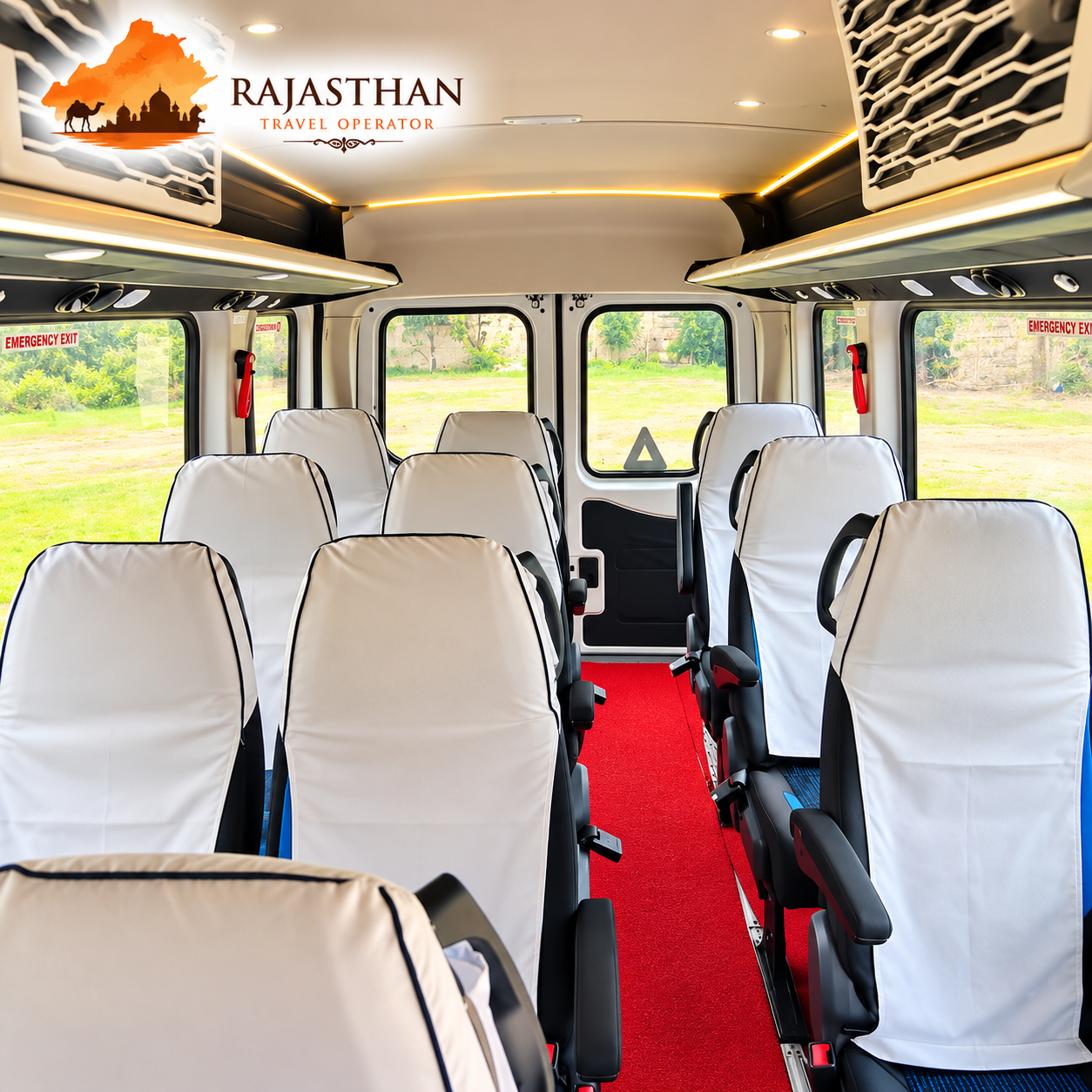
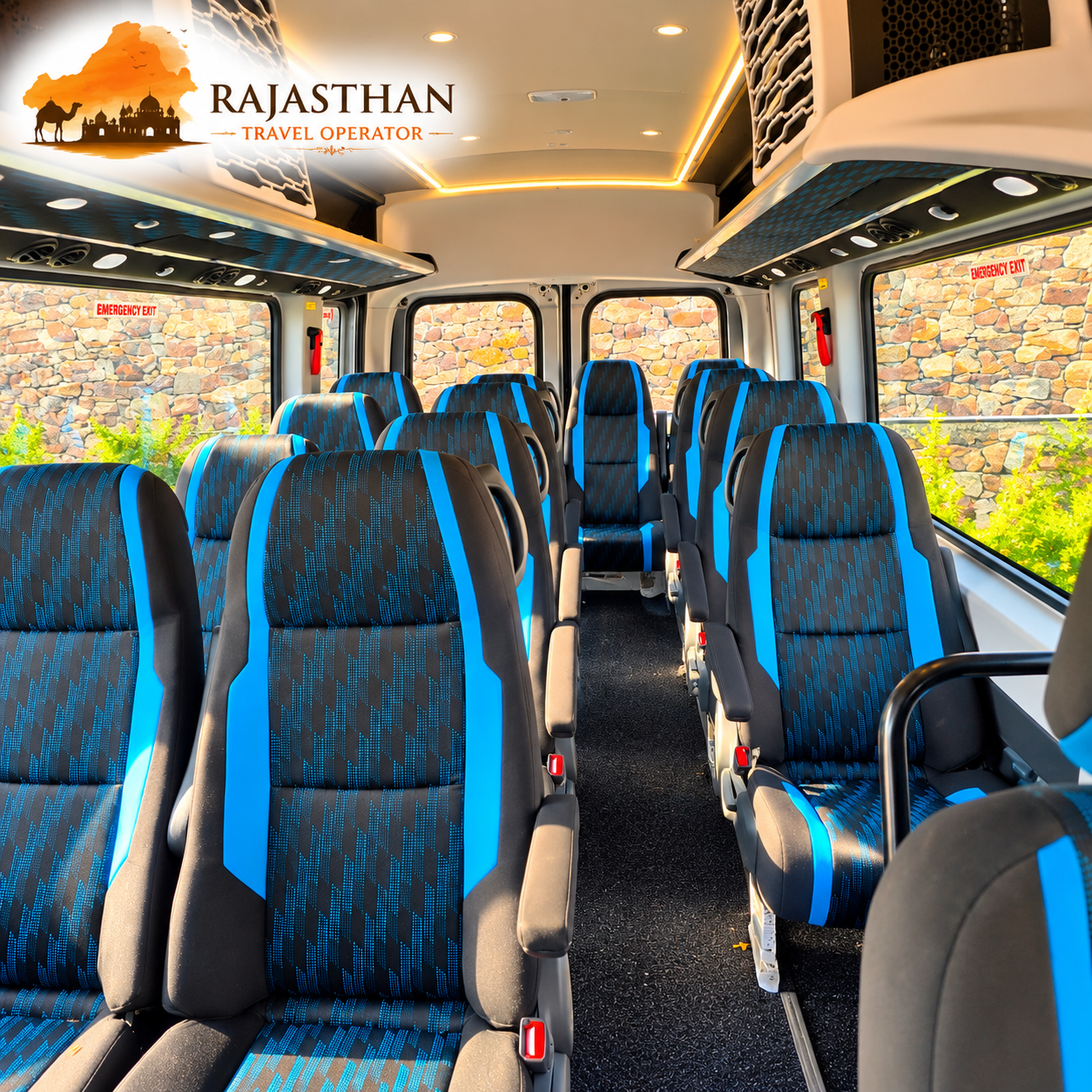
The afternoon covered a compressed Jaipur circuit — Amer Fort and City Palace — fewer stops than a typical family itinerary, since the group wanted more time at fewer places rather than a packed sightseeing schedule. The group had gone with a luxury tempo traveller trim specifically for the sound system, wanting music playing during the longer drives ahead — a detail that mattered more for this kind of trip than it might for a quieter family circuit.
Day Two: Jaipur to Agra, the Longest Drive of the Trip
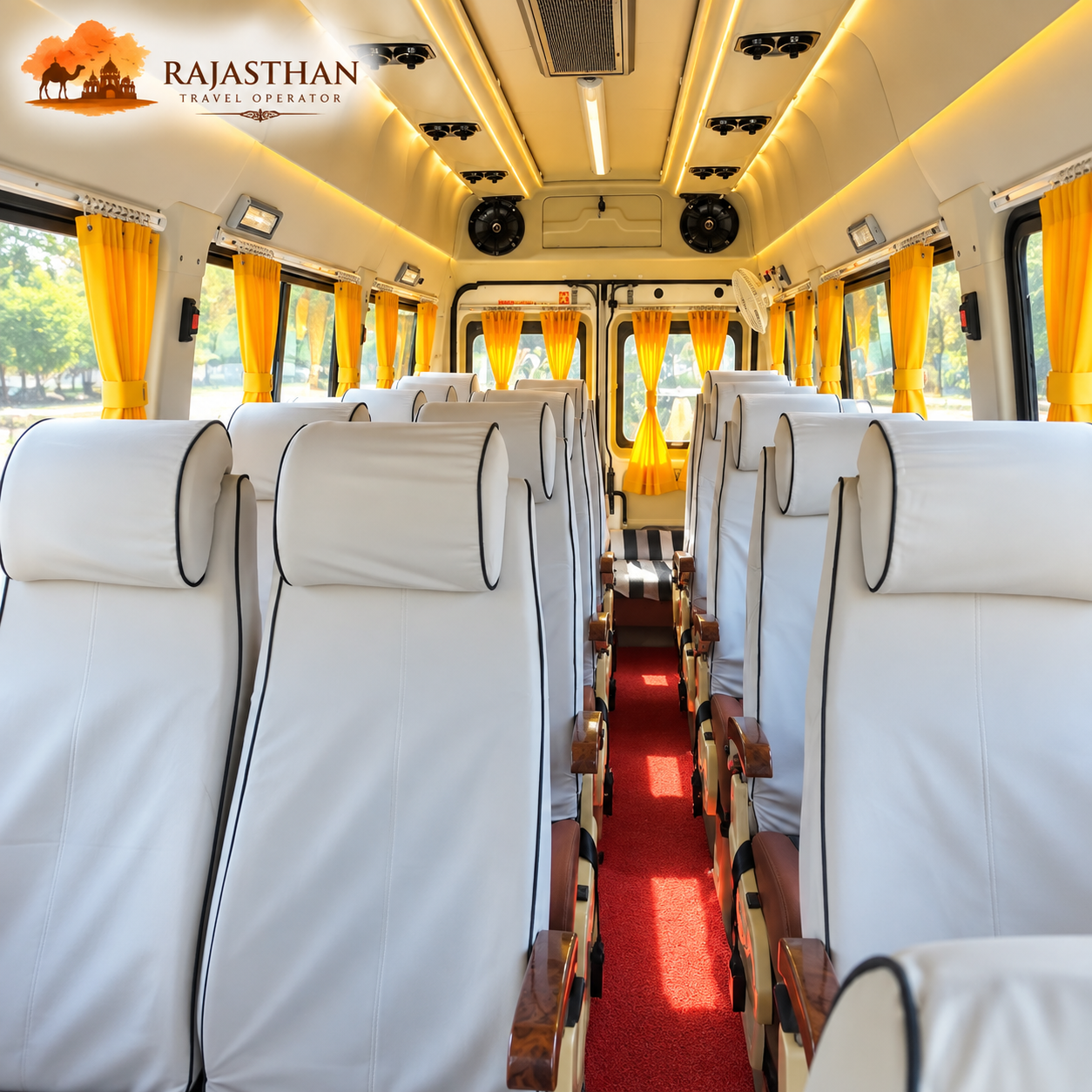
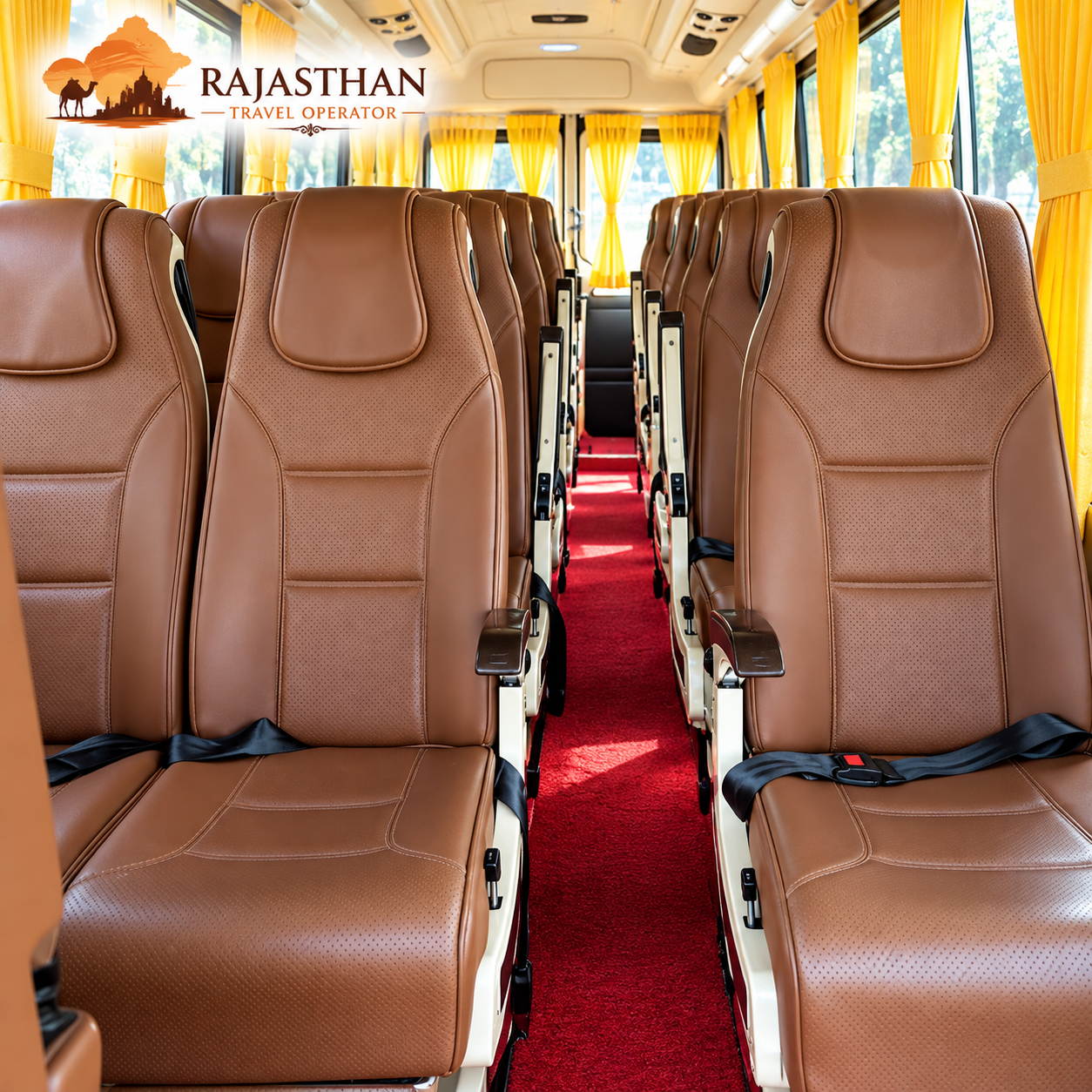
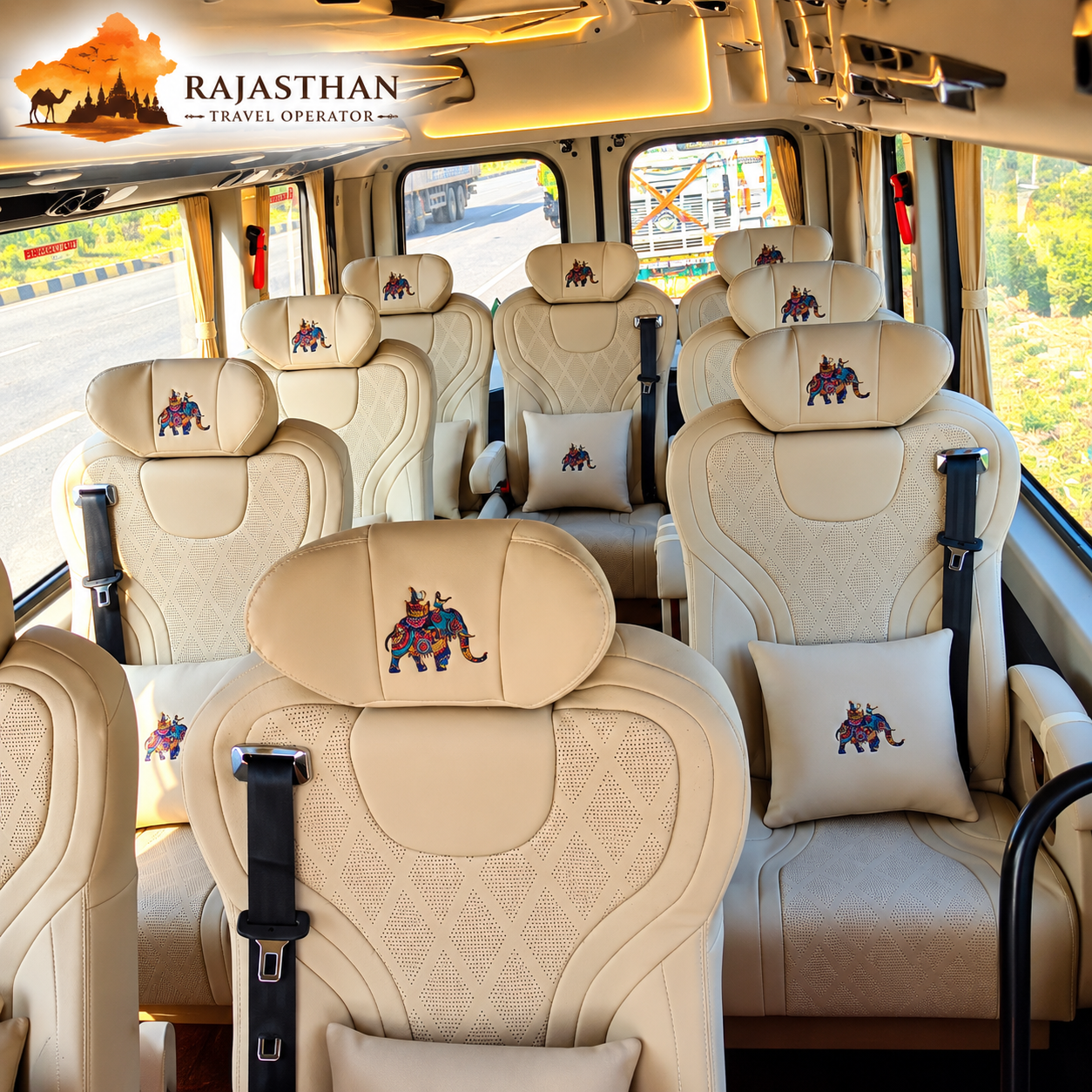
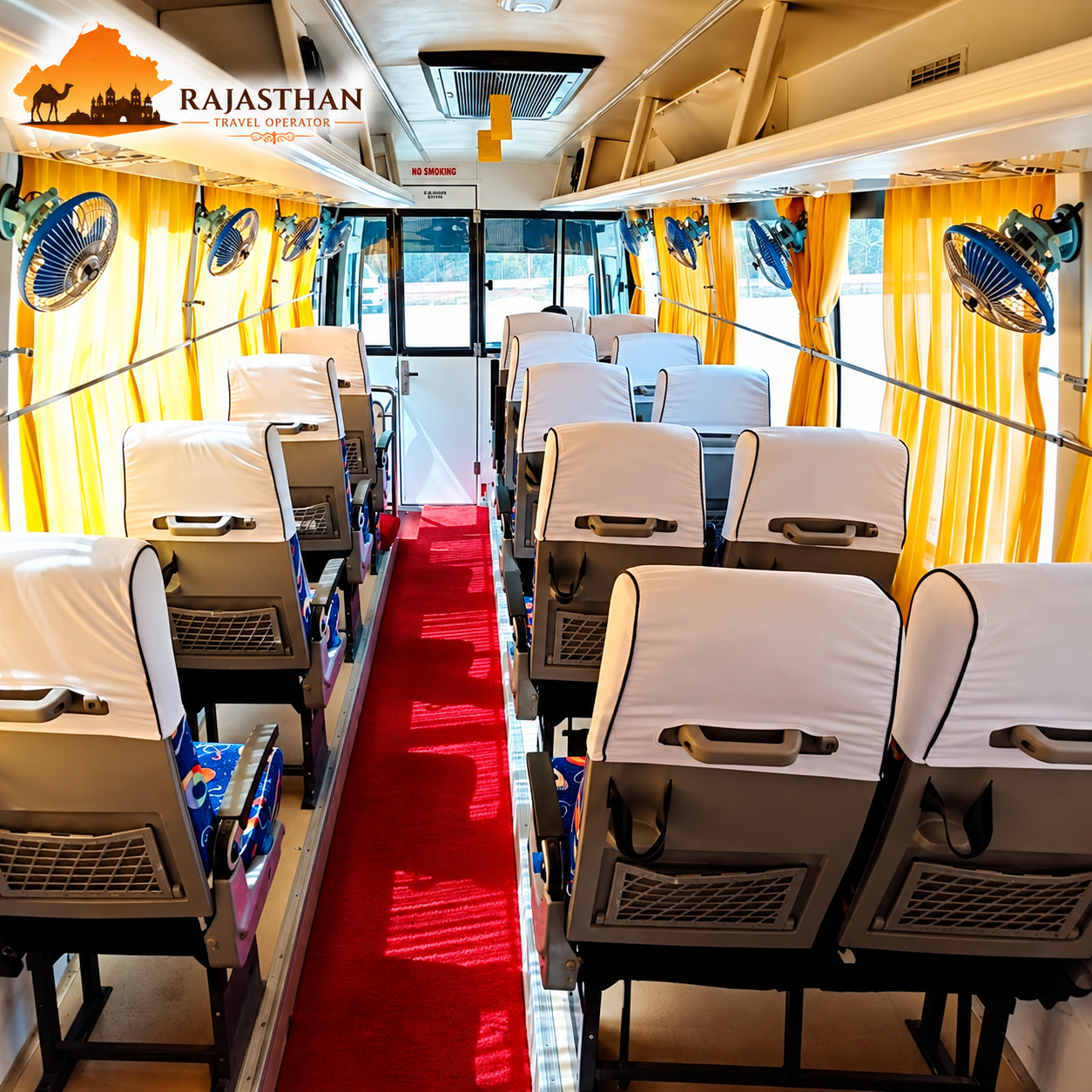
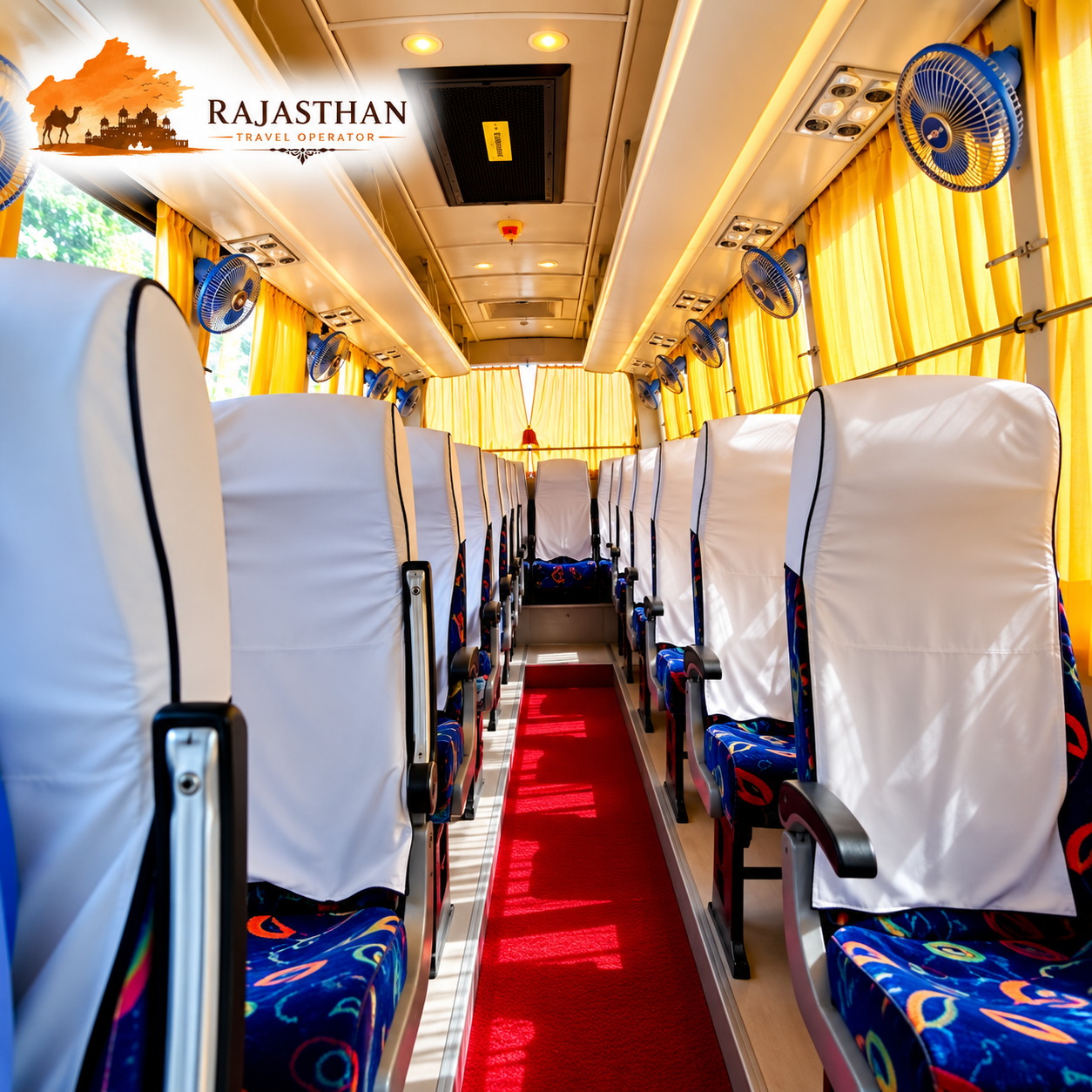
Day two was the longest single stretch — roughly five to six hours from Jaipur to Agra, depending on the route and stops. This is where the group’s specific priorities showed up clearly: rather than sleeping through the drive, several friends mentioned this stretch became one of the best parts of the trip, catching up properly for the first time in years with the working sound system playing in the background and comfortable enough seating that nobody was shifting restlessly by hour three.
The group reached Agra in the late afternoon, timing it deliberately to catch the Taj Mahal at sunset — a scheduling decision they’d discussed with the operator in advance, confirming realistic drive times so the timing would actually work rather than guessing and risking arriving too late.
Day Three: Agra to Delhi, With a Morning Taj Mahal Visit First
Day three started early with a sunrise visit to the Taj Mahal — worth noting this vehicle waited at the hotel rather than the group needing to arrange separate local transport for the early monument visit, since the same driver and vehicle stayed with them the whole trip as confirmed at booking. After the visit, the group continued on to Delhi, a shorter drive than day two at roughly three to four hours.
This lighter drive gave the group time to explore a bit of Delhi in the evening — nothing extensive, but enough for a proper dinner and a short walk, made easier by not arriving exhausted from a full day of driving. The group specifically credited the reasonable seat comfort on this shorter leg with leaving them energised enough to actually enjoy the evening rather than just wanting to collapse at the hotel.
Day Four: Delhi Sightseeing and Drop-off
The final day combined a short Delhi sightseeing loop with drop-offs timed around different flights — some friends leaving in the afternoon, others in the evening. The group had confirmed this flexible drop-off arrangement with the operator in advance, since coordinating ten different flight times across one final day needed the driver to know the sequence and timing well ahead of the actual day.
Reflecting on the trip afterward, the group pointed to two decisions as the ones that made the whole circuit run smoothly — confirming one continuous vehicle and driver across all three cities rather than switching partway through, and choosing a trim with a working sound system specifically because of how much time this particular group planned to spend actually enjoying the drive itself, not just tolerating it.
What This Trip Illustrates About Booking a 12 Seater for a Multi-City Circuit
The most important decision for this specific kind of trip wasn’t about seat spacing or luggage capacity — it was about continuity. Confirming the same vehicle and driver would cover the entire Jaipur–Agra–Delhi route, rather than needing separate bookings at each city, removed a genuine logistics headache and kept the group’s luggage arrangement undisturbed for all four days.
Trim mattered differently for this group than it would for a family circuit — the sound system and general comfort level took priority over things like roof-mounted AC distribution across many rows, since a group of ten friends spread the cabin’s width without the same crowding concerns a full twelve-seat family booking might have. Worth recognising that trim priorities shift based on who’s actually travelling, not just the seat count.
Timing coordination — sunset Taj Mahal visits, staggered flight drop-offs — mattered more for this trip than it typically would for a leisure family circuit, and having those conversations with the operator well before departure, rather than assuming the driver would simply figure it out, made the difference between a smooth final day and a stressful one.
A Quick Checklist Based on This Trip
For a multi-city circuit like Jaipur–Agra–Delhi, confirm upfront whether the same vehicle and driver cover the whole route, the way this group did, rather than assuming continuity without asking. If your group’s priorities lean toward comfort features like a working sound system rather than maximum luggage capacity, say so directly when comparing trim options — a luxury tempo traveller upgrade might matter for different reasons than the ones most guides assume.
If timing around a specific sight — a sunrise or sunset visit, a scheduled activity — matters to your itinerary, confirm realistic drive times with the operator in advance rather than estimating yourself. And if your group has multiple different departure times at the end of a trip, like this group’s staggered flights, flag that scheduling complexity when booking rather than leaving it for the final day.
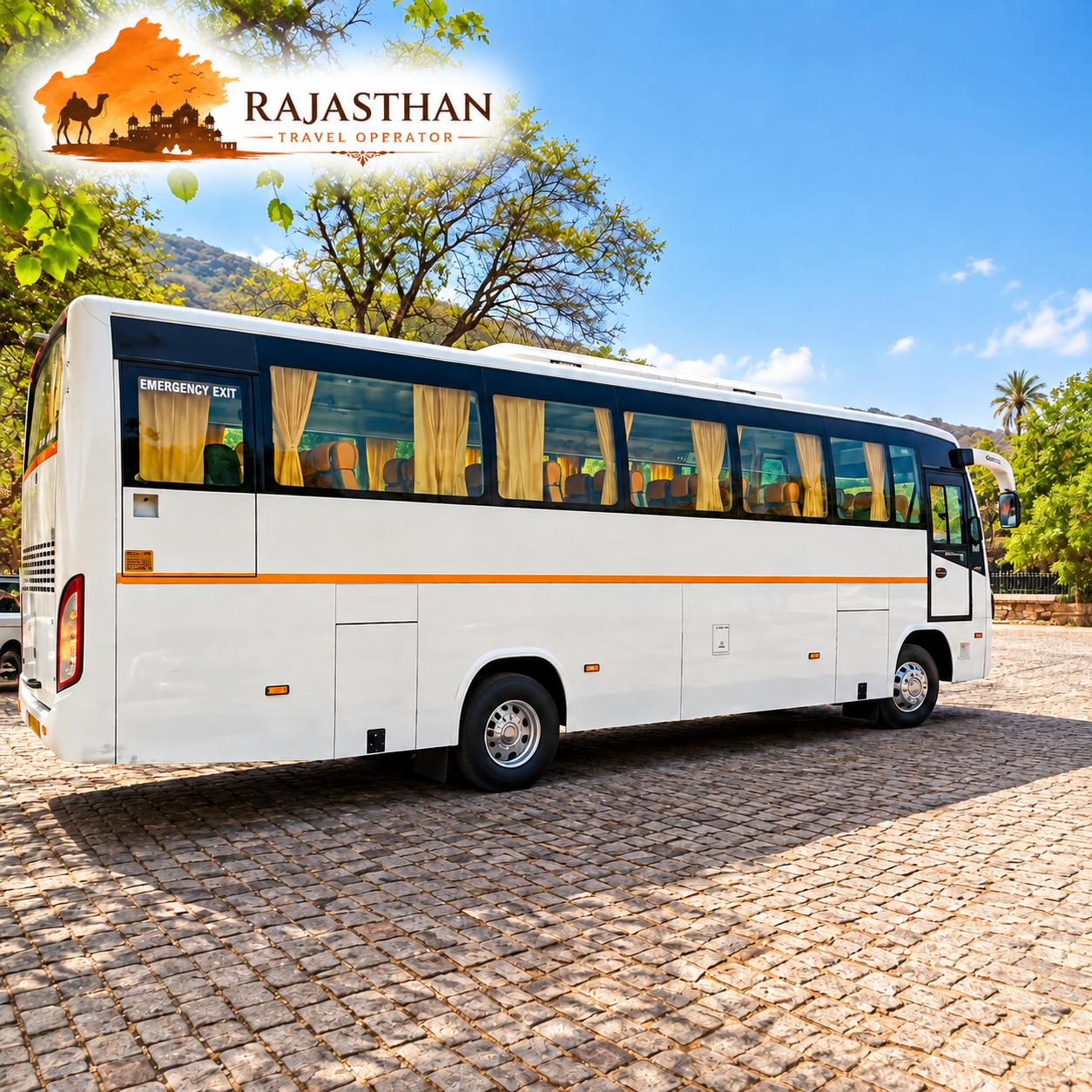
If your group is smaller than ten, it’s worth checking the 10 seater tempo traveller instead for a slightly more cost-efficient booking. For a larger reunion or group trip, the 16 seater tempo traveller, tempo traveller 17 seater, or 20 seater tempo traveller scale up the same basic approach. And for a group that wants ride comfort on the long Jaipur–Agra stretch specifically, without worrying much about luggage since bags are light, the 12 seater Urbania or a step up to the luxury Urbania tempo traveller trim is worth comparing, since this specific trip’s light luggage load sidesteps that platform’s main limitation.
Full comparisons across the whole fleet, standard and premium alike, are on the tempo traveller on rent page if your own trip looks different from this example.
Frequently Asked Questions
Does the same vehicle and driver typically cover a full Golden Triangle circuit? Often yes, but confirm this explicitly rather than assuming — some bookings are structured city by city, which adds coordination overhead. This group specifically asked and got confirmation before booking.
Why did trim priorities differ for this friend-group trip compared to a family circuit? Because the group’s actual needs were different — a working sound system and general comfort mattered more than, say, wide individual seating for elderly passengers, which shapes a very different trim conversation with the operator.
How should timing around specific sights, like a sunset Taj Mahal visit, be planned? Discuss realistic drive times directly with the operator in advance rather than estimating independently, since actual road conditions and traffic can shift timing significantly on a route like Jaipur to Agra.
What’s the best way to handle staggered drop-offs at the end of a multi-city trip? Flag the full sequence of drop-off times and locations with the operator well before the final day, so the driver has a clear plan rather than improvising on the spot with multiple flights to coordinate.
Would a Maharaja seat configuration have suited this group? Possibly, if wider individual seating mattered more than fitting the full group of ten within a standard layout — worth checking Maharaja seat tempo traveller availability if a similar group prioritises seat width over headcount efficiency.
Final Word
A walkthrough like this shows how differently the same vehicle can serve two very different kinds of trips — a family pilgrimage circuit and a friend-group Golden Triangle reunion need the same twelve seats but very different planning conversations. Map your own trip’s actual priorities, not just its seat count, against an example like this one, and the right questions to ask the operator usually become obvious well before booking day.