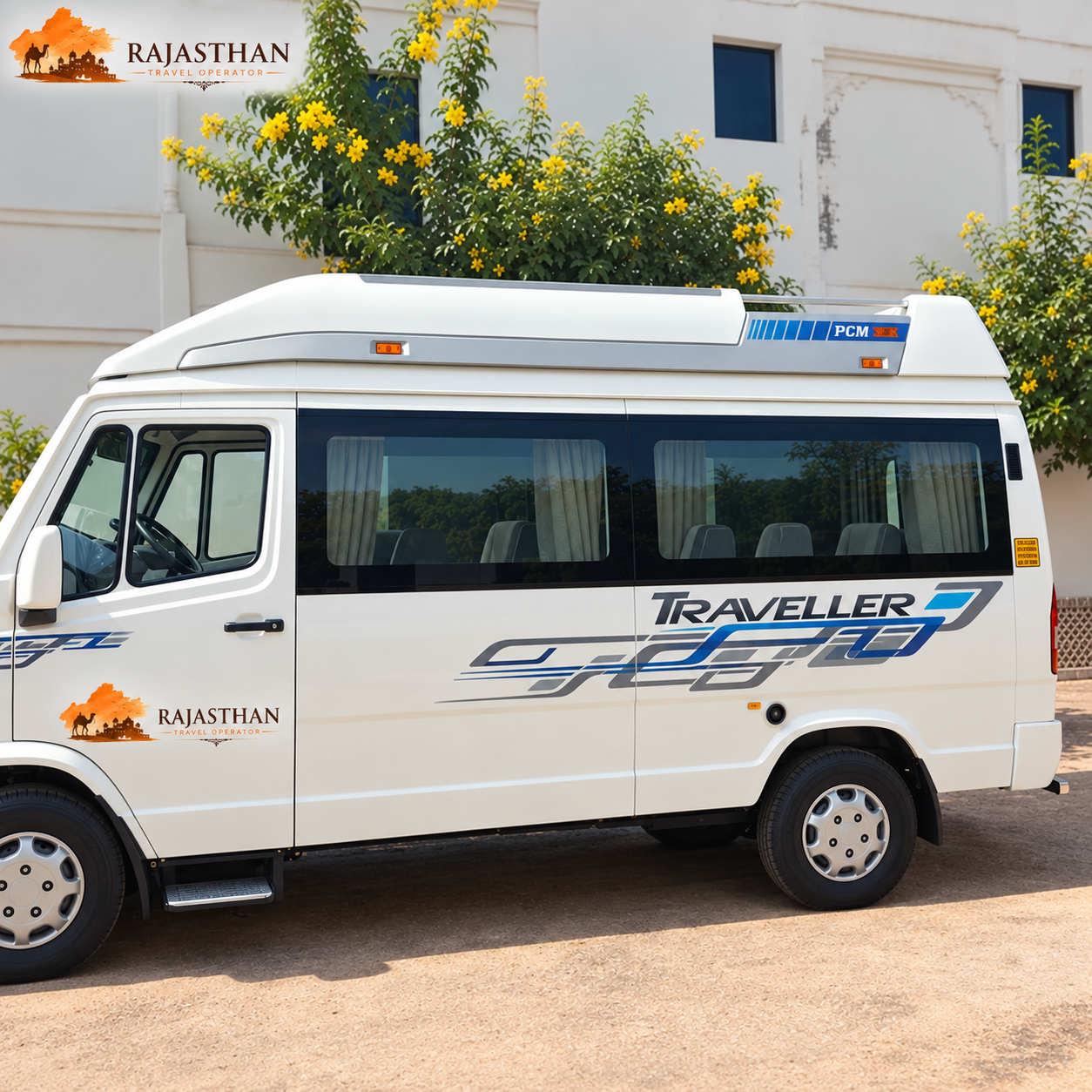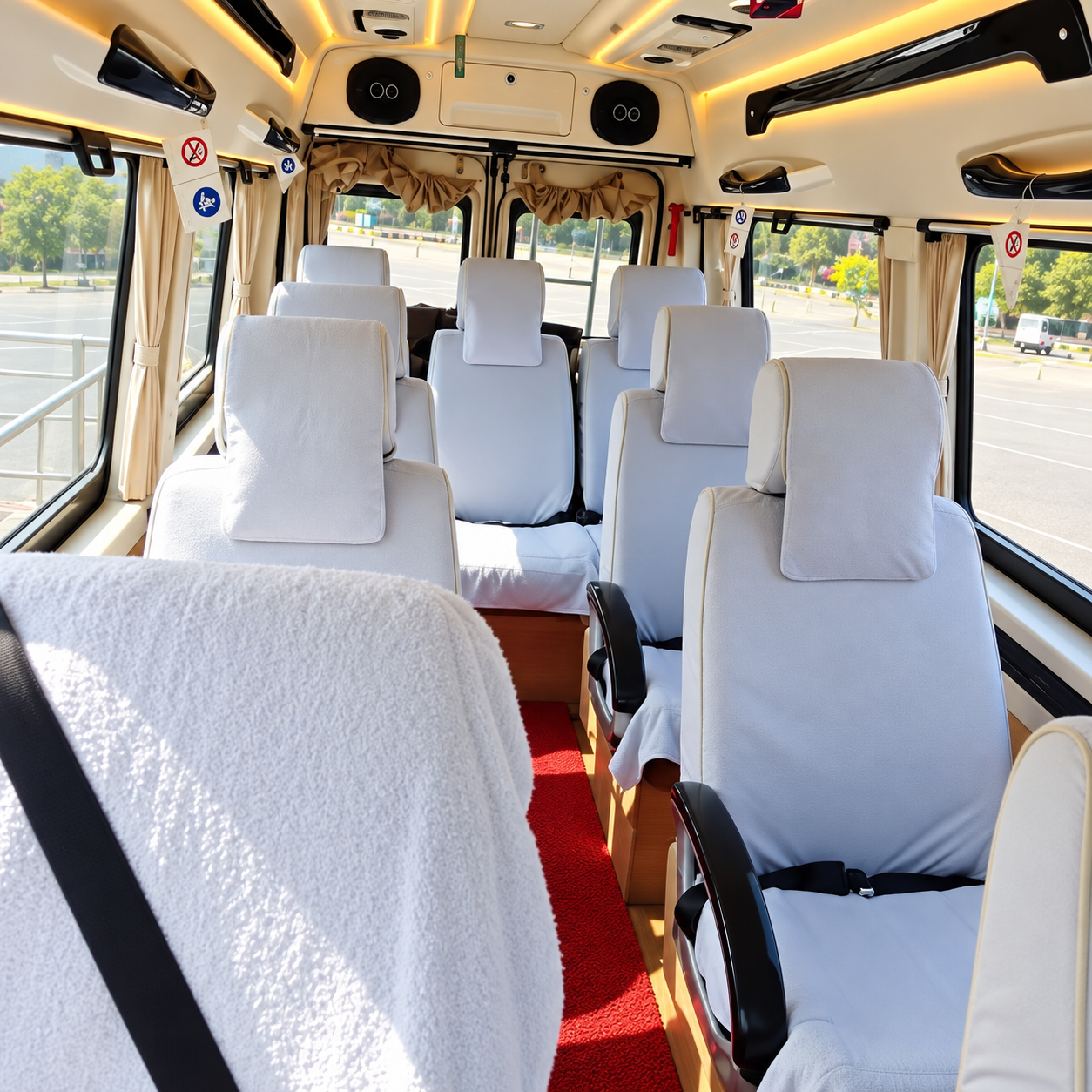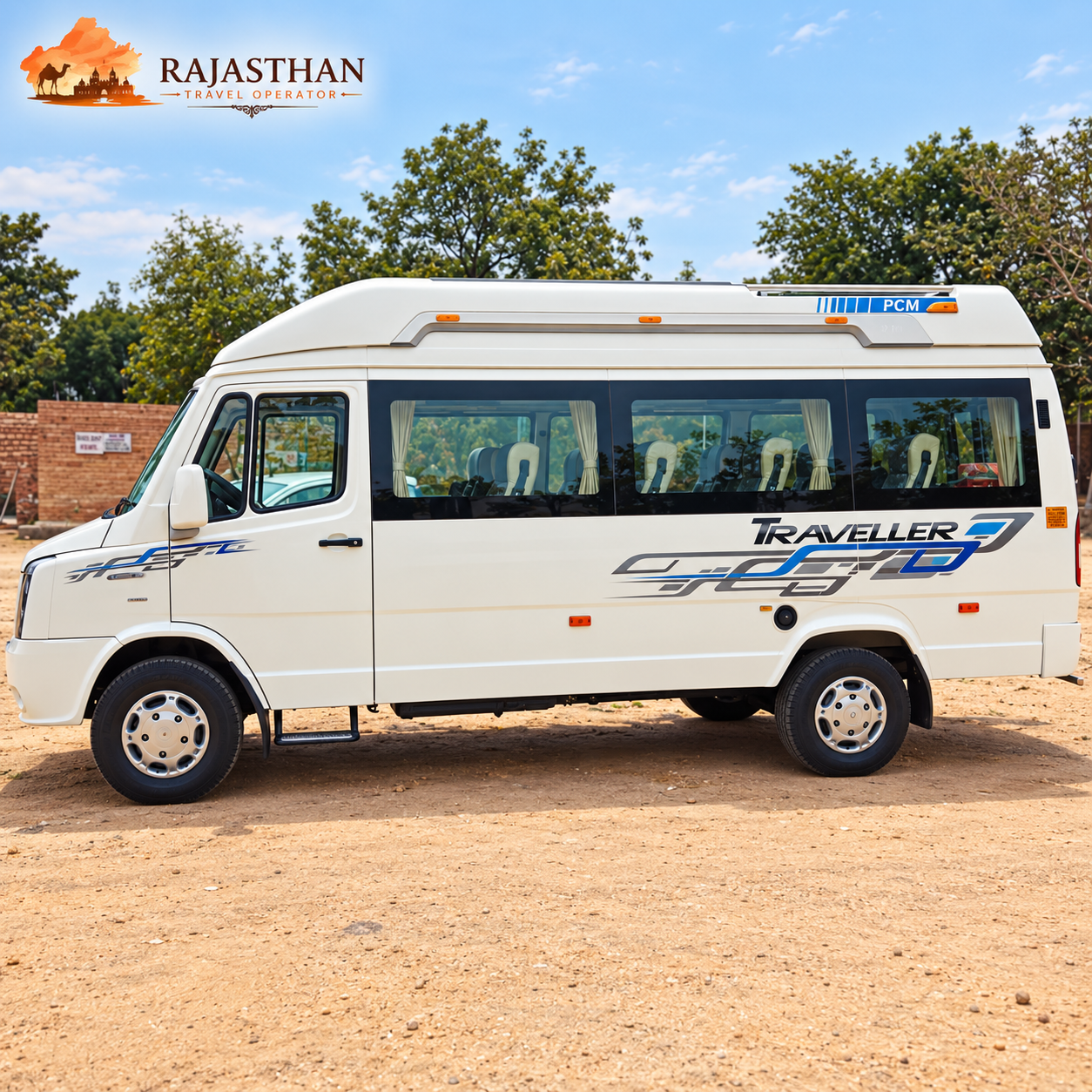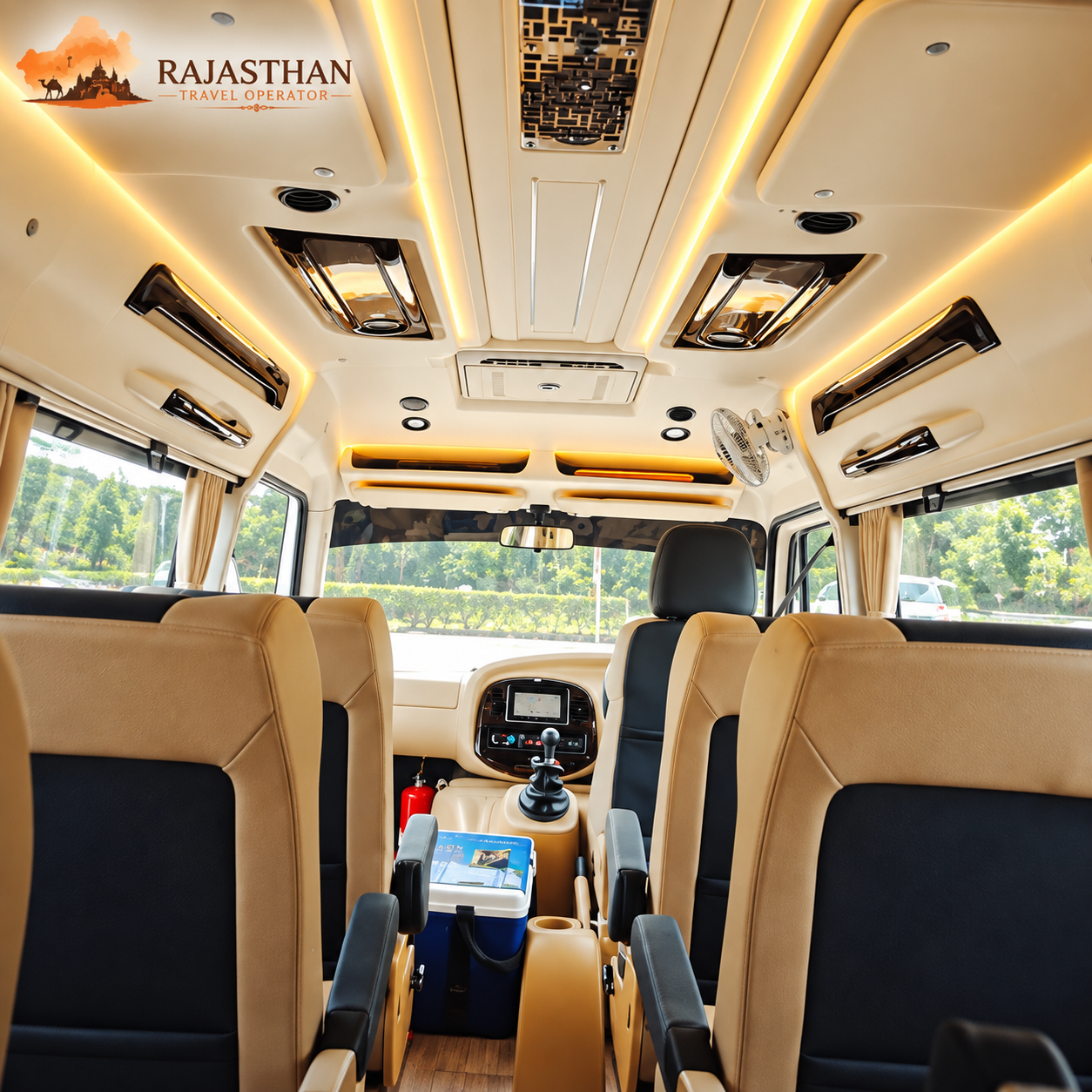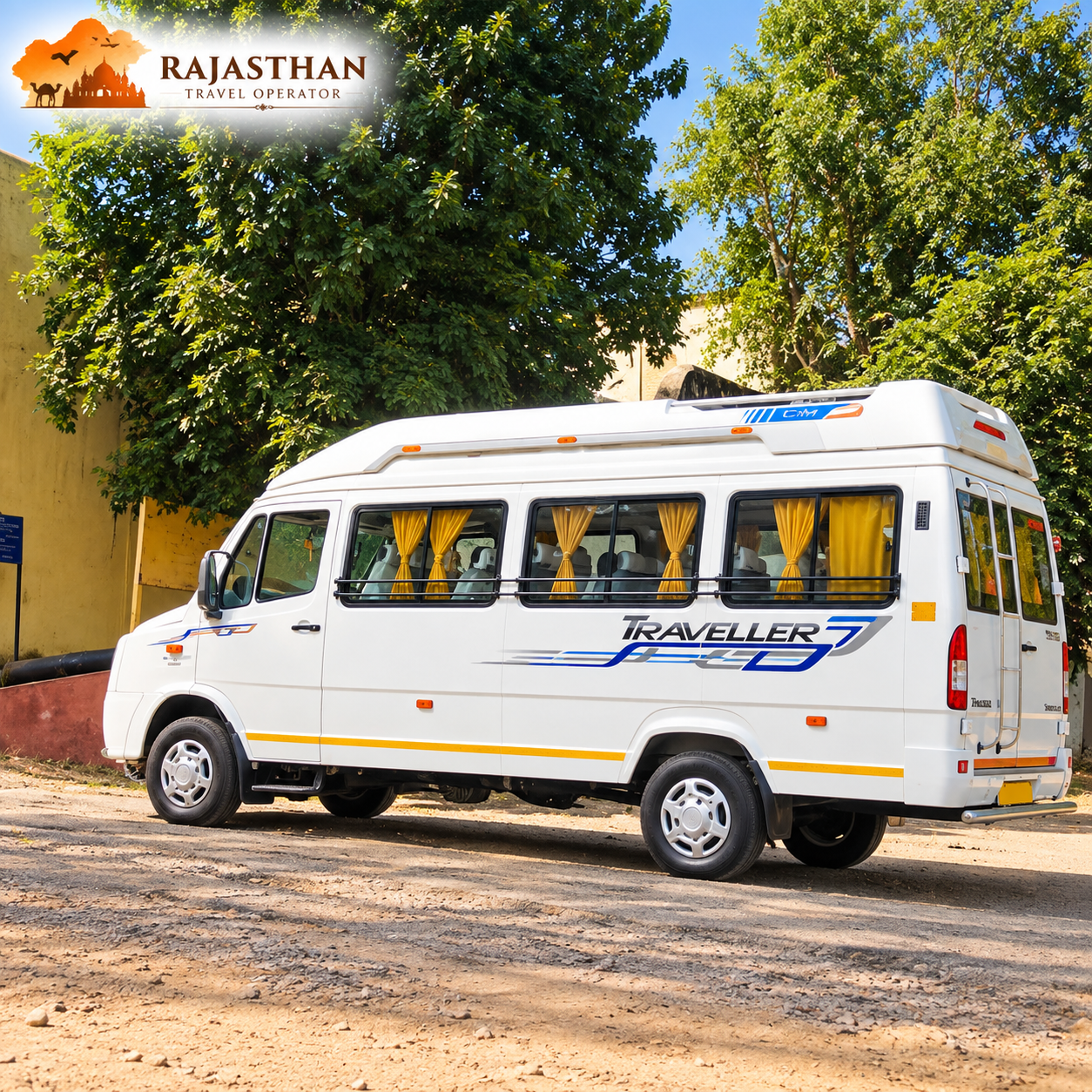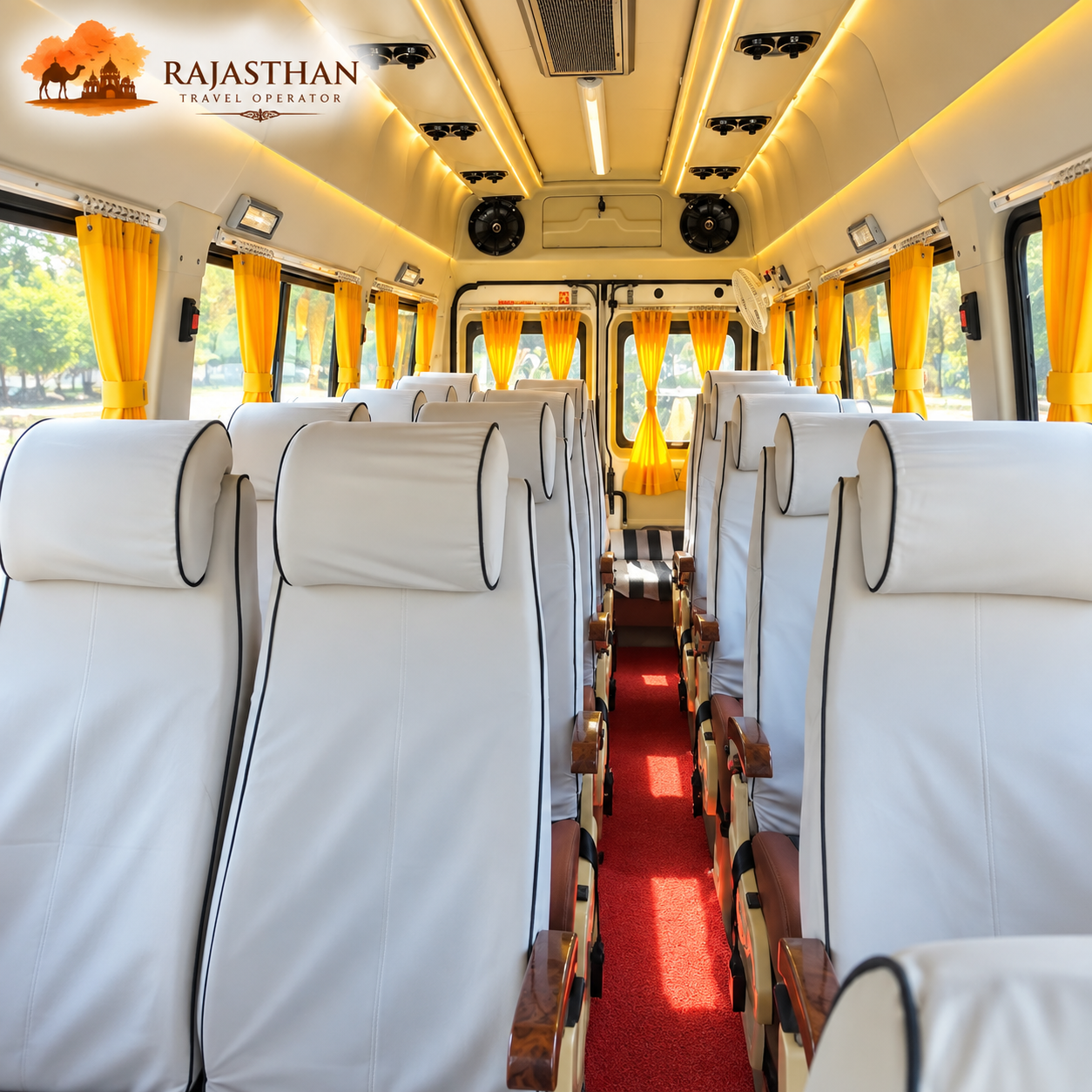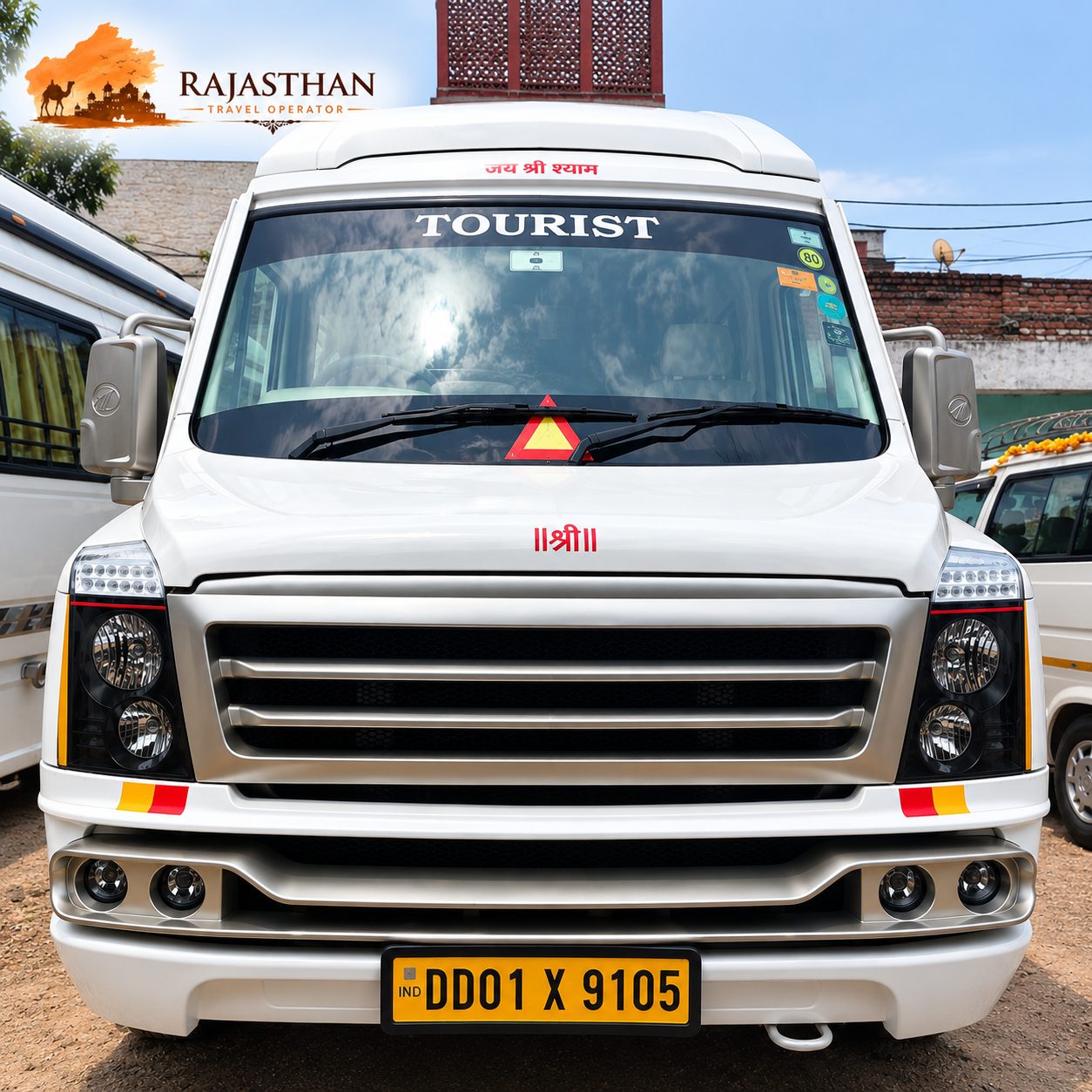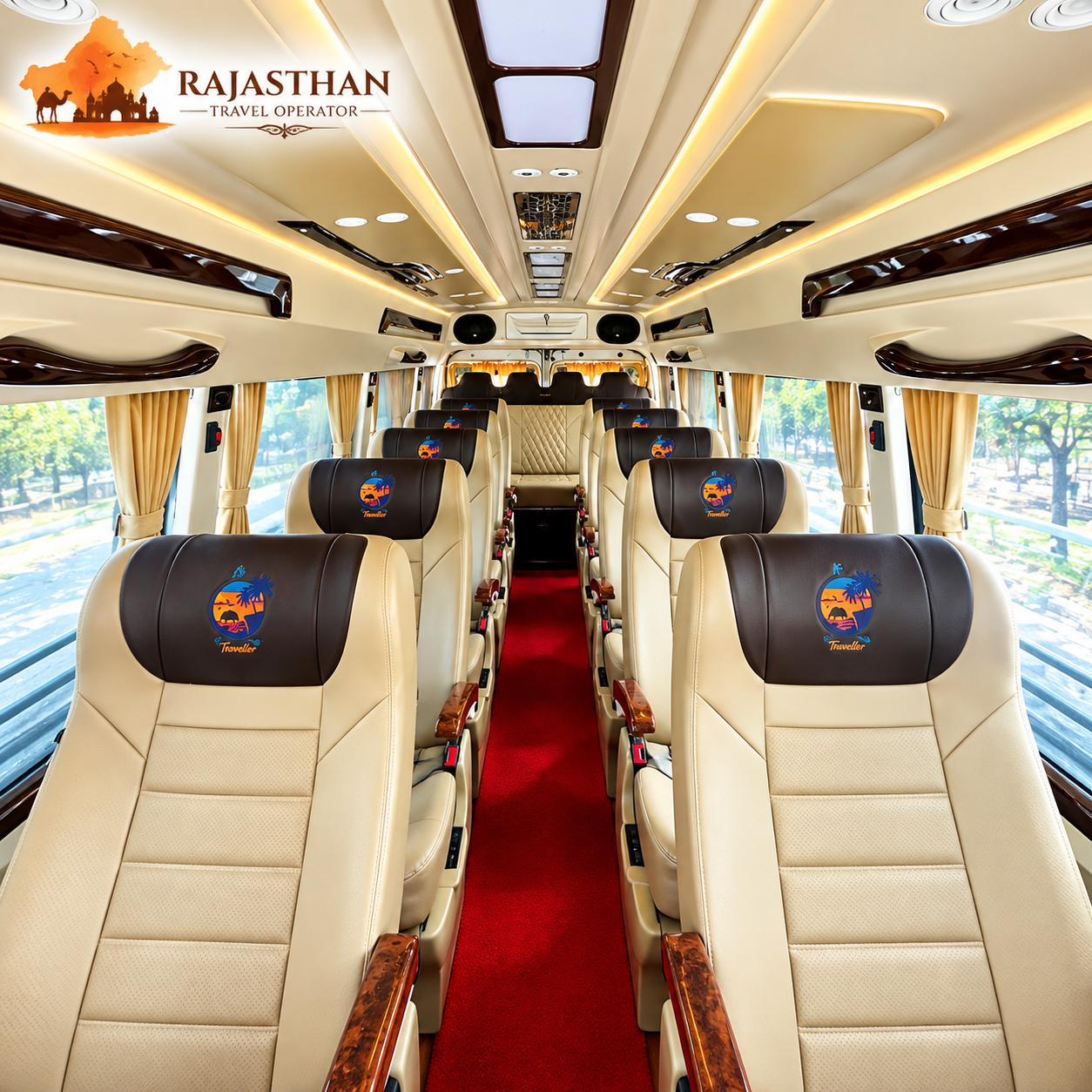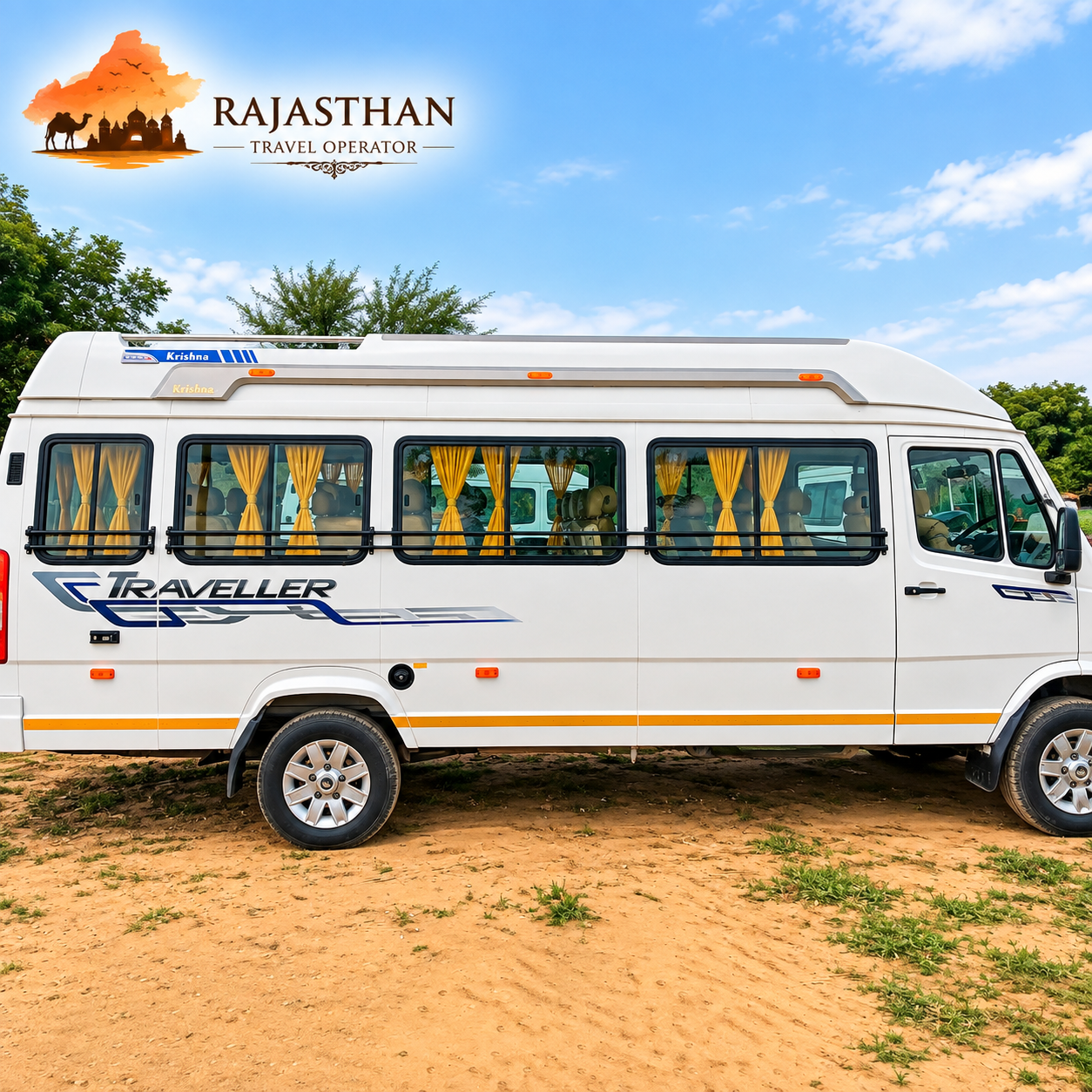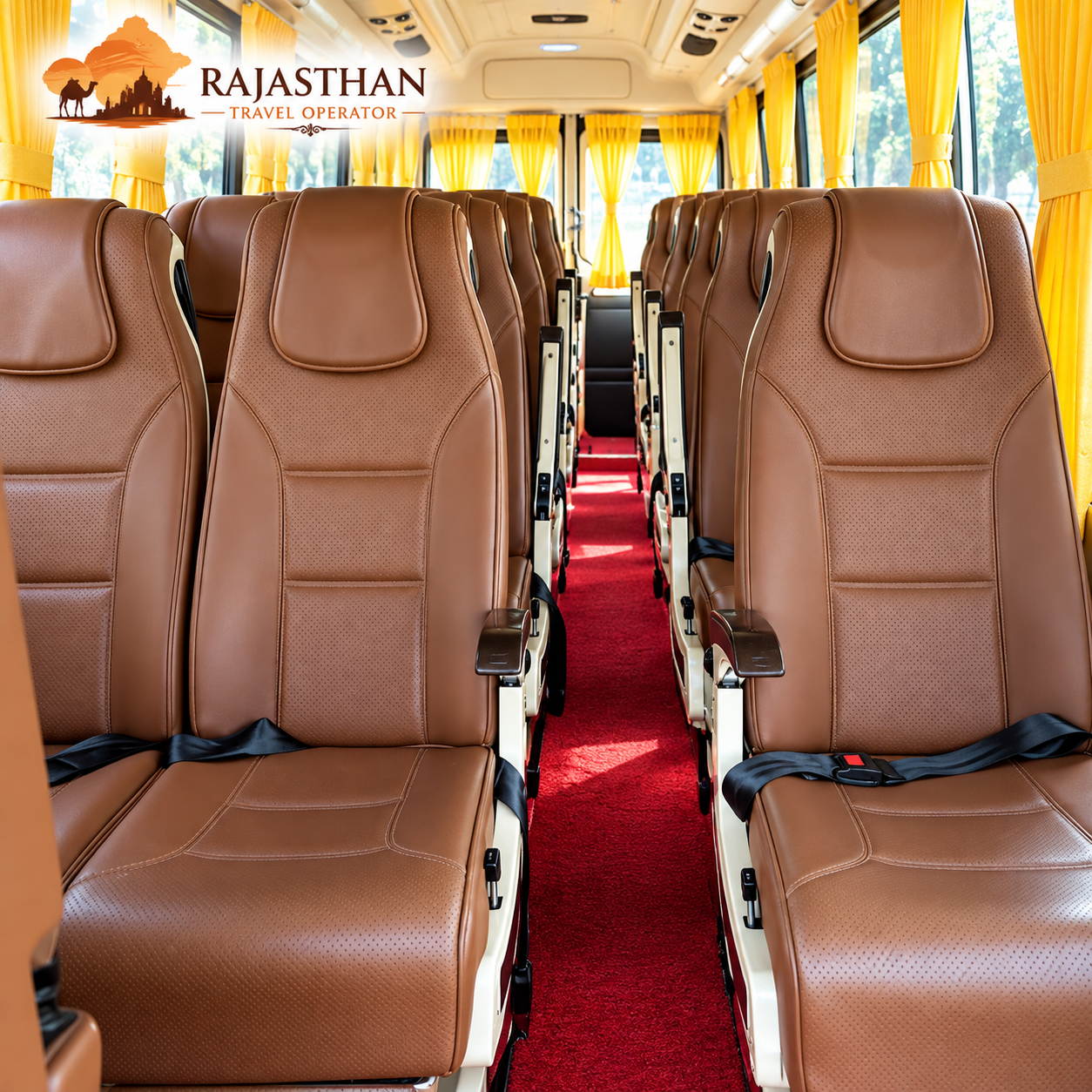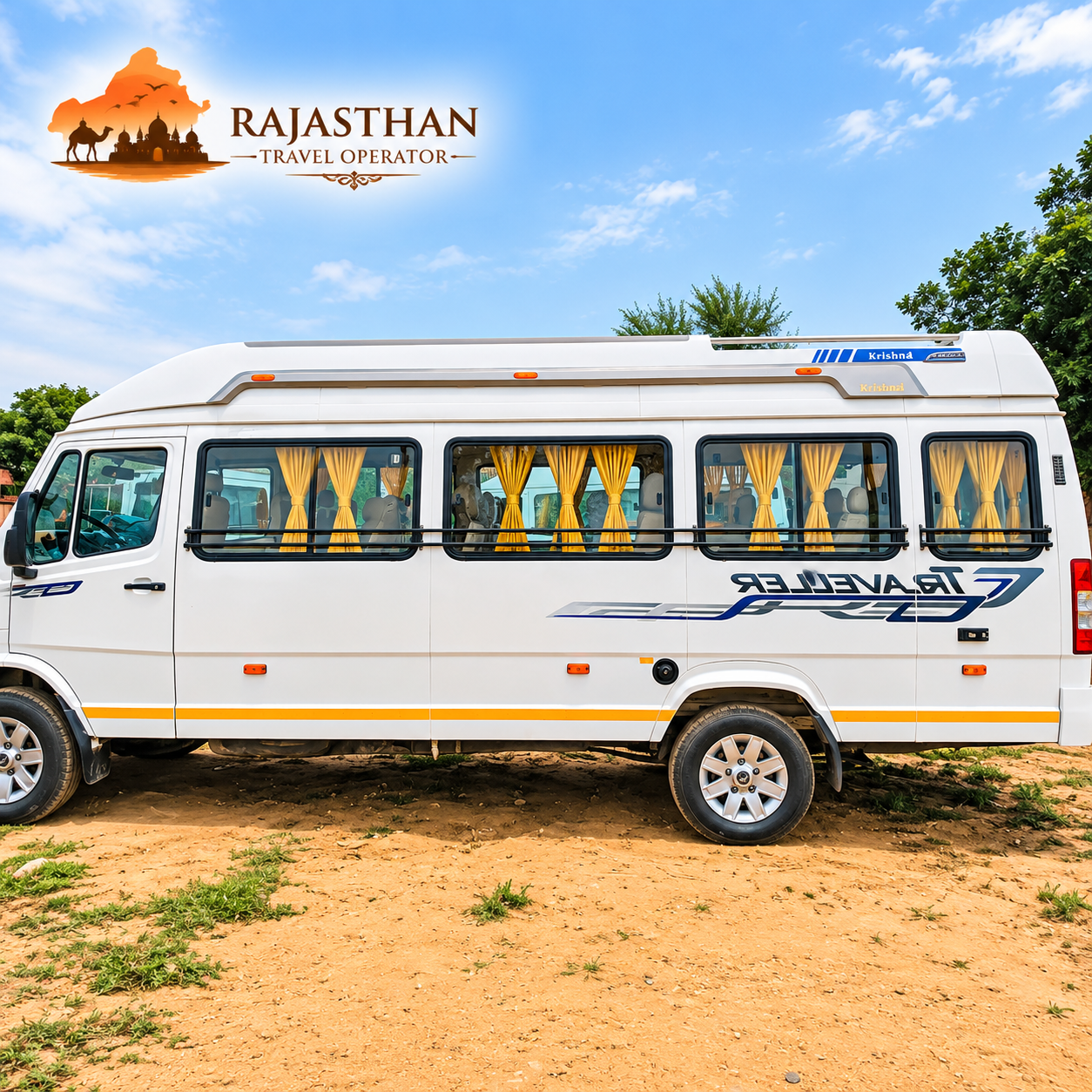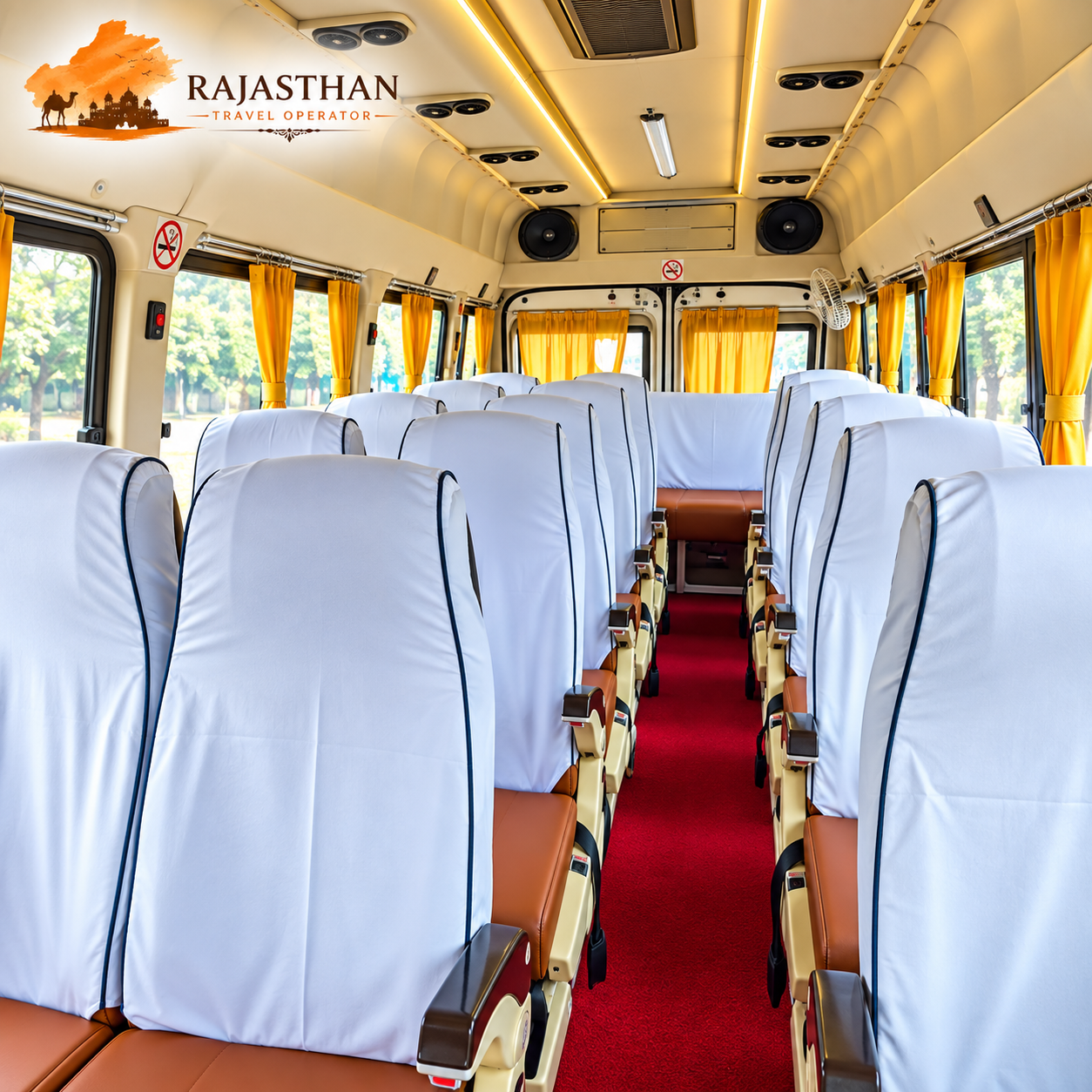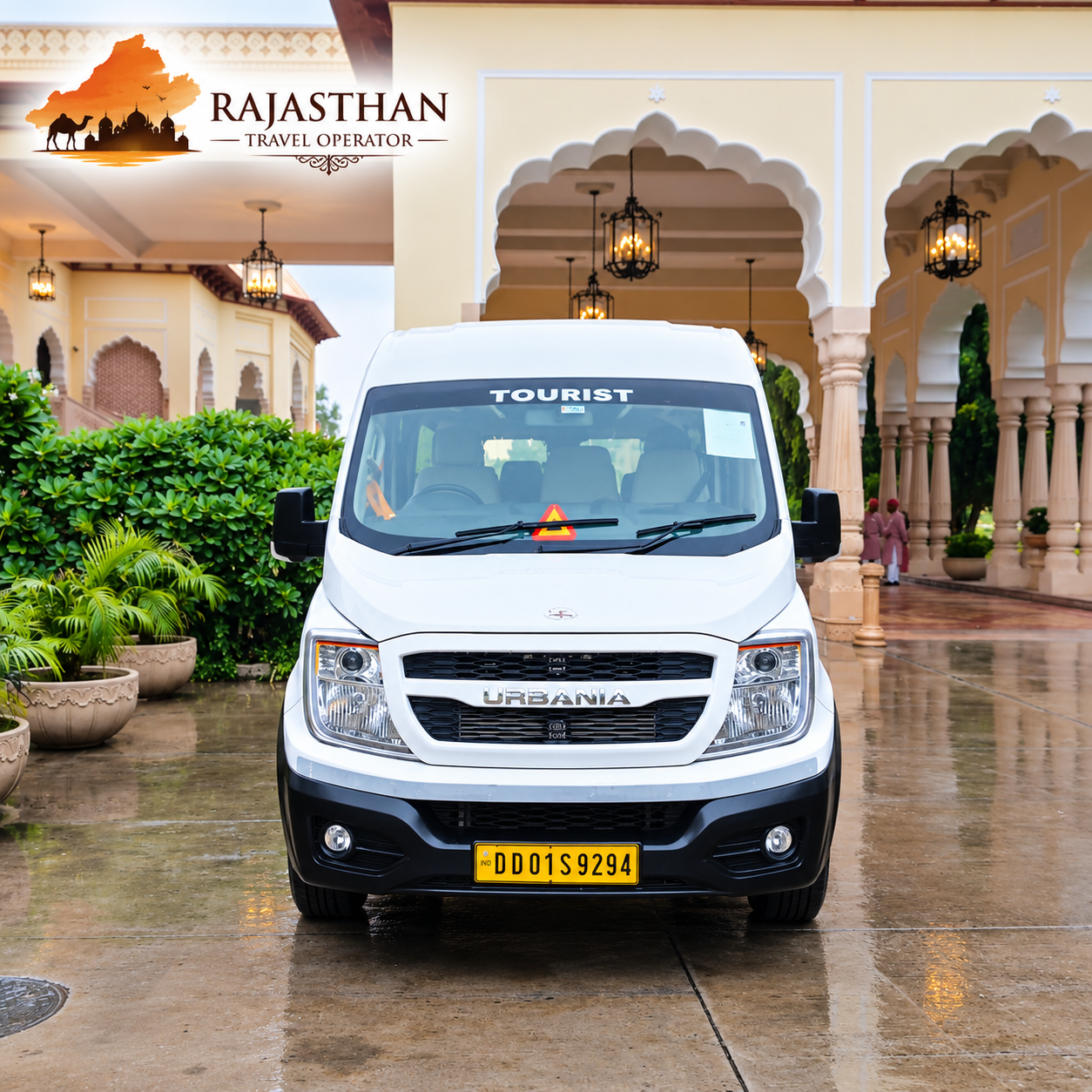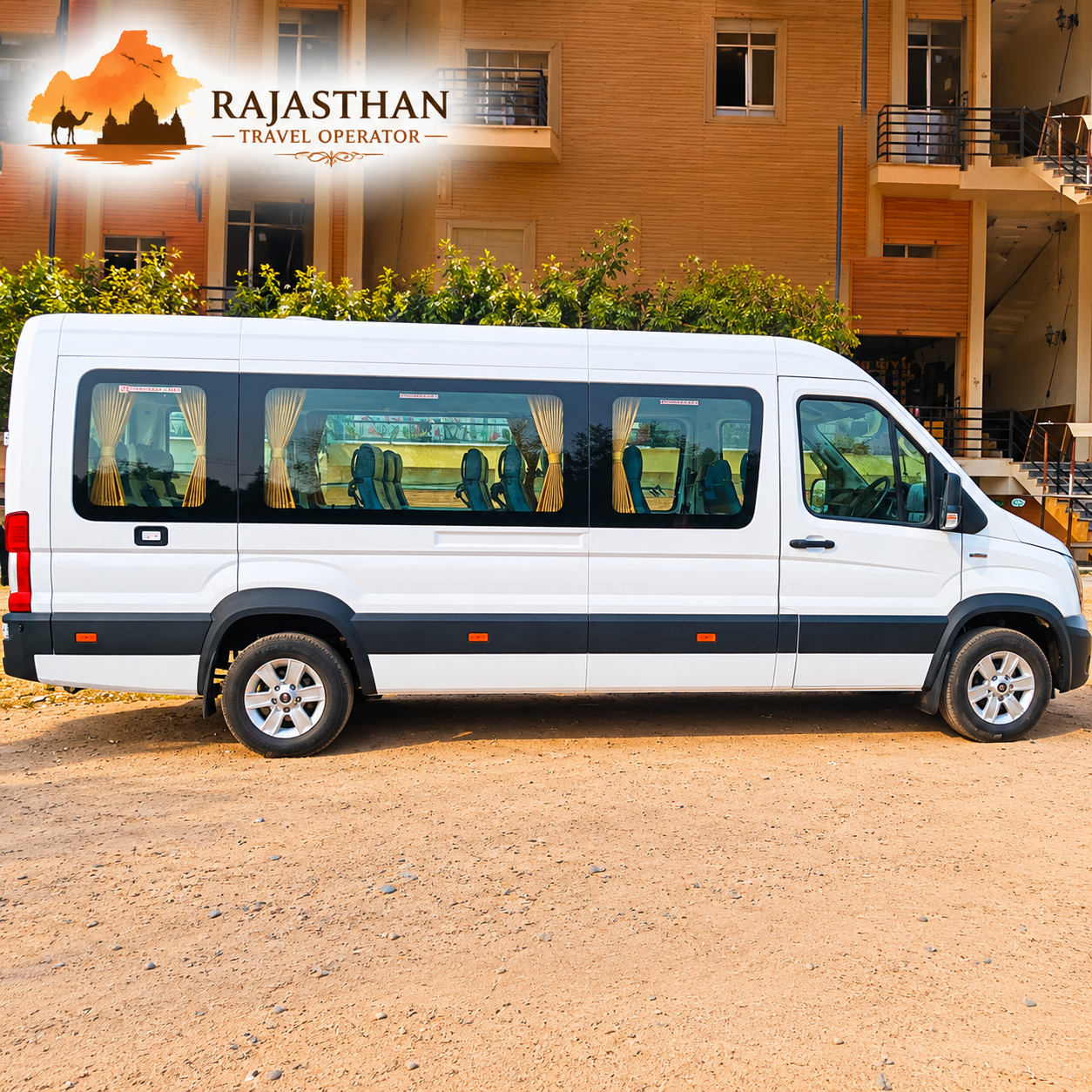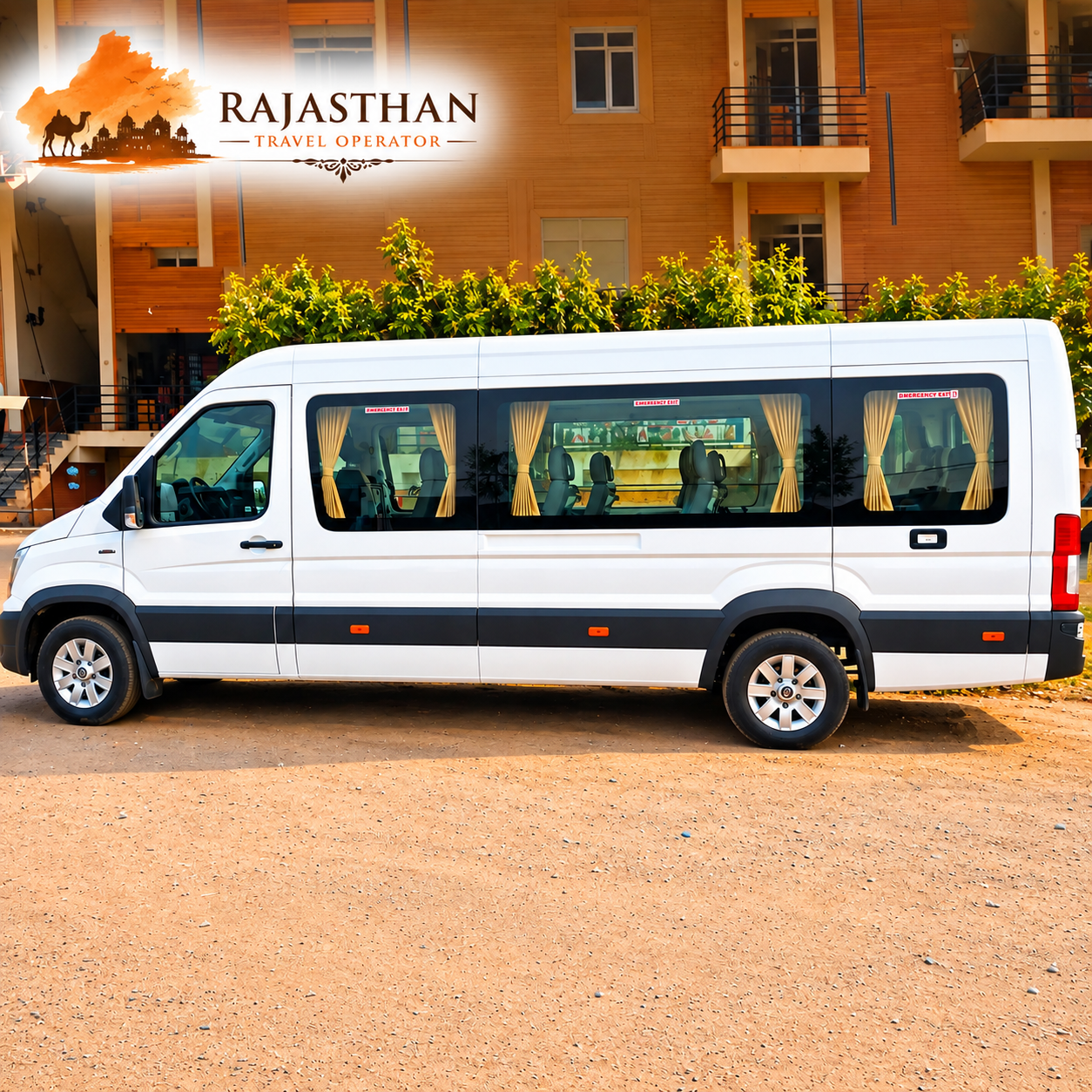
Why This Comparison Matters More Than Another Feature List
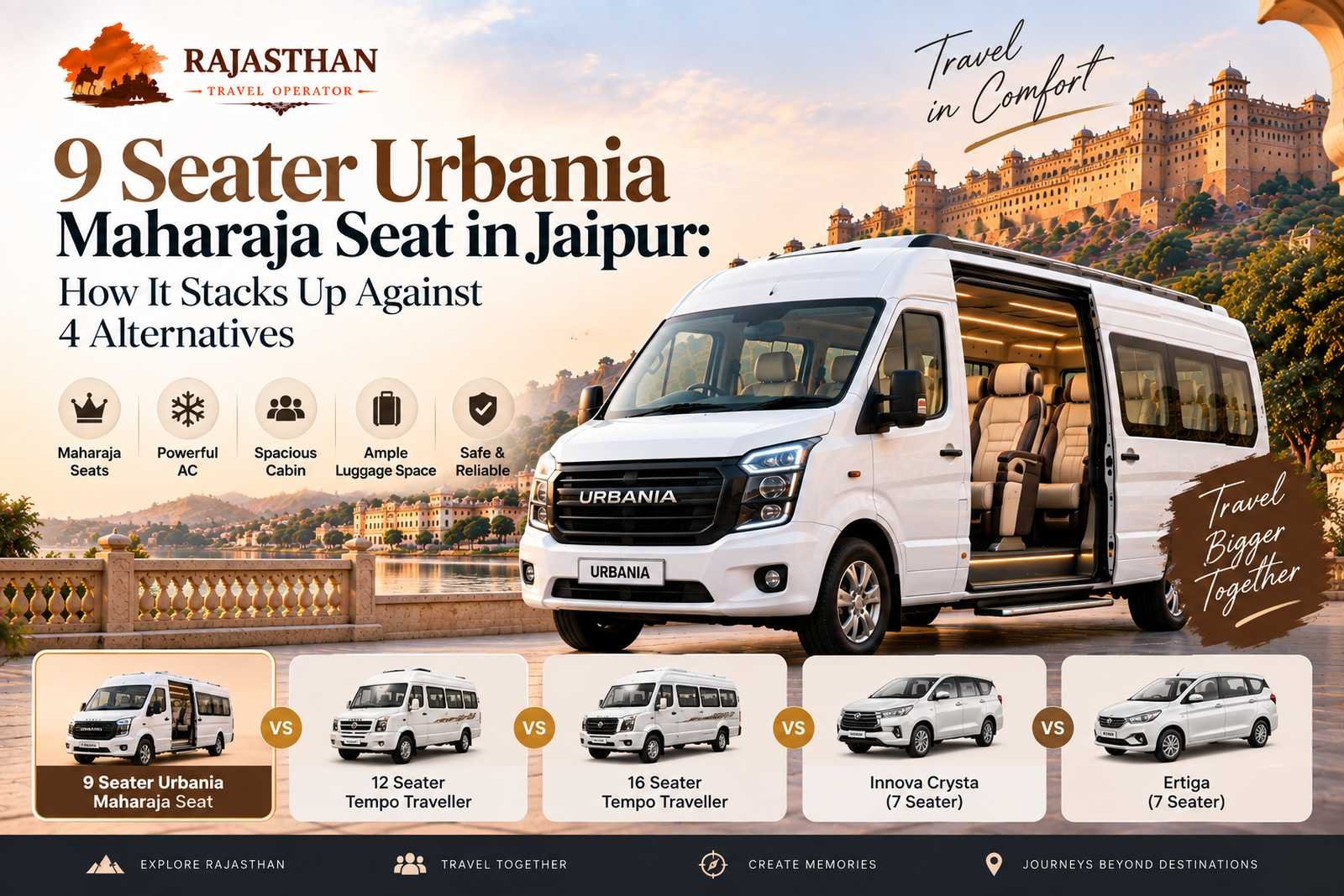
Almost nobody researching this vehicle is choosing it in isolation — they’re weighing it against two or three other options that could plausibly work for the same trip. This runs that comparison directly, alternative by alternative, so you can see exactly where this specific configuration wins, where it loses, and where the choice genuinely comes down to personal priority rather than one option being objectively better.
Alternative 1: The Standard 9 Seater Tempo Traveller
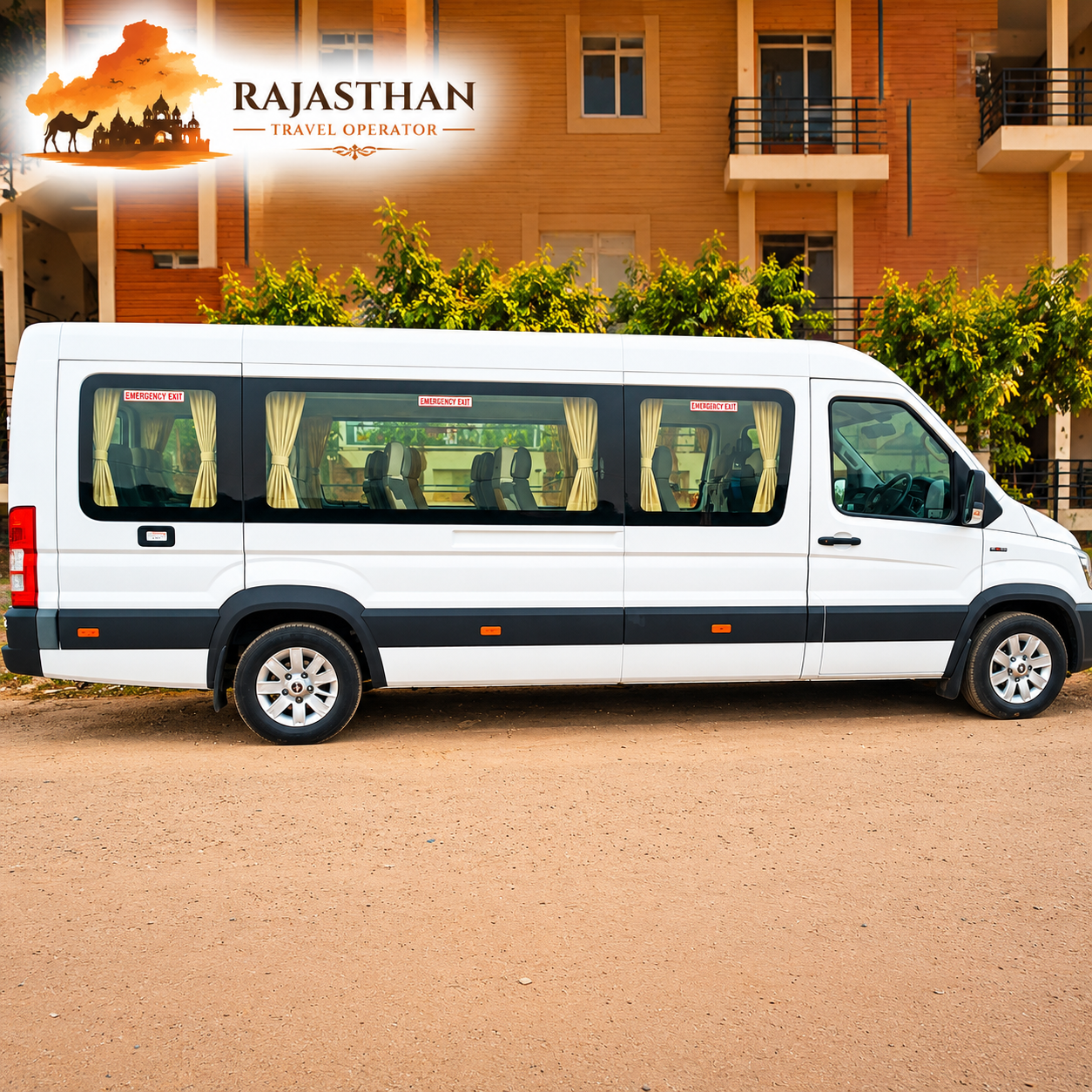
Where the standard version wins: Luggage, decisively. The 9 seater tempo traveller keeps its ladder-frame chassis and roof carrier, meaning a group with real multi-day bags has somewhere to put them beyond the cabin. It’s also meaningfully cheaper, since you’re not paying for either the Urbania chassis premium or the Maharaja seating configuration.
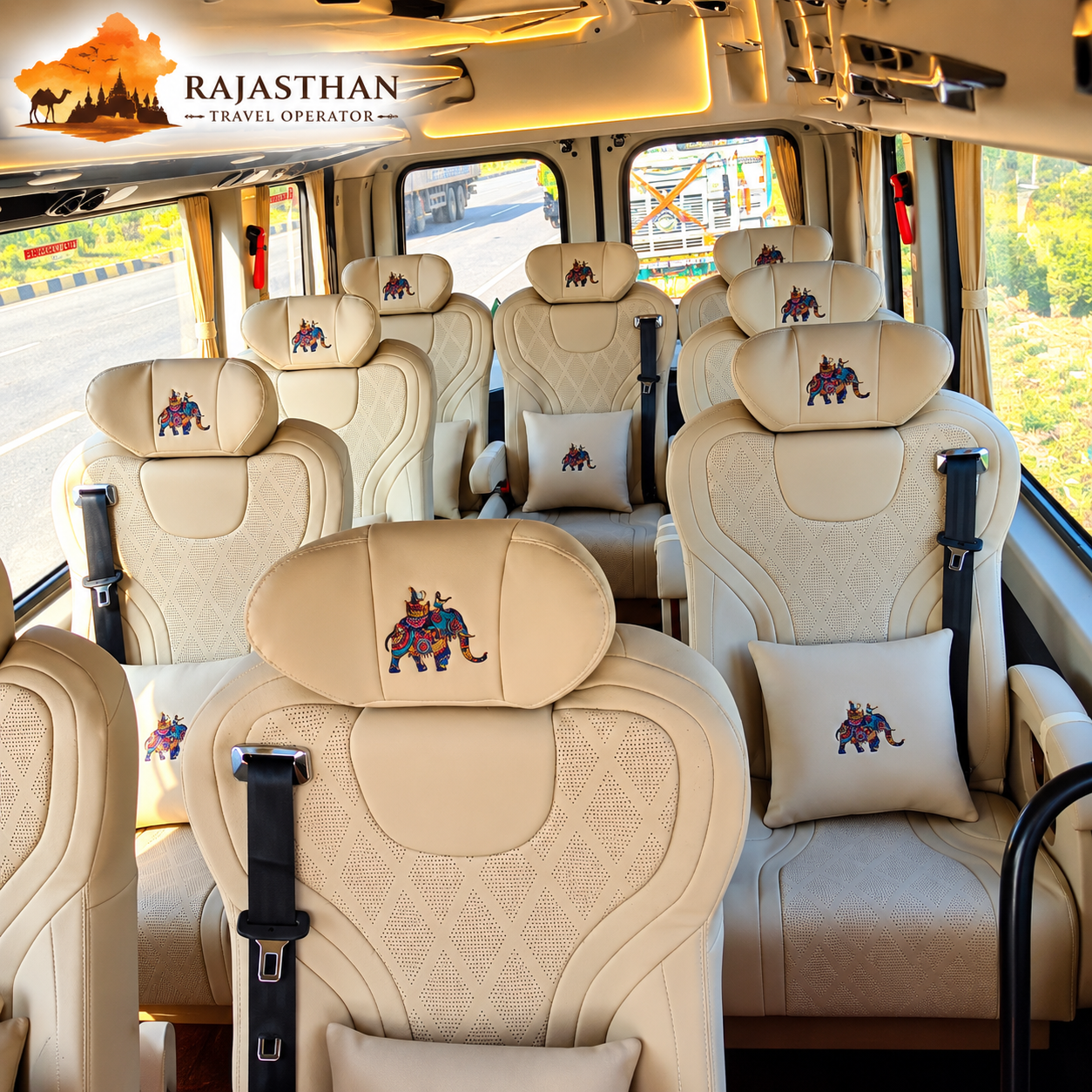
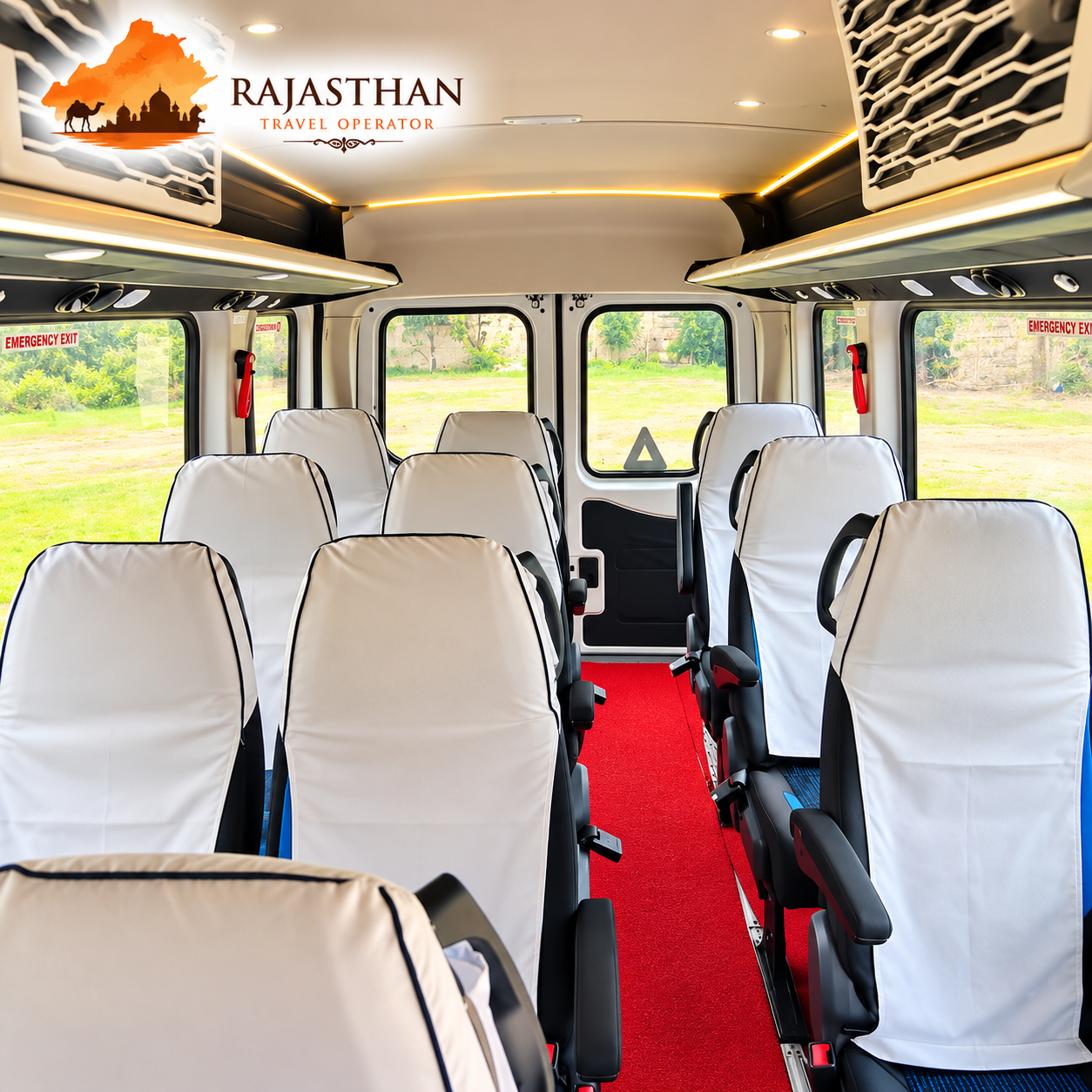
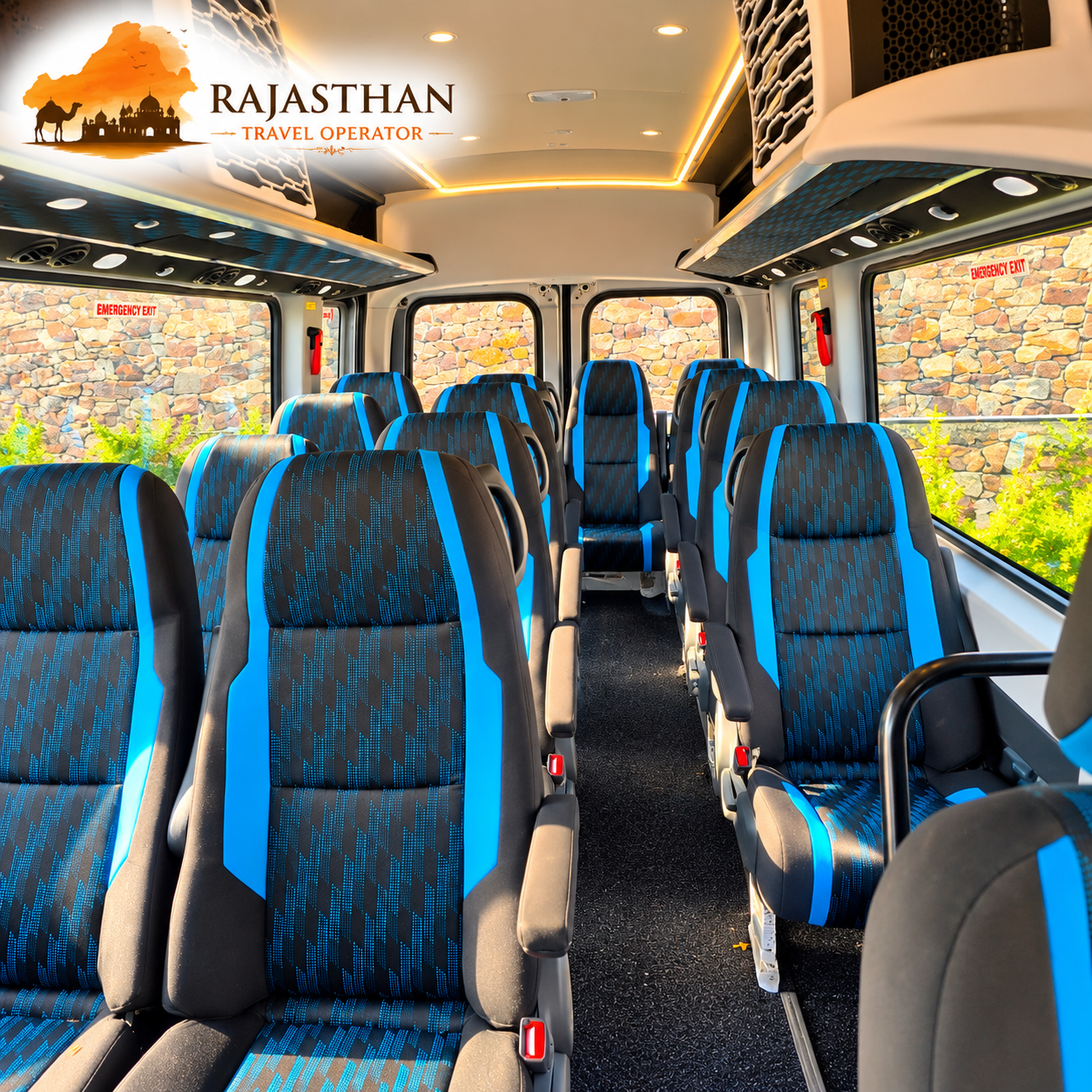
Where the Urbania Maharaja version wins: Ride quality and per-passenger space. The monocoque chassis rides more smoothly on long highway stretches, and the wider individual chairs offer more room than standard rows, even on the same nine-passenger count.
The actual deciding factor: Luggage volume, almost every time. If your group is travelling light — a short trip, minimal bags — the Urbania Maharaja option’s comfort advantages are close to free, since you’re not sacrificing much luggage capacity you’d otherwise use. If your group has real, multi-day bags, the standard version’s roof carrier usually matters more than the comfort upgrade.
Alternative 2: The 10 Seater Tempo Traveller
Where the 10 seater wins: Slightly more capacity at a similar or lower cost, plus the same roof carrier advantage as the standard 9 seater above. If your group is closer to ten passengers, this size fits more naturally than squeezing into nine Maharaja seats — or paying a premium for a configuration built for fewer people than you actually have.
Where the Urbania Maharaja version wins: For groups genuinely at or under nine, the 10 seater tempo traveller offers no real advantage — you’d just be paying for an extra unused seat on a standard vehicle rather than getting the comfort upgrade this configuration provides.
The actual deciding factor: Your confirmed headcount relative to nine. Right at or under nine with light luggage, the Urbania Maharaja option makes sense. At exactly ten, or with genuinely heavier bags, the standard 10 seater is usually the more sensible choice.
Alternative 3: The 12 Seater Urbania
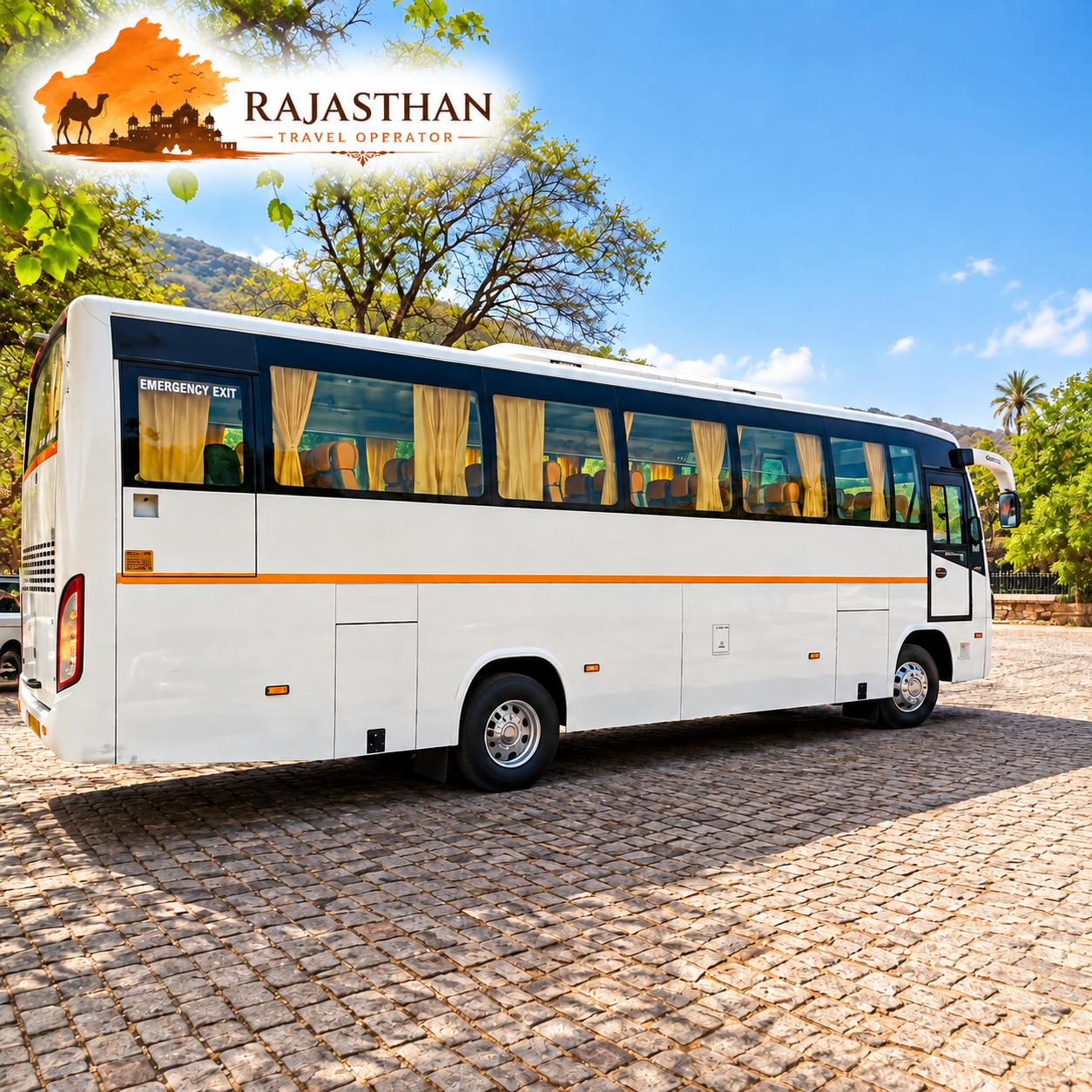
Where the 12 seater Urbania wins: More total capacity on the same general chassis and ride-quality profile, useful if your group is closer to eleven or twelve rather than a tight nine. It’s also worth considering if you want the Urbania’s smoother ride but don’t specifically need the widest possible individual seating — standard Urbania rows still offer more comfort than a standard chassis’ tighter layout.
Where the 9 seater Urbania Maharaja version wins: Genuinely maximum personal space per passenger. Even against the standard-row 12 seater Urbania, the Maharaja configuration’s wider individual chairs and greater row spacing offer more room per person, since fewer total seats are competing for the same cabin length.
The actual deciding factor: Whether your group specifically wants the widest possible seating, or just a comfortable, reasonably-spaced Urbania ride at a slightly larger capacity. A couple or small family prioritising maximum comfort leans toward the Maharaja version; a group of ten to twelve wanting Urbania comfort without paying a premium for space they won’t fully use leans toward the standard 12 seater layout.
Alternative 4: The Maharaja Seat Tempo Traveller on a Standard Chassis
Where the standard-chassis Maharaja version wins: This is the closest genuine competitor, since it offers the same wide individual seating concept without the Urbania’s luggage limitation. A Maharaja seat tempo traveller on a ladder-frame chassis keeps its roof carrier, meaning you get the comfort upgrade of wider seating without sacrificing luggage flexibility — arguably the best of both worlds for a group that wants both.
Where the Urbania Maharaja version wins: Ride quality specifically. The monocoque chassis still rides more smoothly on long highway stretches than any standard-chassis vehicle, wide seating or not. If ride smoothness matters as much as seat width to your group, this is the one genuine advantage the Urbania version holds over its closest standard-chassis competitor.
The actual deciding factor: How much you value ride quality specifically, independent of seat width. If wide, comfortable seating is your only priority and you have real luggage, the standard-chassis Maharaja option usually wins outright — you get the comfort upgrade and the roof carrier. If a smoother highway ride specifically matters on top of the wider seating, and your luggage is light enough to manage, the Urbania version is the only option that delivers both.
A Simple Way to Use This Comparison
Work through these four questions in order. Is your confirmed group size at or under nine? If not, look at the 10 or 12 seater alternatives instead of squeezing into this configuration. Is your luggage genuinely light — day bags rather than a week’s worth of suitcases? If your bags are heavy, the luggage-related alternatives above almost certainly serve you better regardless of comfort preferences. Do you specifically want the widest possible individual seating, or would a standard Urbania layout at slightly higher capacity work just as well? And finally, does ride smoothness matter enough to you, beyond seat width alone, to justify giving up the roof carrier that a standard-chassis Maharaja option would keep?
If your answers are: small confirmed group, light luggage, maximum seat width matters, and ride quality matters beyond just seat comfort — this specific configuration is very likely your best option among all four alternatives. If any of those answers point the other way, one of the alternatives above is probably the better fit, and it’s worth pricing it out before committing.
What All Five Options Have in Common
Every one of these five vehicles — this configuration and its four alternatives — sits somewhere on the same two axes: how much personal comfort and space you’re prioritising, and how much luggage flexibility you need. None of them is universally better; they’re positioned differently along those two axes, and the right choice is simply the one that matches where your specific trip actually falls. It’s also worth checking whether a luxury Urbania tempo traveller or luxury tempo traveller trim is available on whichever of these five you land on, since trim is a separate upgrade layered on top of all of this that’s worth considering once the core chassis and seating decision is made.
Full comparisons across the whole fleet, including larger sizes like the 16 seater Urbania and tempo traveller 12 seater if your group ends up bigger than any of these five options suit, are on the tempo traveller on rent page.
Frequently Asked Questions
Which alternative is the closest genuine competitor to this vehicle? The standard-chassis Maharaja seat tempo traveller, since it offers the same wide-seating comfort concept without the Urbania’s luggage limitation. The Urbania version’s one real edge over it is ride quality on long highway stretches.
Is this configuration ever a bad choice compared to all four alternatives? Yes, specifically for a group with heavy multi-day luggage or a headcount noticeably above nine — in either case, one of the four alternatives will almost certainly serve the trip better.
How much does luggage volume actually decide this comparison? More than almost any other factor. Nearly every alternative on this list exists specifically because it handles luggage differently than this configuration does, so it’s worth being honest about your bag count before comparing anything else.
Should I prioritise seat width or ride quality if I can’t get both? Depends on your route — if your trip is mostly short local hops, seat width matters more since ride quality differences barely show up on short distances. If your trip has genuine long highway legs, ride quality becomes more noticeable and might tip the decision toward the Urbania platform even with the luggage trade-off.
Is it worth paying for both this configuration and a luxury trim upgrade? Only if your trip genuinely justifies both — a long, occasion-based, light-luggage trip is where stacking both upgrades makes the most sense. For a shorter or more practical trip, one upgrade alone might be enough.
Final Word
Comparing this vehicle directly against its four closest alternatives makes the decision far clearer than evaluating it on its own merits in isolation. It’s the right choice specifically for a small, light-luggage group that wants both maximum seat width and a smoother highway ride — narrow the field using the questions above, and the right option among these five usually becomes obvious well before you contact an operator.