Why a Walkthrough Beats Another Spec List
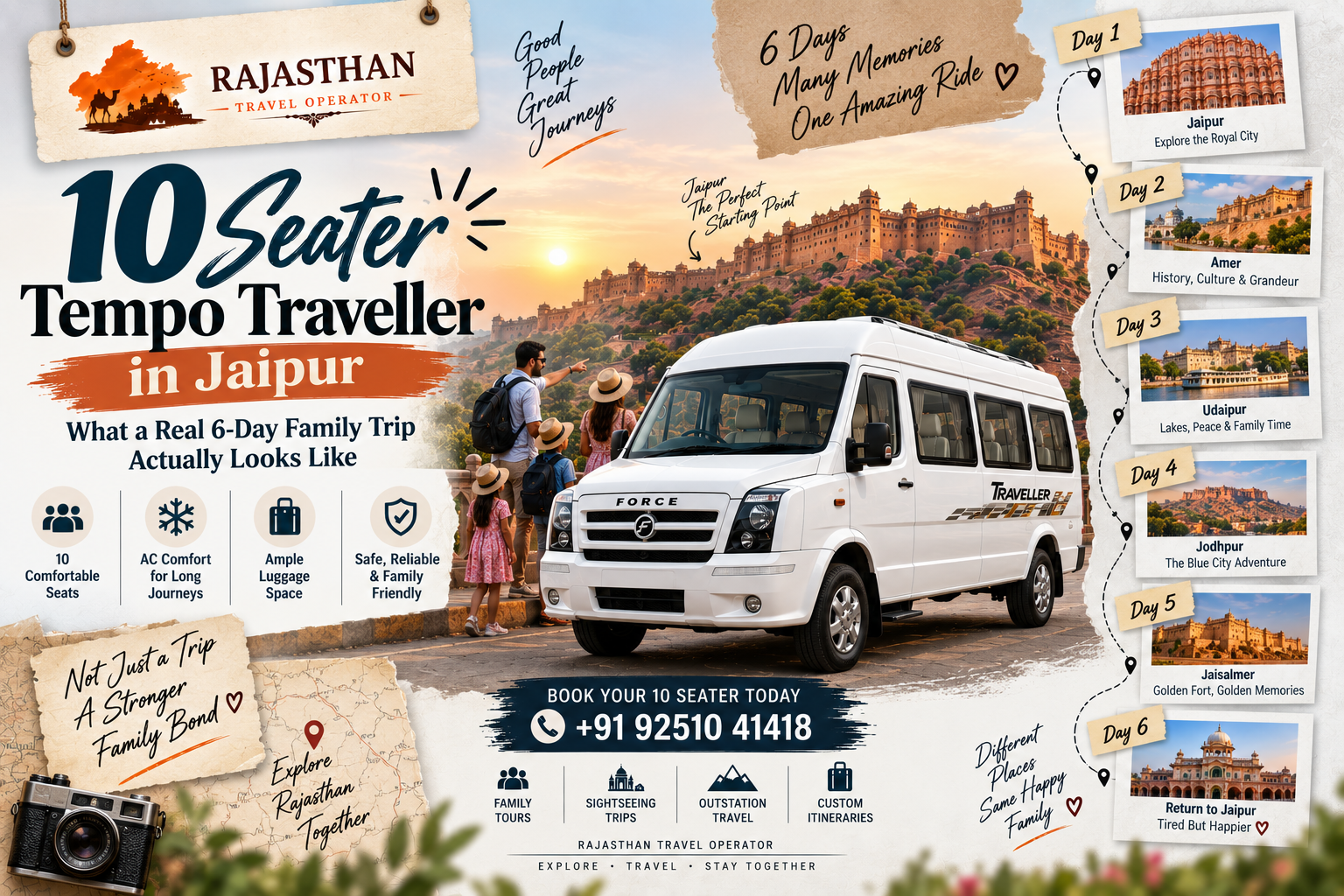
Most guides to this vehicle describe features in the abstract — seat count, roof carrier, trim options — without showing what an actual trip looks like day by day. This is that walkthrough instead: a realistic six-day Rajasthan circuit for a family of nine, using a 10 seater tempo traveller, with the practical decisions that come up at each stage rather than a features list read in isolation.
The Group and the Planning Conversation
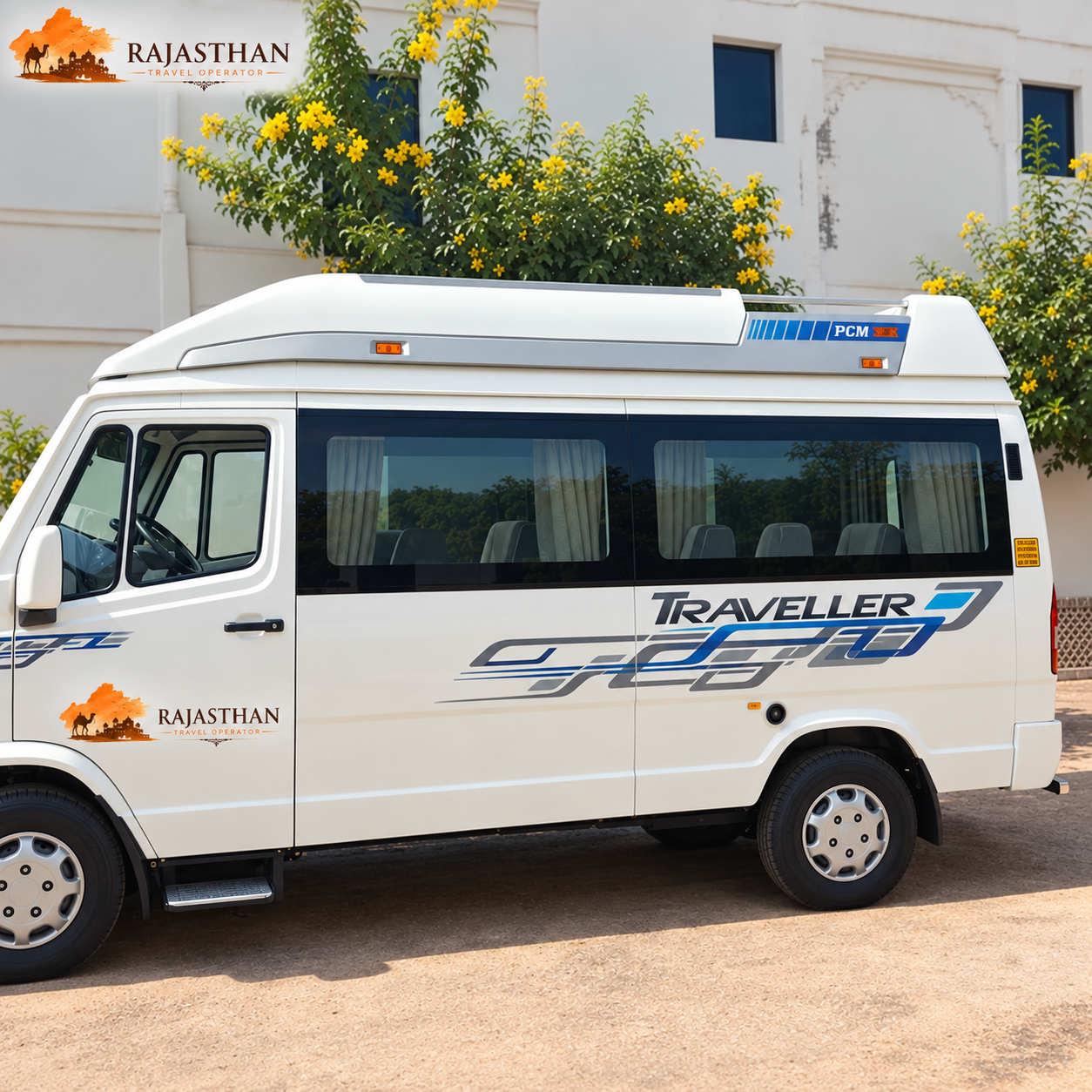
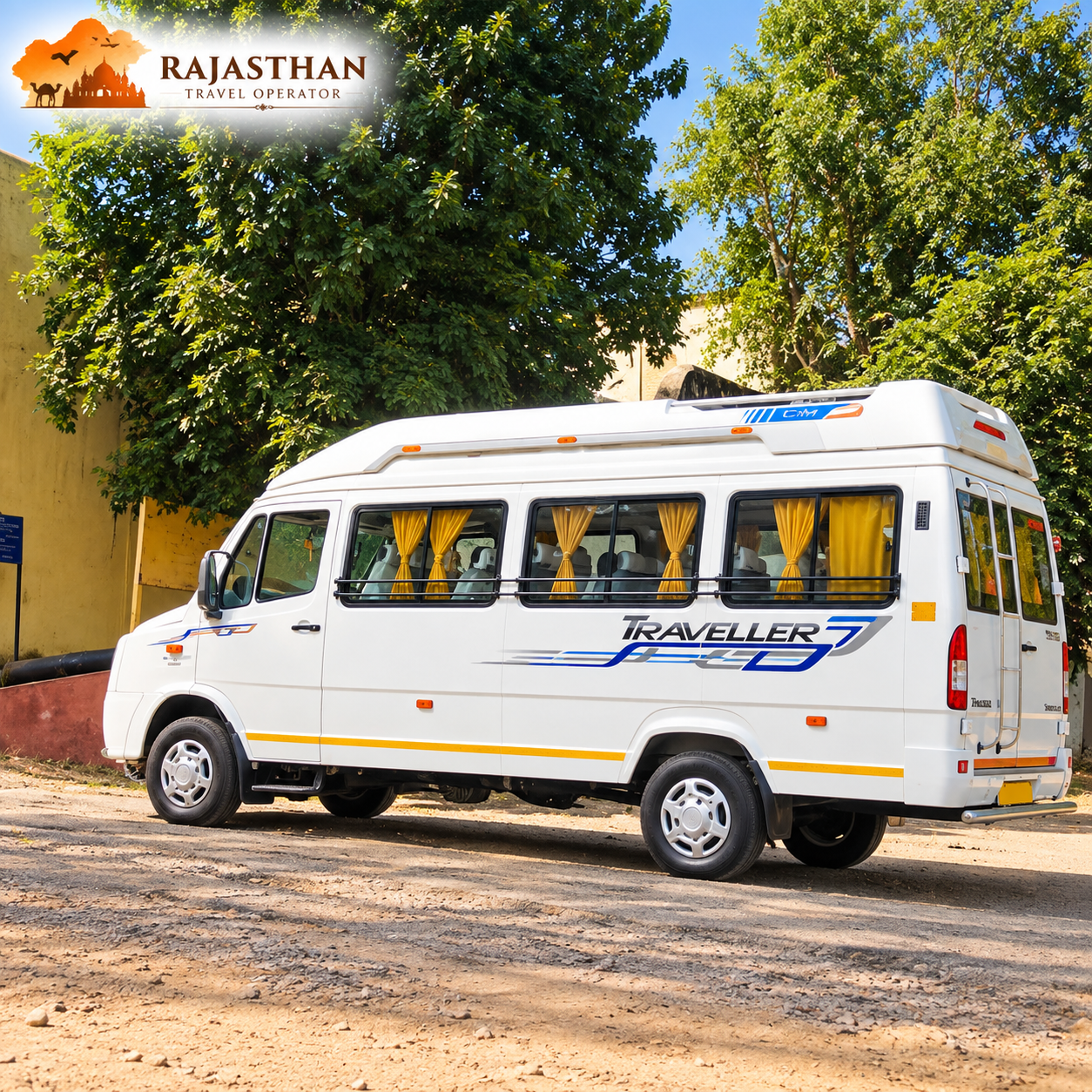
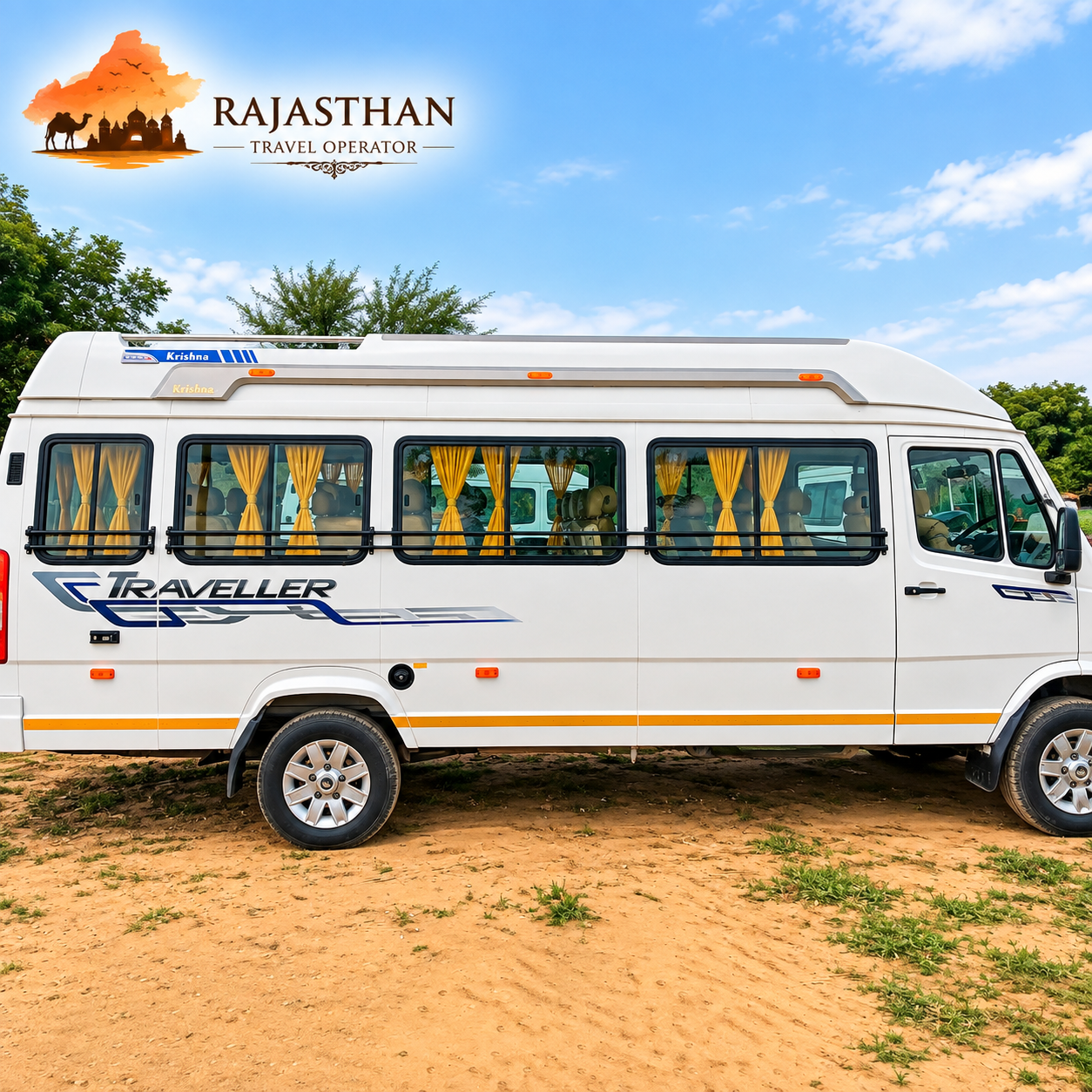
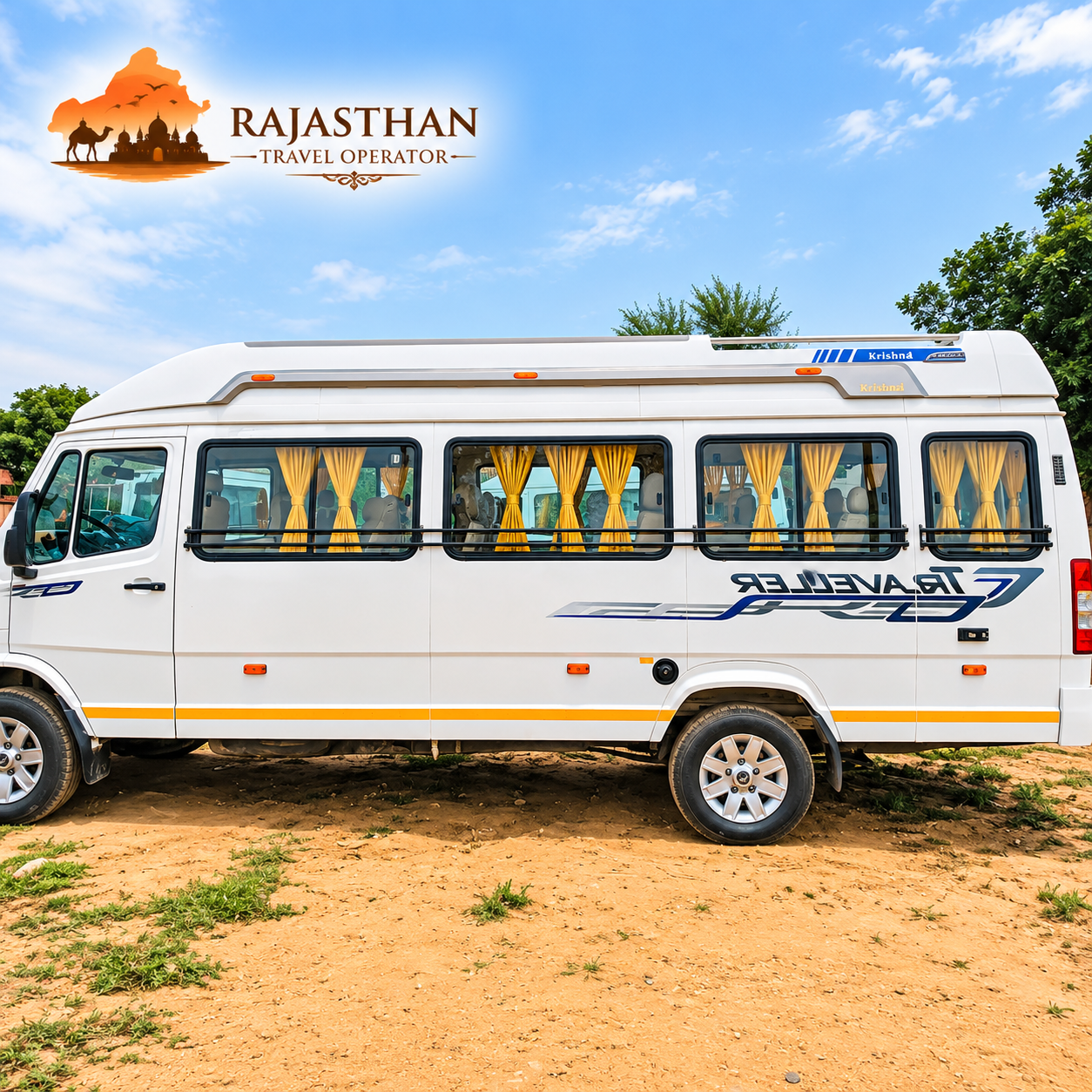
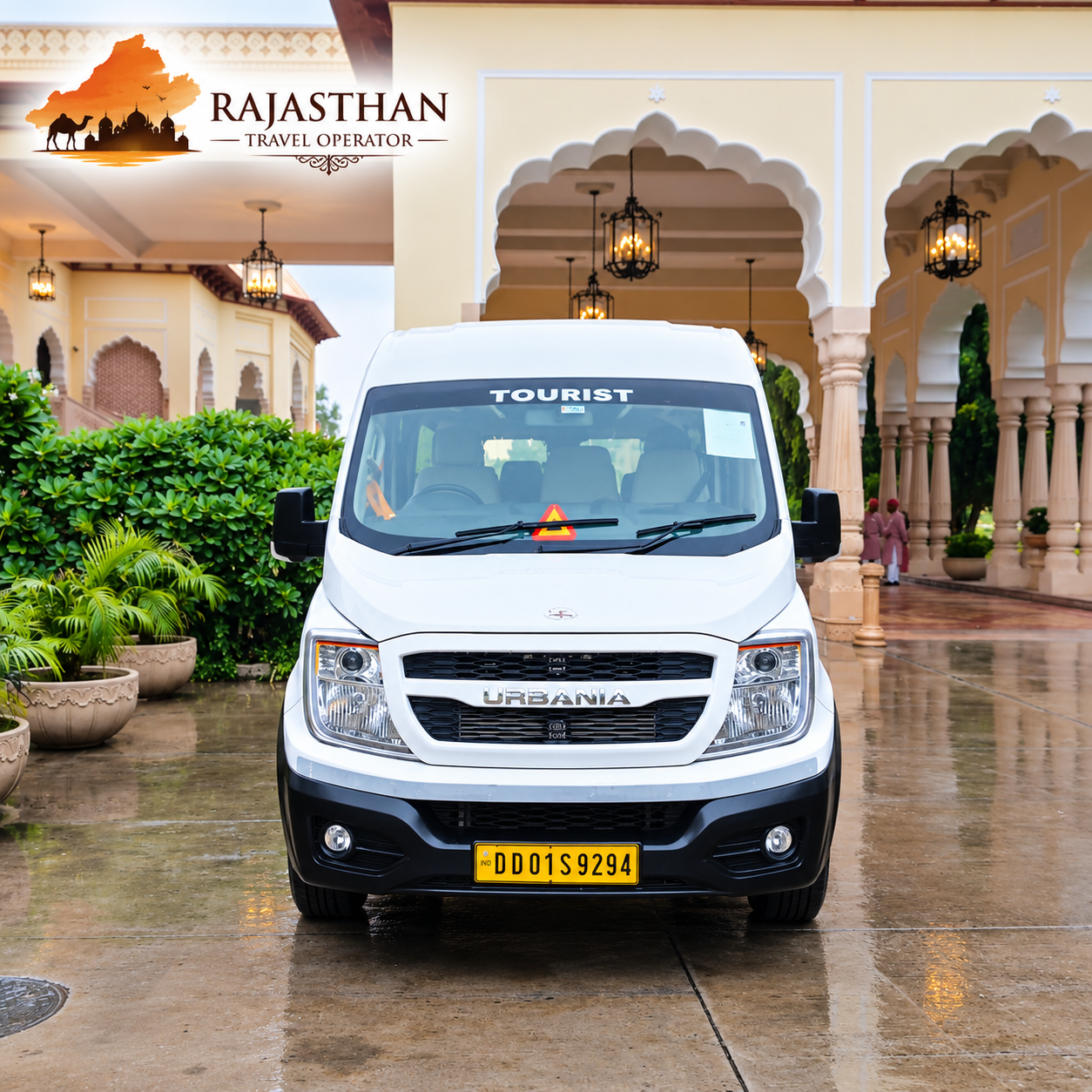
Picture a family of nine — two grandparents, three adult siblings with their spouses, and two teenagers — planning a six-day loop covering Jaipur, Jodhpur, Jaisalmer, and Udaipur before returning home. This is a genuinely bag-heavy trip: six days across four cities means real luggage for everyone, formal clothes for a family function planned partway through the trip, and enough bags that the family specifically chose a standard chassis over the Urbania tempo traveller platform, precisely because they needed the roof carrier’s flexibility.
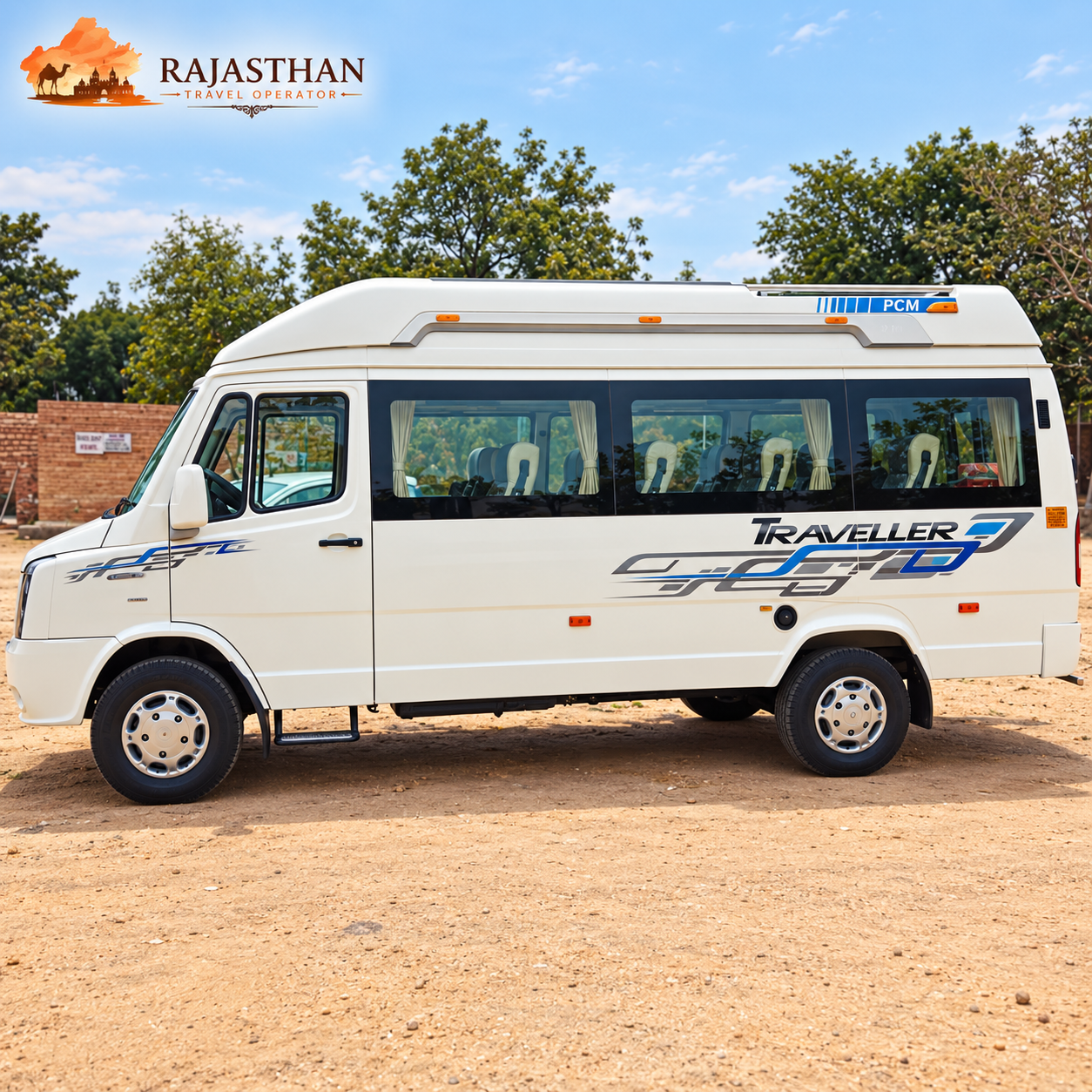
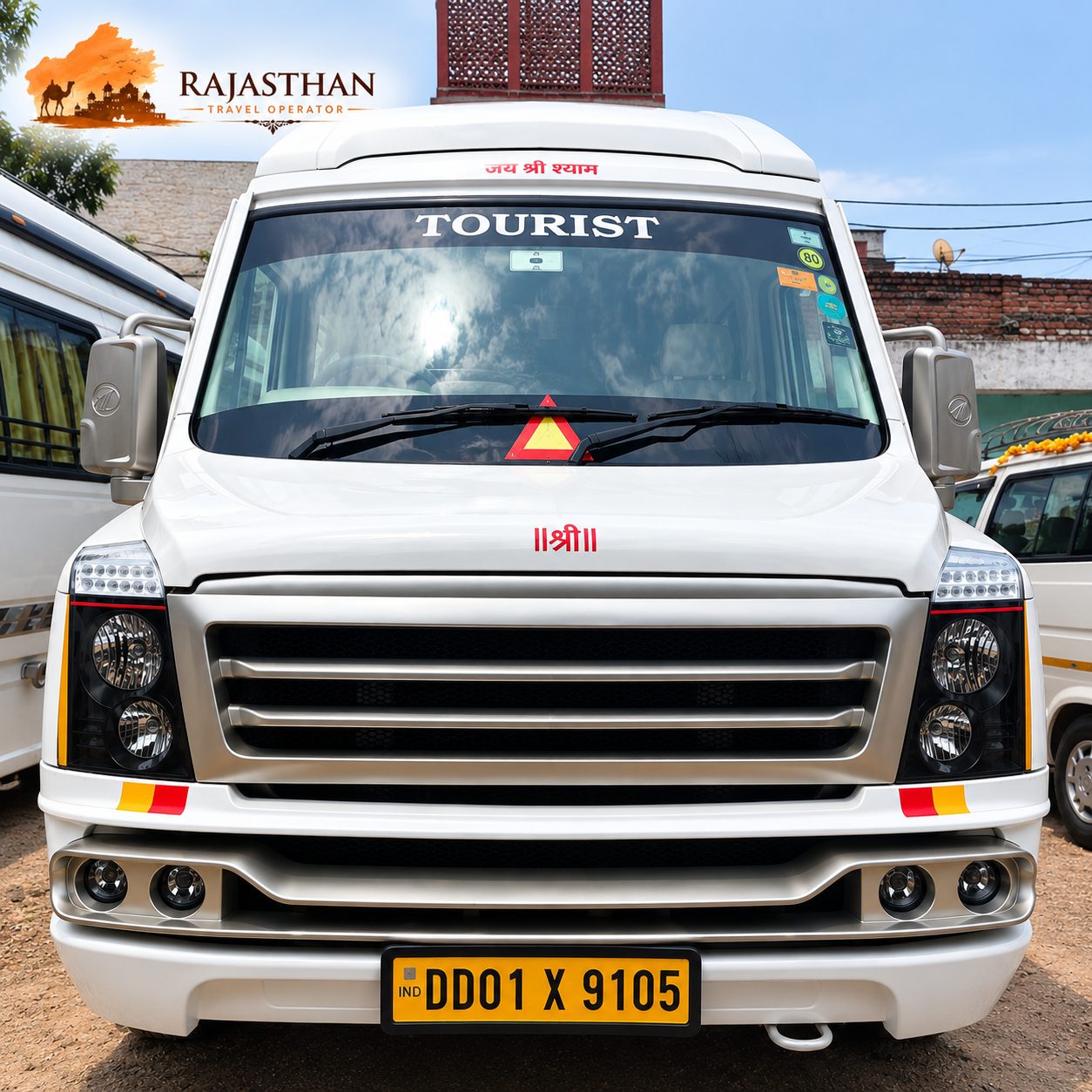
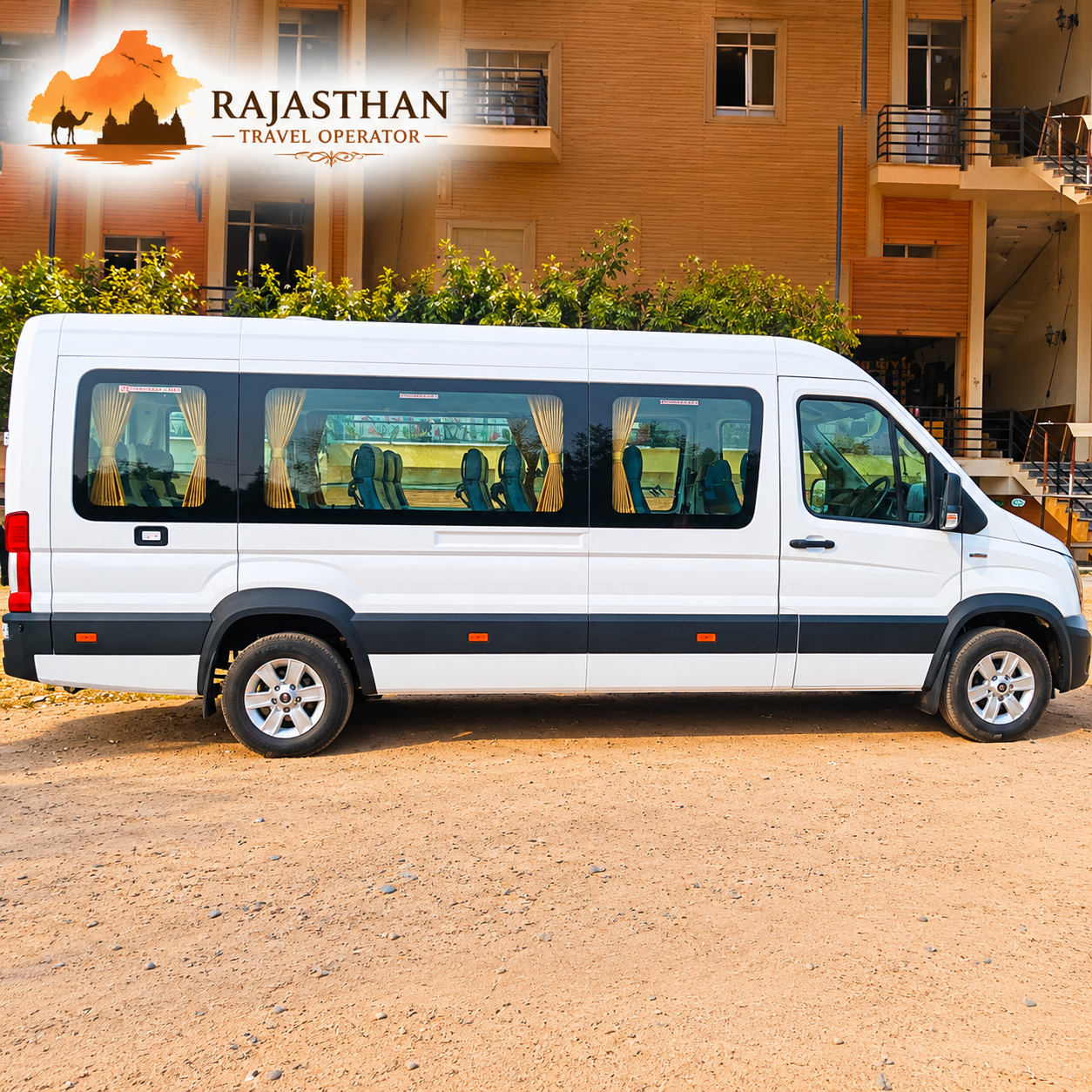
Before booking, the family had the one conversation that matters most with a multi-day circuit like this: confirming which exact body the ten seats were sitting in. They’d read that some fleets fit ten seats into a shorter body meant for fewer passengers, and specifically asked the operator for the model name, getting confirmation it was the longer-body version shared with the tempo traveller 12 seater range, reconfigured down by two rows. That single question shaped how comfortable the whole trip turned out to be.
Day One: Jaipur Pickup and Loading the Roof Carrier
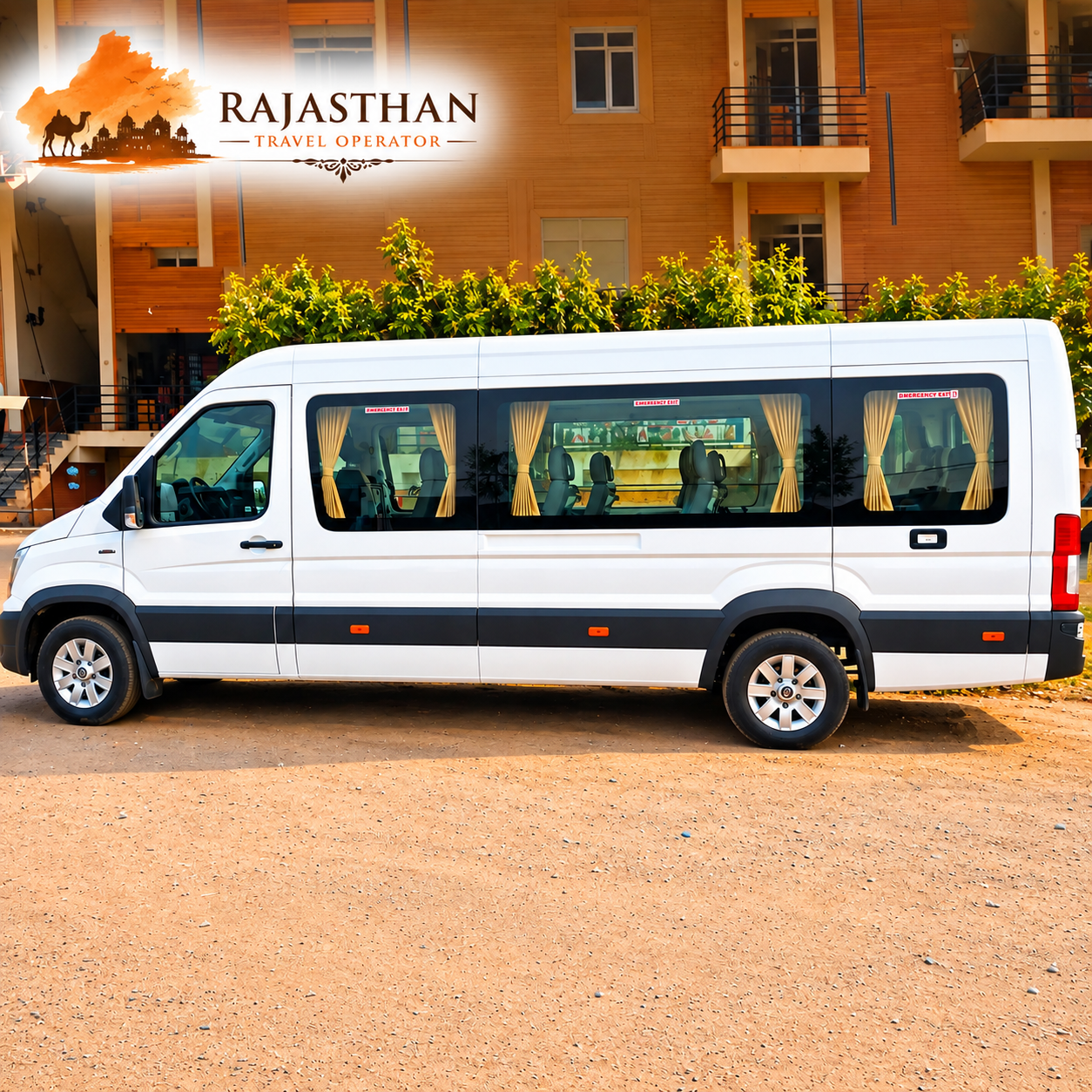
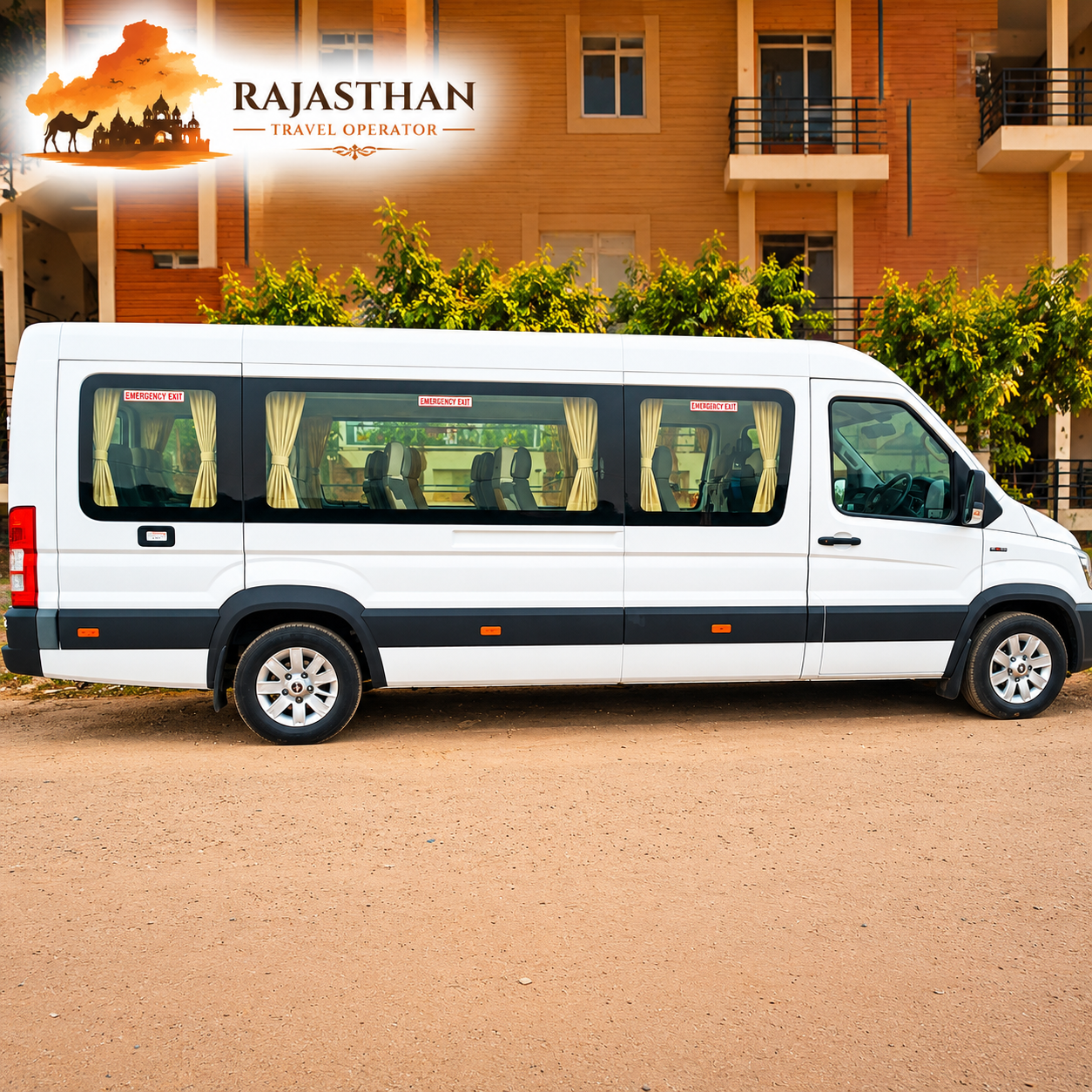
The vehicle arrived at the family’s Jaipur hotel in the morning, and the driver spent a genuine fifteen minutes properly loading and roping the roof carrier — nine large suitcases went up top, with day bags and a smaller overnight case kept inside the cabin for easy access. This is exactly the scenario where the standard chassis earned its place in the decision: nine adults with real multi-day luggage simply wouldn’t have fit comfortably inside a cabin with no roof storage.
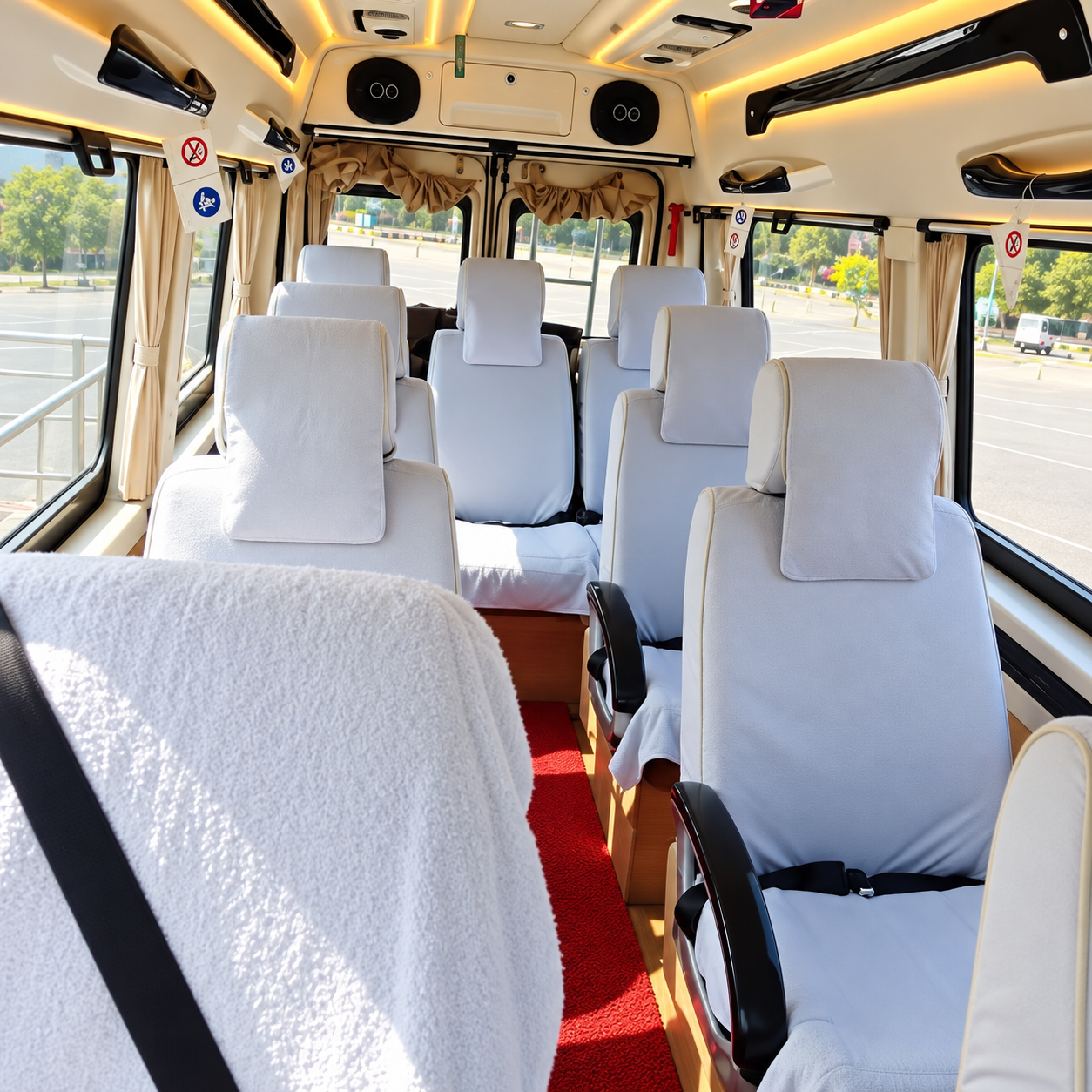
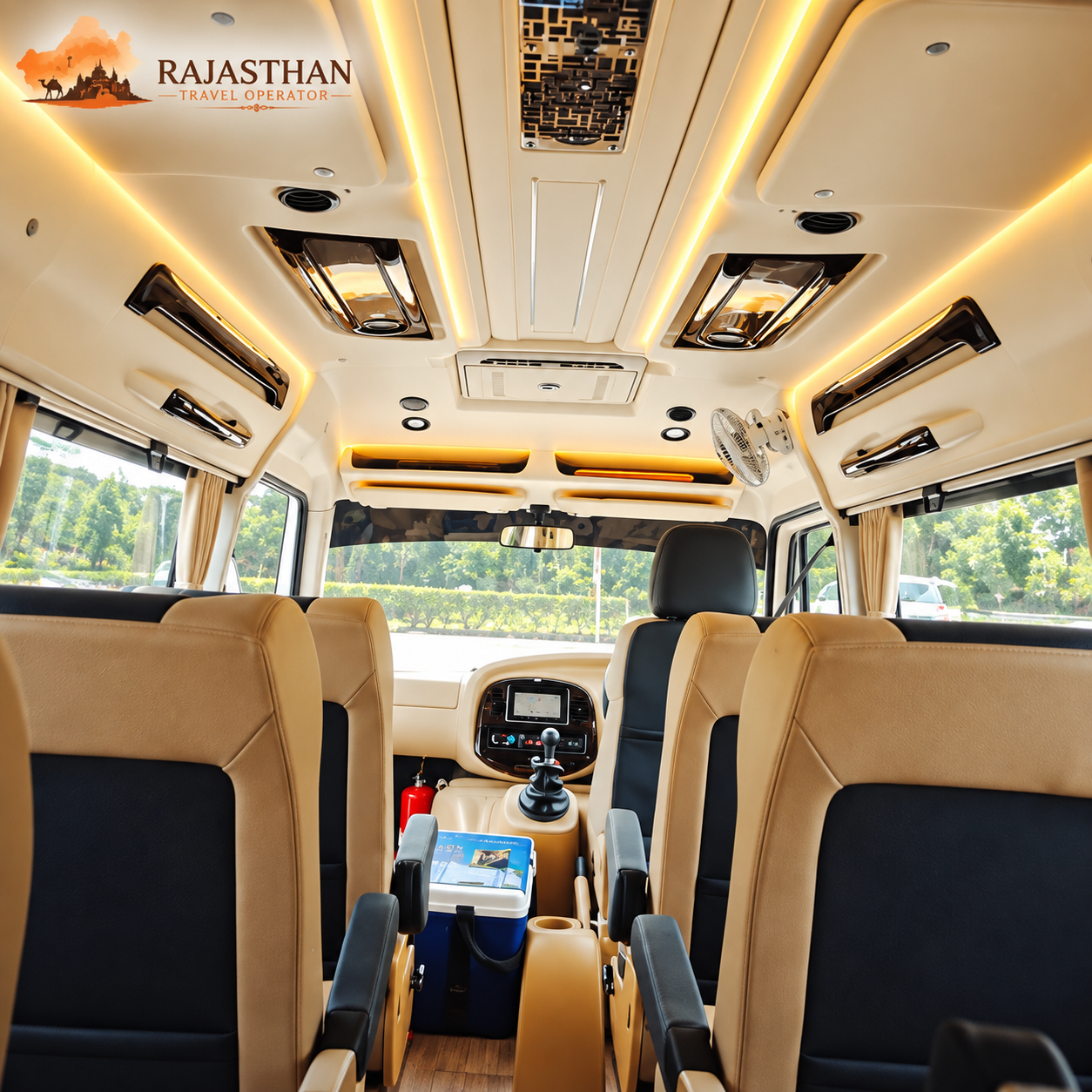
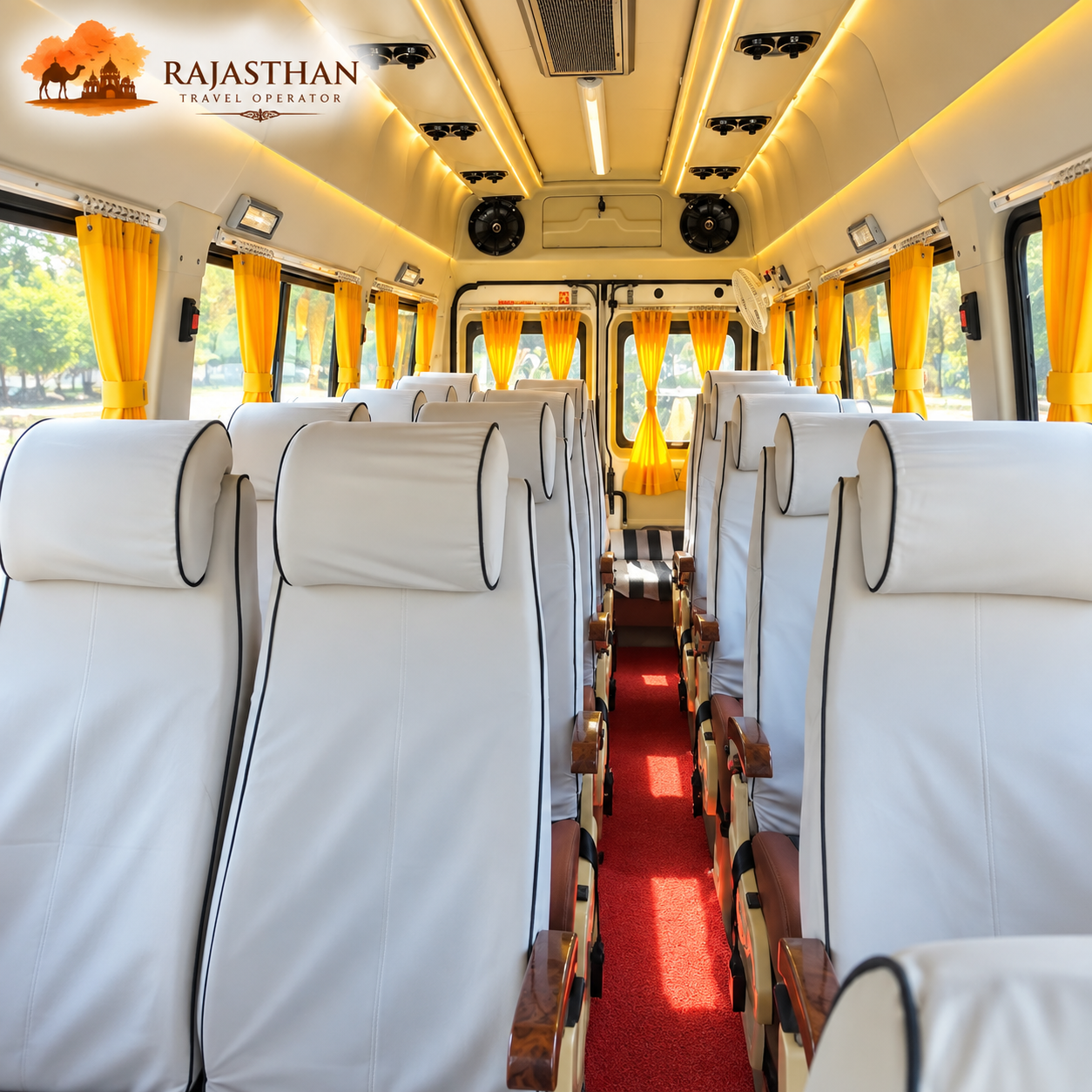
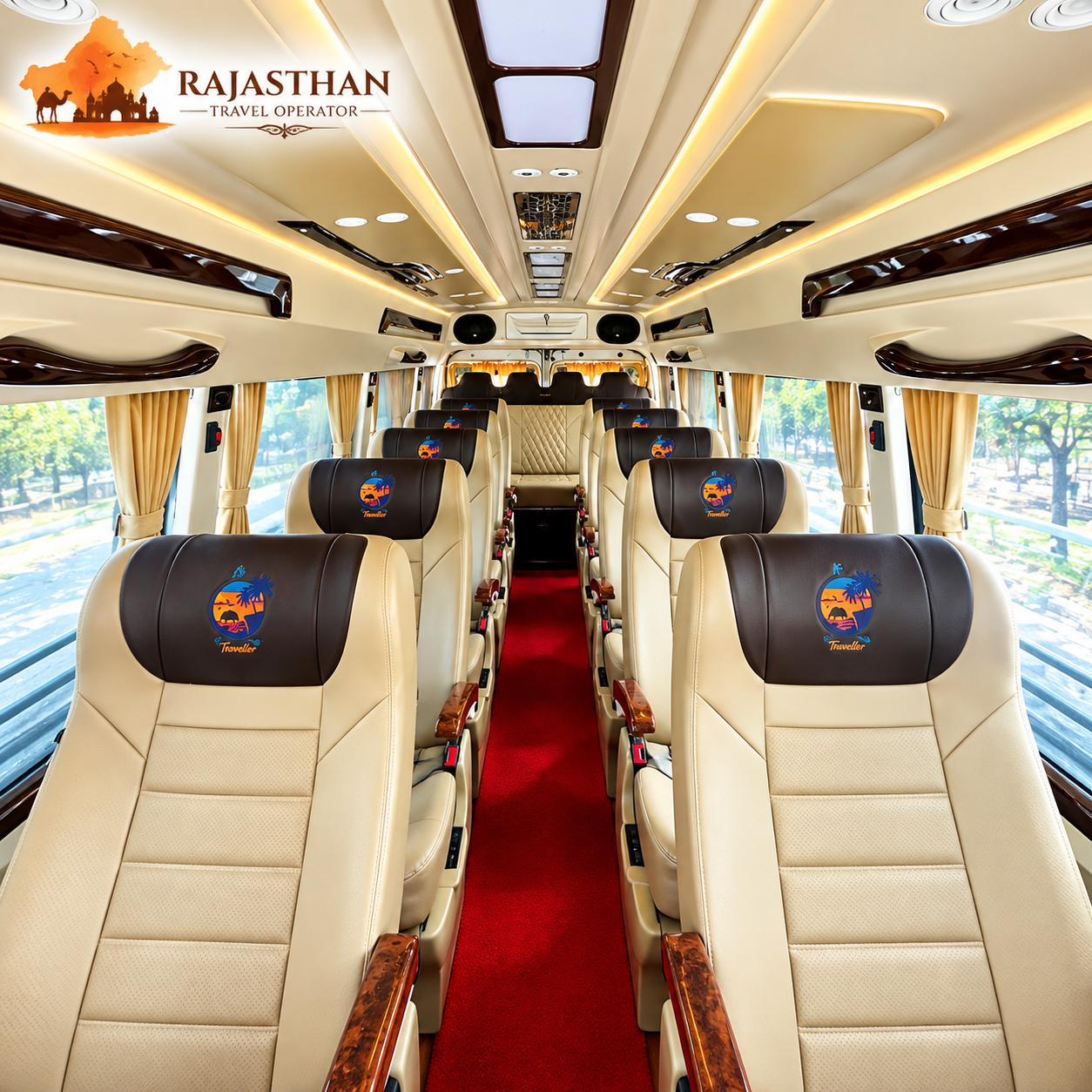
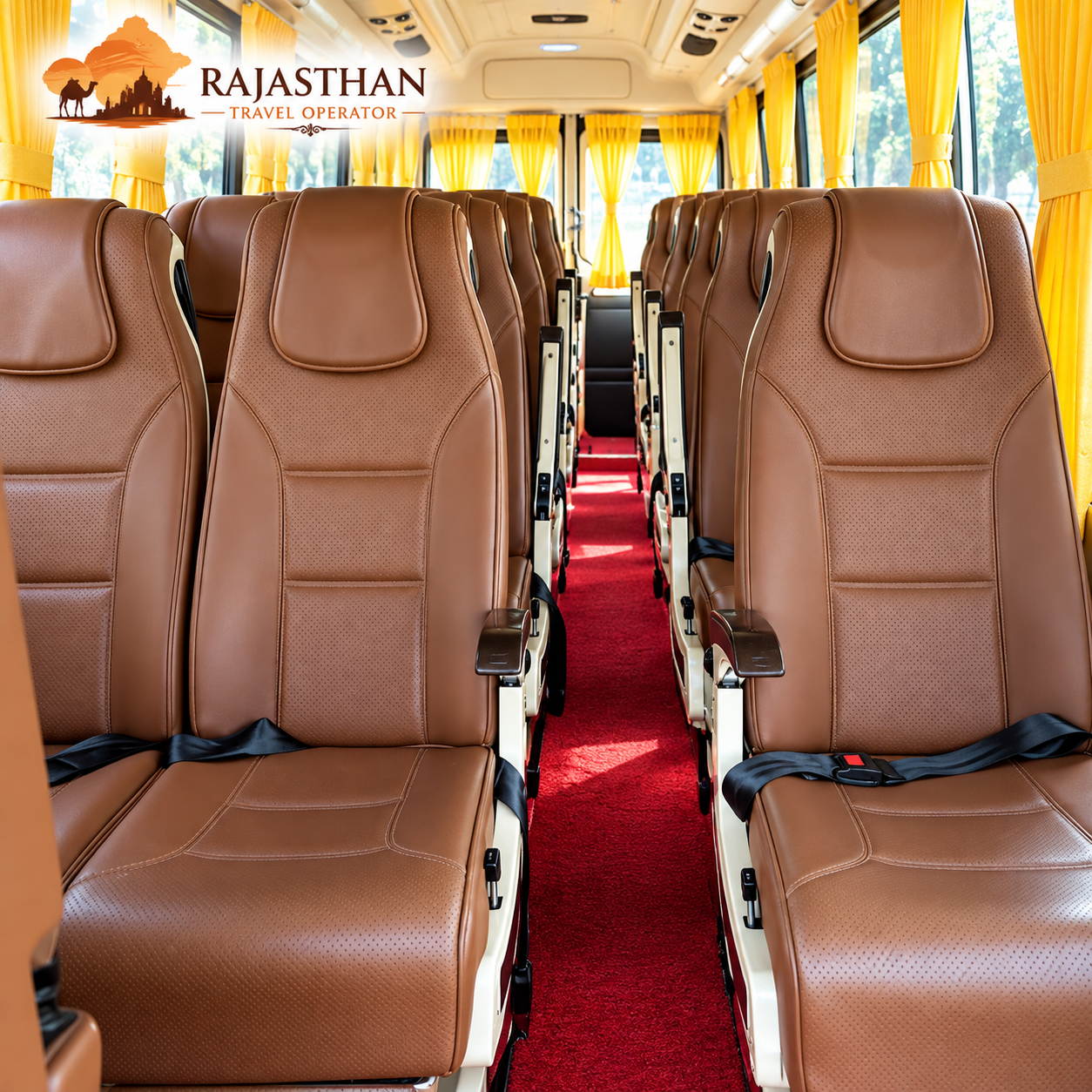
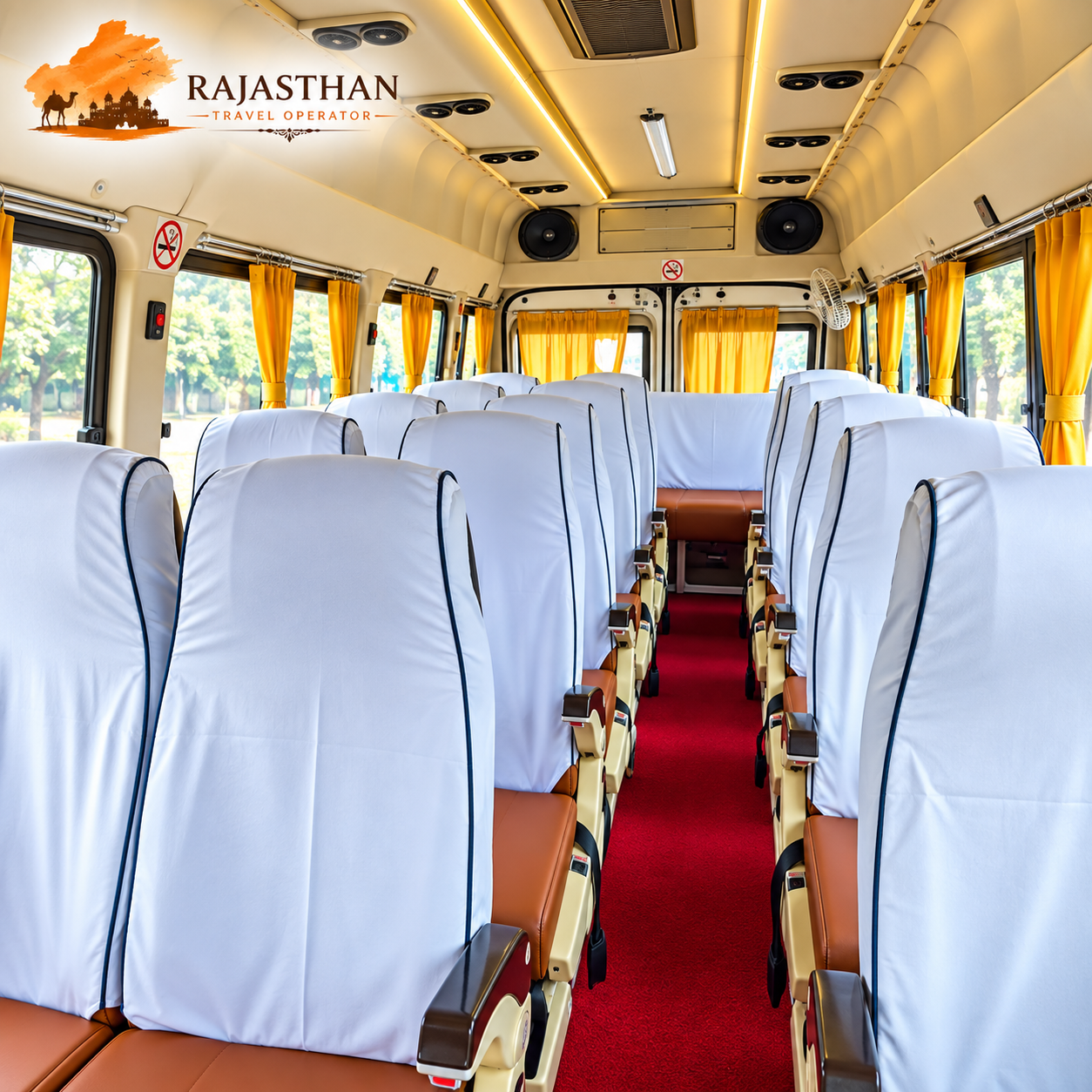
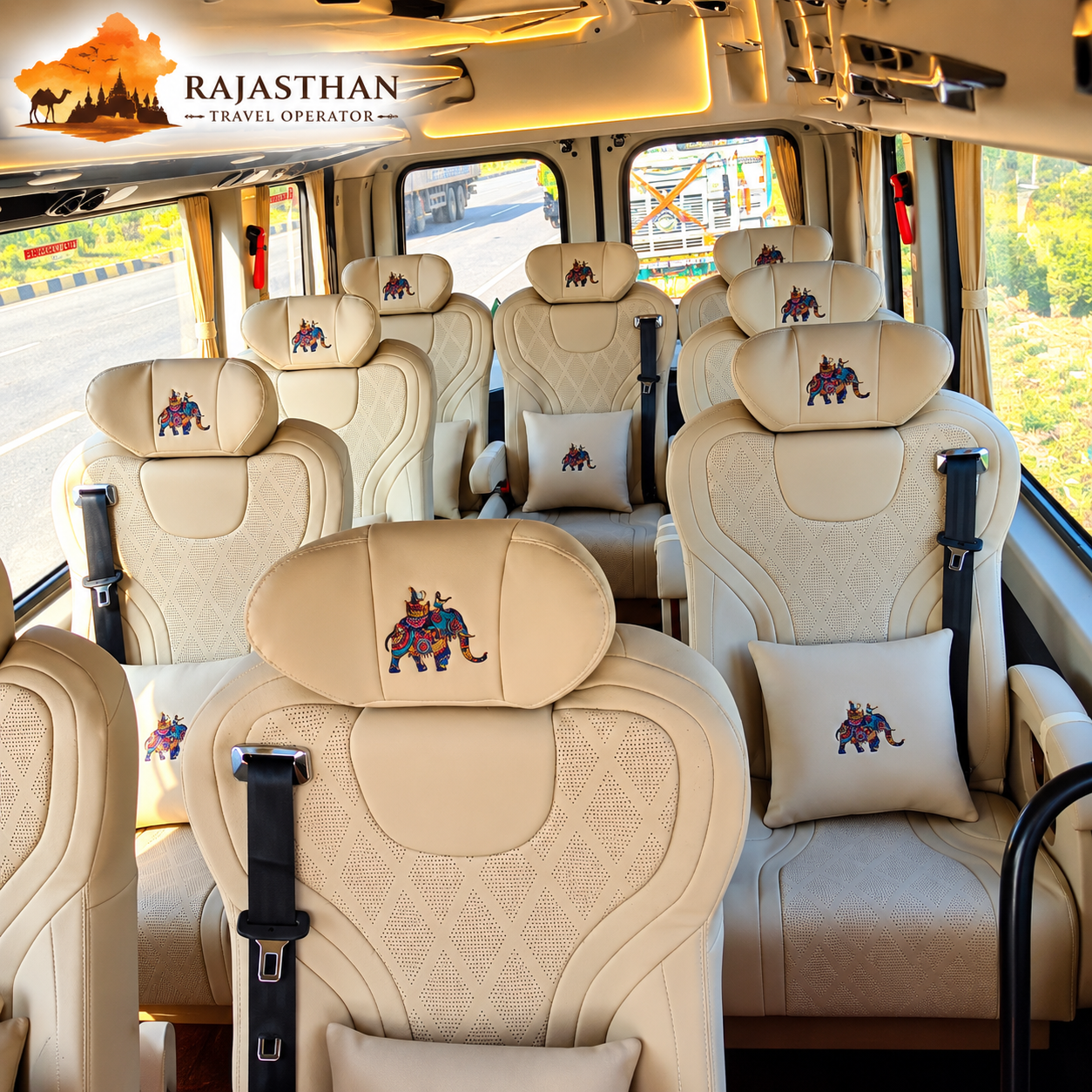
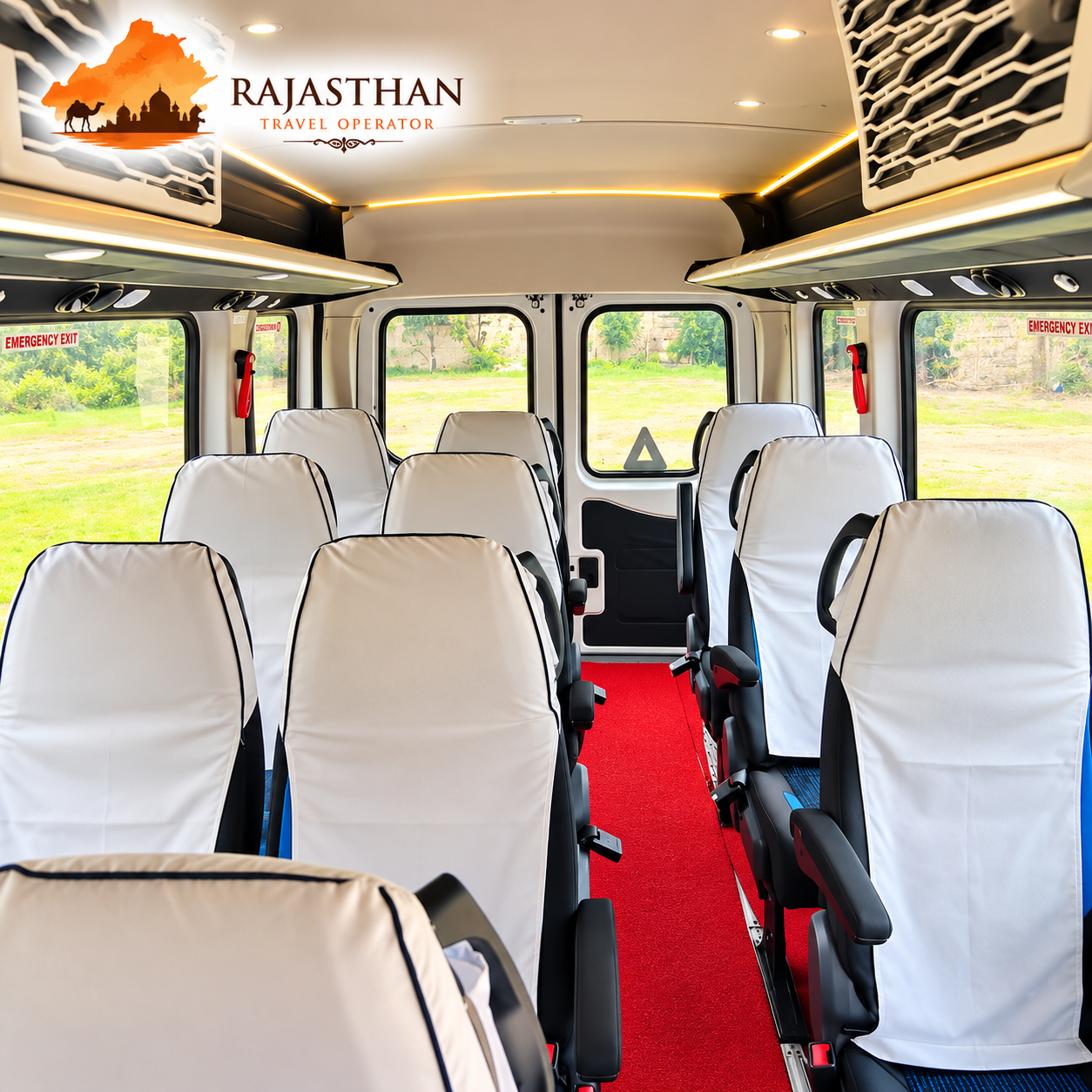
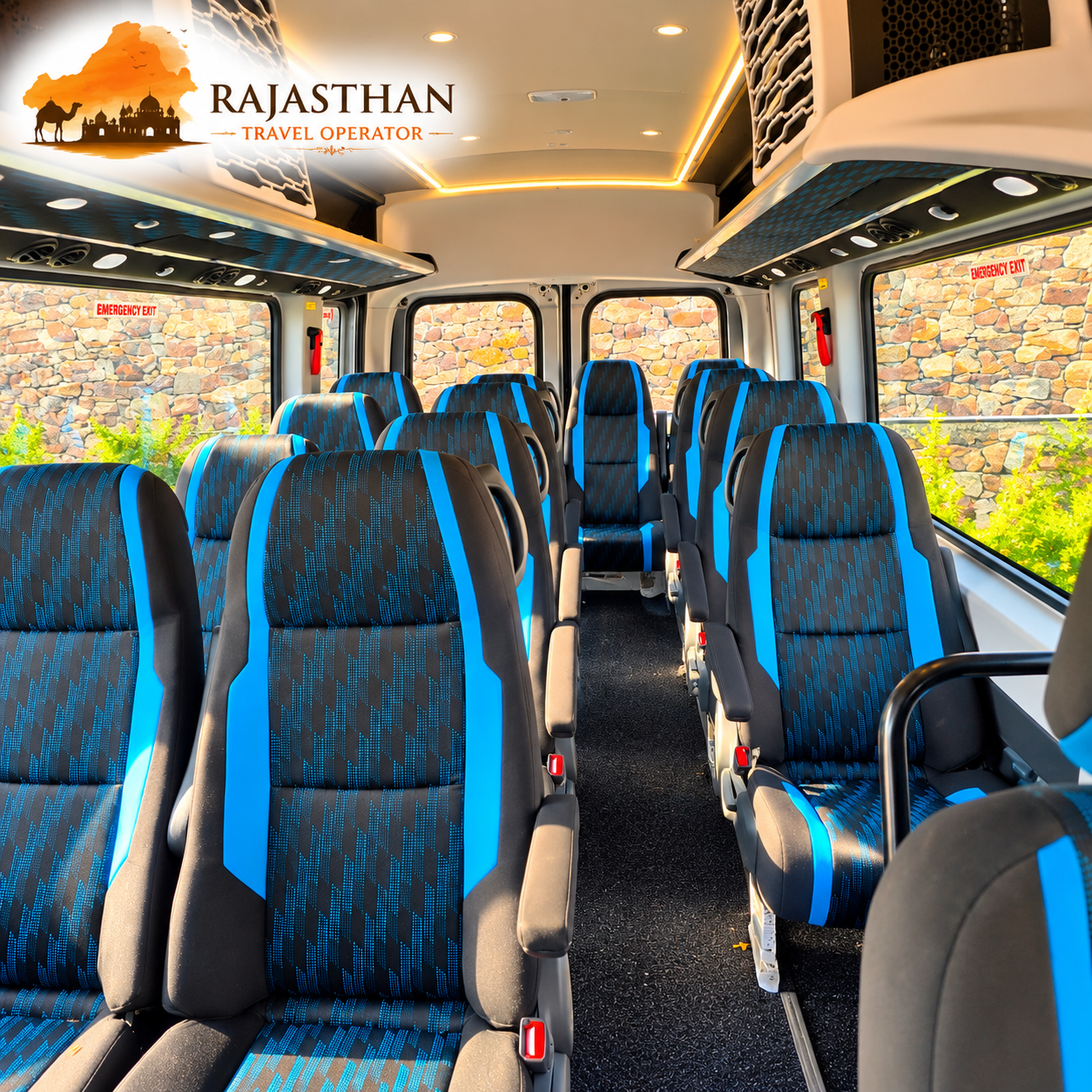
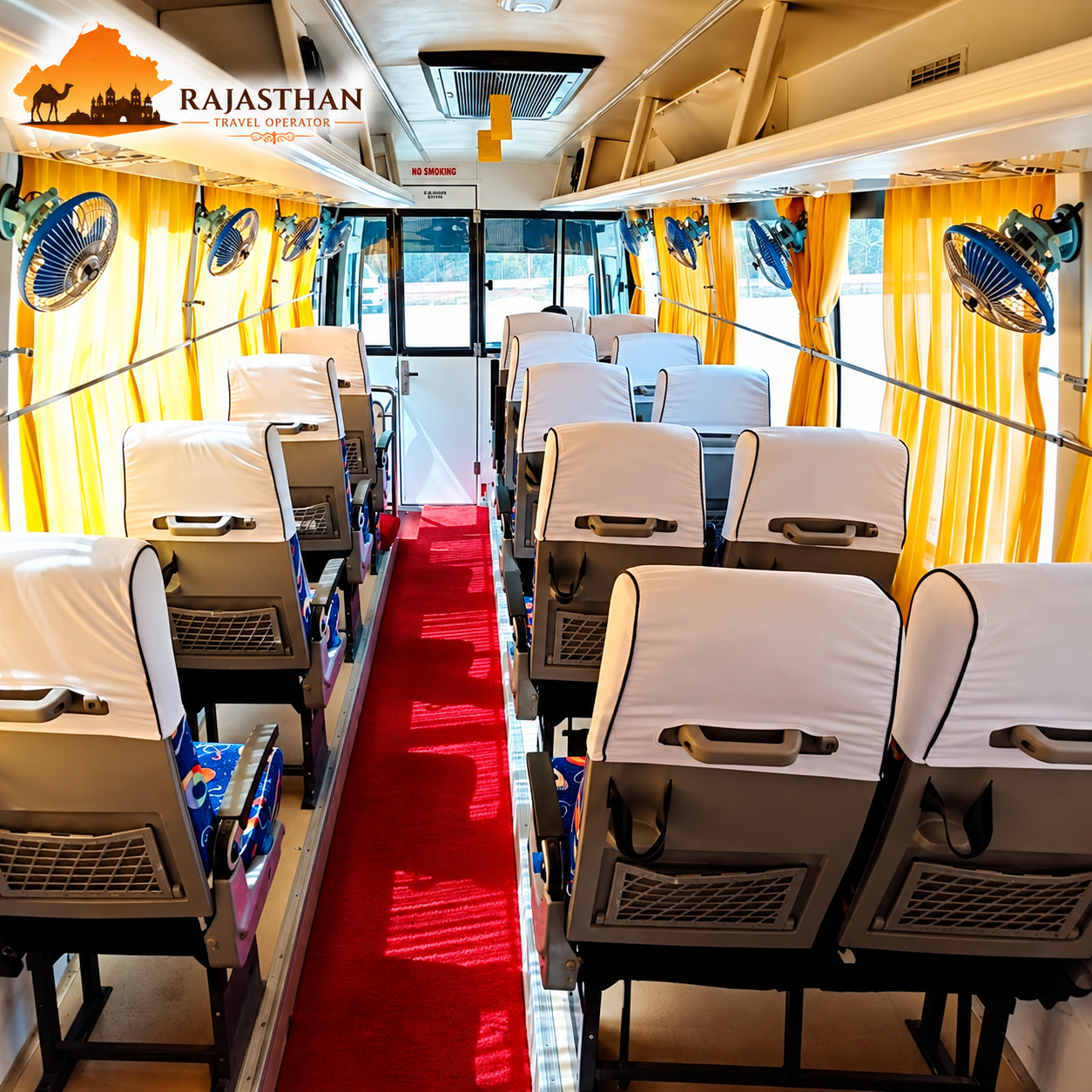
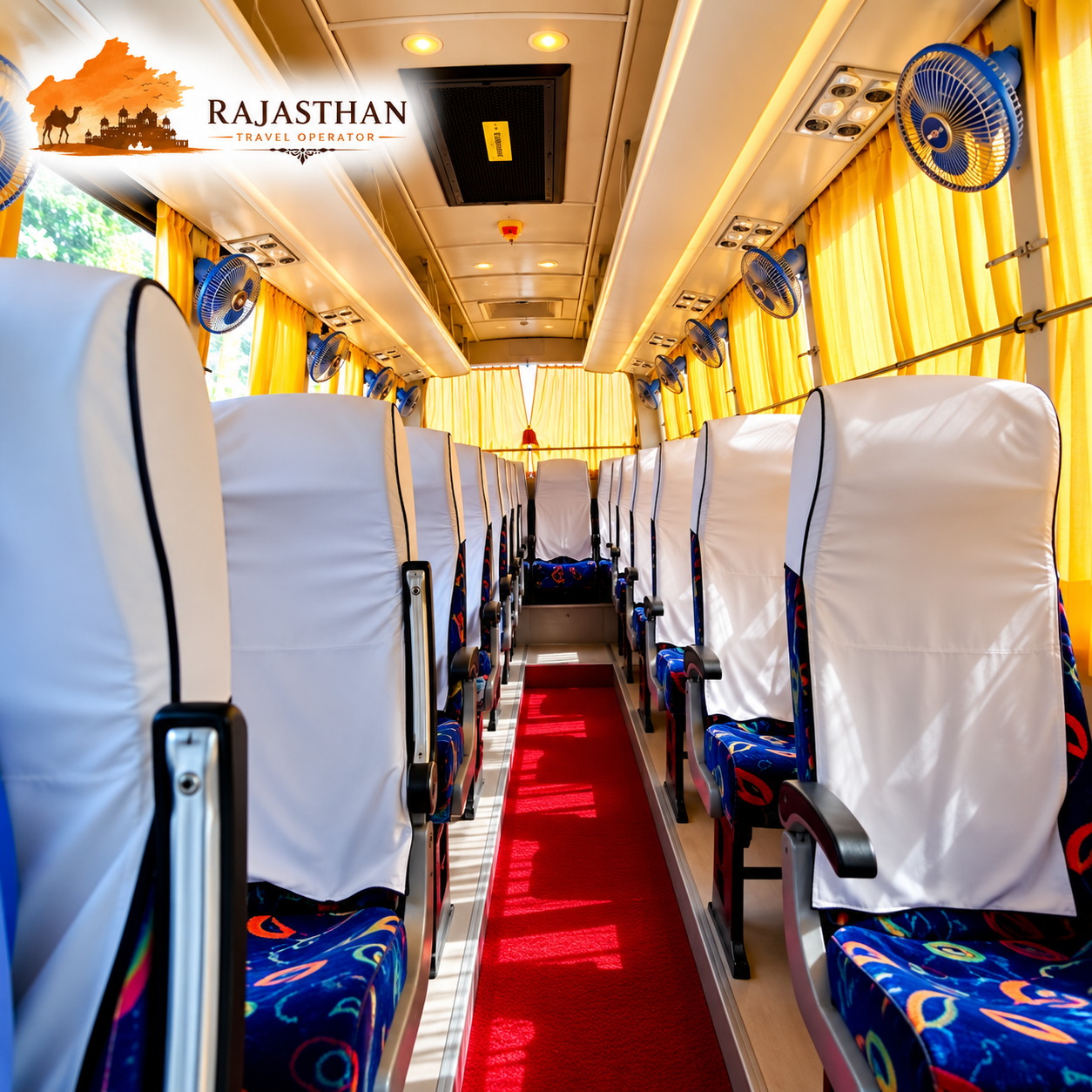
The first day was a local Jaipur sightseeing loop — Amer Fort, City Palace, Hawa Mahal — short hops between stops. The family had opted for a luxury tempo traveller trim rather than basic, and even on this short first day, the roof-mounted AC and reclining seats made the group noticeably more comfortable moving between hot, crowded monument stops than they’d been on a previous trip in a basic-trim vehicle years earlier.
Day Two: Jaipur to Jodhpur, the First Long Stretch
Day two was a genuine highway day — roughly five and a half hours from Jaipur to Jodhpur. This is where the seat spacing decision the family had confirmed in advance actually paid off. Because the vehicle was built on the longer body rather than a compressed ten-seat configuration, the teenagers in the back row had real legroom rather than the cramped last-row experience the family had specifically wanted to avoid based on a past trip.
The roof carrier held up well on the highway stretch, and the family noted the driver checked the ropes at a fuel stop partway through — a small detail, but one that mattered given how much luggage was riding up top for a family this size on a multi-city trip.
Day Three: Jodhpur Sightseeing, and Formal Clothes Come Out
Day three was spent within Jodhpur — Mehrangarh Fort, the old city’s blue lanes, and a family function in the evening that required formal wear the family had specifically packed for. This is where the boot space behind the last row, kept free precisely because the roof carrier was handling the bulk luggage, proved genuinely useful — garment bags and the evening’s specific outfits stayed accessible inside the cabin rather than buried under roped suitcases on the roof.
This detail is easy to overlook when planning a trip in the abstract, but it’s exactly the kind of practical advantage that shows up only once you’re actually living through a multi-day circuit with a mix of everyday and occasion-specific luggage.
Day Four: Jodhpur to Jaisalmer, the Longest Leg
The fourth day was the longest single stretch of the trip — nearly five hours further into the desert to Jaisalmer, on quieter but more exposed highway with less shade and more sun exposure through the middle of the day. This is where trim mattered most clearly across the whole trip. The family specifically credited the roof-mounted AC with keeping the cabin comfortable through the hottest part of the drive, contrasting it with a story one of the adult siblings told about a previous trip in a dashboard-blower vehicle that left the back rows uncomfortably warm by early afternoon.
Day Five: Jaisalmer to Udaipur, and a Loaded Carrier Holds Steady
Day five was another long stretch — roughly seven hours from Jaisalmer to Udaipur, the longest single day of the entire circuit. By this point, the family had settled into a rhythm, and the roof carrier — still carrying the bulk of nine people’s luggage across day five of a six-day trip — remained secure and undisturbed throughout, a small but meaningful reassurance for a family that had specifically prioritised luggage flexibility when choosing this vehicle over the Urbania alternative.
Worth noting: had this same family opted for extra individual comfort instead of luggage flexibility, a configuration like the 9 seater Urbania with Maharaja seats would have offered a smoother ride on this exact seven-hour stretch — but with no roof carrier, the same nine bags would have needed to fit inside a cabin already holding nine passengers, a much tighter proposition for a trip this luggage-heavy.
Day Six: Udaipur Sightseeing and the Return Journey
The final day combined a morning of Udaipur sightseeing — City Palace, Lake Pichola — with the return drive back toward Jaipur in the afternoon. By this stage, the family reflected that the two decisions made before the trip even started — confirming the correct longer body for genuine legroom, and choosing the standard chassis specifically for the roof carrier — were the two things that shaped how comfortable the entire six days had actually been, more than any single feature discovered along the way.
What This Trip Illustrates About Booking a 10 Seater
The single most consequential decision in this entire trip happened before departure — confirming which exact body the ten seats sat inside. A shorter, compressed body would have meant six days of cramped last-row seating for the teenagers, a very different experience from what this family actually had. Always ask for the model name directly rather than assuming from the seat count alone.
Luggage planning mattered as much as seat comfort in how smoothly the trip went. A family this size, doing a genuinely multi-city, bag-heavy circuit with a formal function partway through, benefited specifically from the roof carrier’s flexibility — a trade-off worth weighing seriously against the smoother ride offered by platforms like the Urbania tempo traveller or the 16 seater Urbania for larger groups considering the same question.
Trim made a genuinely noticed difference on the hottest, longest days — day four and day five in particular — reinforcing that roof-mounted AC is worth treating as close to essential for any multi-day summer circuit through Rajasthan’s desert routes, rather than an optional upgrade.
A Quick Checklist Based on This Trip
Before booking a similar circuit, ask for the exact model and confirm it’s the longer body rather than a compressed configuration, the same way this family did before locking in their booking. Consider luxury trim seriously if your itinerary includes multi-hour desert or highway stretches, since even AC distribution becomes genuinely noticeable on exactly those days. If your trip involves heavy, bag-per-person luggage across several cities, weigh the standard chassis’s roof carrier advantage carefully against any premium ride-comfort alternative before deciding. And if your group turns out smaller than ten, it’s worth checking the 9 seater tempo traveller instead, since there’s no benefit to booking bigger than the group actually needs — while a group that grows past ten should look at the 12 seater hire in Jaipur or, for larger circuits, the tempo traveller 17 seater and beyond.
For families wanting a comfort-focused seating layout without switching chassis entirely, it’s also worth asking whether a Maharaja seat tempo traveller configuration is available on the ten-seat body — combining wider individual chairs with the roof carrier this family relied on. Full comparisons across the whole fleet, standard and premium alike, are on the tempo traveller on rent page if your own trip looks different from this example.
Frequently Asked Questions
Why did confirming the exact body matter so much for this trip? Because “10 seater” can mean two genuinely different vehicles — a properly spaced longer body, or a compressed shorter one. The family’s decision to ask directly avoided six days of cramped seating for the teenagers in the back row.
Was the roof carrier essential for this specific group? Yes — nine adults with multi-day luggage plus formal wear for a family function simply wouldn’t have fit comfortably inside a cabin with no roof storage, which is why the family chose the standard chassis over the Urbania platform.
Which days benefited most from the luxury trim upgrade? The two longest, hottest stretches — day four to Jaisalmer and day five to Udaipur — where the roof-mounted AC’s even distribution was specifically credited with keeping the group comfortable through peak afternoon heat.
Would a smaller or larger vehicle have suited this group better? No — nine passengers fit comfortably within ten seats, giving a bit of breathing room without paying for unused capacity. A group this size stretching into an 8 or 9 seater would have felt cramped with this much luggage.
What’s the main lesson for someone planning something similar? Confirm the exact vehicle model and luggage plan before booking, not after. Both decisions shaped this trip’s comfort far more than anything discovered once the vehicle was already on the road.
Final Word
A walkthrough like this makes the practical trade-offs of a 10 seater far clearer than a spec sheet ever could — it’s not just about seat count, it’s about which body those seats sit in, how much luggage the trip actually demands, and whether trim matches the routes being driven. Map your own itinerary against this example, and the booking decision usually becomes far more obvious than it looked at the start.