
Why This Word Gets Misunderstood So Often
“Luxury” is probably the single most overused word in the entire Jaipur tempo traveller category, and after enough listings use it loosely, people stop trusting it or start assuming things about it that aren’t actually true. Instead of another straight features breakdown, here’s what people commonly get wrong about luxury trim specifically — one myth at a time, and what’s actually true instead.
Myth 1: “Luxury Means a Completely Different Vehicle”
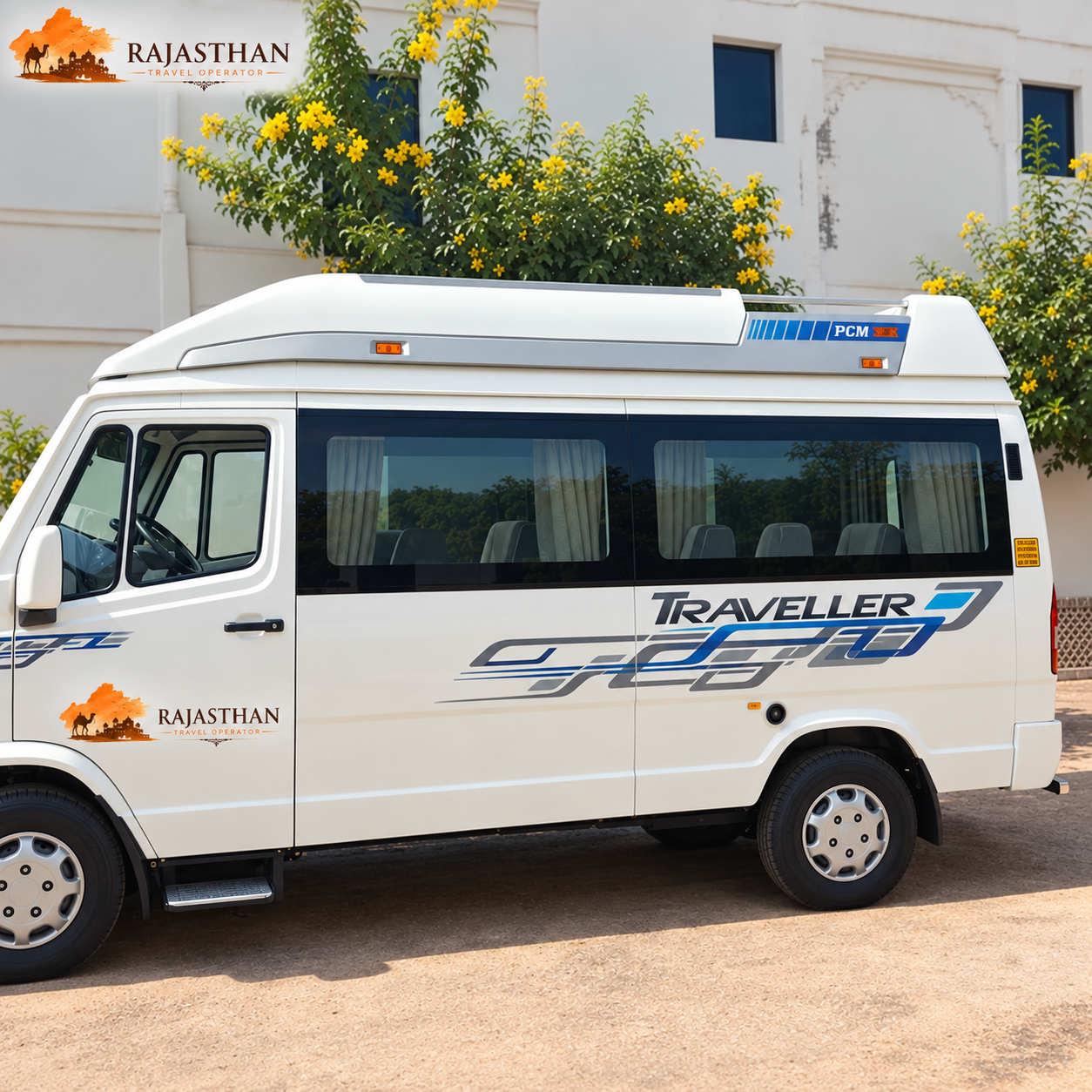
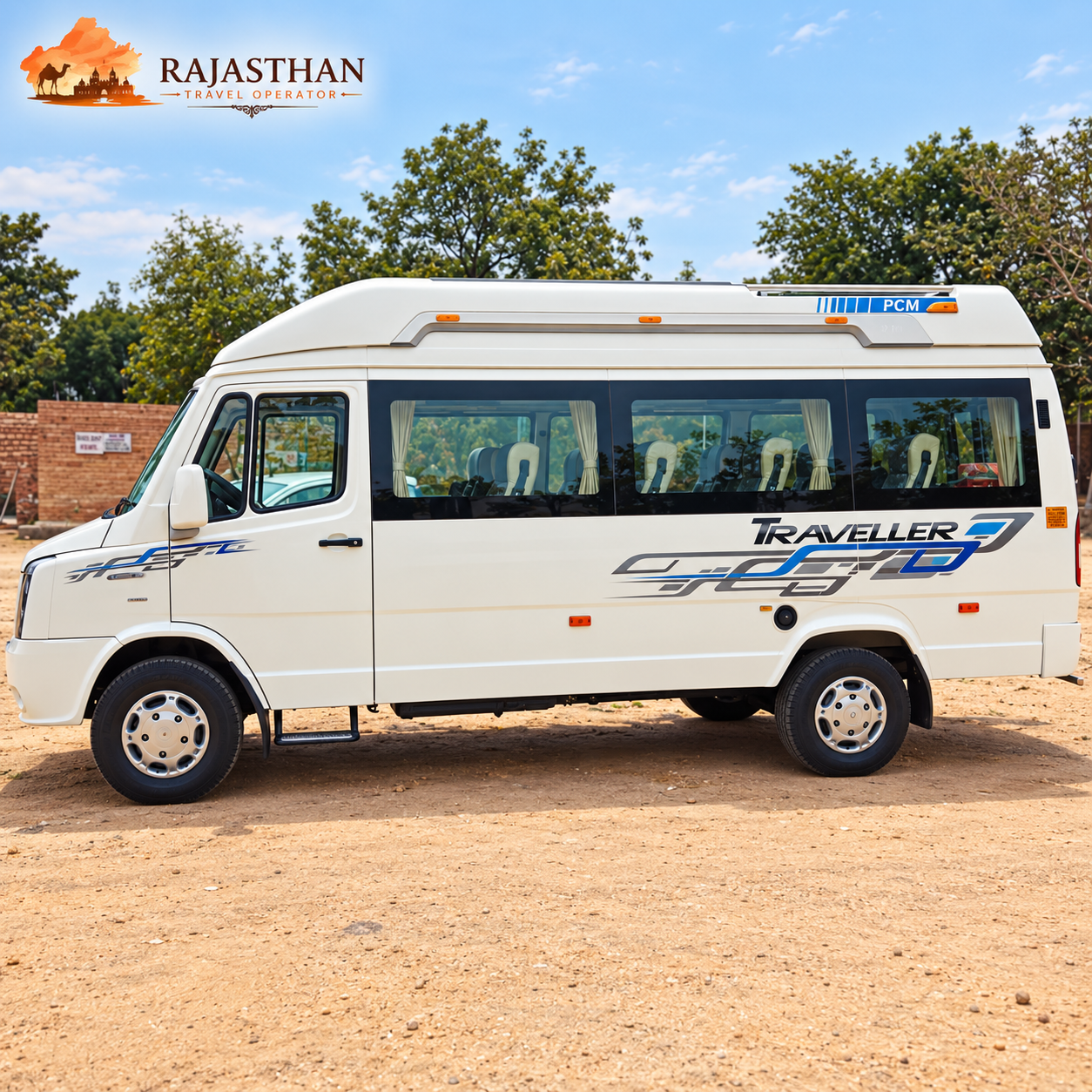
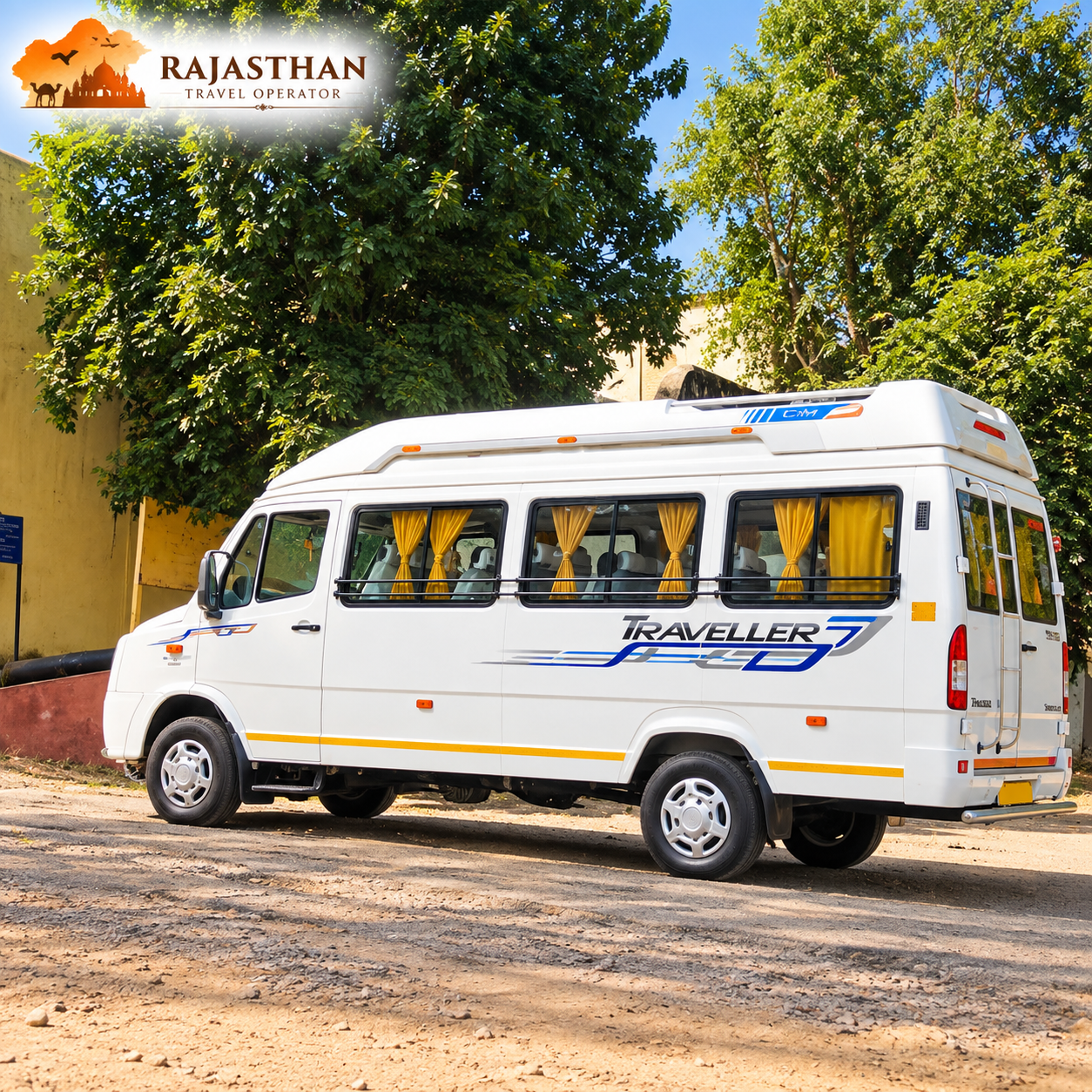
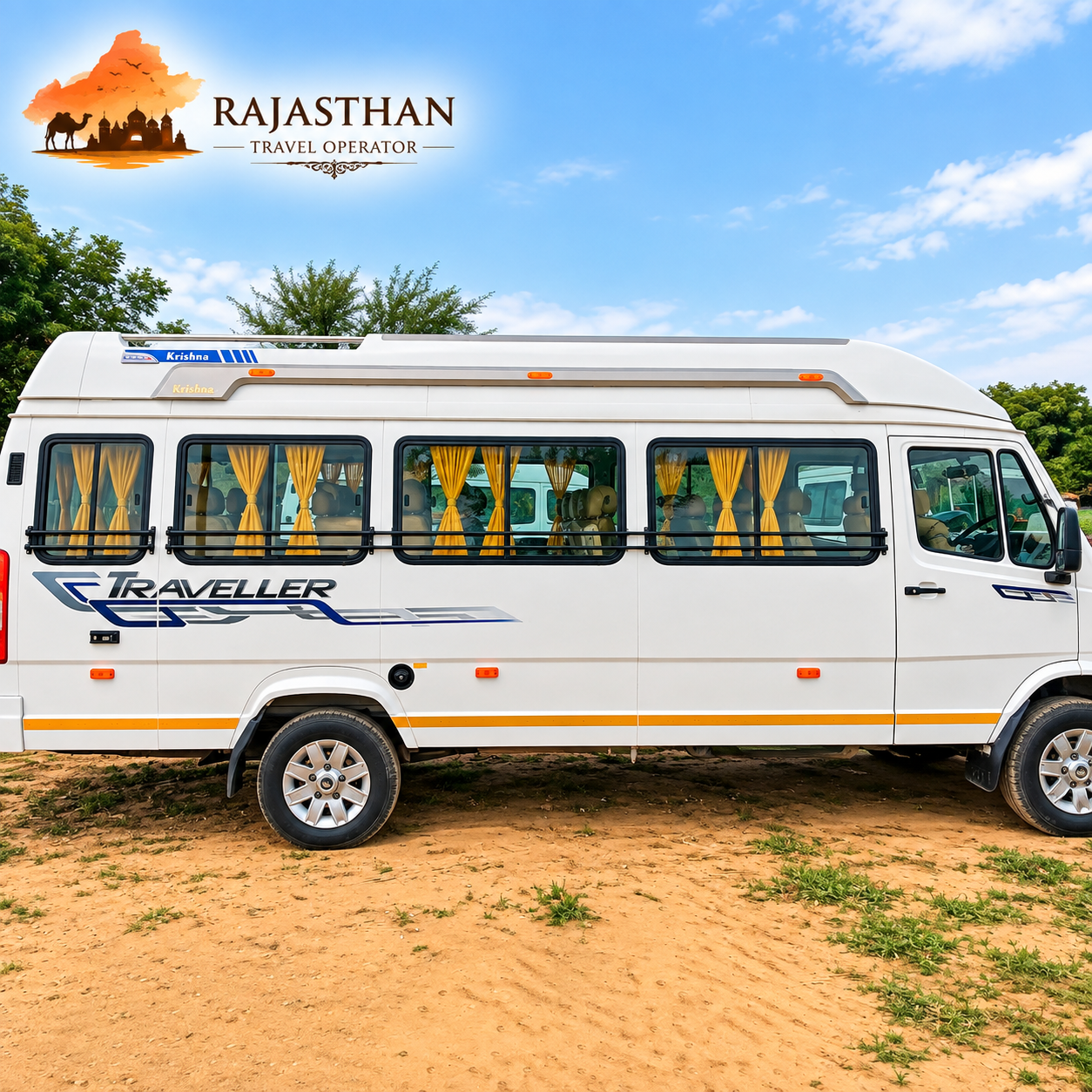
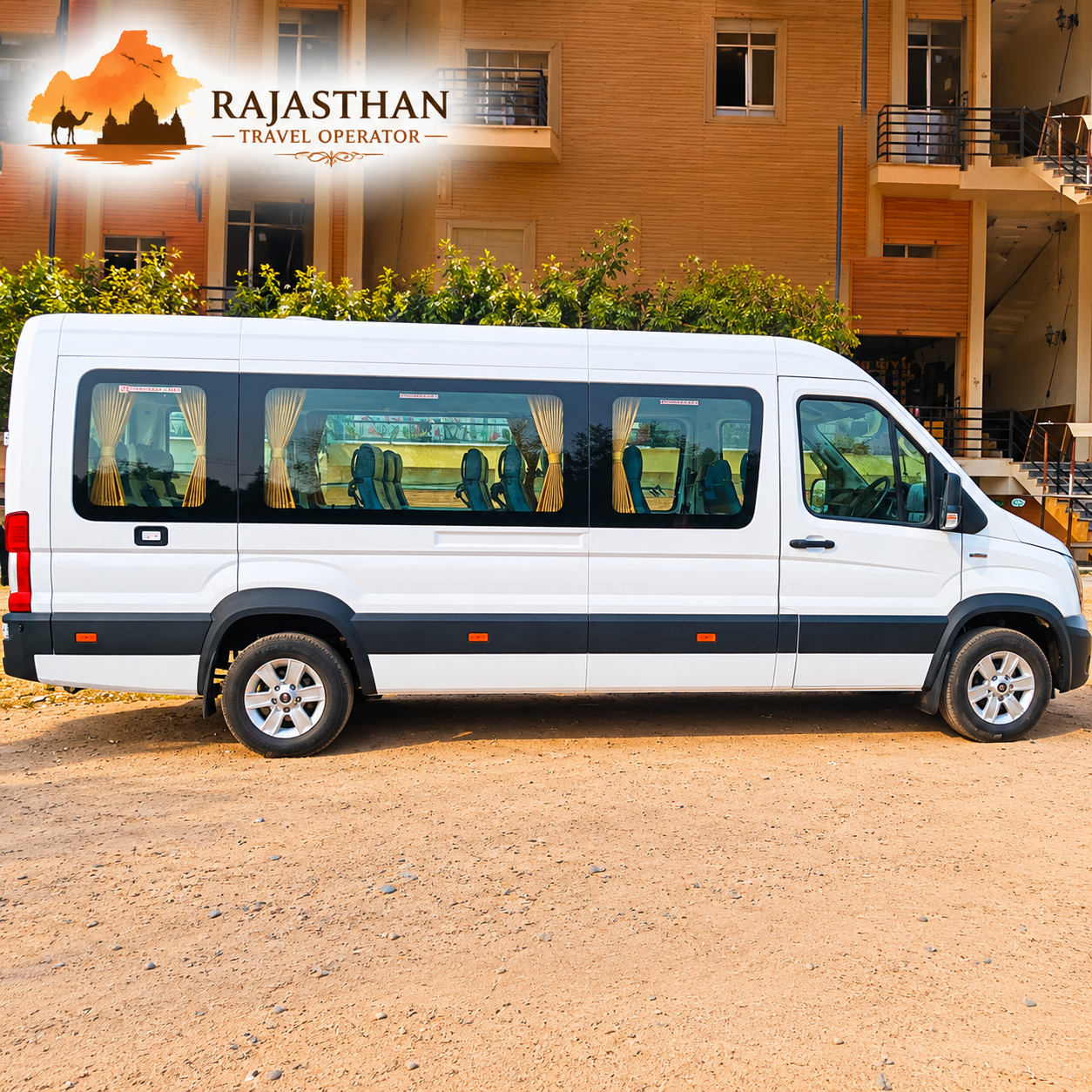
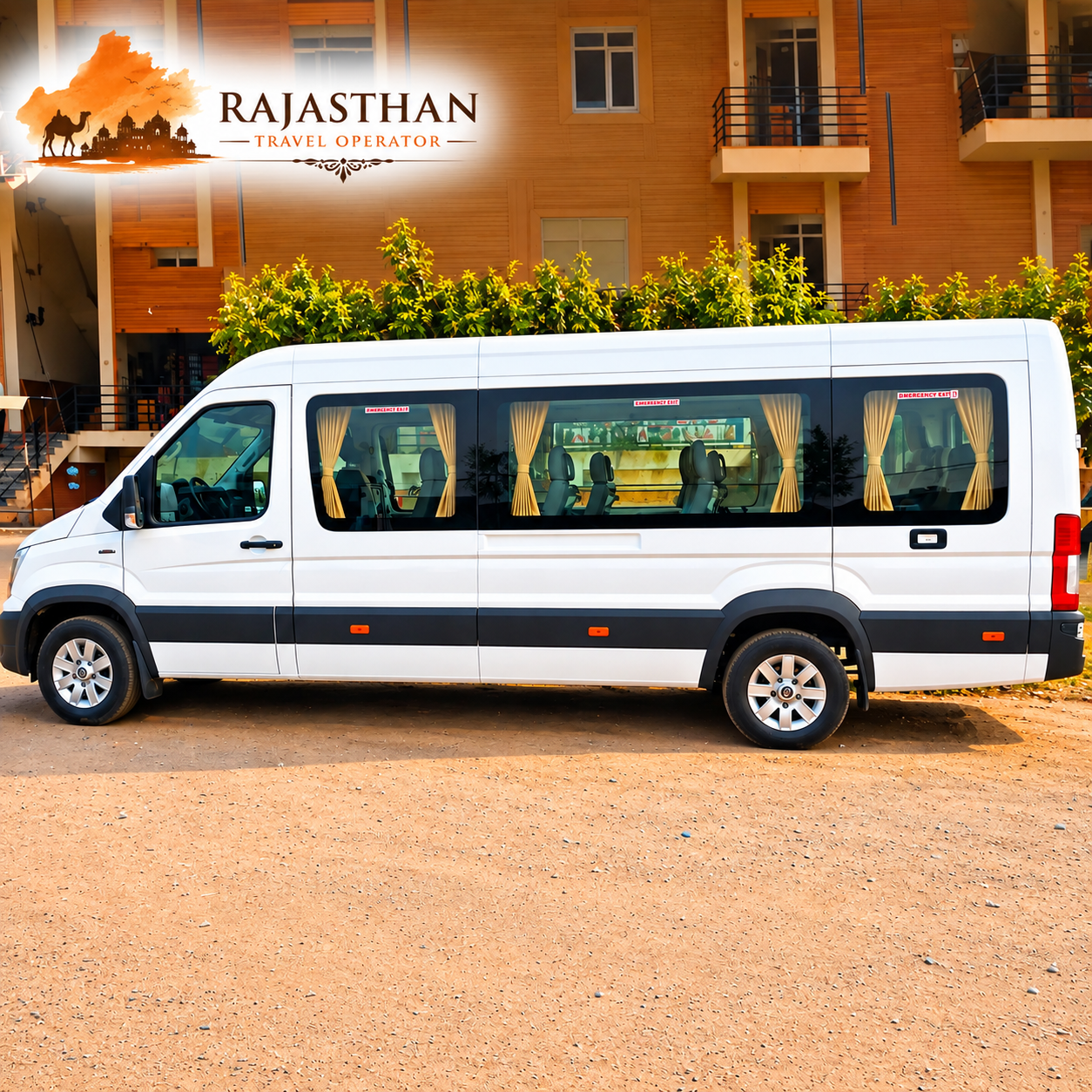
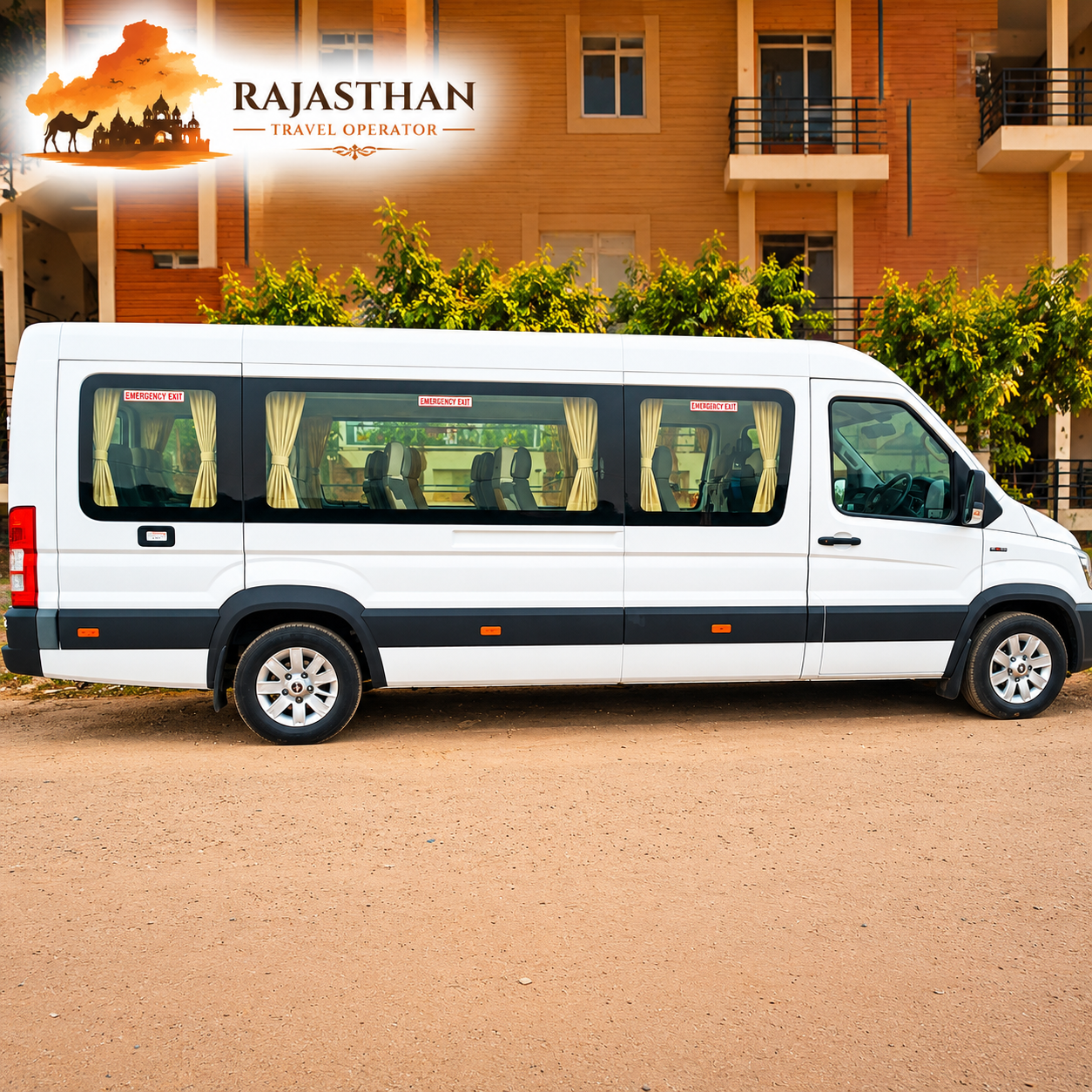
This is the most common misunderstanding, and it shapes a lot of bad expectations before booking even starts. A luxury tempo traveller isn’t a separate model — it’s the same ladder-frame chassis used across the whole standard range, from the 9 seater tempo traveller through the larger bodies, fitted out with a better trim package on top. The seat count, the chassis, and the fundamental handling stay identical to the basic version of the same body.
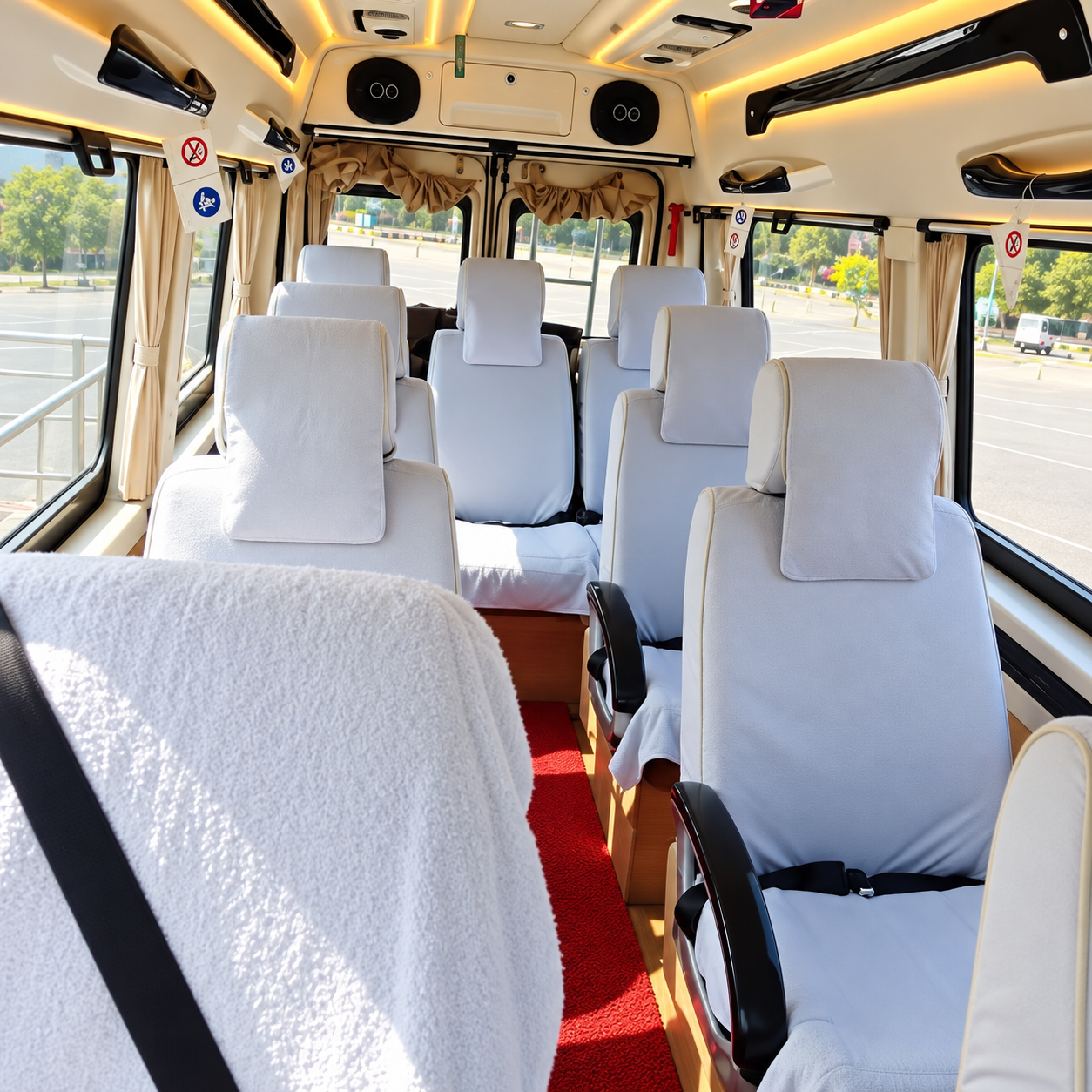
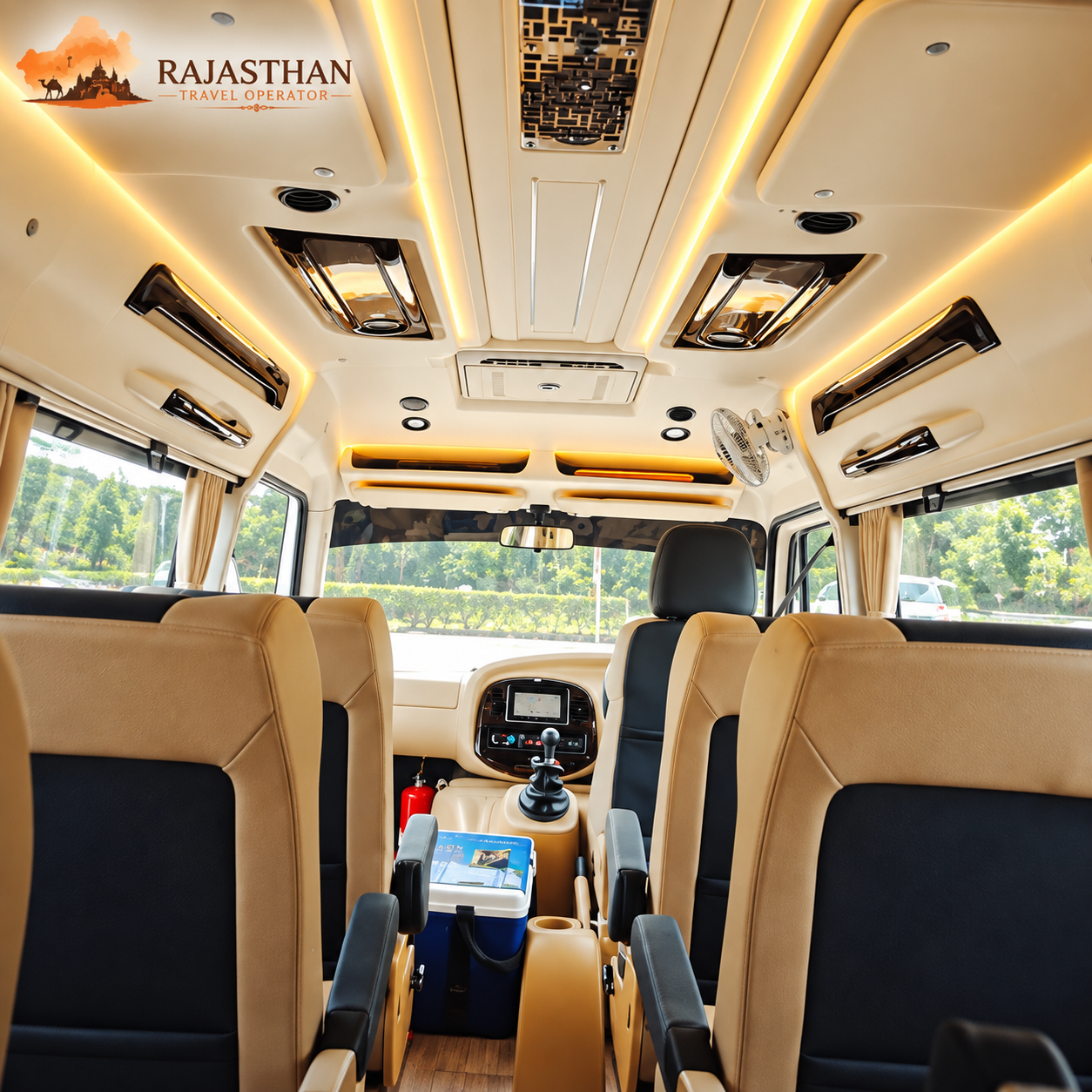
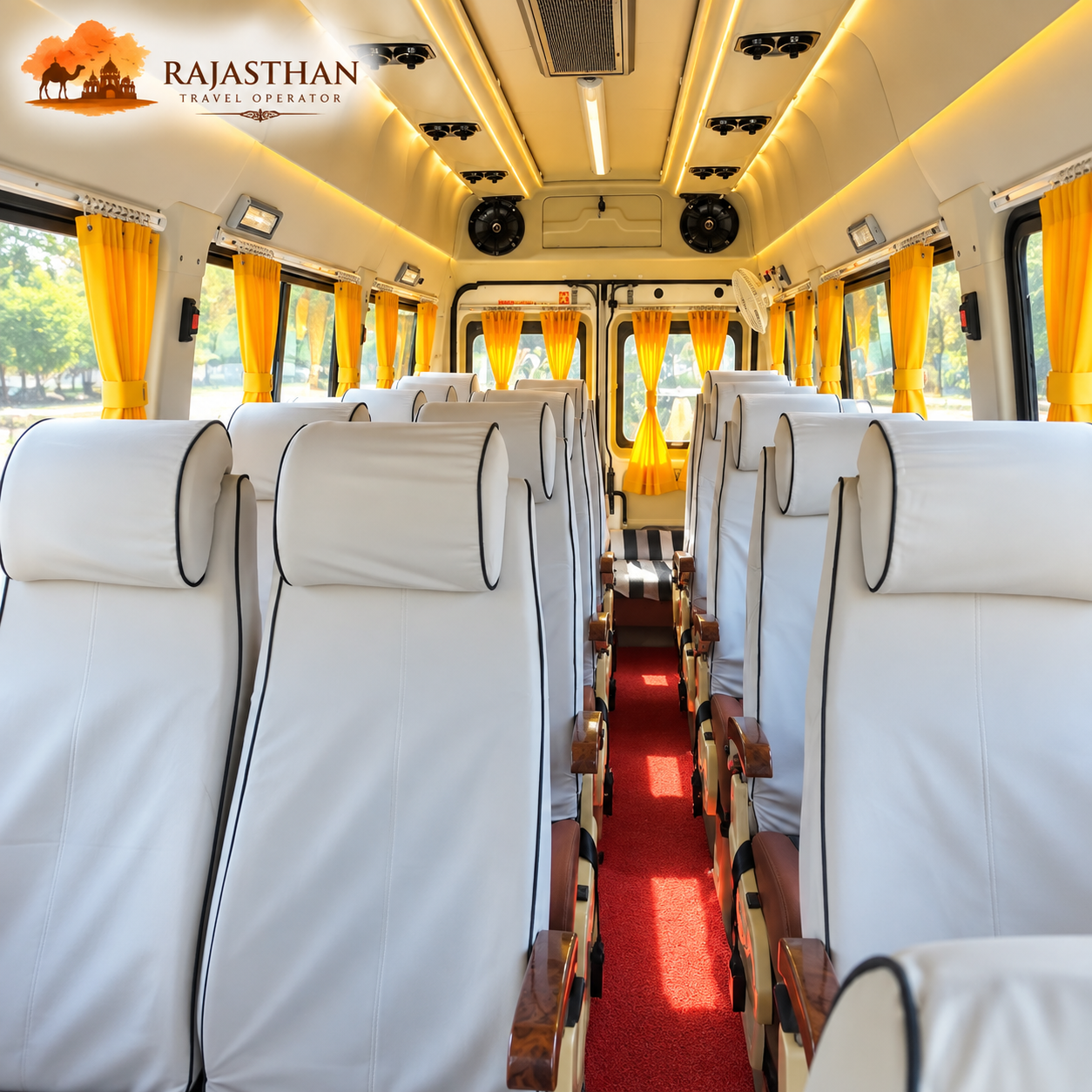
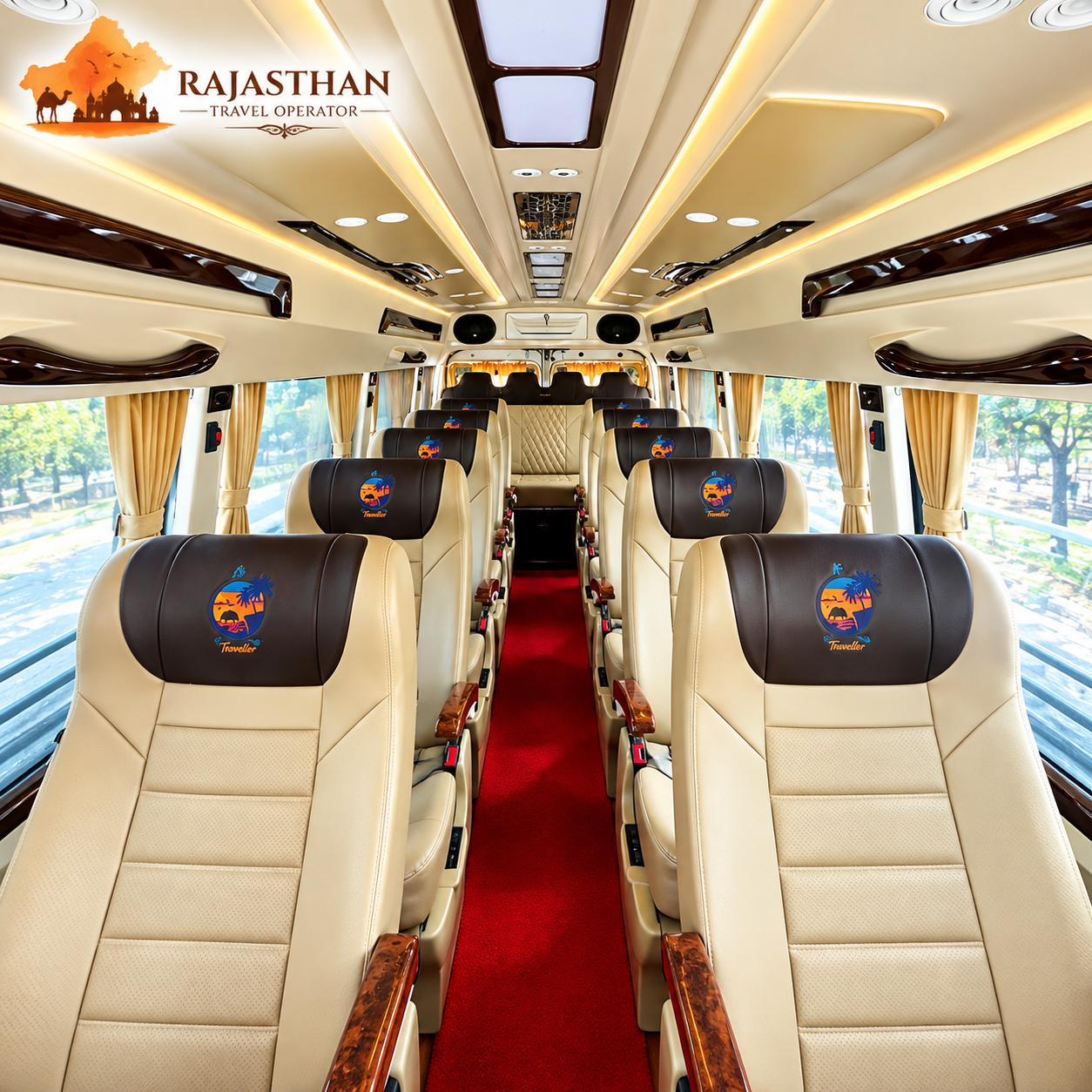
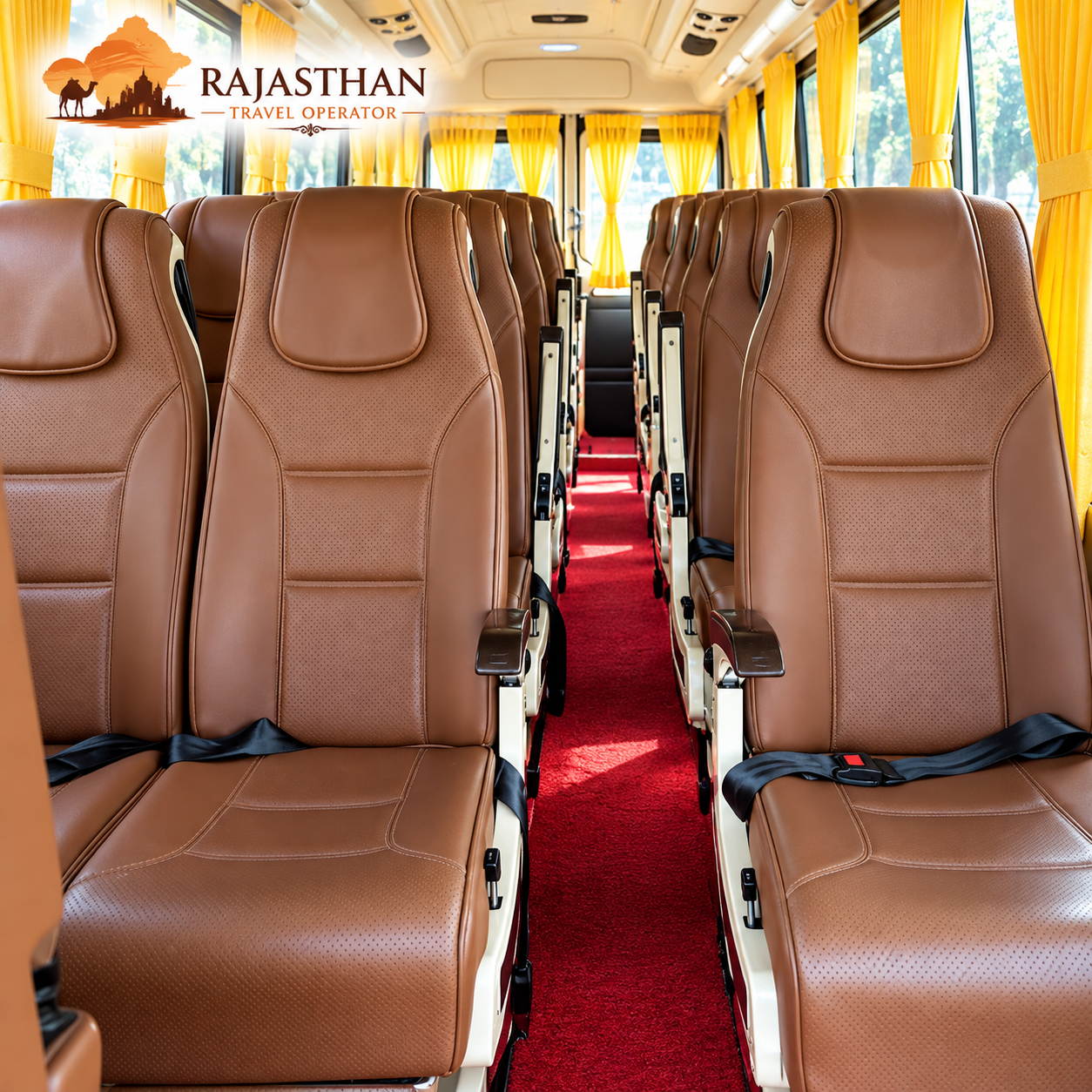
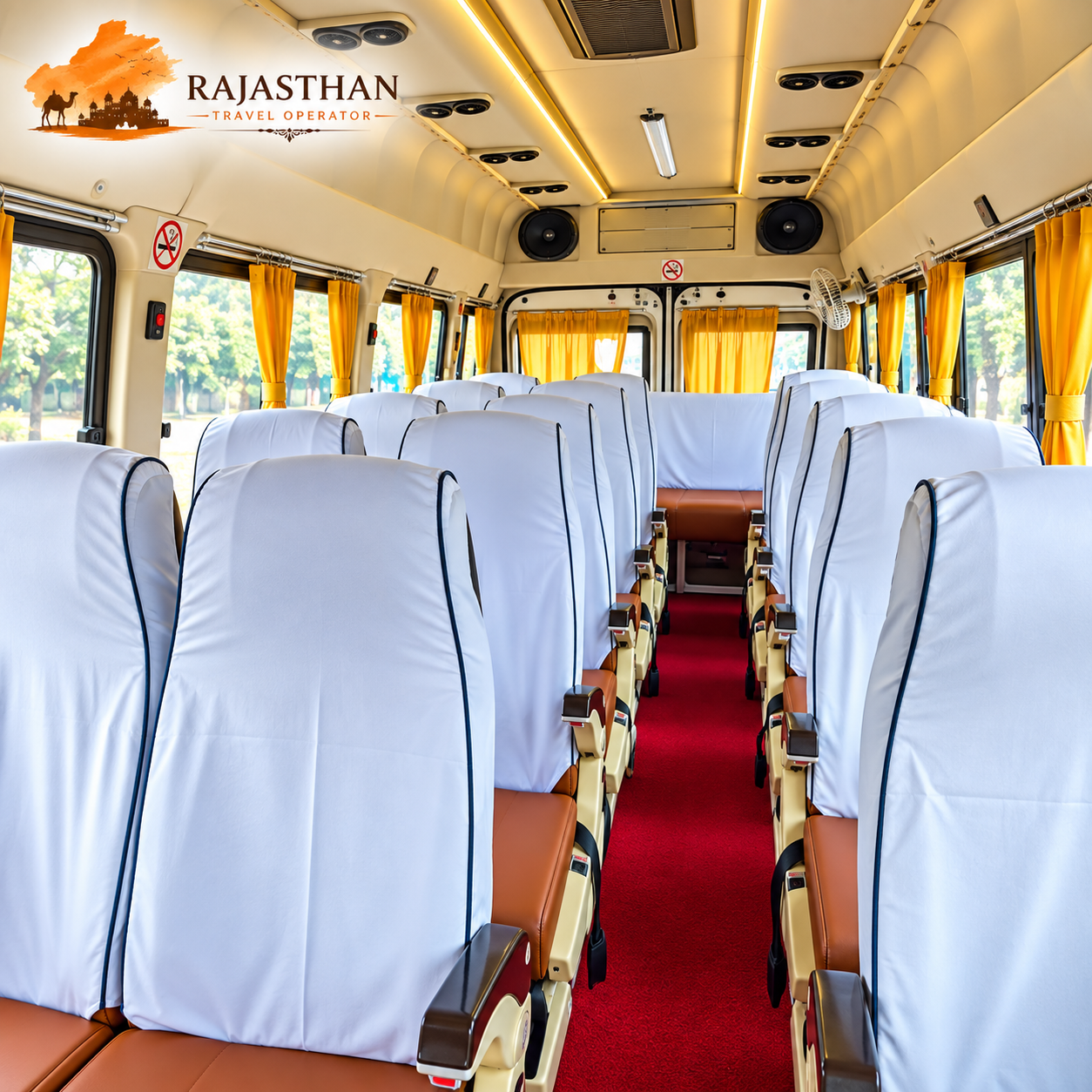
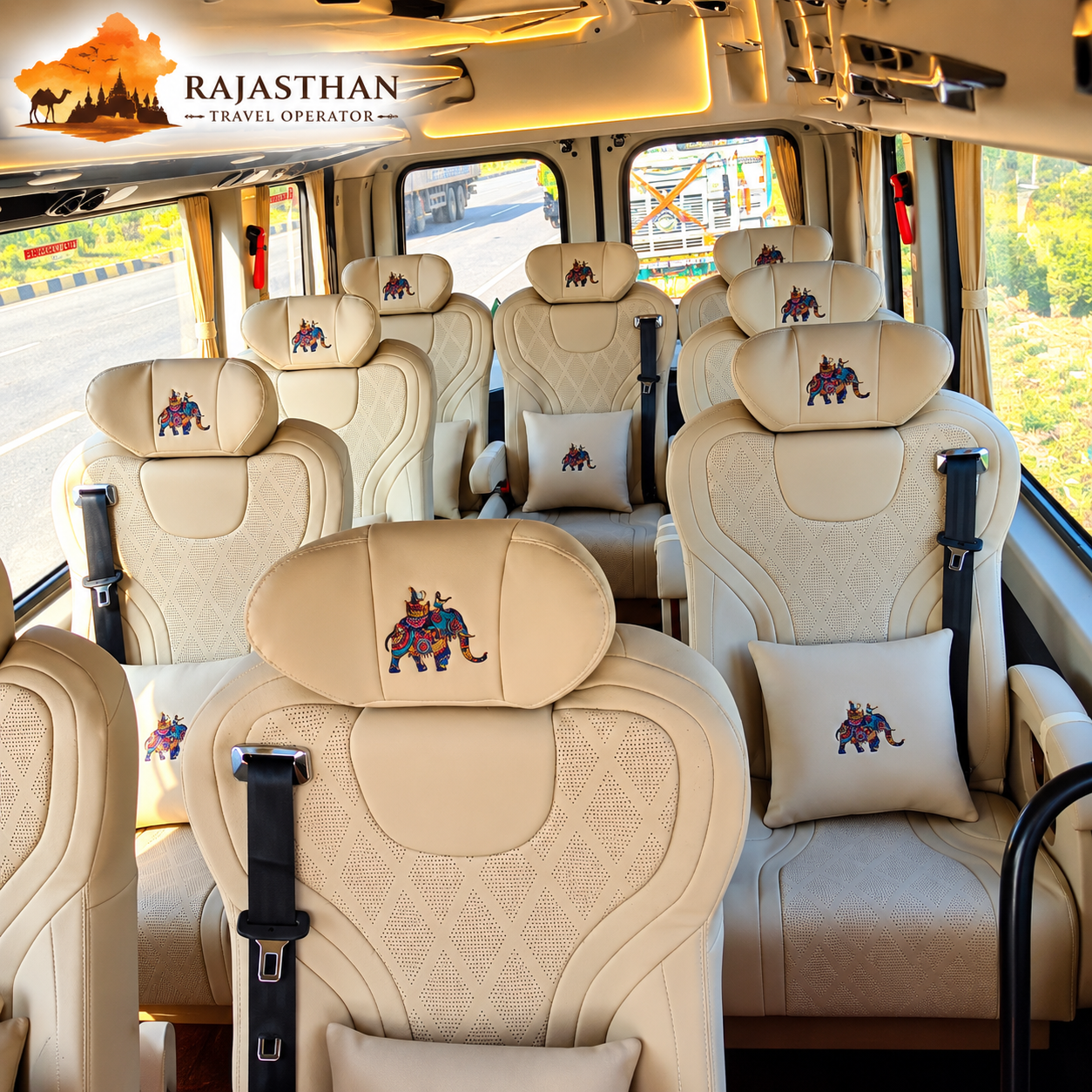
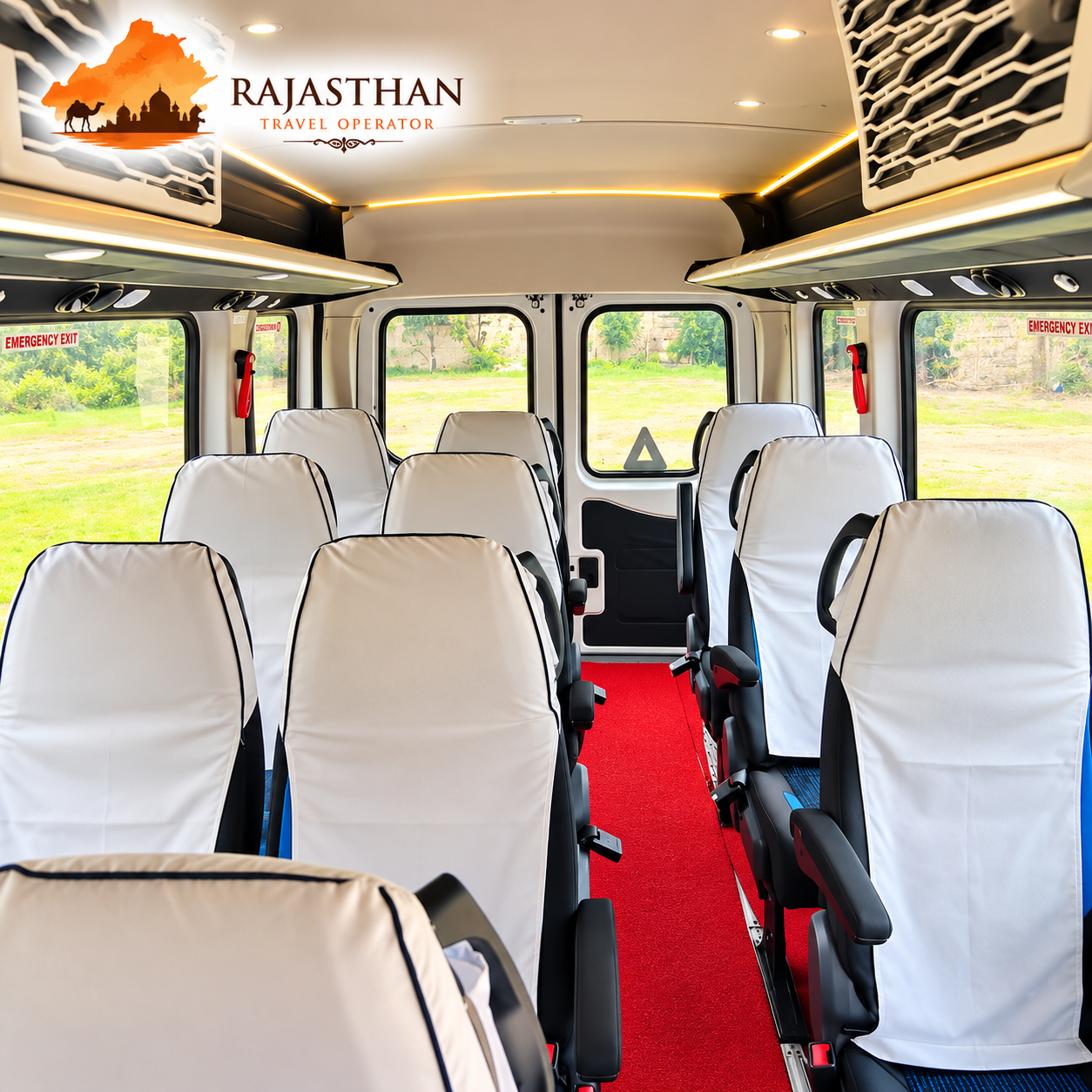
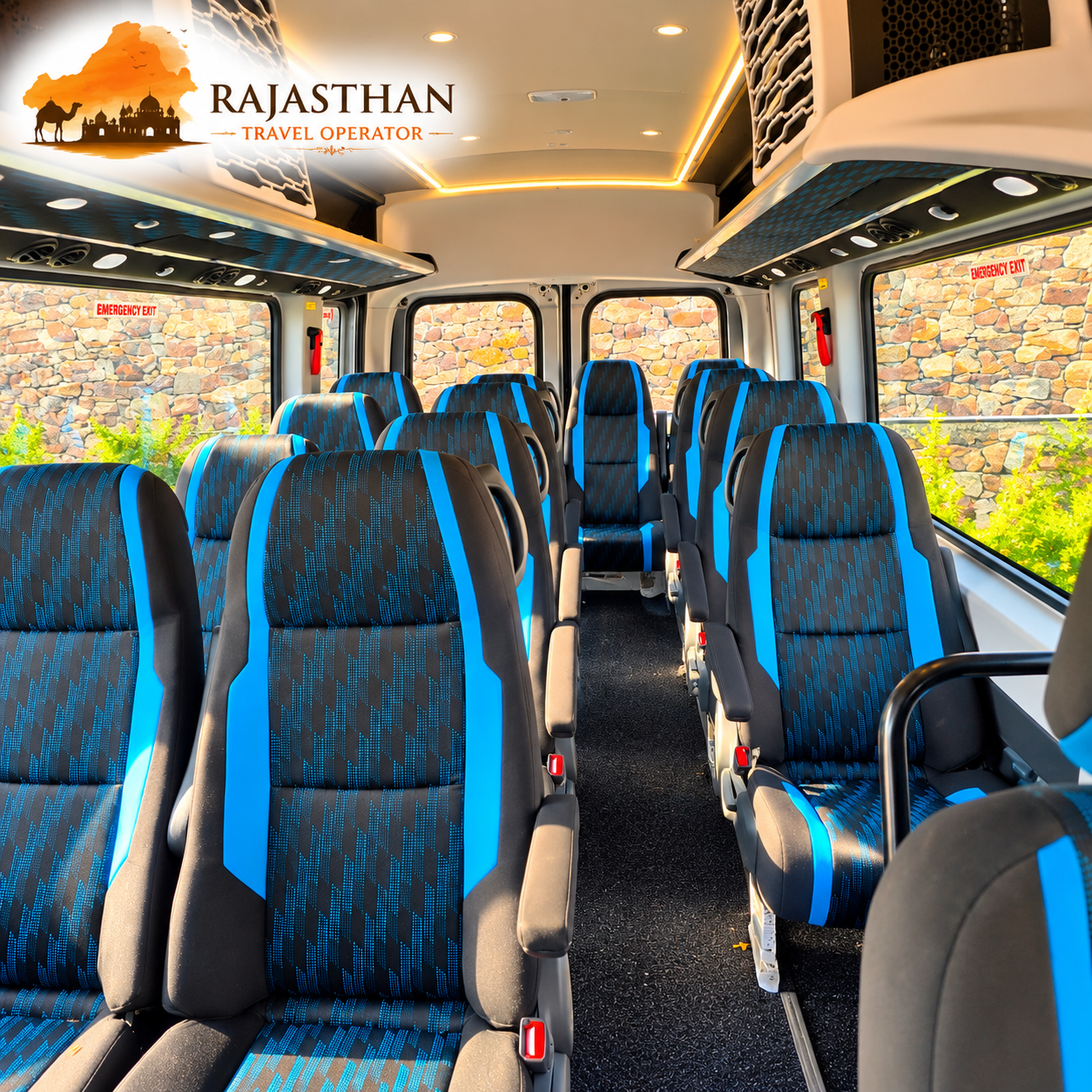
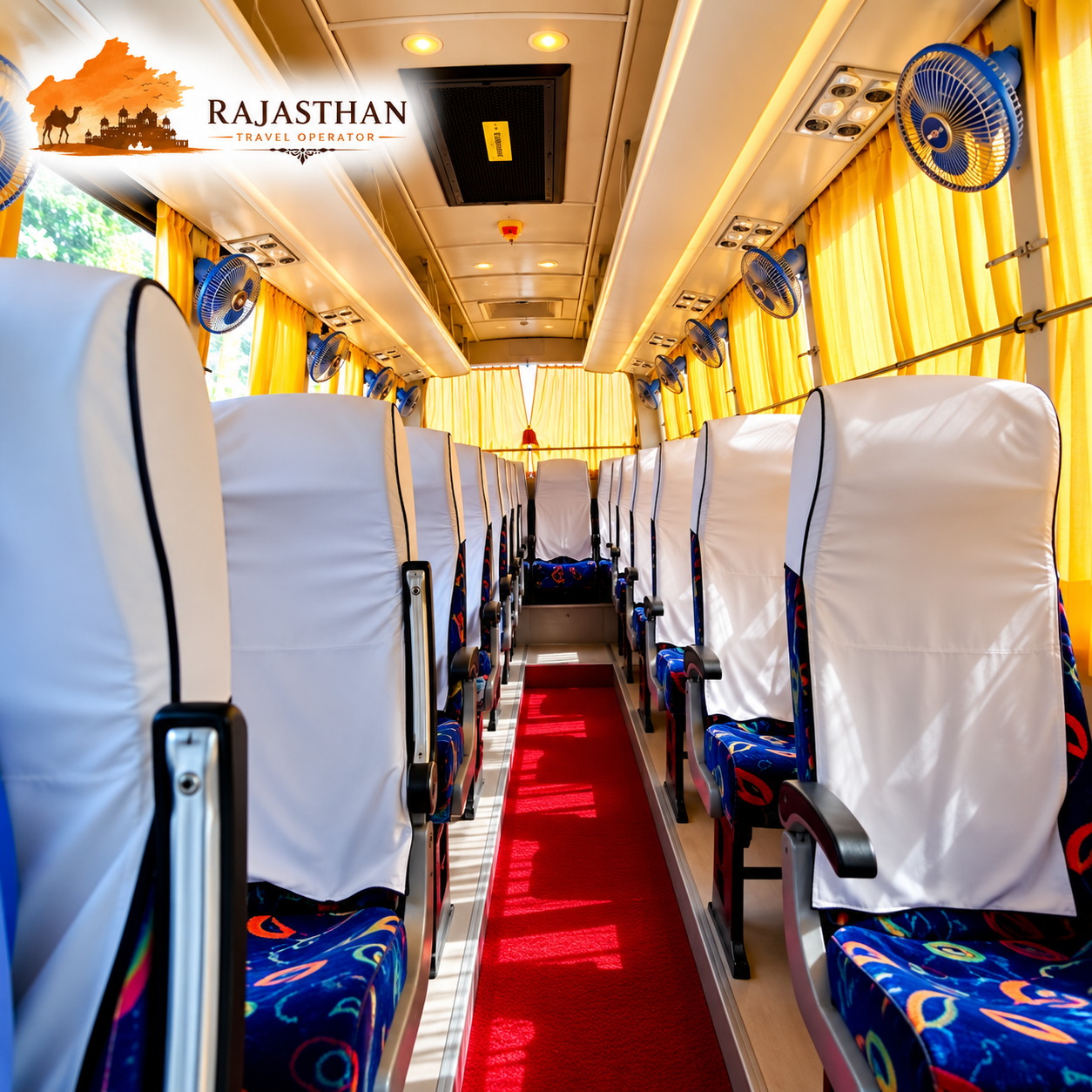
What actually changes is roof-mounted AC instead of a dashboard blower, better-padded reclining seats, curtains, and usually a working sound system. Real upgrades, but upgrades to an existing vehicle, not a different one entirely.
Myth 2: “It Automatically Means Wider Seats or More Legroom”
People often conflate luxury trim with a seating configuration change, and they’re actually separate decisions. Luxury trim upgrades comfort and finish within the existing row layout — it doesn’t reduce headcount or widen individual chairs. If genuine extra width and legroom matter more to your group than better AC and padding, that’s a different upgrade entirely: a Maharaja seat tempo traveller configuration, which trades seat count for space, and can technically be combined with luxury trim if a fleet offers both together.
Ask specifically which of these two upgrades — or both — you’re actually being quoted, since a “luxury” listing alone doesn’t tell you whether the seats are wider or just better padded within the same layout.
Myth 3: “The Premium Is Mostly Just Markup”
Some people assume the cost difference between basic and luxury trim is mostly profit margin rather than real equipment cost. In practice, roof-mounted AC units genuinely cost more to install and maintain than a dashboard blower, better seats cost more to source, and a well-kept interior needs more upkeep between bookings. The premium reflects real, ongoing costs on the operator’s side, not just a higher price tag on an identical vehicle.
That said, this doesn’t mean every “luxury” quote is honestly reflecting those costs — it just means the concept itself is legitimate. Ask the operator to name the specific differences, and treat vague answers as a signal worth following up on.
Myth 4: “Luxury Trim Is Only Worth It on Very Long Trips”
There’s a kernel of truth here — the comfort difference does compound over several hours, and it’s most noticeable on genuine highway legs. But the assumption that it’s not worth booking for anything shorter than a full-day drive misses something: even a two-to-three-hour trip through peak Rajasthan summer heat shows a real difference between roof-mounted AC and a dashboard blower, particularly for elderly passengers or young kids who feel heat more acutely. It’s not an all-or-nothing threshold — the value scales with both trip length and how heat-sensitive your specific group is.
Myth 5: “Any Vehicle Labelled Luxury Will Be in Good Condition”
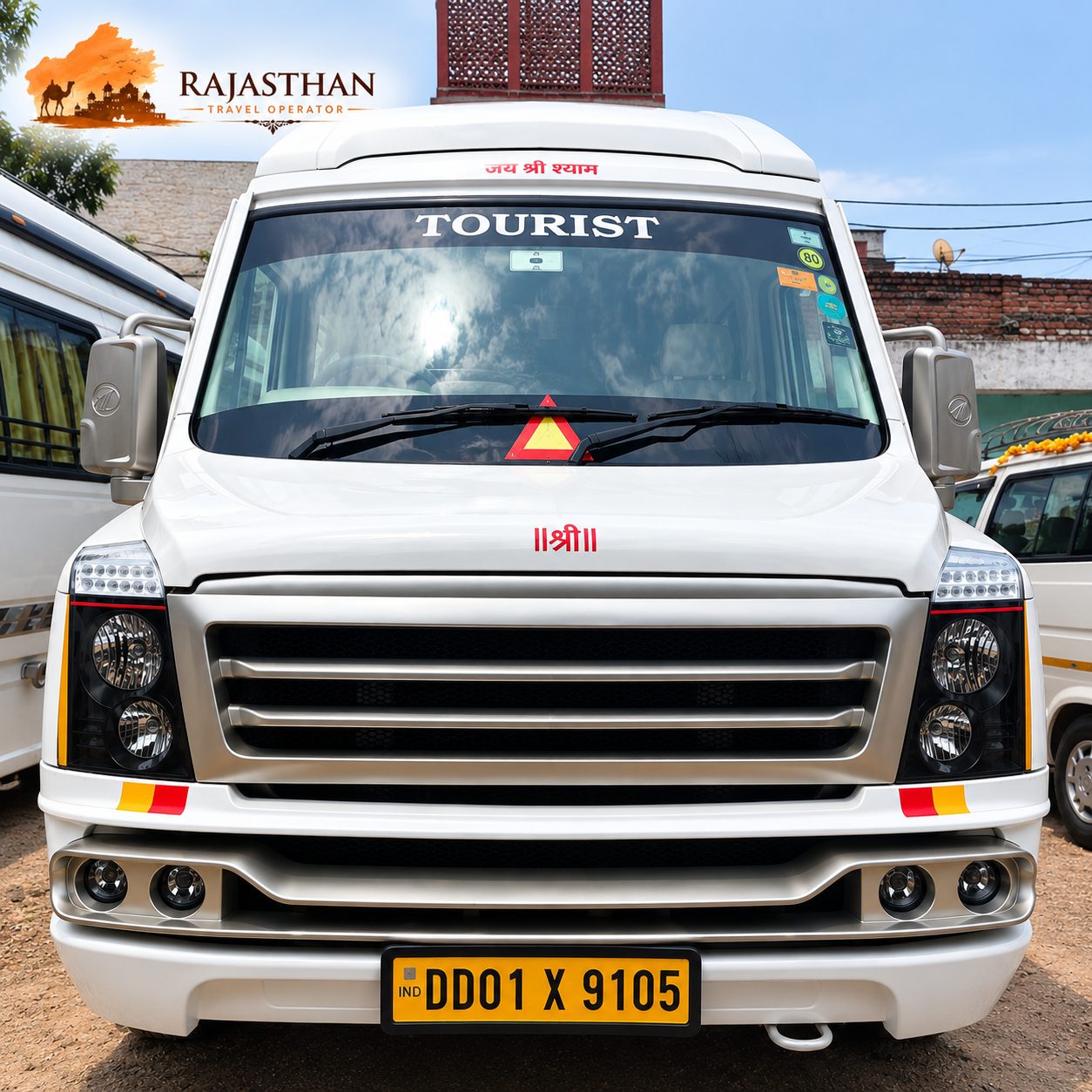
This is one of the more consequential myths, because it leads people to skip a question they’d otherwise ask. The word “luxury” describes the trim package, not the vehicle’s age or maintenance state. A five-year-old vehicle with worn upholstery can still carry the “luxury” label if it technically has the right AC system and seat type, even if it doesn’t look or feel premium in practice.
Always ask for the registration year separately from asking about trim — they’re two different questions, and a genuinely transparent operator answers both quickly and specifically.
Myth 6: “Luxury Tempo Traveller and Luxury Urbania Are the Same Choice, Just Different Sizes”
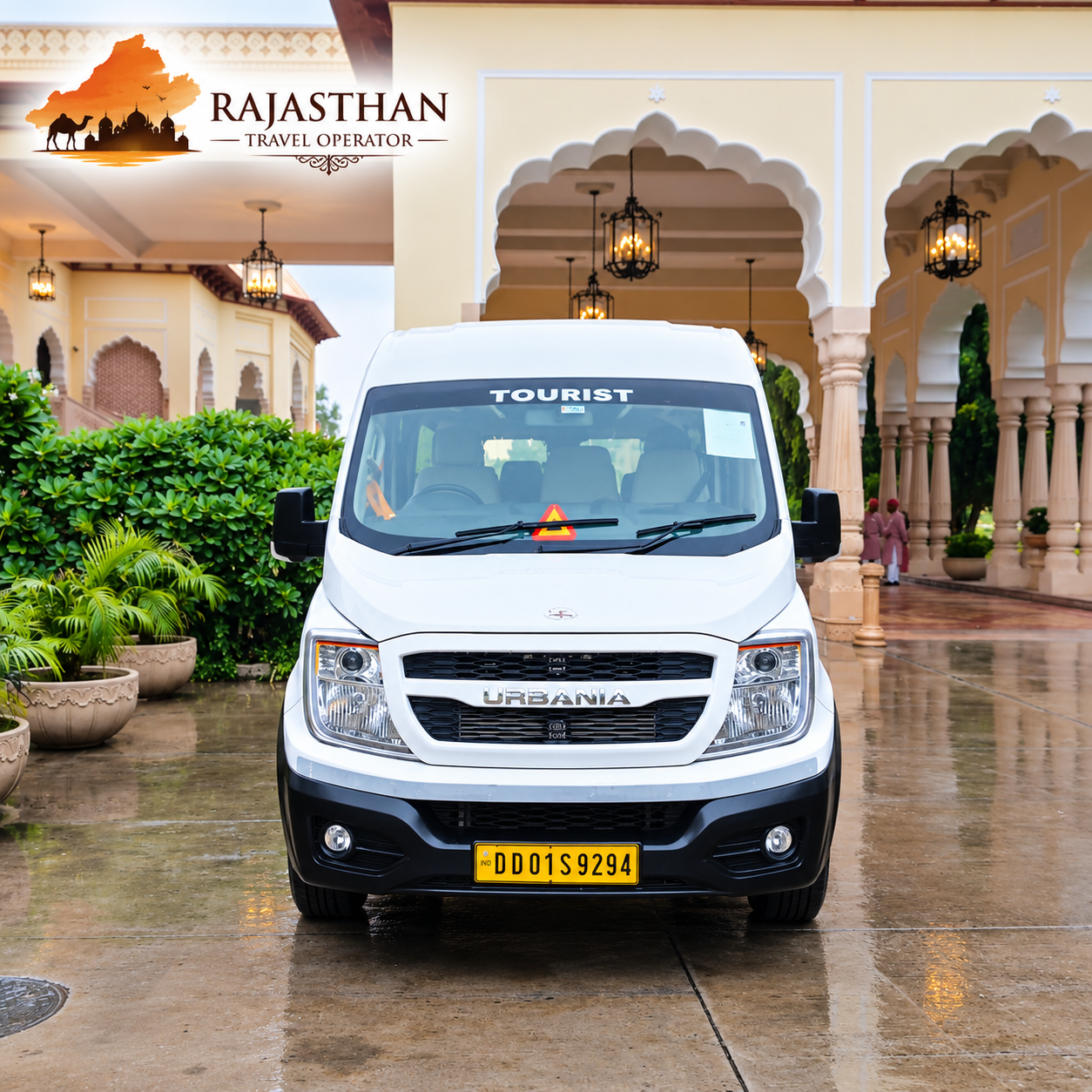
These get treated as interchangeable more often than they should be. A luxury tempo traveller sits on the standard ladder-frame chassis and keeps its roof carrier — a real practical advantage for any trip with genuine luggage. A luxury Urbania tempo traveller sits on the monocoque Urbania tempo traveller chassis, rides more smoothly on the highway, but has no roof carrier at all. Both are genuine upgrades over their respective base trims — they’re just upgrades to fundamentally different vehicles, solving different problems.
If your trip has heavy multi-day luggage, the chassis choice matters more than the trim label. If your luggage is light and ride smoothness is the priority, the Urbania version is worth considering instead — but treating these as the same decision with just a size difference is where people end up disappointed with the luggage situation on arrival.
What These Myths Have in Common
Nearly every misunderstanding here comes down to conflating two things that are actually separate: trim level, seating configuration, and chassis type. Once you hold these apart as three independent decisions — do I want better AC and seats within the standard layout, do I want wider individual seating instead, and do I want the standard chassis’s roof carrier or the Urbania’s smoother ride — the whole category becomes much easier to navigate than the marketing language around it suggests.
A Quick Way to Cut Through the Confusion
Ask three separate questions when comparing any quote. First, what specifically differs between this trim and the basic version — get concrete details, not the word “luxury” alone. Second, is the seating standard rows or a wider individual configuration, since that’s a separate upgrade entirely, whether on this size or a different one like the tempo traveller 12 seater or 16 seater tempo traveller. Third, which chassis is this — standard with a roof carrier, or Urbania without one — since that decision matters more for your luggage plan than trim ever will.
Answer those three, and a listing that sounded confusing at first usually turns out to be a straightforward, specific vehicle once the marketing language is stripped away.
Frequently Asked Questions
Is a basic vehicle ever actually better than a “luxury” one? Sometimes, if the “luxury” label isn’t backed by real specifics and the basic vehicle happens to be newer or better maintained. Always verify concrete details rather than trusting the label alone.
Does luxury trim exist across every seat count? Generally yes, from smaller sizes like the 10 seater tempo traveller up through larger ones like the tempo traveller 17 seater, though availability varies by operator — always confirm your specific seat count is actually stocked in the trim you want.
Can I combine luxury trim with Maharaja seating? Often yes, if the fleet offers both — worth asking directly, since it stacks two separate upgrades: better finish and AC, plus wider individual seating.
Should I choose luxury tempo traveller or luxury Urbania? Depends entirely on your luggage. Heavy, multi-day luggage points toward the standard chassis and its roof carrier — check the 12 seater hire in Jaipur as an example. Light luggage and a priority on ride smoothness points toward the Urbania version instead.
What’s the fastest way to tell if a “luxury” listing is genuine? Ask for specific, checkable details — AC type, seat material, registration year — rather than accepting the word alone. A transparent operator answers quickly; a vague one is worth a second look. Full comparisons across the whole fleet are on the tempo traveller on rent page if you want to check pricing and trim patterns across other sizes too.
Final Word
Most confusion around “luxury tempo traveller” isn’t really about the vehicle itself — it’s about assuming the word does more work than it actually does, or bundling it together with decisions that are genuinely separate. Once you know what to ask, and know to treat trim, seating, and chassis as three distinct choices, the whole category stops being confusing and starts being exactly what it should be: a specific vehicle with specific, checkable upgrades.