The Question Behind the Booking
Almost everyone who looks into Maharaja seating asks the same underlying question, even if they phrase it differently: is this actually worth paying more for, or is it just a nicer-sounding name for the same trip? It’s a fair question, because unlike most upgrades, Maharaja seating doesn’t add anything — it takes something away. Fewer seats, for more space per person. Whether that trade is worth it depends entirely on your specific group, and this guide is built around answering that directly rather than just describing the seats.
What You’re Actually Comparing
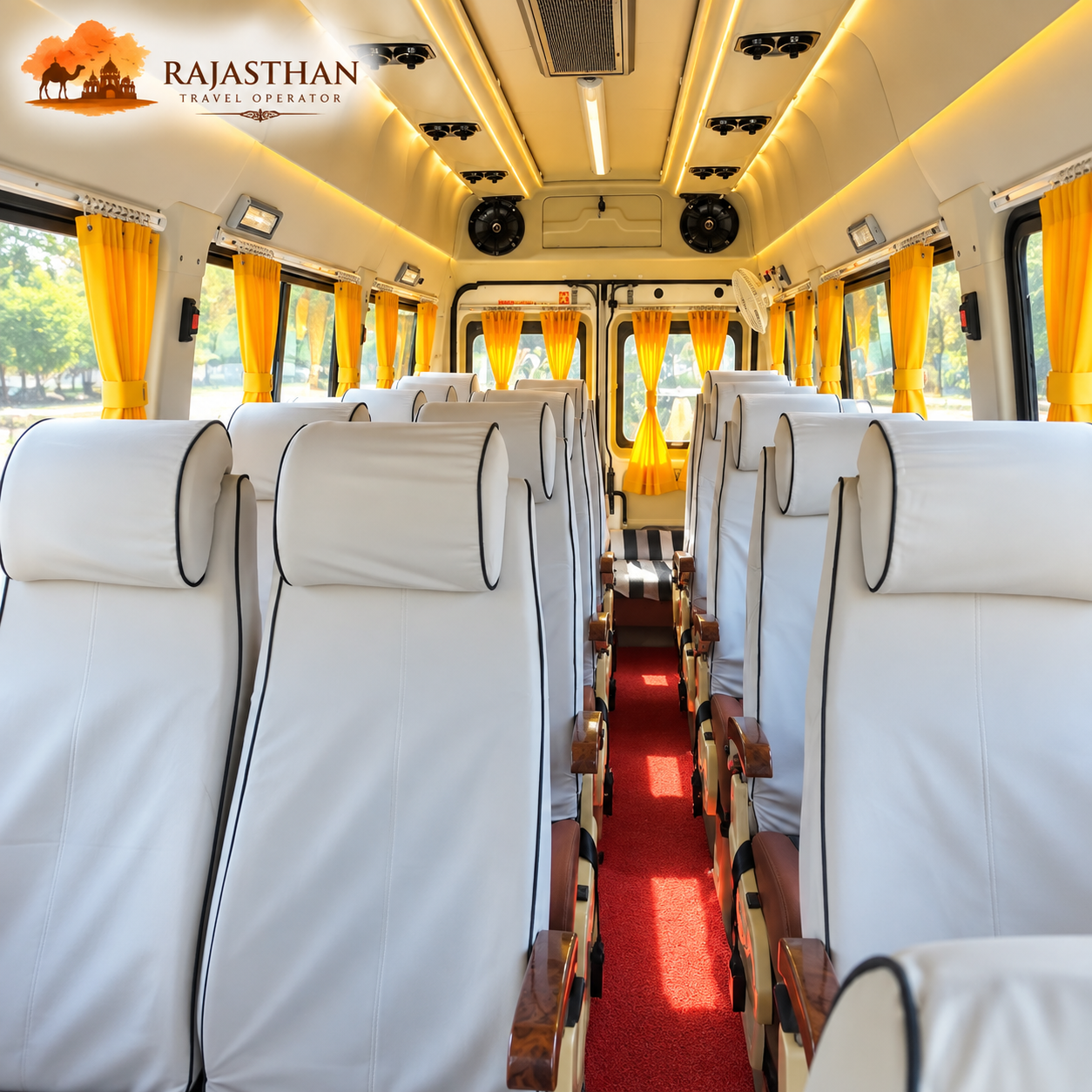
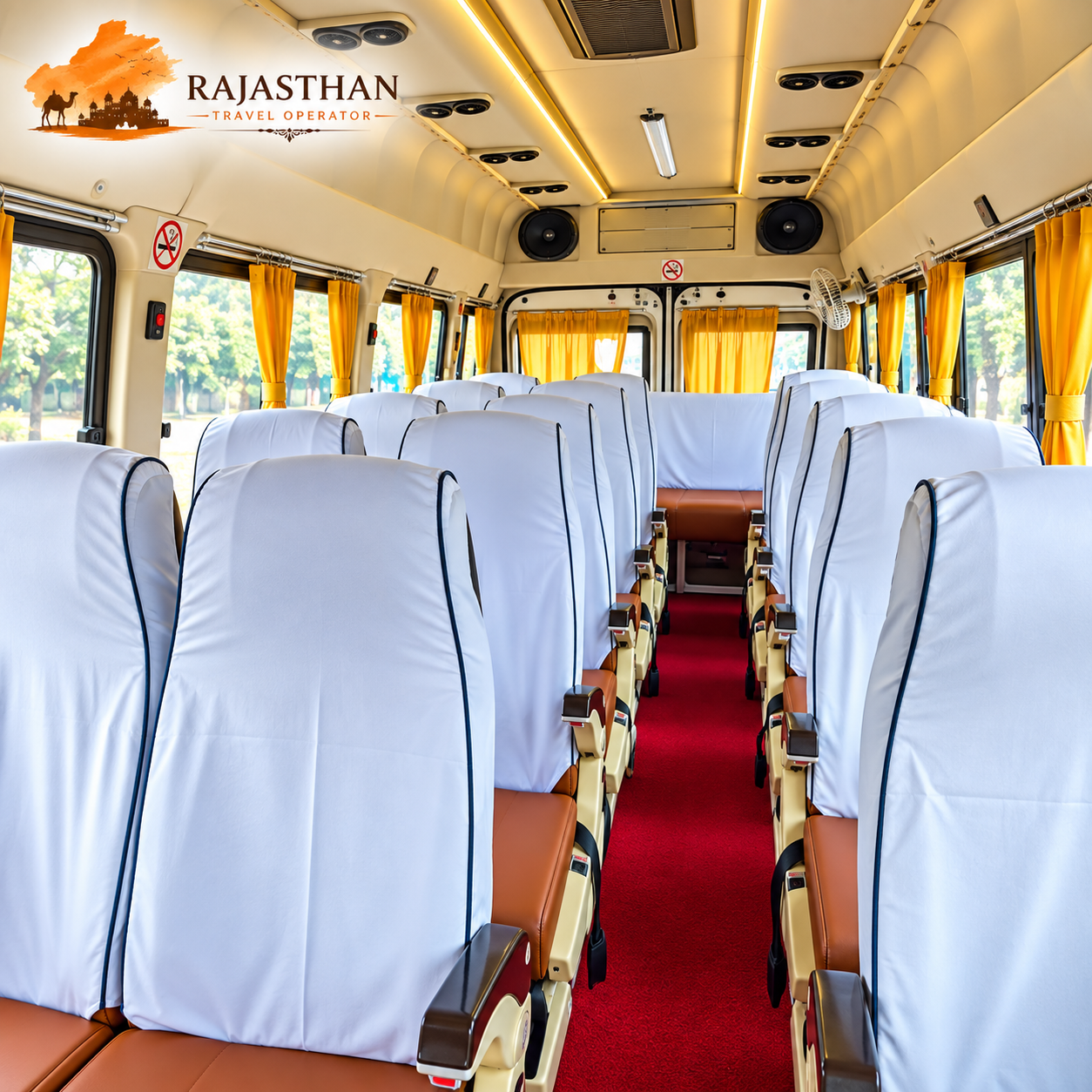
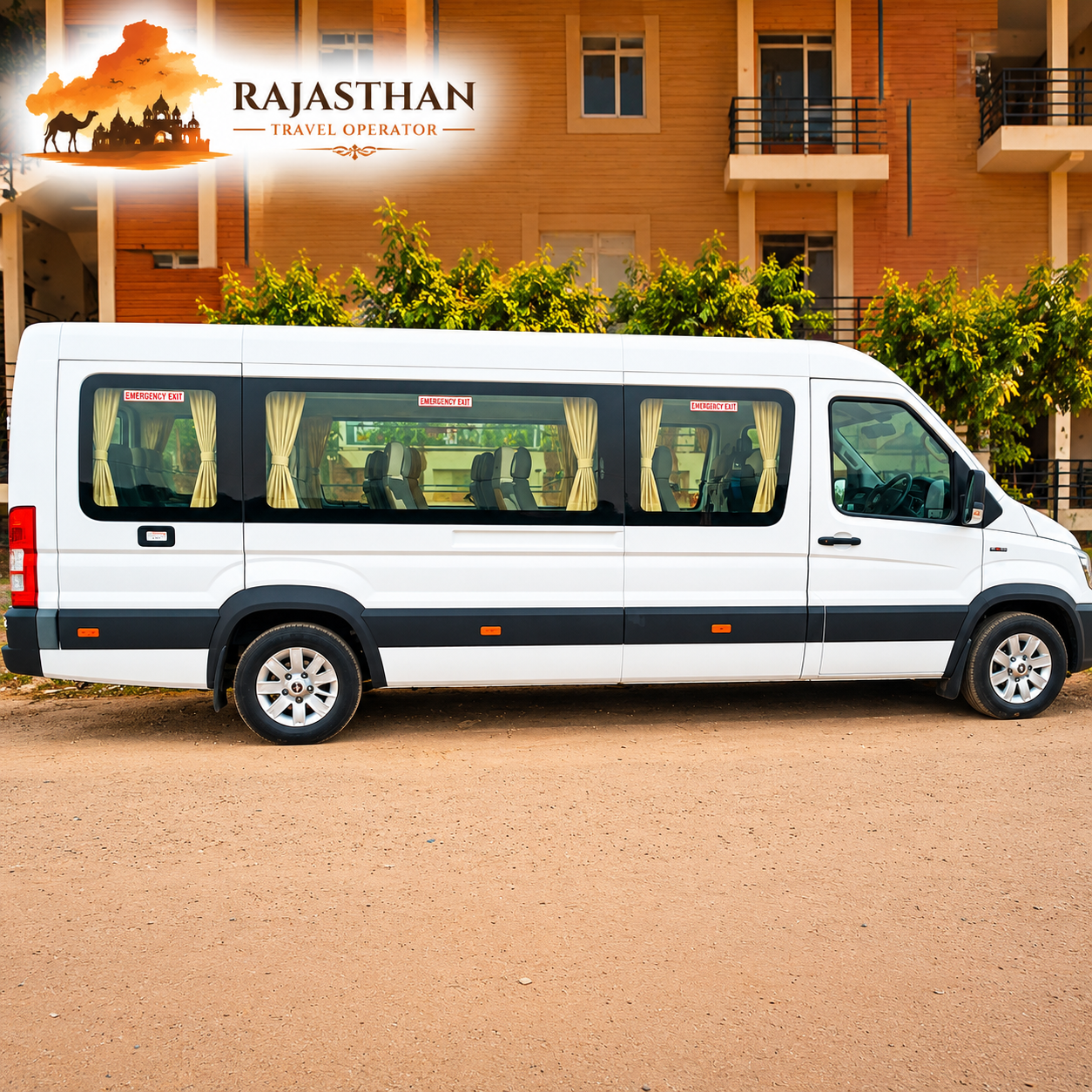
Standard seating on a tempo traveller packs passengers into 2×2 or tighter rows down the length of the cabin, maximising headcount for the body size. A 10 seater tempo travelleror a 12 seater hire in Jaipur both run this layout by default — efficient, familiar, and perfectly comfortable for most trips.
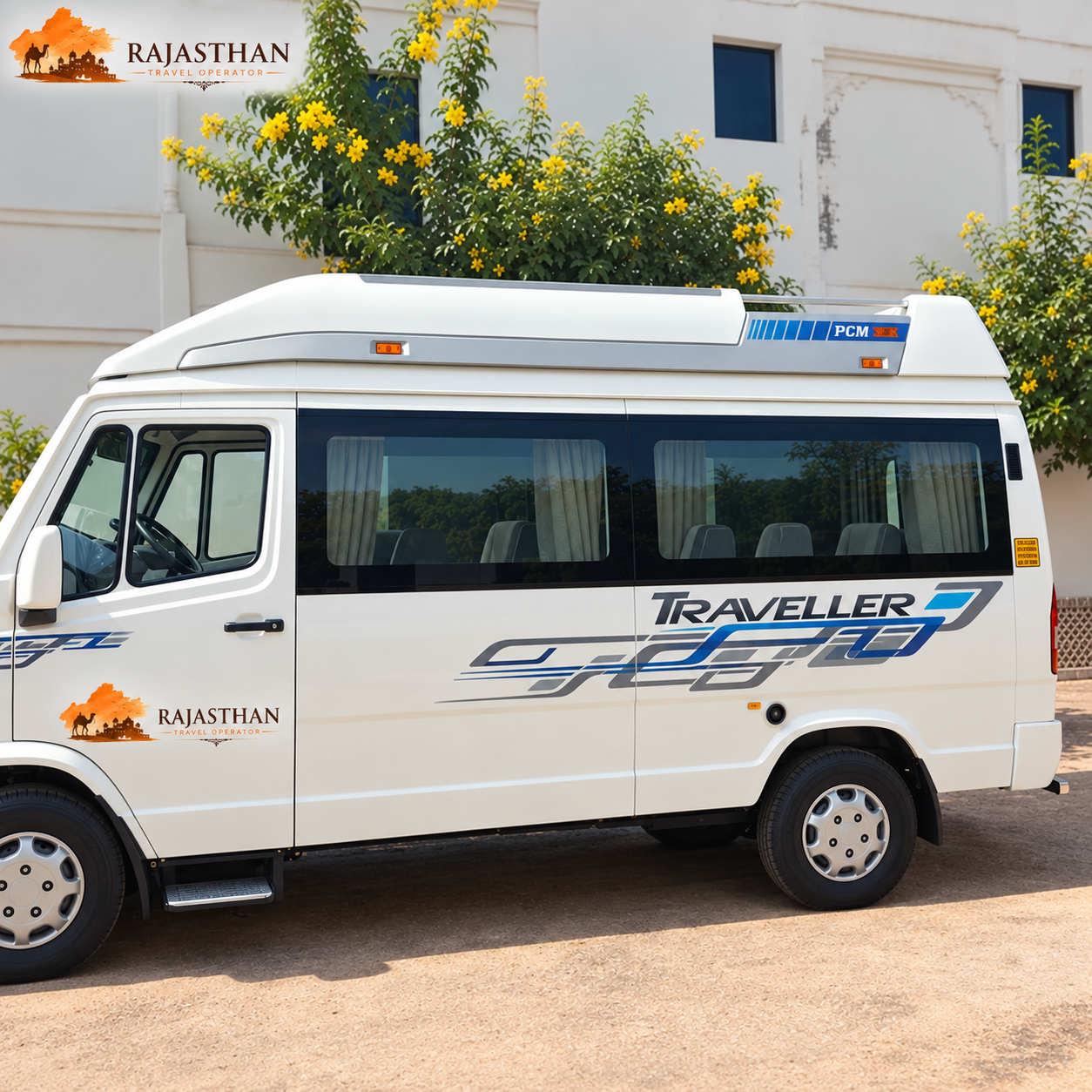
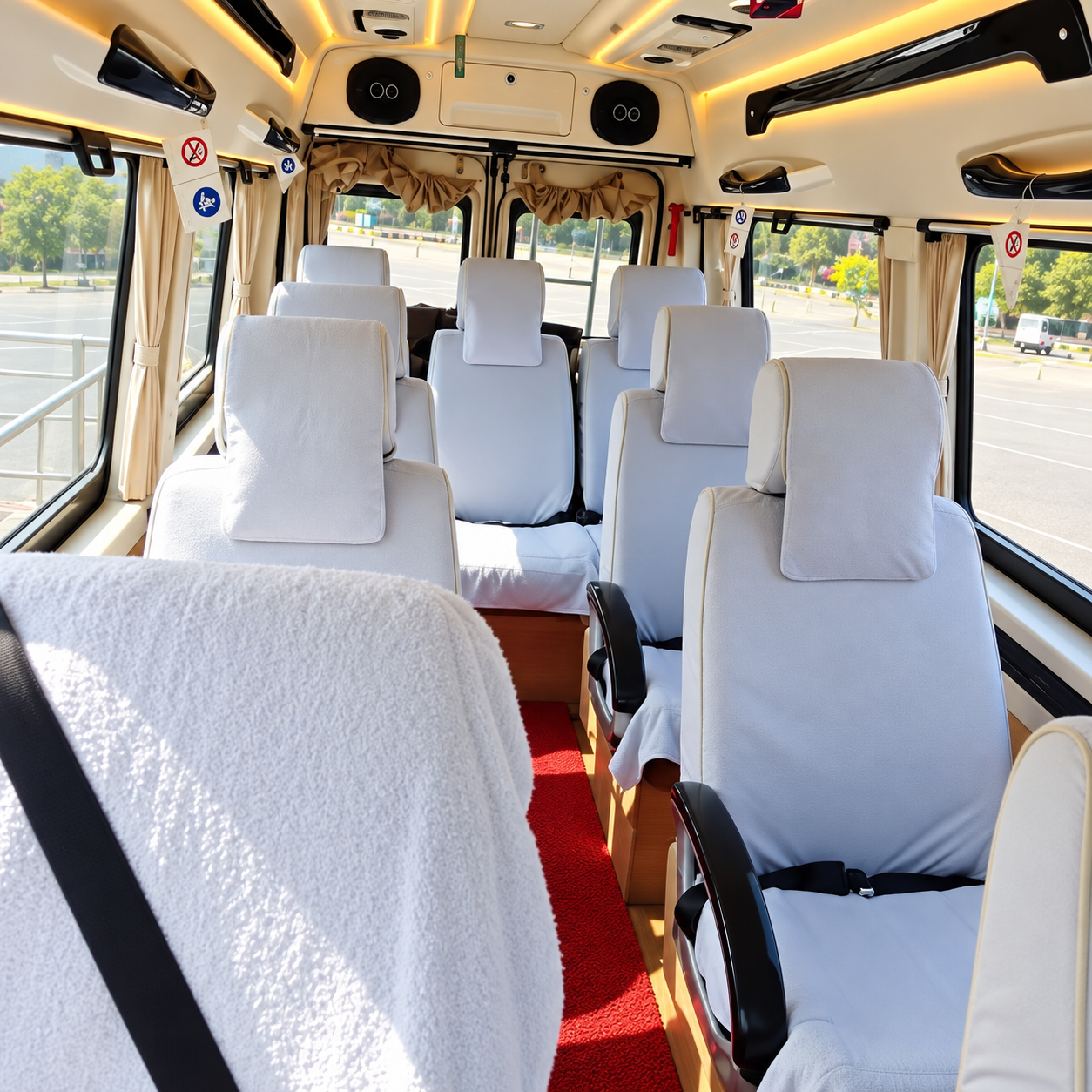
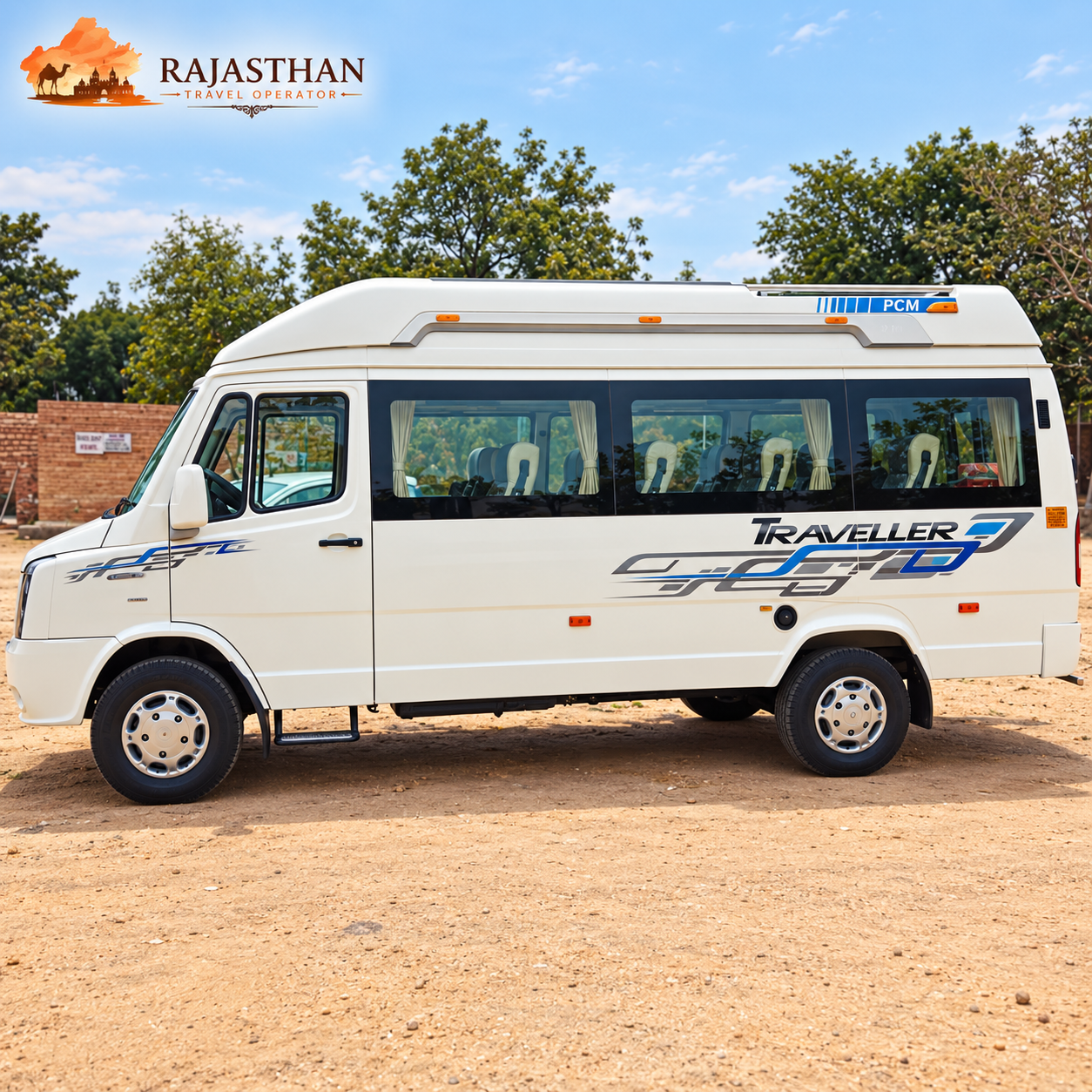
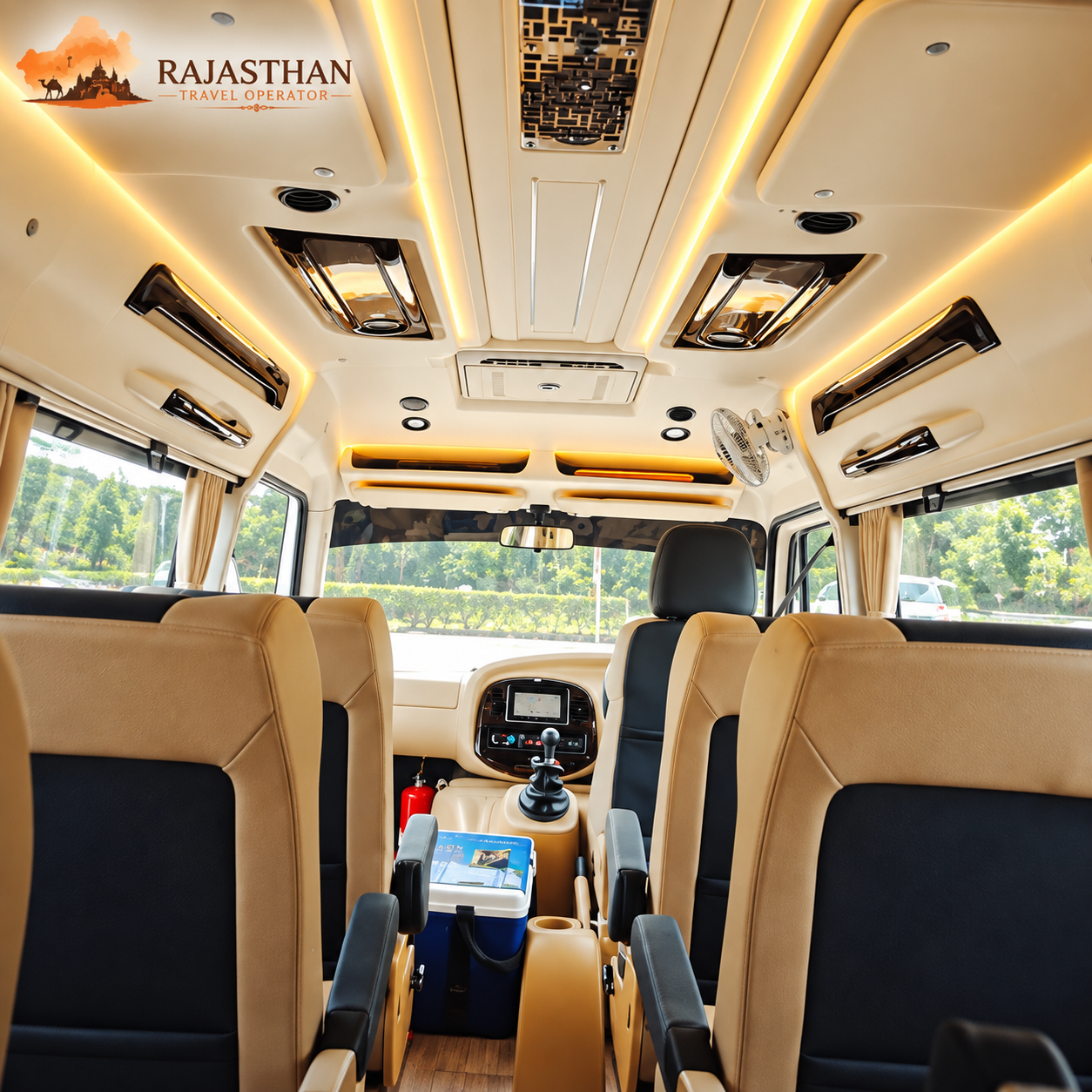
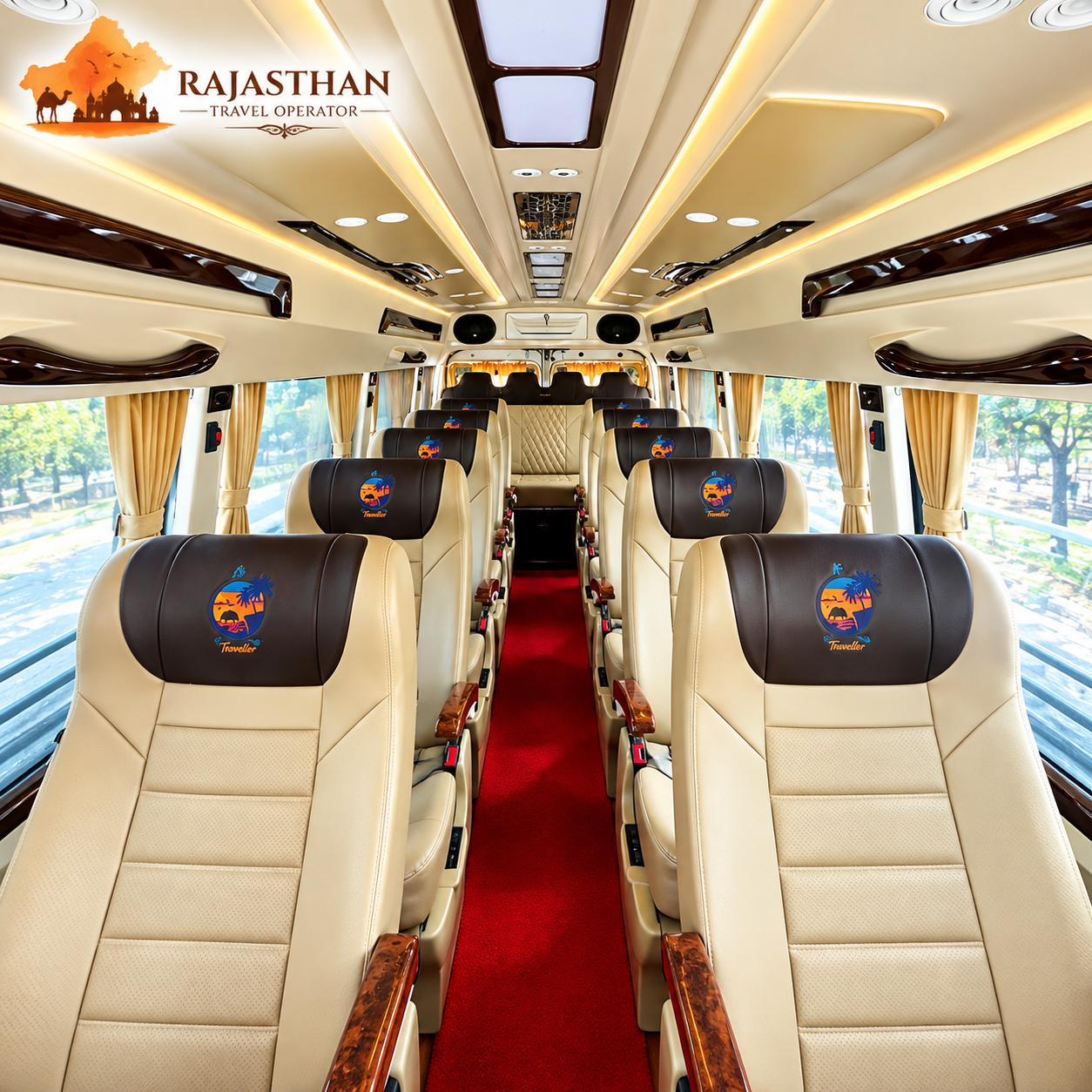
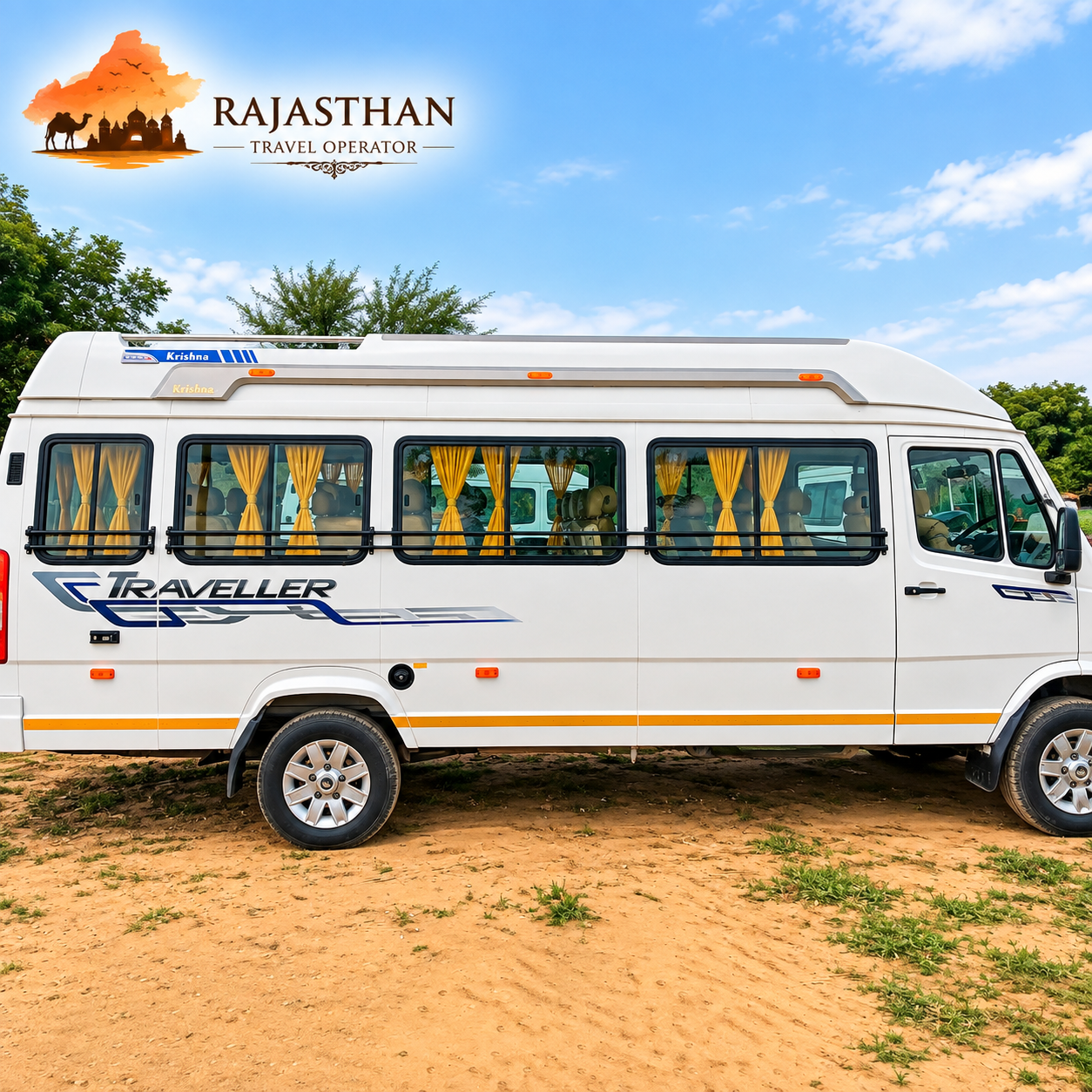
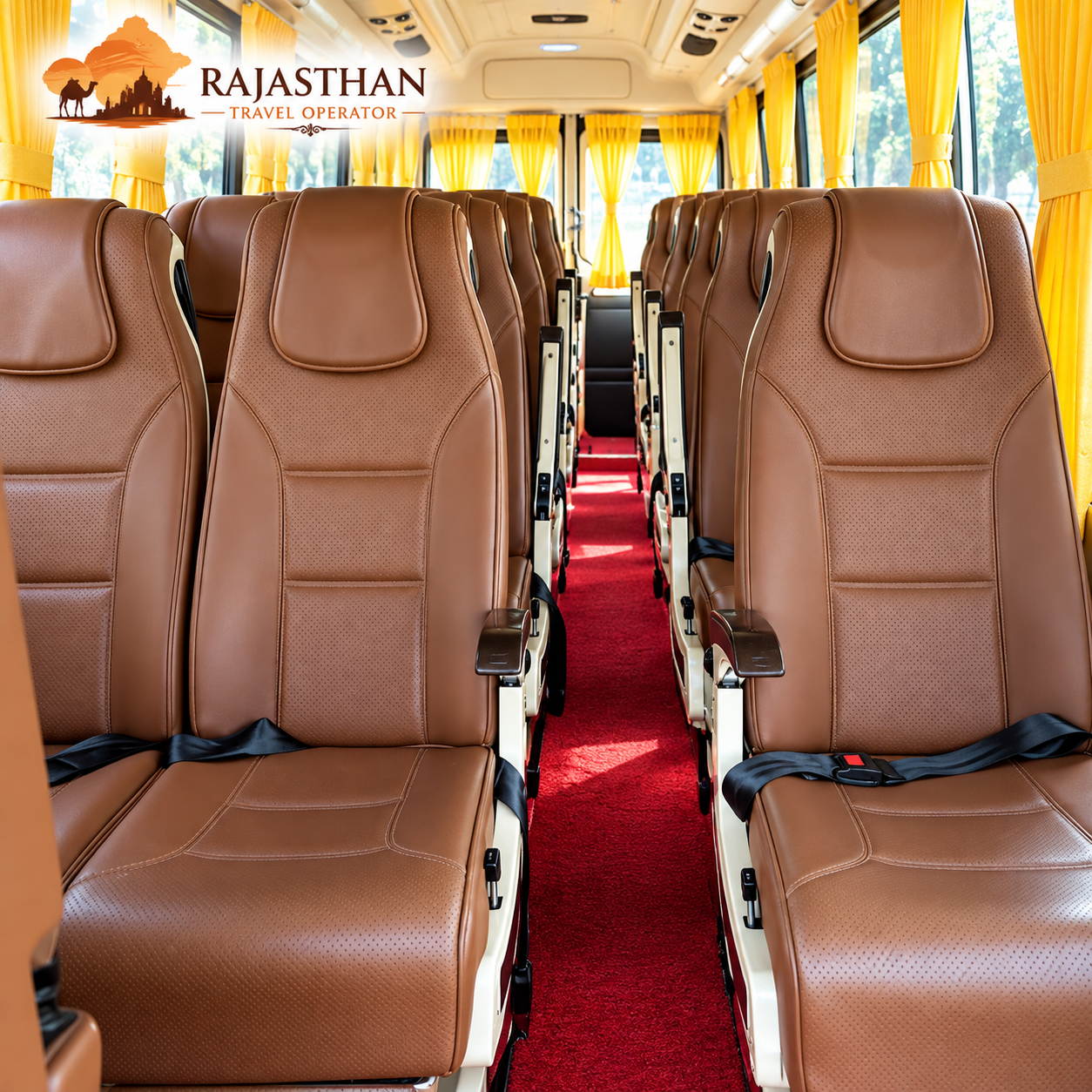
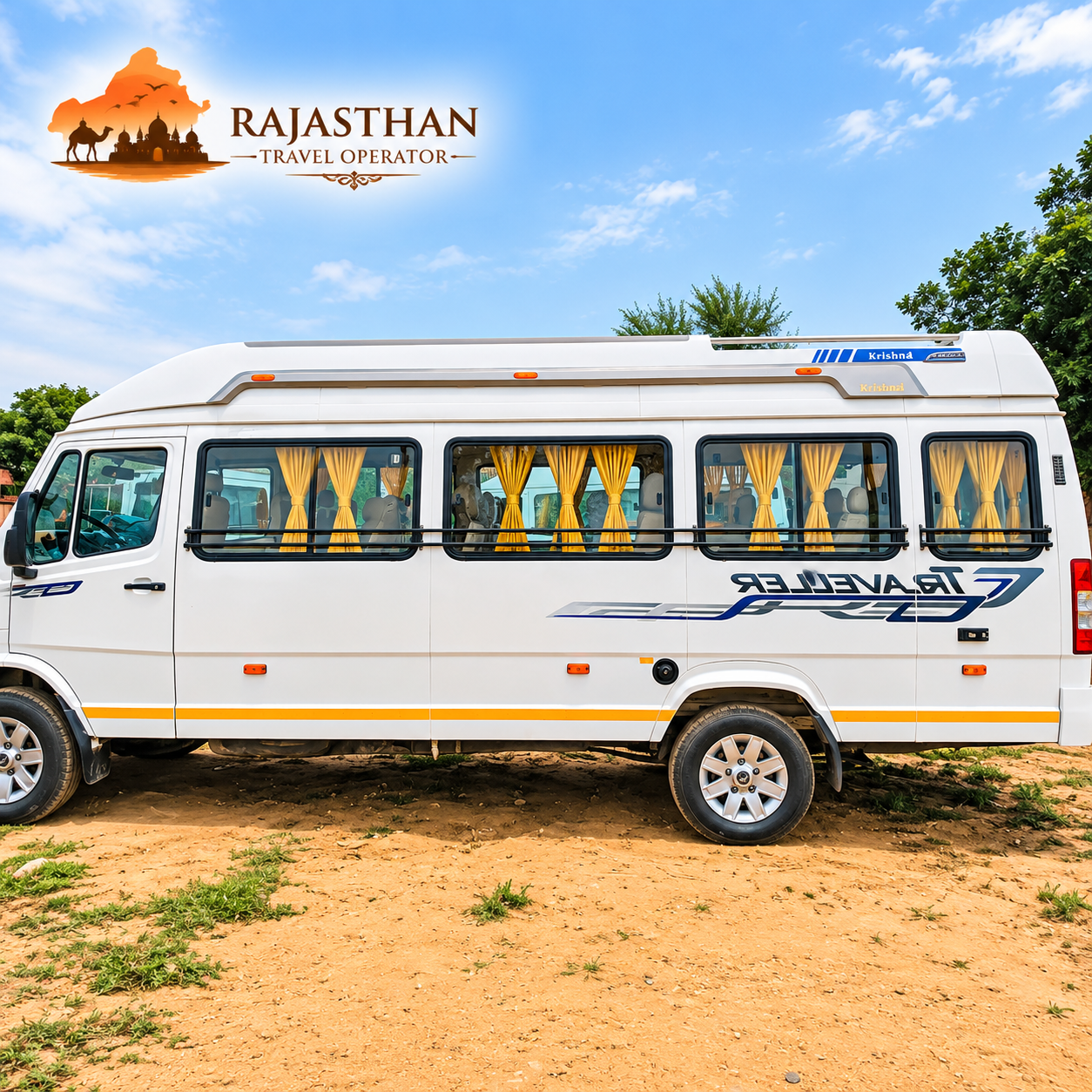
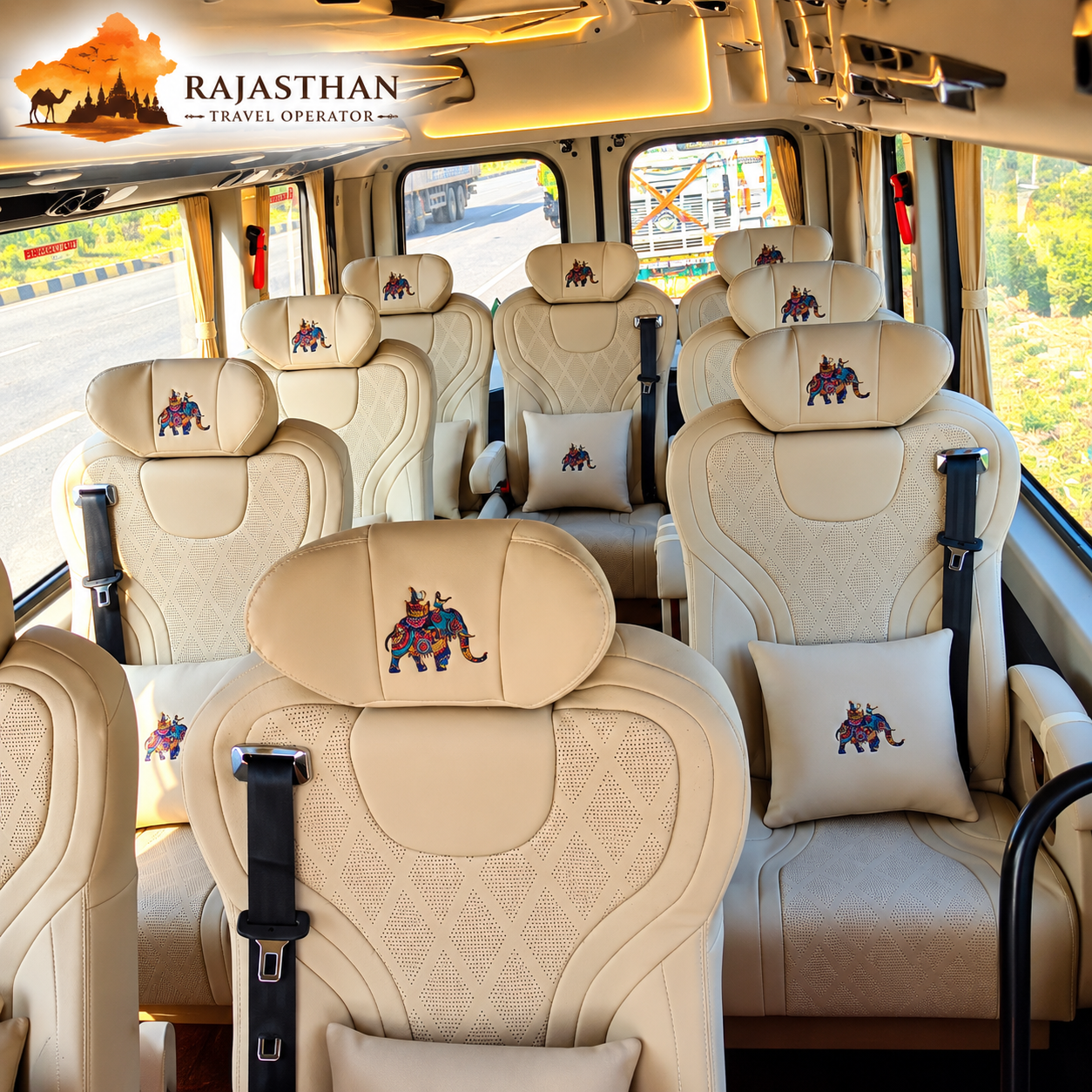
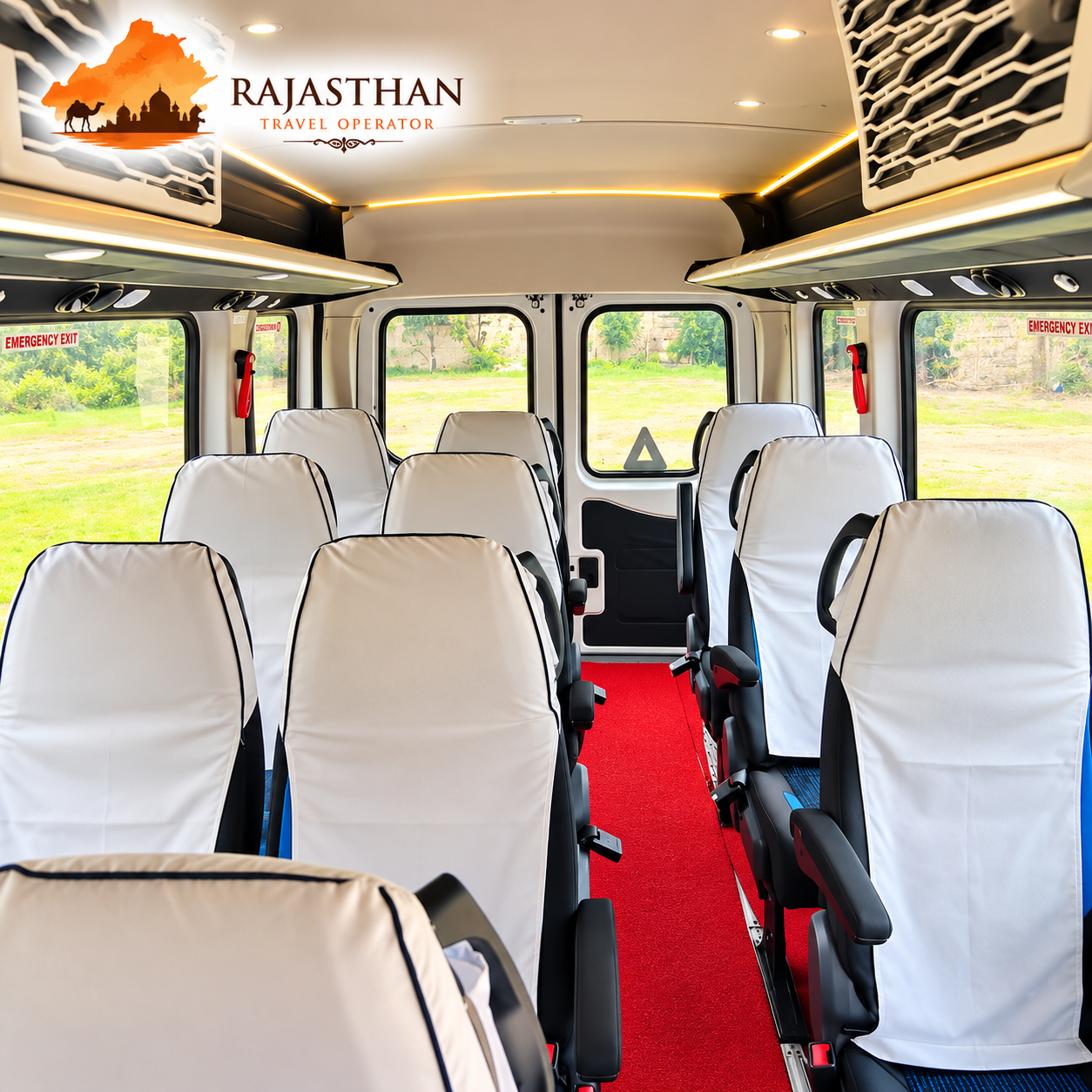
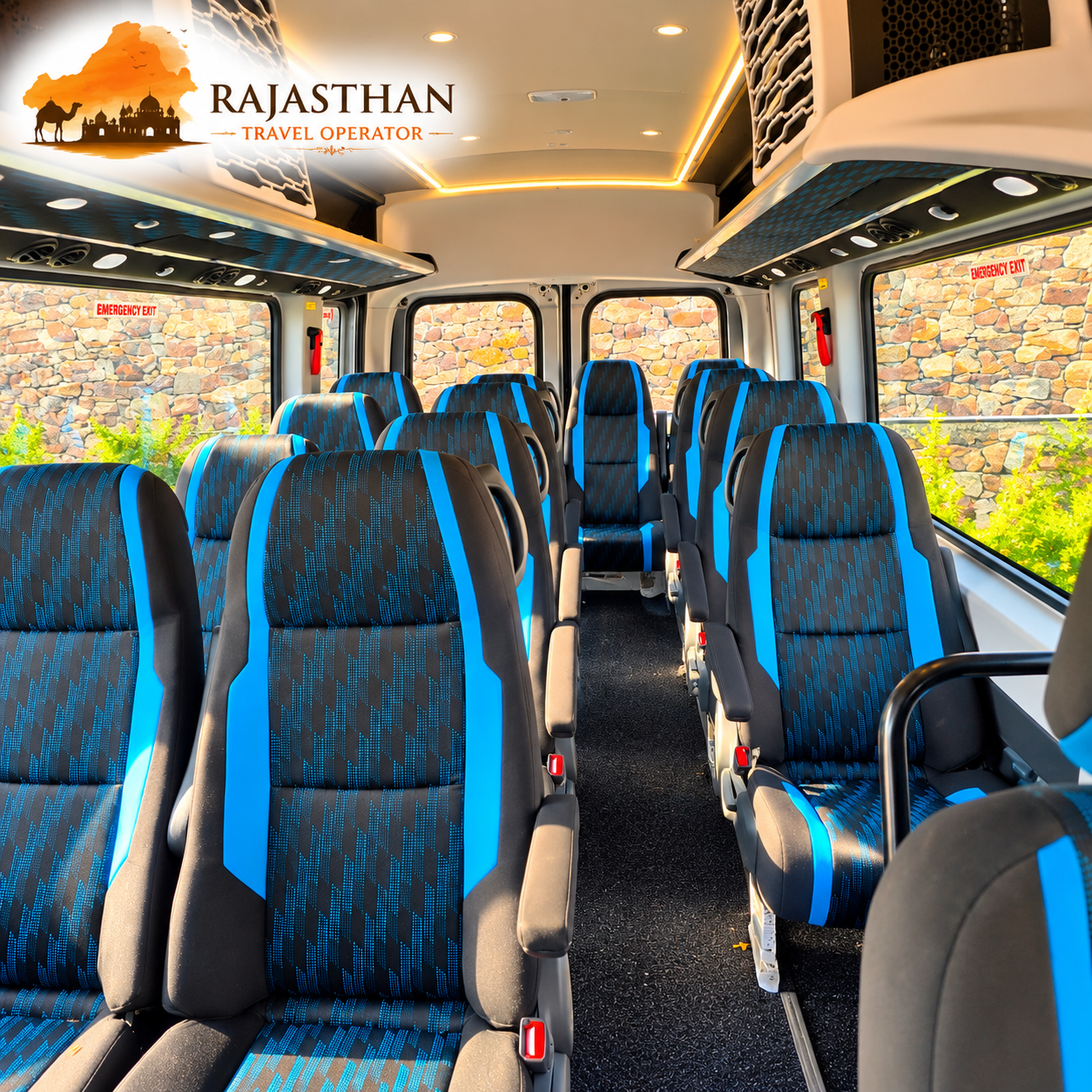
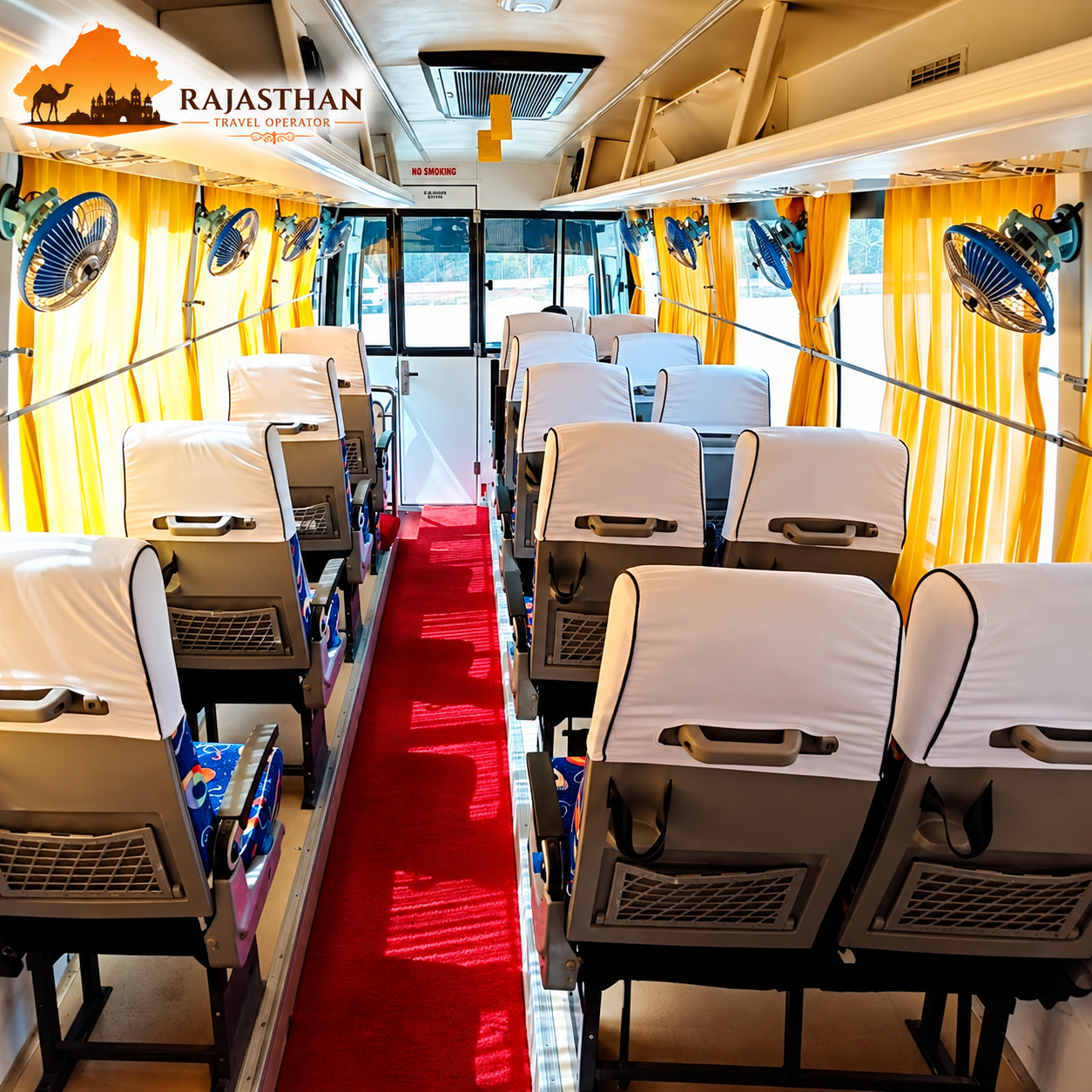
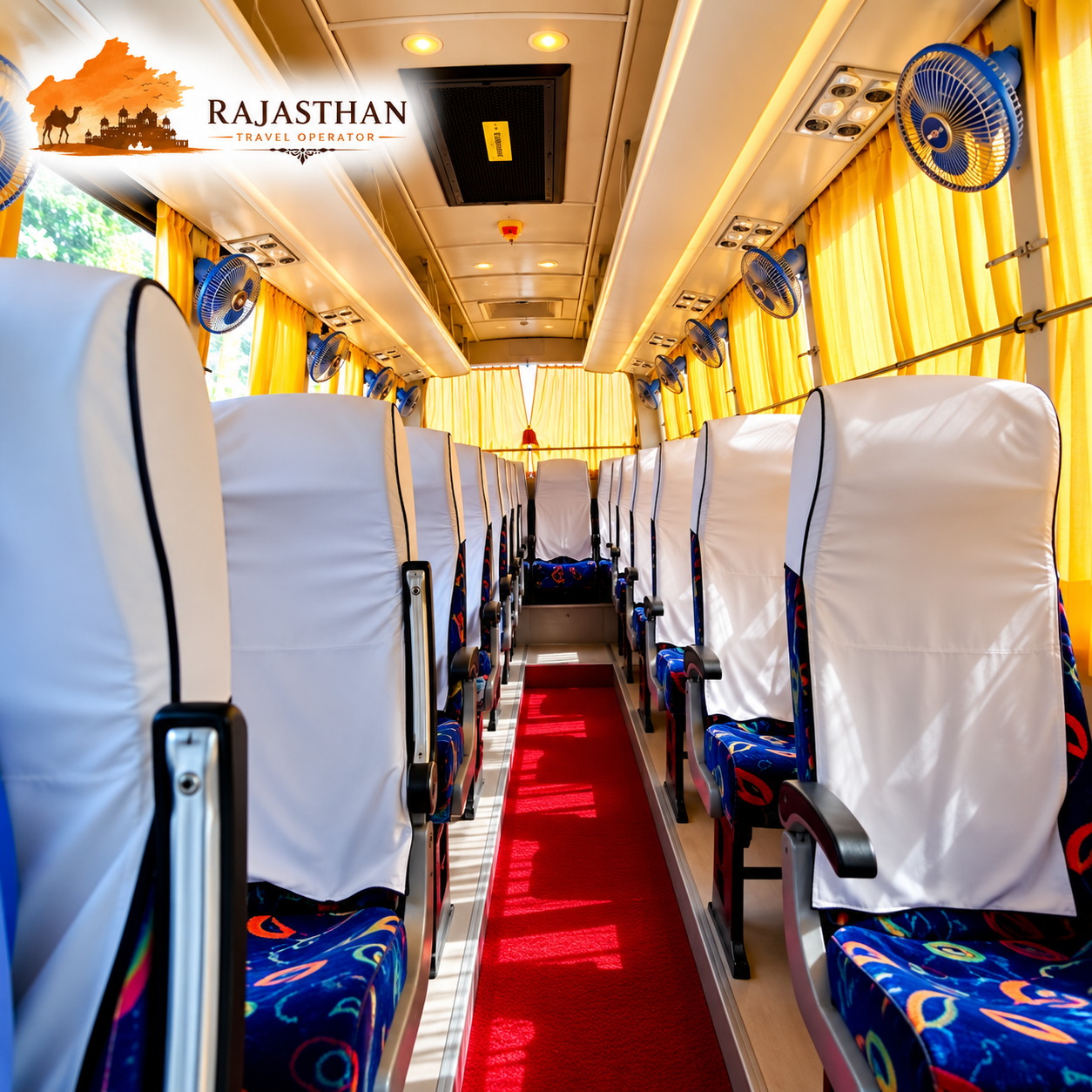
Maharaja seating takes the same body and reduces the seat count to fit fewer, wider individual chairs with armrests on both sides and more distance between rows. A body that would carry sixteen or seventeen in standard configuration might carry nine to twelve in Maharaja layout. You’re not paying for a different vehicle — you’re paying for the same vehicle carrying fewer people, each with more room.
Head-to-Head: What Actually Changes
Seat width and personal space. Standard rows put two adults close enough that shoulders and elbows share space, especially on a full vehicle. Maharaja chairs give each passenger their own defined space with armrests on both sides — the difference is immediately noticeable, and it compounds the longer the trip runs.
Legroom and recline. Standard seating recline is usually minimal to preserve rows. Maharaja chairs typically recline further and sit with more space to the seat in front — meaningful on a six-hour highway leg, barely noticeable on a forty-five-minute city transfer.
Total seats for the same body. This is the actual cost of the upgrade. The same chassis that seats sixteen standard carries roughly nine to twelve in Maharaja configuration. If your group size is fixed, you’re either booking a bigger body to get the same headcount in Maharaja seating, or accepting fewer total seats than the vehicle’s maximum.
Price per seat. Because you’re getting fewer seats from the same vehicle, the cost per passenger goes up — sometimes significantly. This is the number that decides the whole question, and it’s worth asking for directly rather than comparing total vehicle price alone.
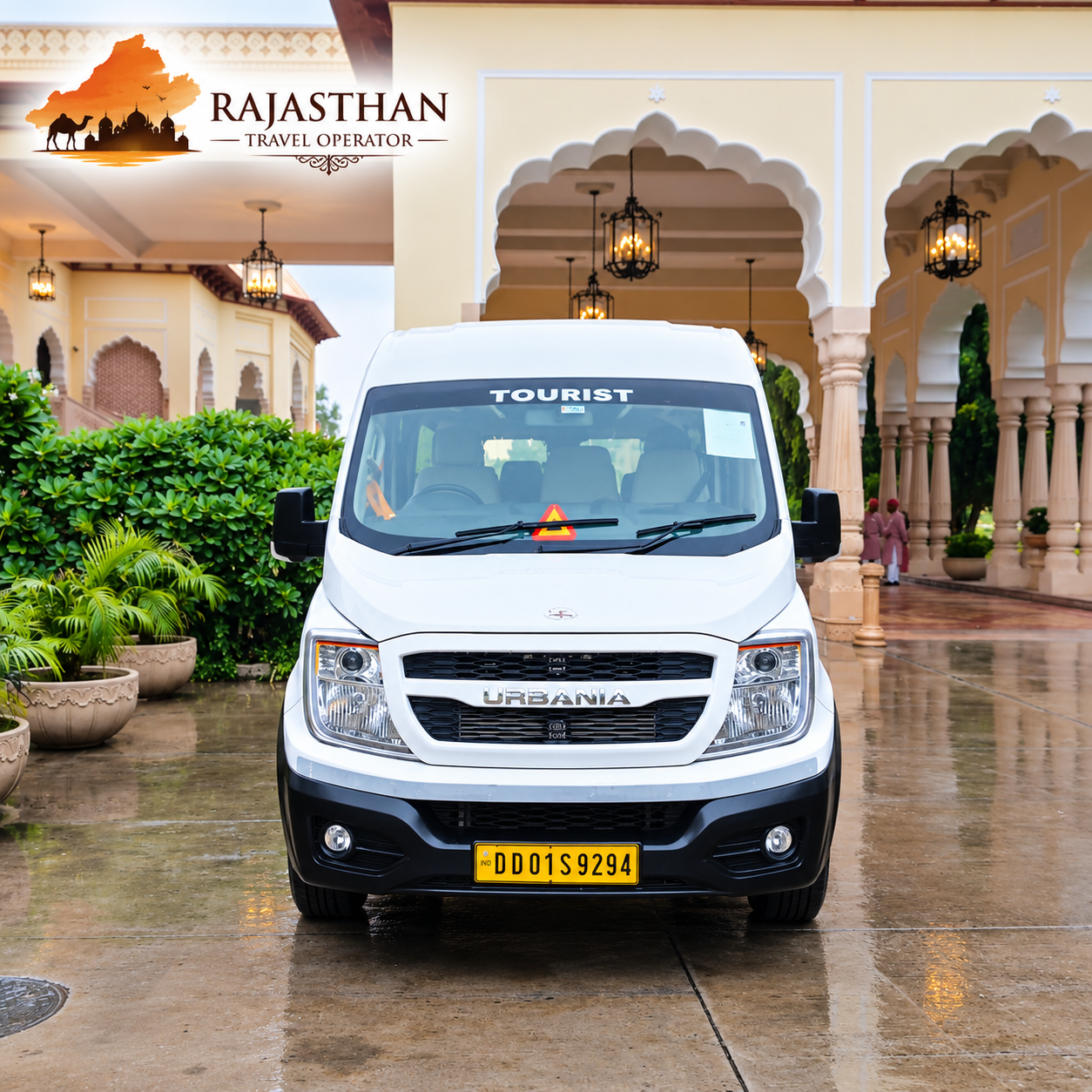
Chassis options. Maharaja seating isn’t tied to one platform. It’s available on standard ladder-frame tempo travellers, which keep the roof carrier advantage, and on the Urbania tempo traveller platform, most notably the 9 seater Urbania with Maharaja seats — which adds a smoother ride but removes roof storage entirely. This is a separate decision layered on top of the seating choice, and it changes the luggage math significantly.
Three Scenarios, Three Different Answers
Scenario one: a small family or couple’s trip, comfort is the actual priority. A honeymoon circuit, an anniversary trip, parents travelling together with no urgency to save money. Here, the upgrade is very likely worth it — the extra space genuinely changes how a multi-day trip feels, and the smaller group size means the per-seat cost increase is manageable across a small headcount.
Scenario two: a mid-size family with an elderly or physically limited passenger. Not the whole group needs the upgrade — one or two people do. Worth asking operators whether a front-row upgrade or a partial Maharaja configuration within a larger standard vehicle is possible, rather than converting the entire booking and paying the premium across everyone.
Scenario three: a large group on a fixed budget, short local trip. This is where the upgrade rarely makes sense. A big group loses the most seats-per-body in a Maharaja configuration, meaning either a much bigger (and pricier) vehicle or splitting across two. And on a short trip, the comfort gap between standard and Maharaja seating is smallest — you’re paying the biggest premium for the smallest benefit.
The Luggage Question Nobody Asks Early Enough
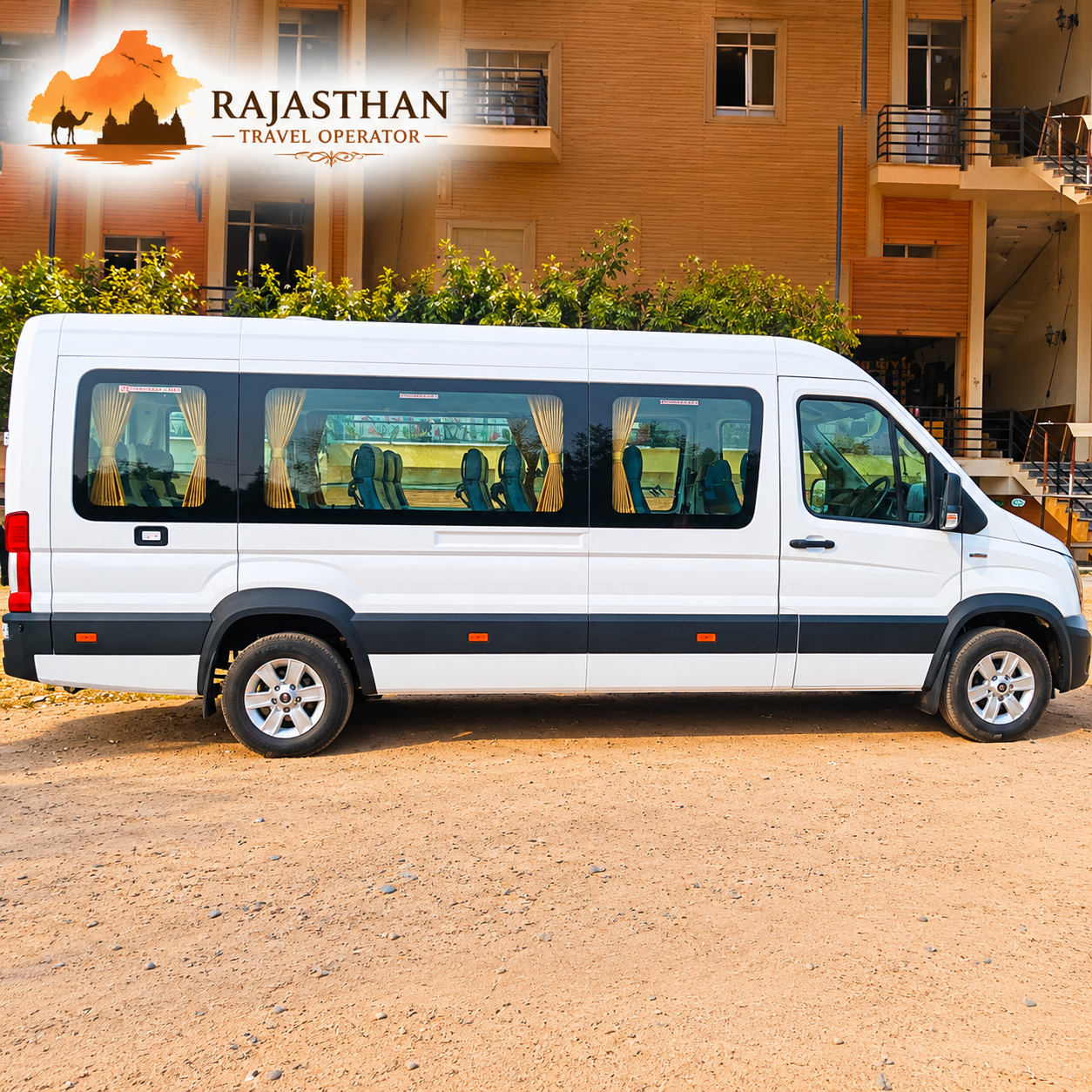
Because Maharaja seating reduces headcount, people sometimes assume it automatically frees up more luggage room too — more space per seat should mean more room for bags, right? Not necessarily, and it depends entirely on which chassis the seating sits inside. On a standard tempo traveller body with a roof carrier, yes — fewer passengers with wider seats plus a full roof carrier is a genuinely spacious luggage setup. On the Urbania platform, no — there’s no roof carrier at any configuration, so all luggage still travels inside a cabin that’s already given up floor space to wider seating.
Always ask which chassis your Maharaja seating sits inside before assuming anything about luggage capacity. It’s the single most consequential question in this entire decision, more than the seat comfort itself.
Doing the Actual Cost-Benefit Math
Ask for two numbers from the operator: the total vehicle price for the Maharaja configuration, and the seat count it actually carries. Divide one by the other to get your real per-seat cost. Then compare that against the per-seat cost of a standard vehicle at the size you’d need for the same headcount — for example, a 16 seater tempo traveller or a tempo traveller 17 seater in standard configuration, if your group is genuinely that large.
If the per-seat gap is small and the trip involves long highway hours, the upgrade usually earns its cost. If the gap is large and the trip is short or the group is big, the standard configuration usually wins on pure value — and there’s no shame in that; comfort upgrades are a choice, not an obligation.
Trim Adds a Second Layer to This Decision
Maharaja seating and trim level are separate choices that stack together. A basic Maharaja configuration gets you the wider seats with standard AC and finish. A luxury tempo traveller trim on top of Maharaja seating adds roof-mounted AC, better upholstery, and a more finished cabin. On the Urbania side, the equivalent step-up is luxury Urbania tempo traveller trim, which pairs particularly well with Maharaja seating for the smallest, most comfort-focused bookings.
If you’ve already decided the seating upgrade is worth it, it’s worth asking whether the trim upgrade is a small additional cost on top — often it is, since you’ve already committed to paying a premium for comfort, and the incremental cost of better AC and finish is usually smaller than the seating upgrade itself.
A Simple Way to Decide
Answer these three questions honestly. Is your group small enough that the per-seat cost increase stays manageable — roughly nine to twelve people, not sixteen or more? Does your trip include real highway hours where extra recline and space would actually get used, not just a short local circuit? And have you confirmed which chassis the Maharaja seating sits inside, and matched that against your actual luggage needs?
If all three point toward yes, the upgrade is very likely worth booking. If any of them point the other way, it’s worth pricing out the standard configuration seriously before committing to the premium — full comparisons across the standard fleet are on the tempo traveller on rent page, alongside the 12 seater Urbania if ride comfort without the full Maharaja seat count reduction is more what you’re after.
Frequently Asked Questions
Is Maharaja seating always more expensive per seat? Yes, essentially always — since the same vehicle carries fewer passengers, the cost is spread across a smaller headcount. The size of that increase varies by operator, so ask for the exact per-seat figure before deciding.
Can I get Maharaja seating for just a few passengers, not the whole vehicle? Sometimes — ask the operator directly whether a partial configuration or front-row upgrade is possible within a larger standard vehicle, especially useful when only one or two passengers genuinely need the extra space.
Does Maharaja seating come with a roof carrier? Only on a standard ladder-frame chassis. The Urbania version, including the 9 seater Urbania with Maharaja seats, has no roof carrier at any configuration — confirm which chassis you’re booking before finalising luggage plans.
Is it worth it for a short trip? Generally no — the comfort gap between standard and Maharaja seating is smallest on short trips, meaning you’re paying the biggest relative premium for the least noticeable benefit.
How do I compare Maharaja seating against a standard vehicle fairly? Divide the total quoted price by the actual seat count to get a per-seat cost, then compare that against a standard vehicle sized for the same headcount. That single number cuts through most of the marketing language around this upgrade.
Final Word
Maharaja seating isn’t a universal upgrade — it’s a genuine trade-off that’s worth it for some trips and not for others, and the honest answer depends on your group size, your route, and which chassis you’re actually booking. Do the per-seat math, confirm the chassis and luggage situation, and match the upgrade to a trip that will actually use the extra comfort. Get that right, and it’s one of the most worthwhile upgrades available in Jaipur. Get it wrong, and it’s an expensive way to move fewer people than you needed to.