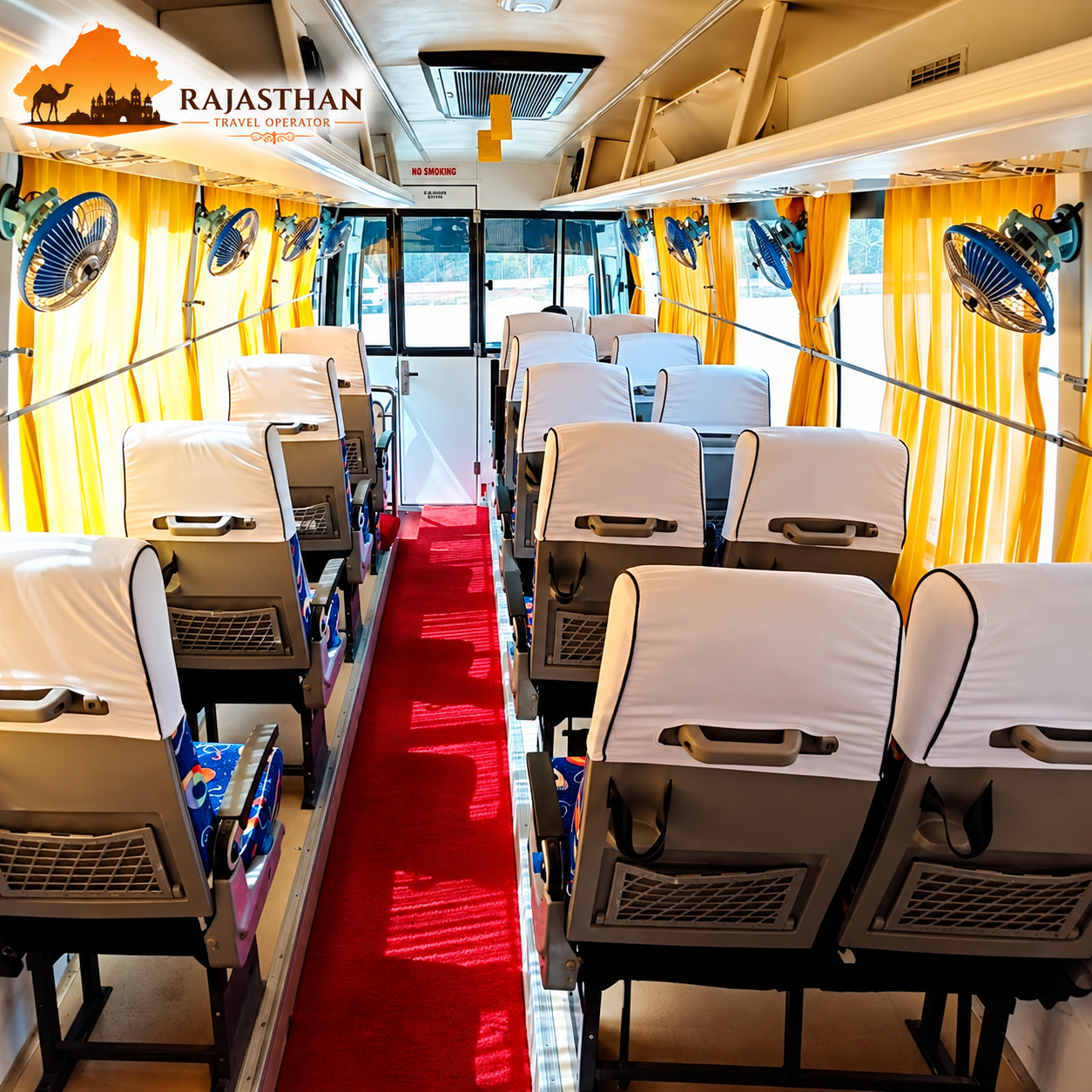
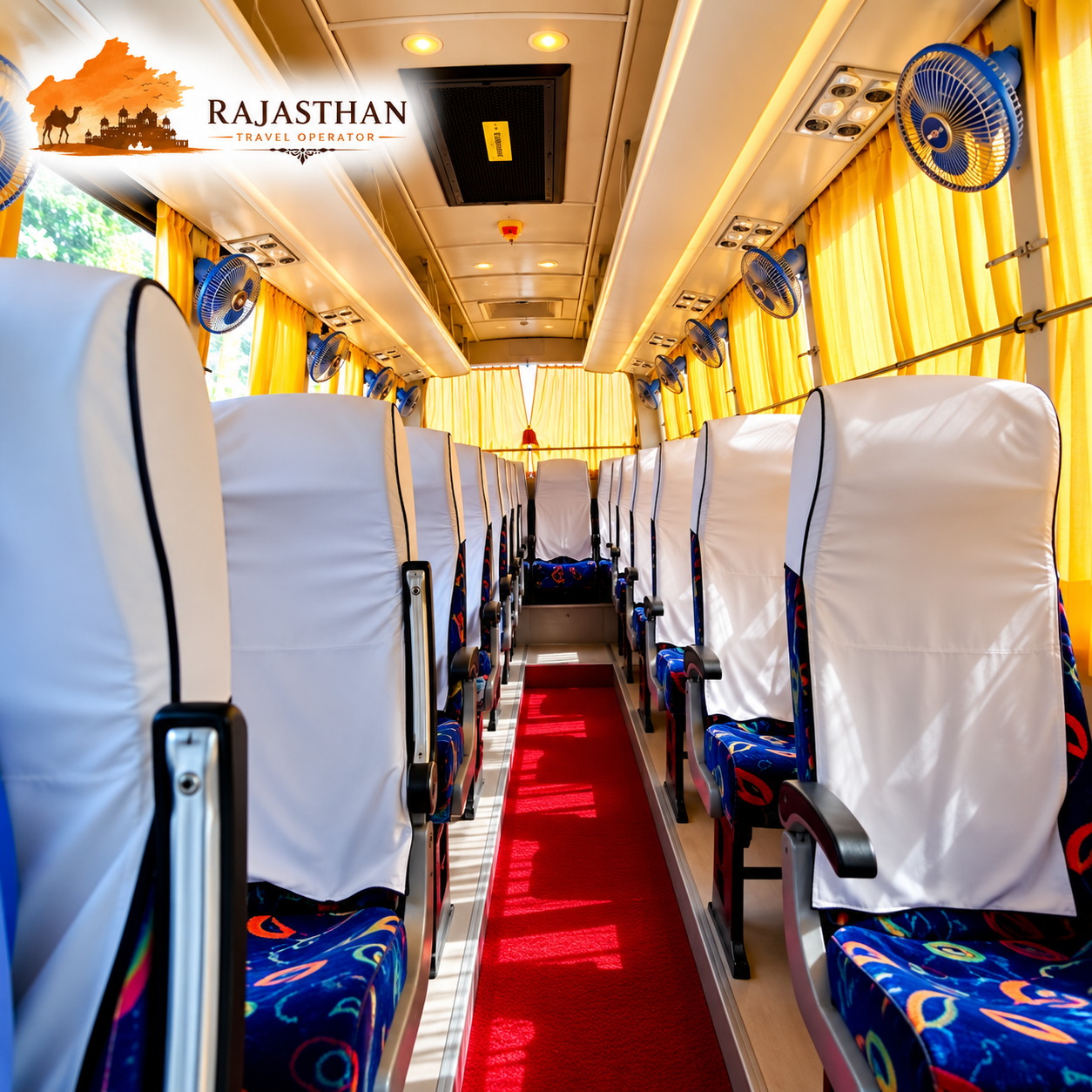
Every guide to this vehicle mentions the same fact in passing: no roof carrier. Then it moves on to seats and AC. This one stays on that single fact and actually works through what it means for real luggage, because it’s the one detail that decides whether your trip goes smoothly or turns into a packing puzzle at 6 a.m. on departure day.
Why This Even Needs Its Own Guide
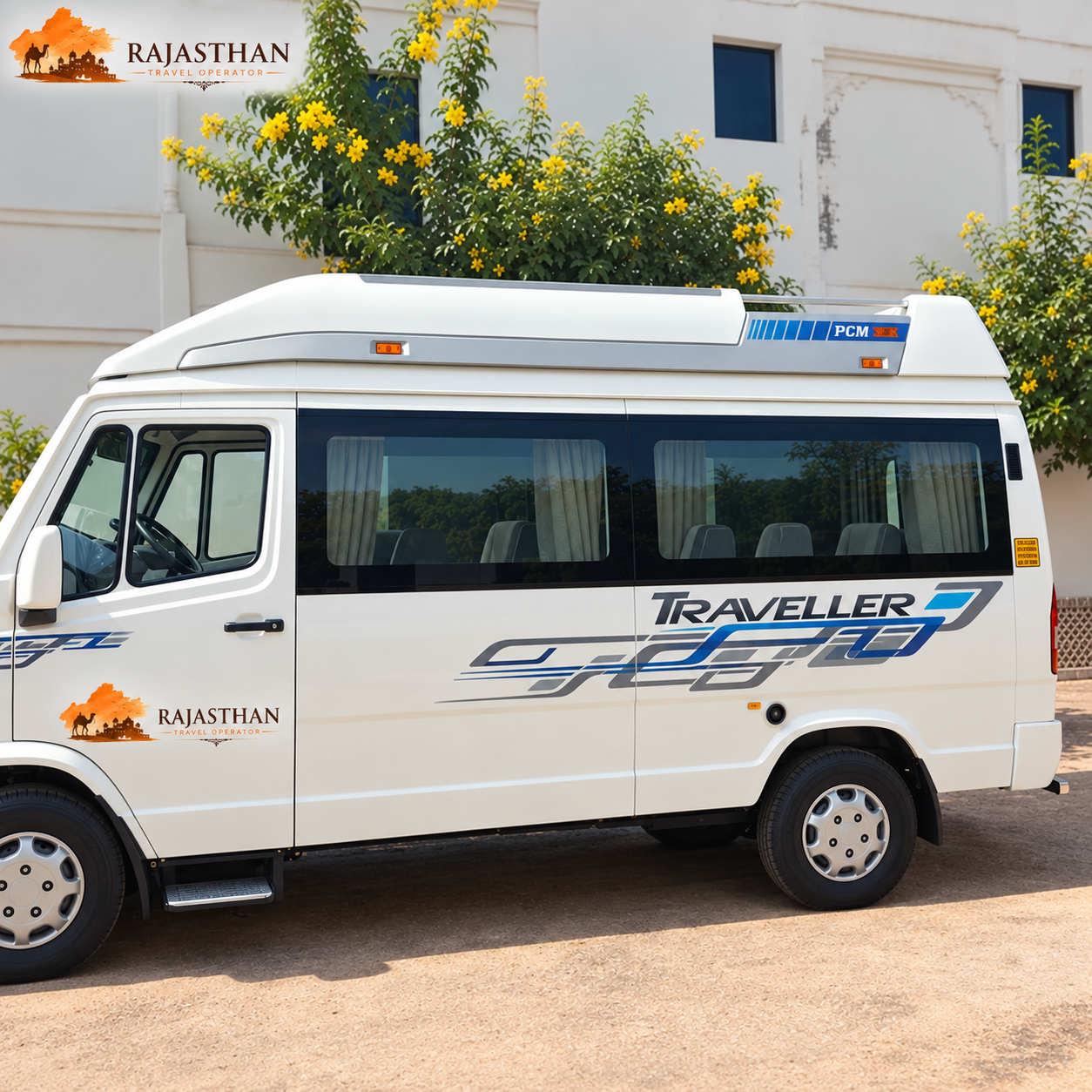
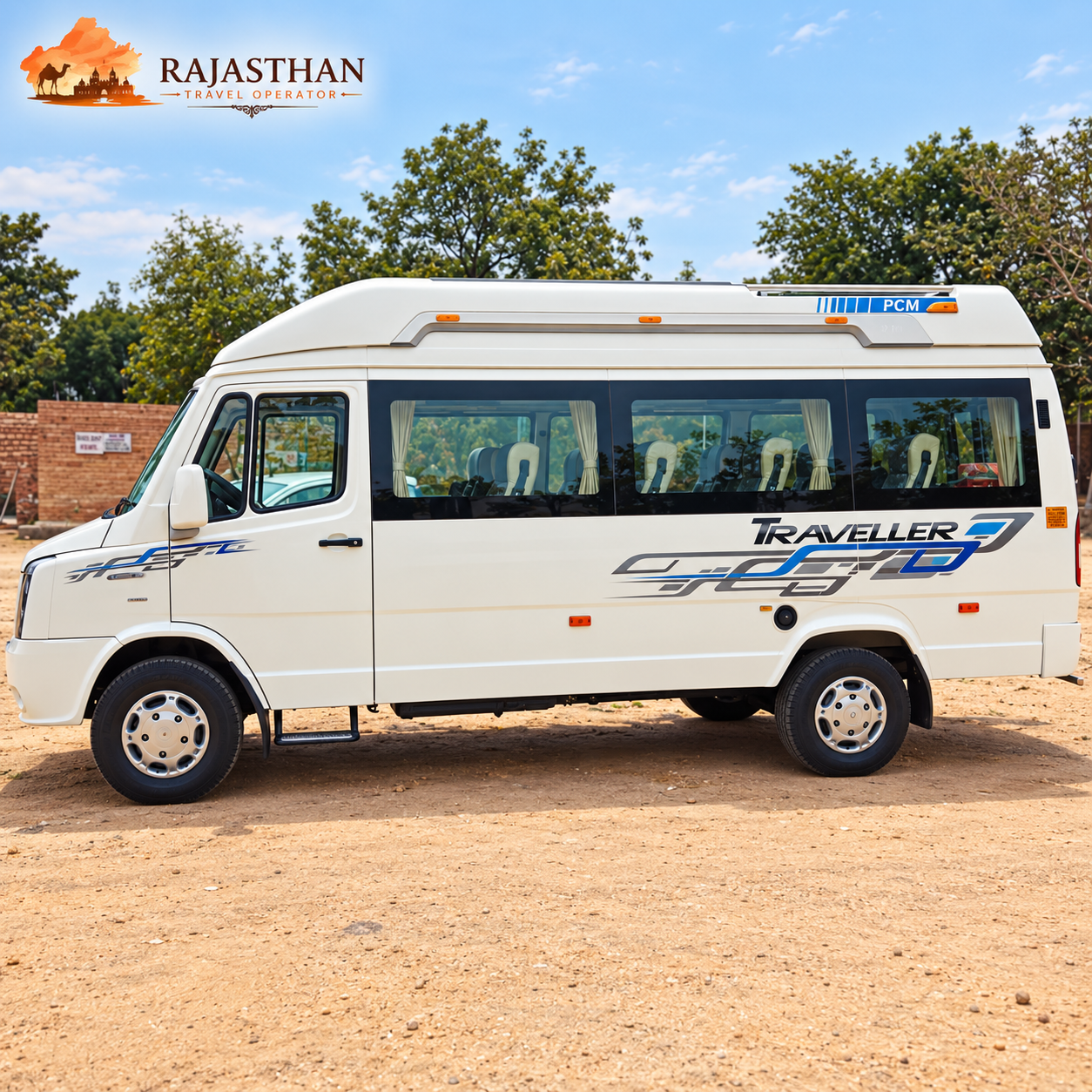
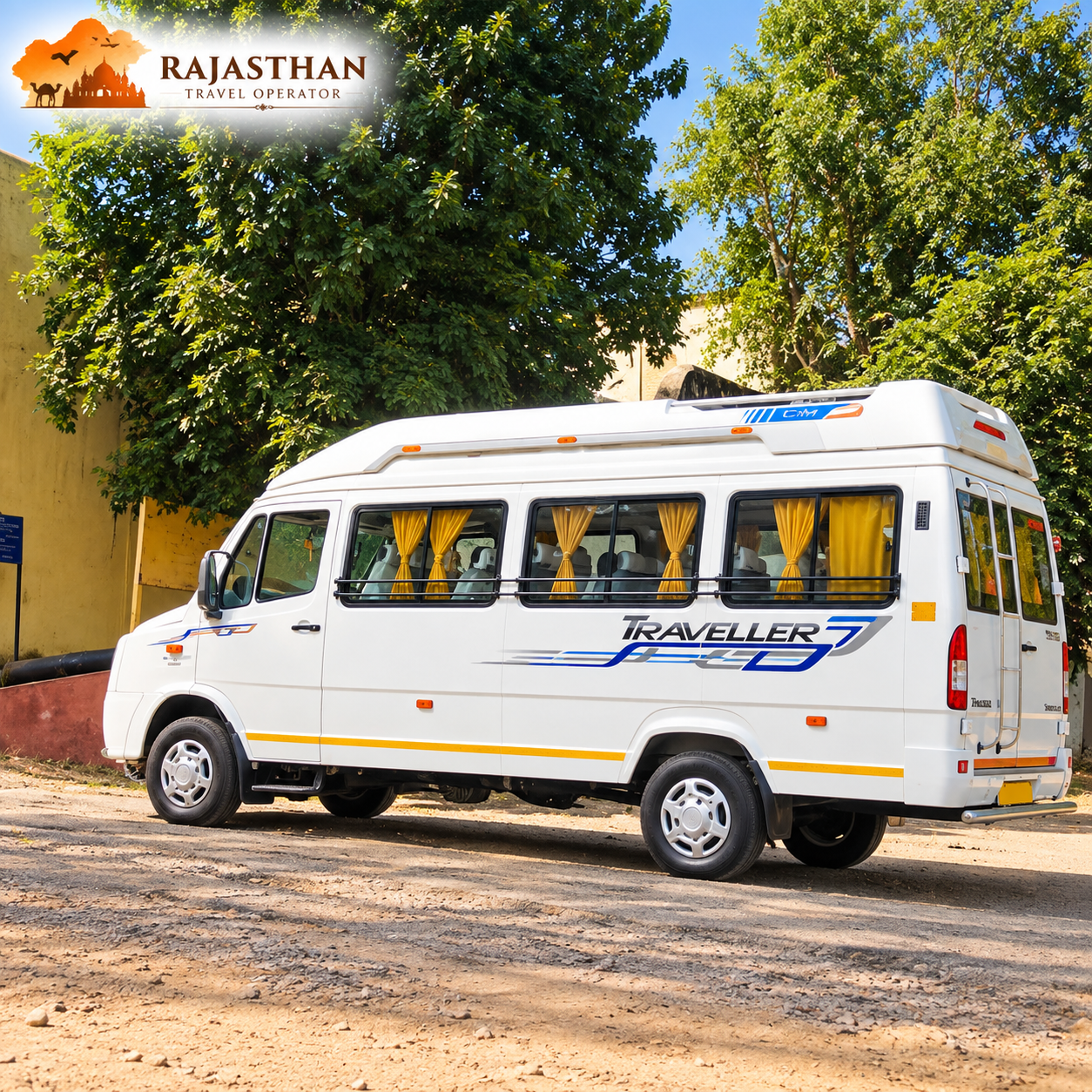
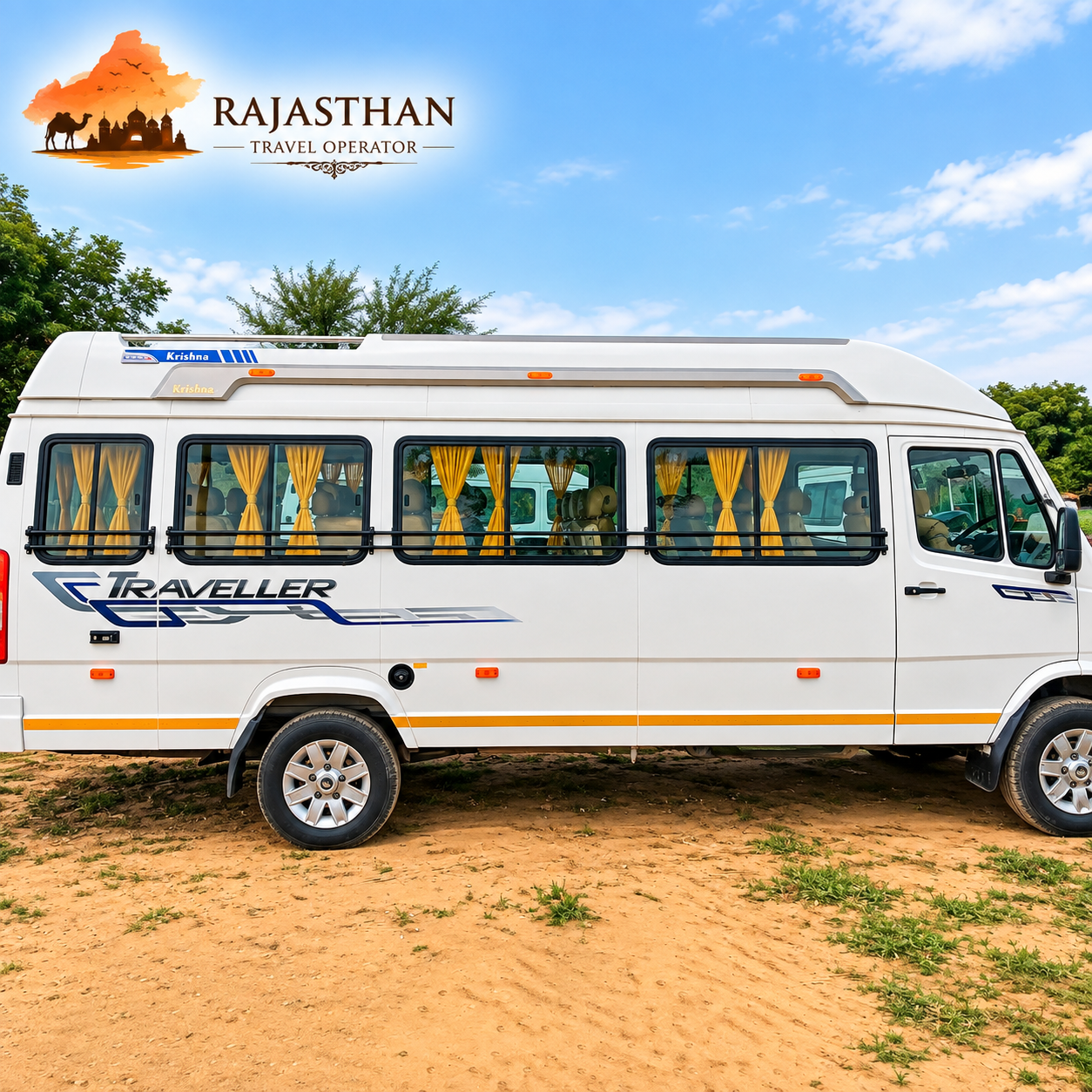
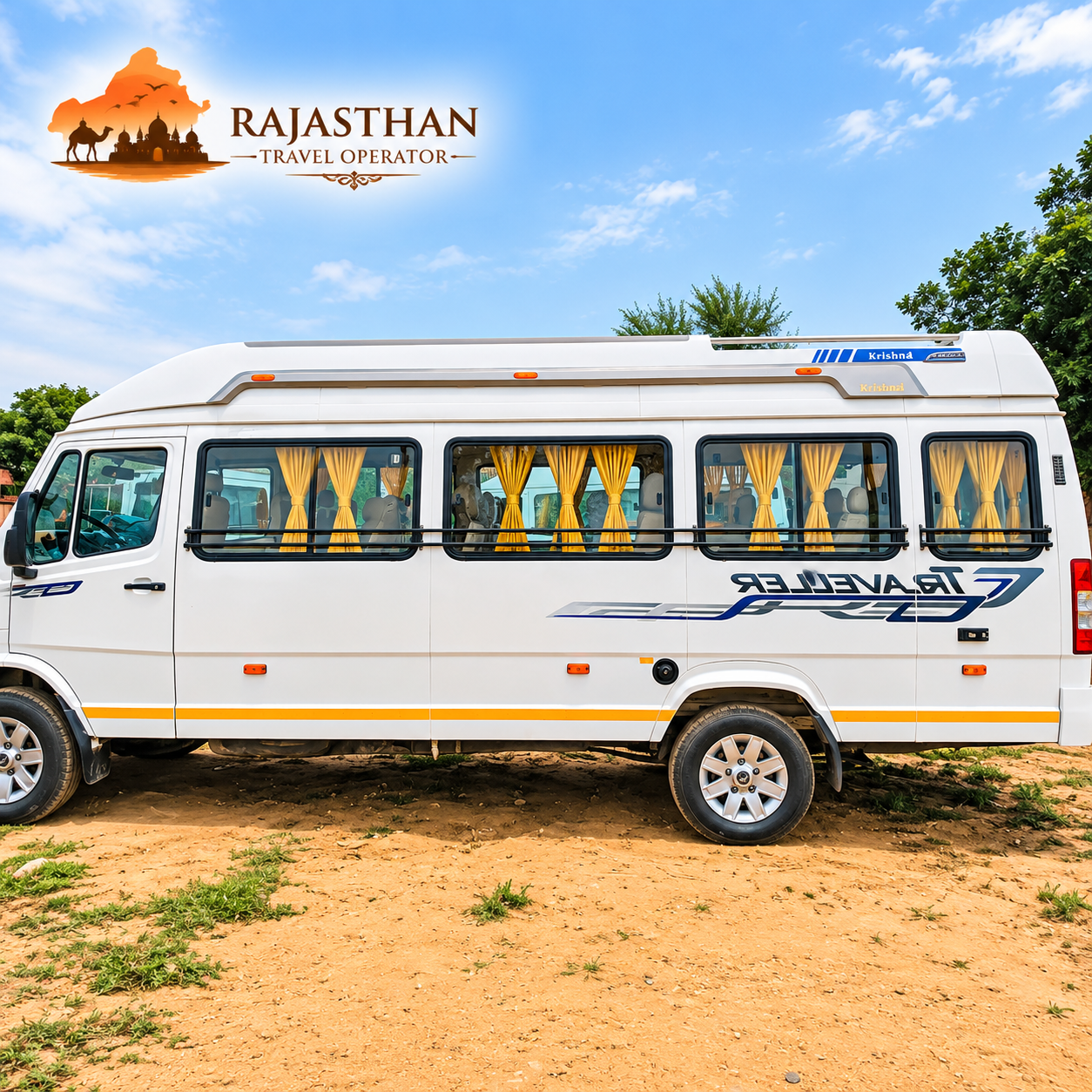
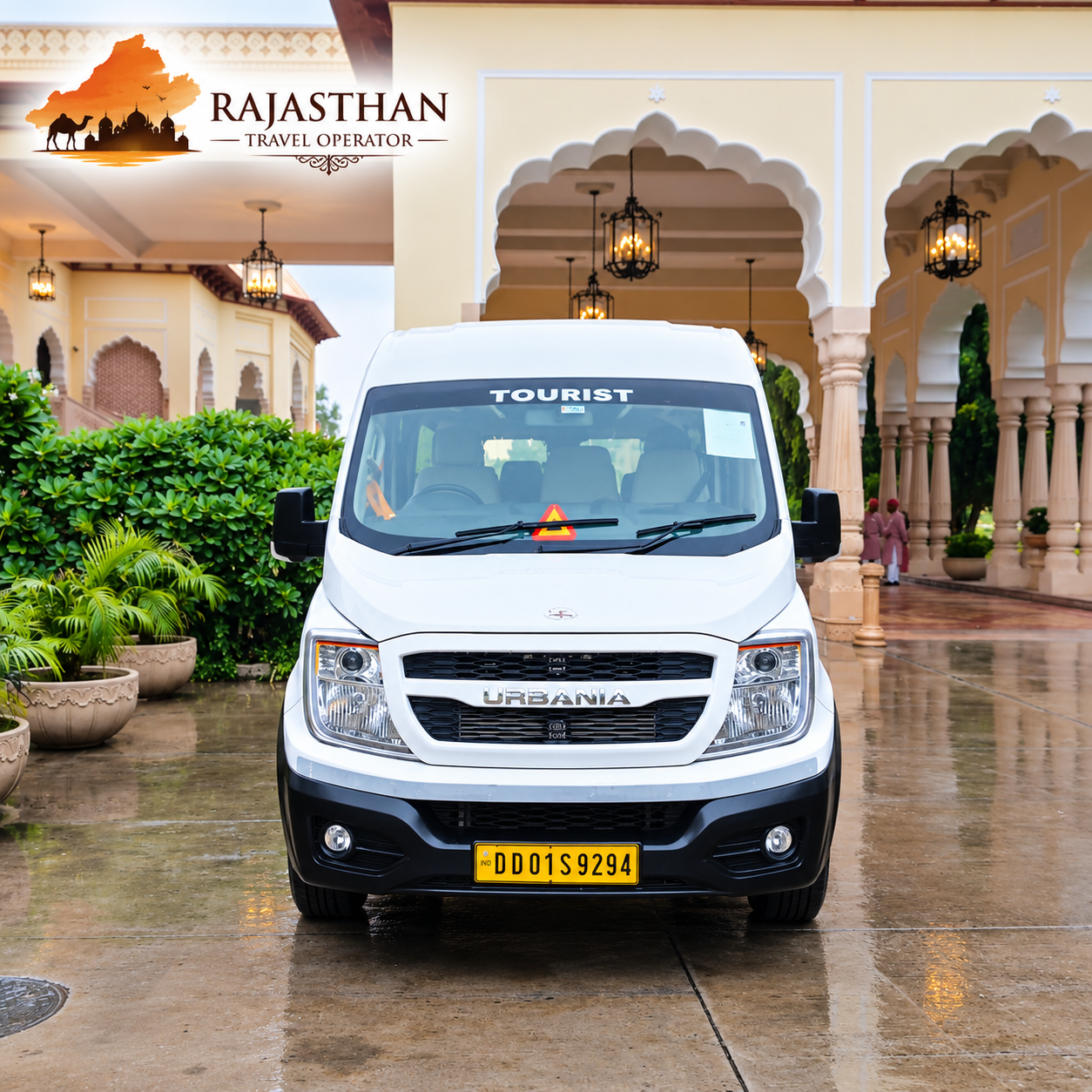
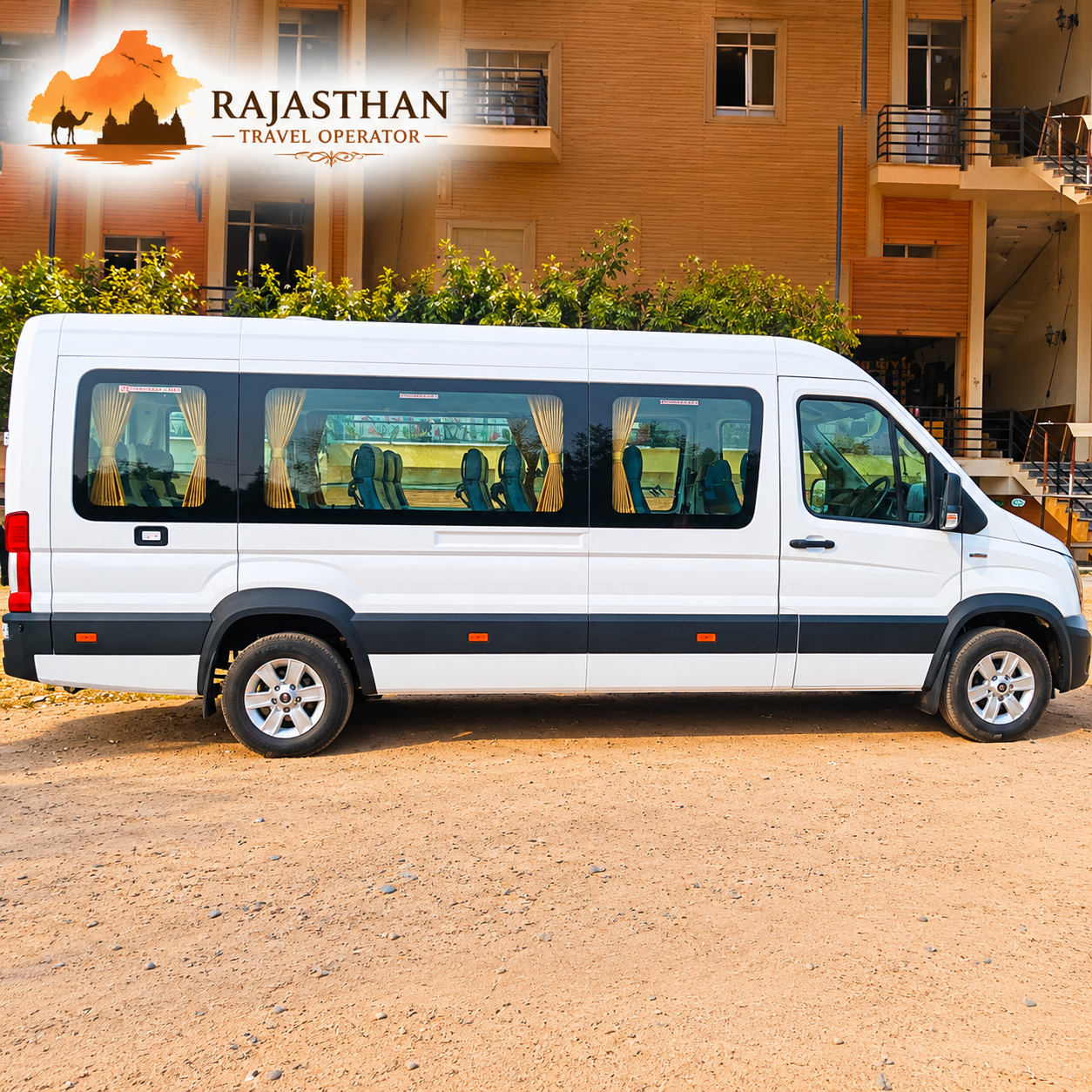
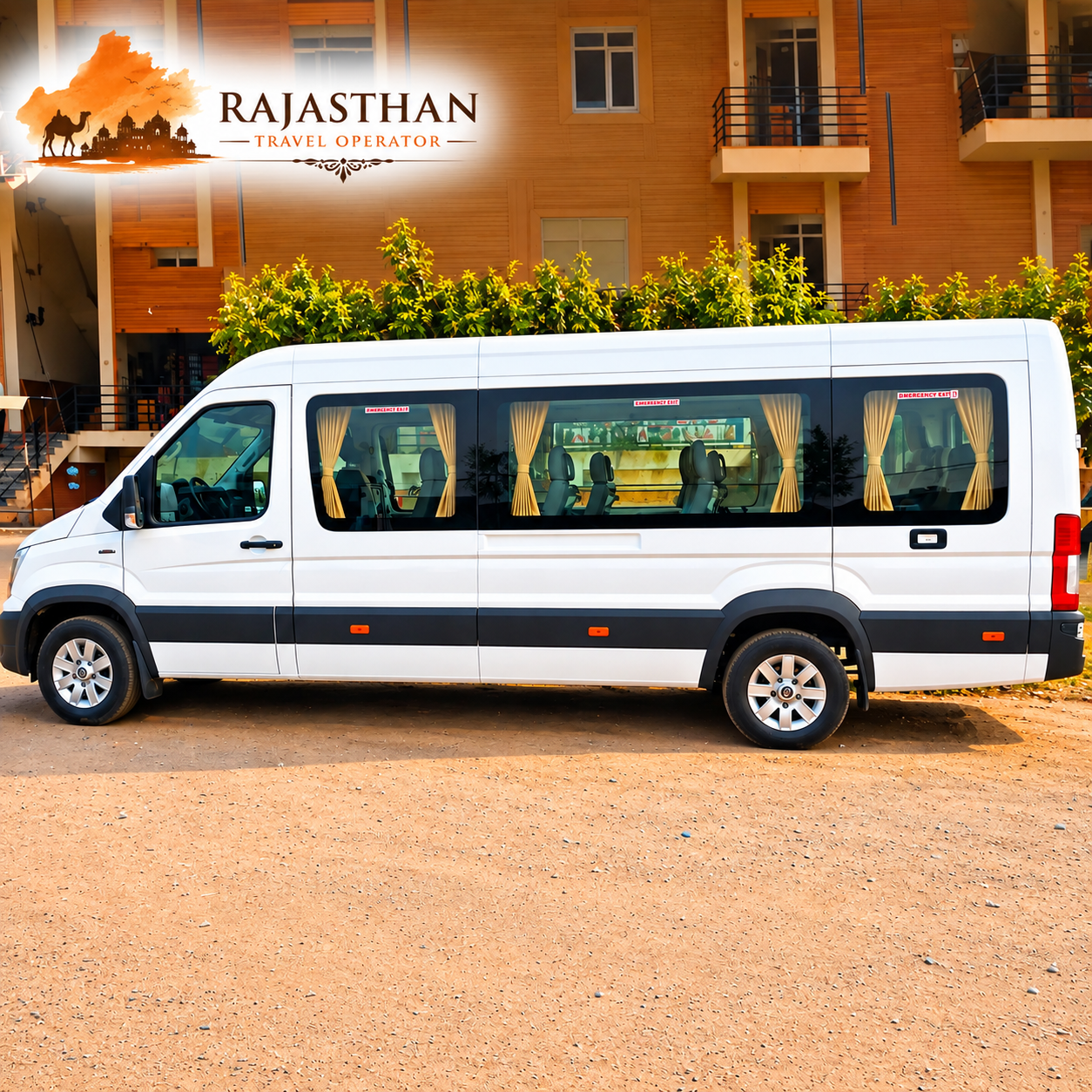
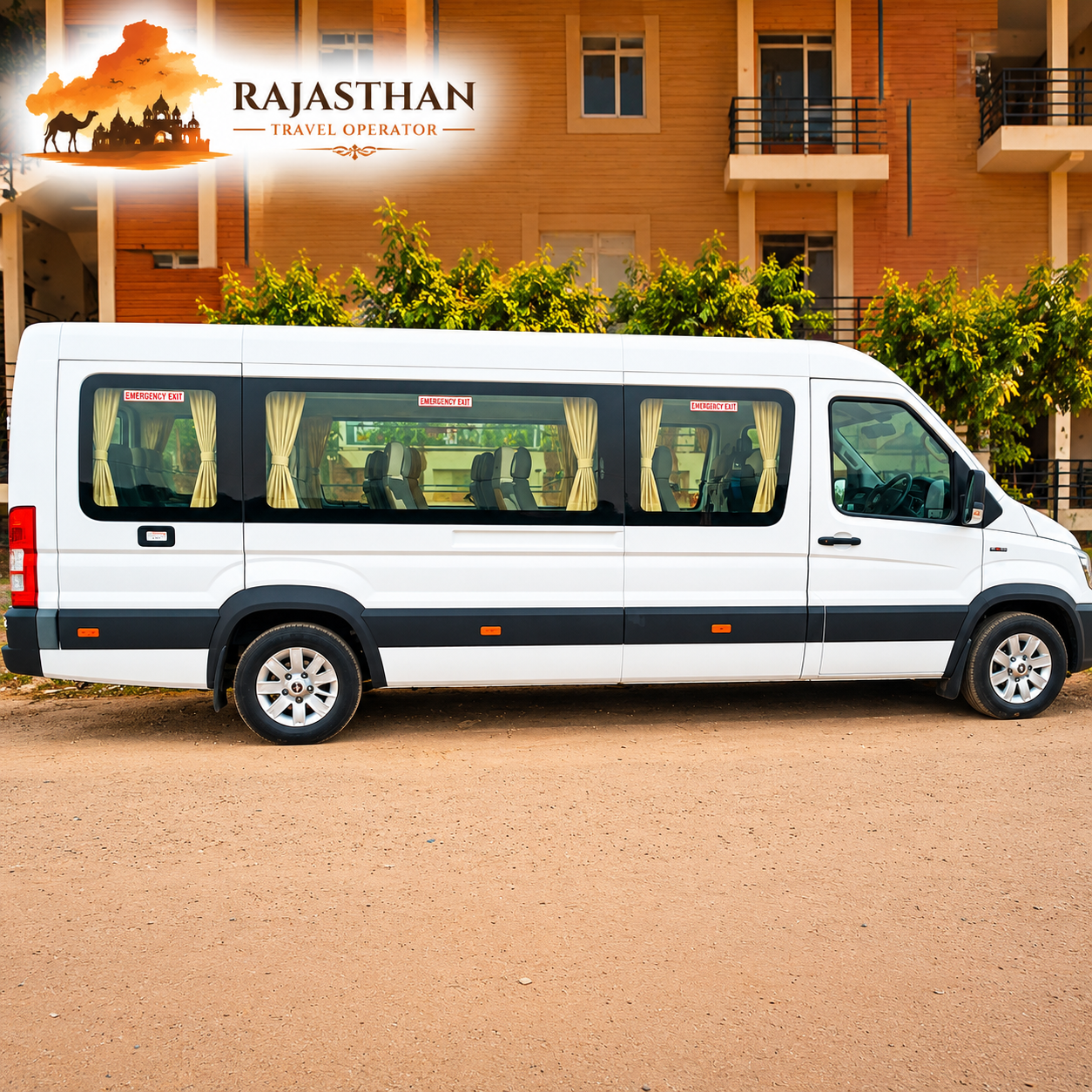
A 12 seater Urbania runs on a monocoque body, the same basic build as a small coach. That’s where the smooth ride comes from. It’s also why there’s nowhere to bolt a roof carrier onto it. Every bag, box and shopping bag your group brings has to sit inside the same cabin as twelve people. Nobody sits down and works out the actual volume math before booking, and that’s usually where the trouble starts.
Roughly How Much Room You’re Actually Working With
Think of it as three separate storage zones rather than one big space.
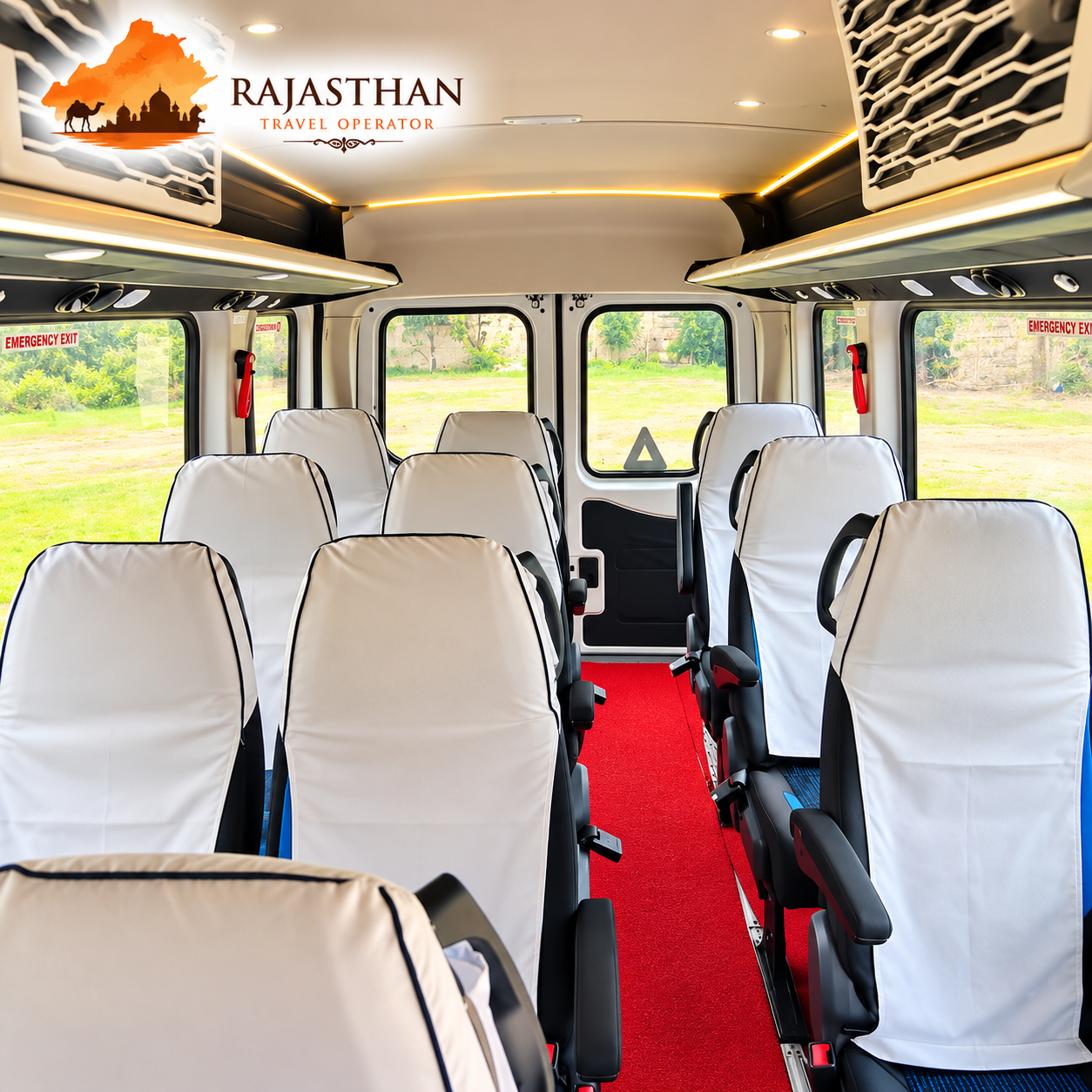
The rear luggage area, behind the last row, is the main hold. This is where the bulk of everyone’s suitcases go, and it’s the zone that fills up first.
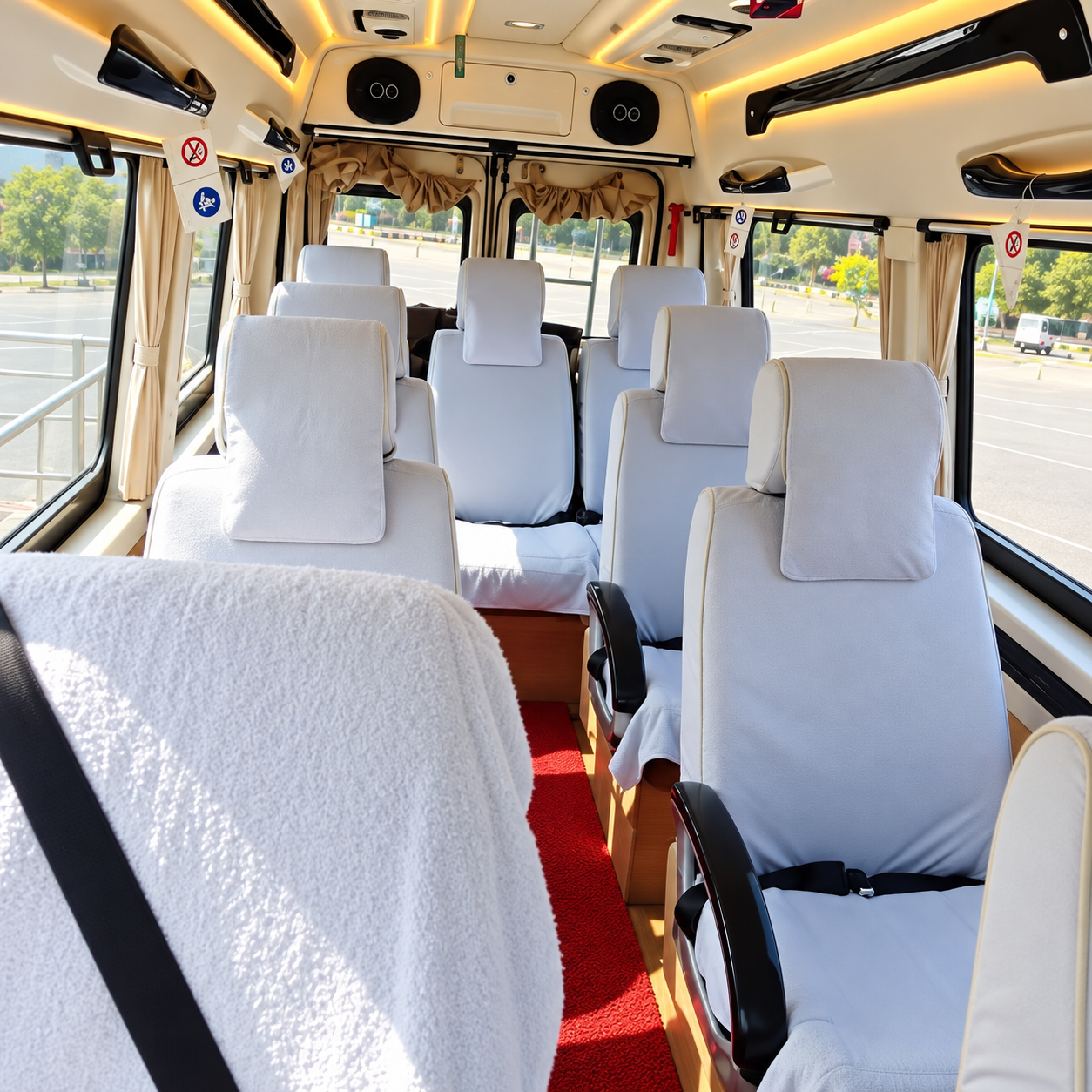
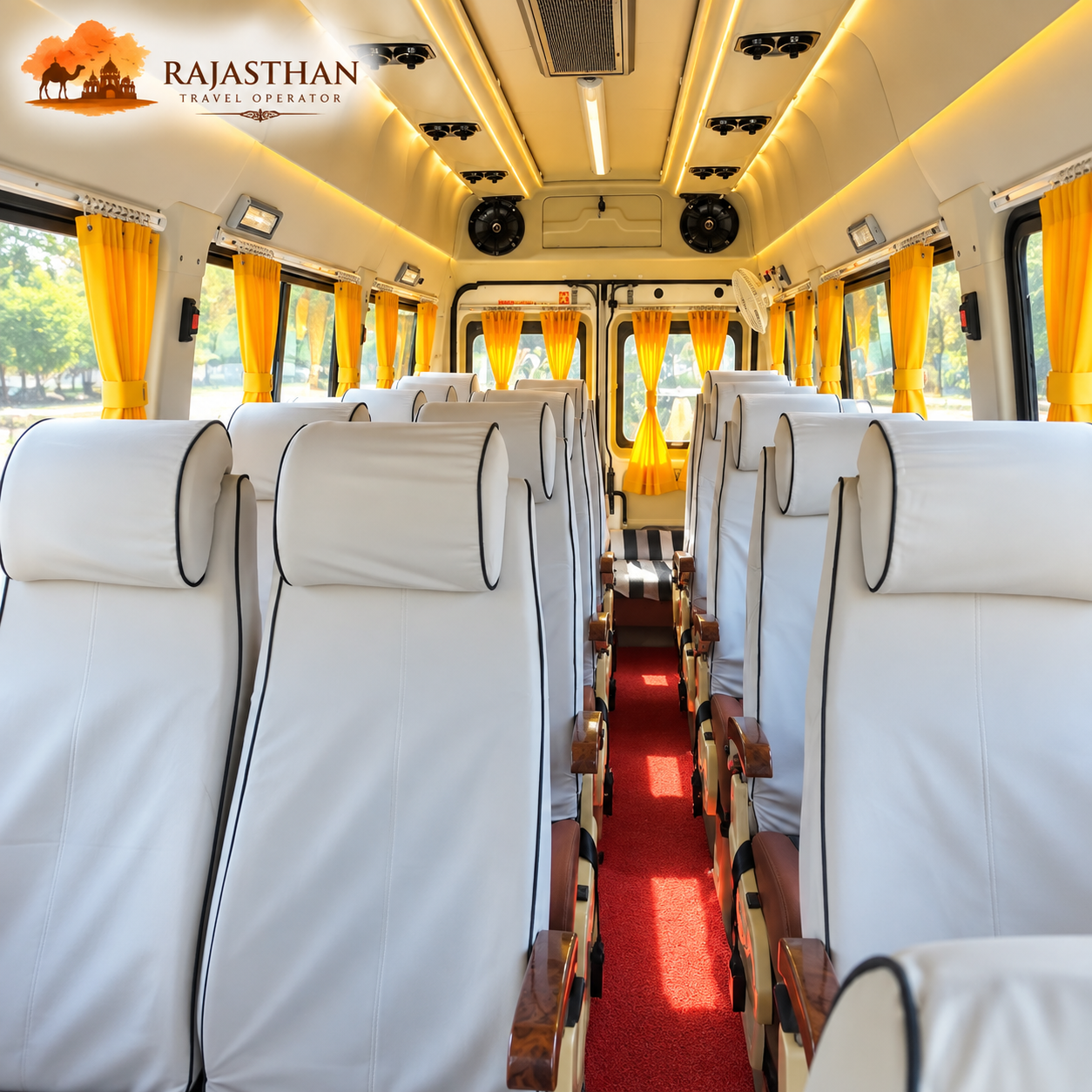
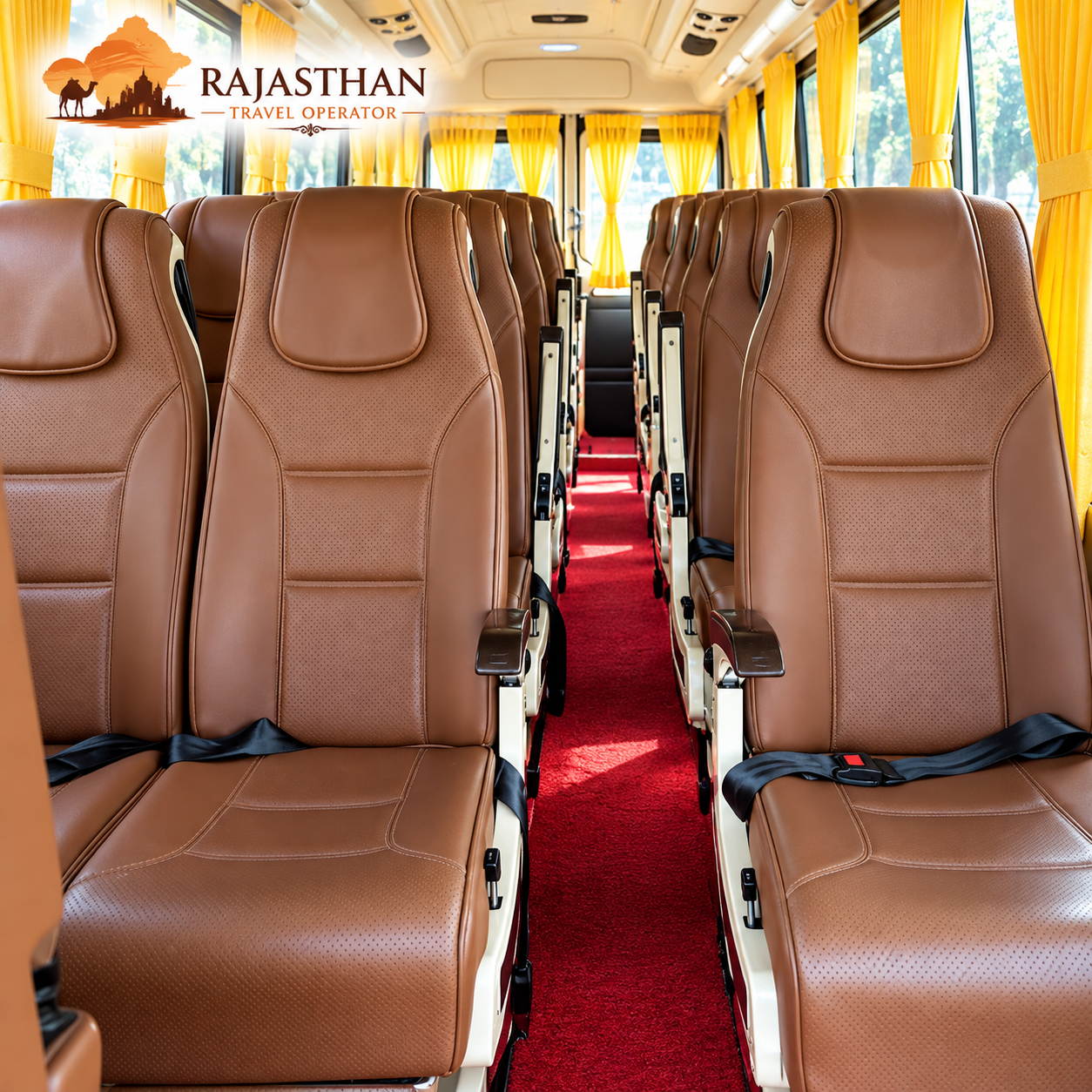
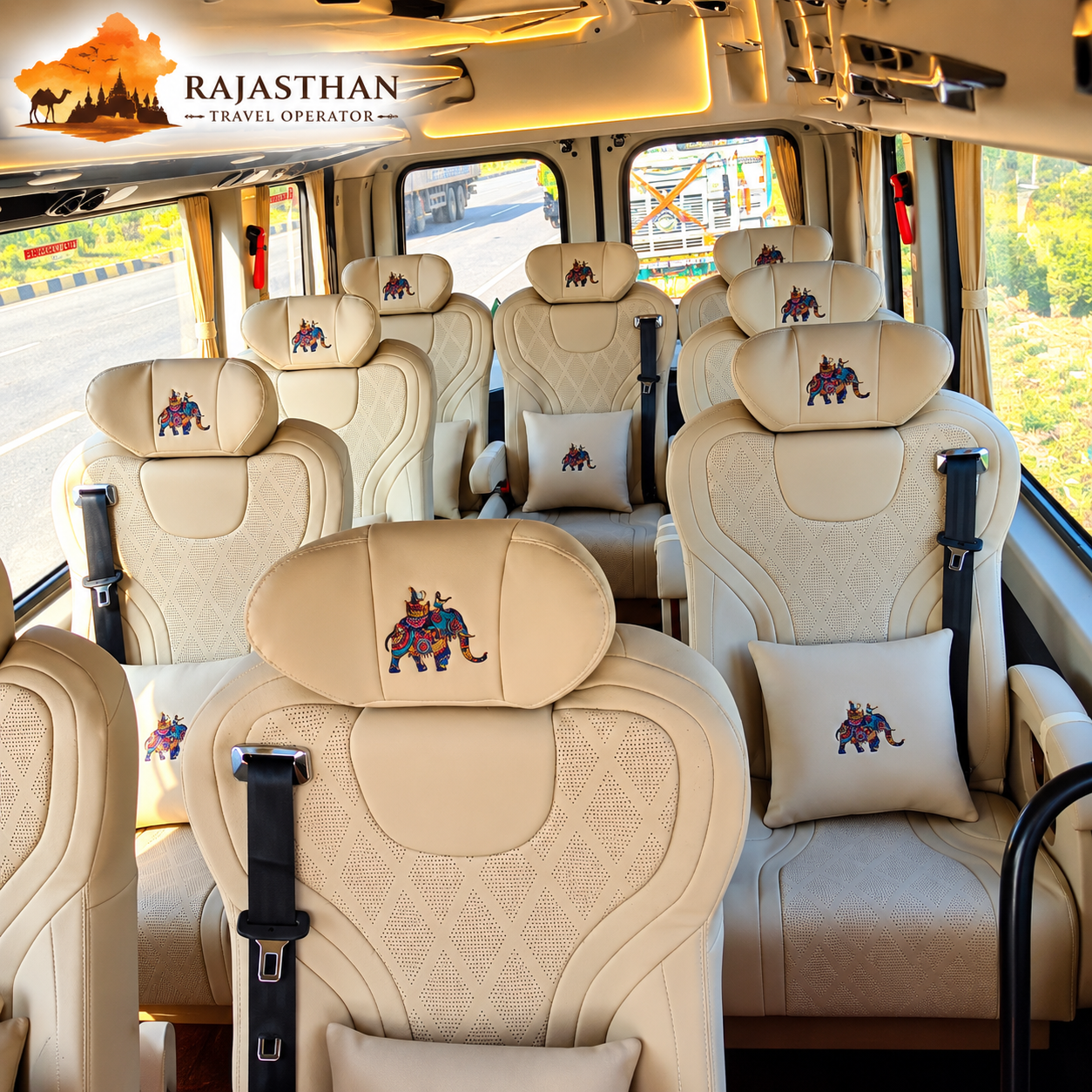
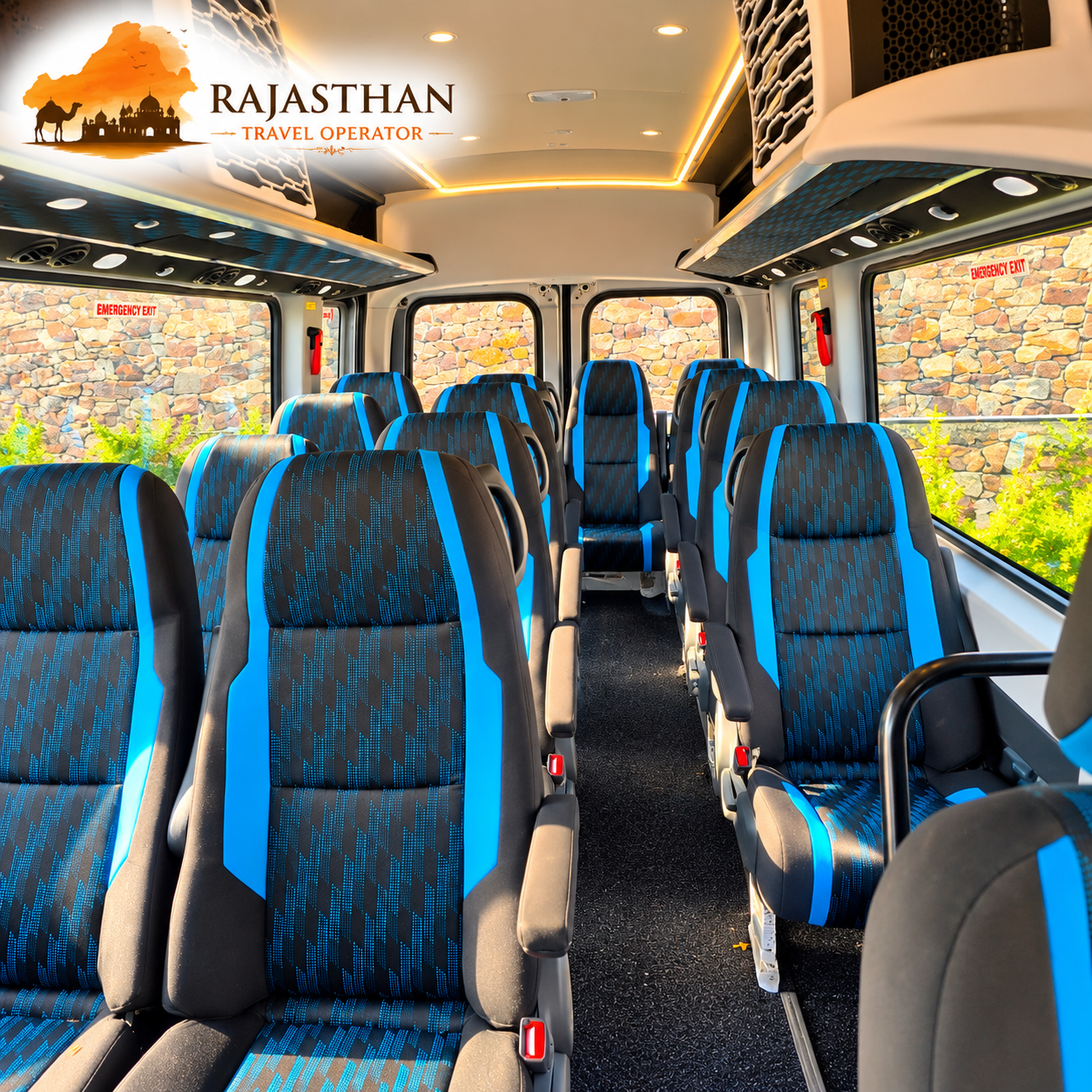
Under-seat and footwell space, in front of each row, takes small bags, day packs and shoes, but eats into legroom the more you use it. Fill this too aggressively and passengers notice immediately.
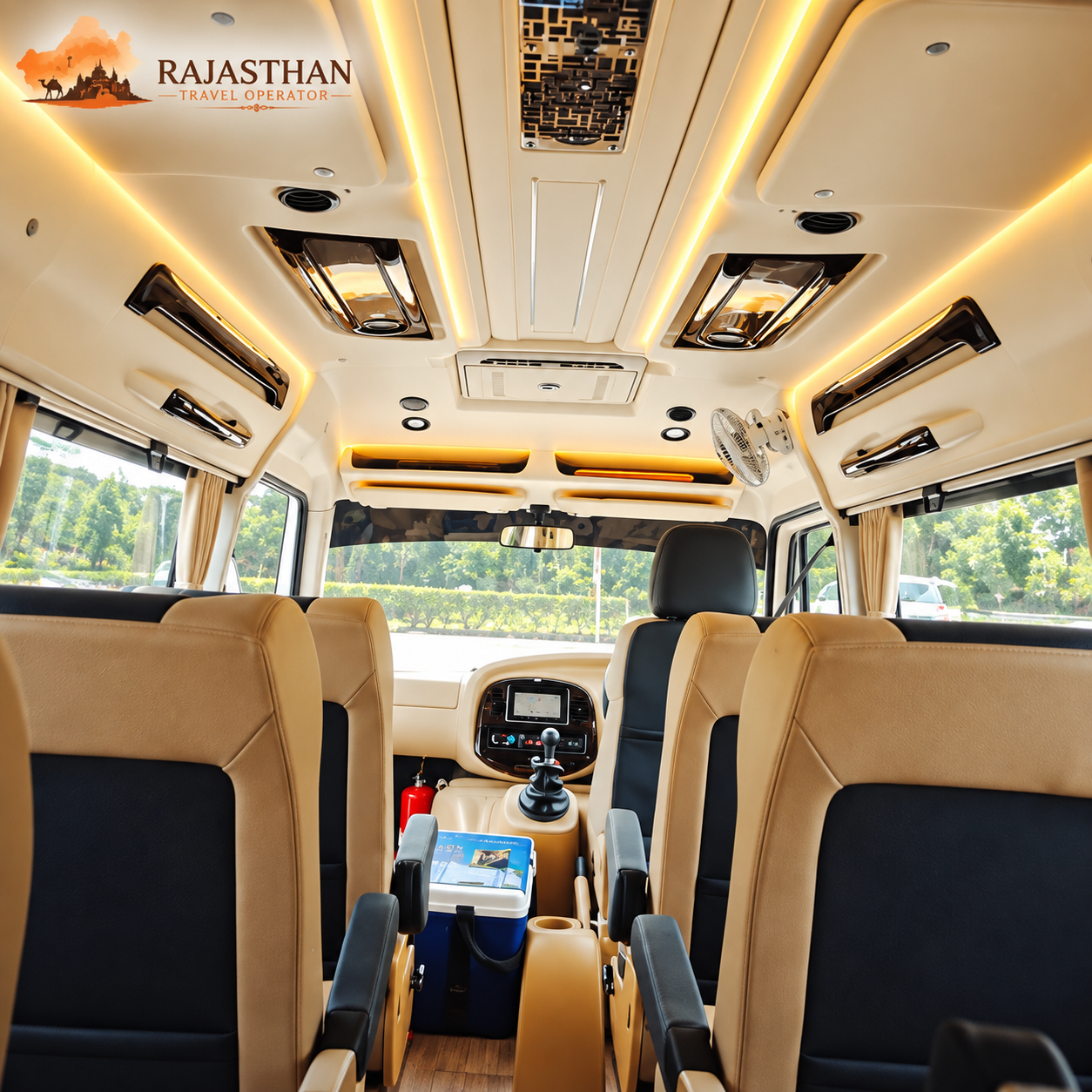
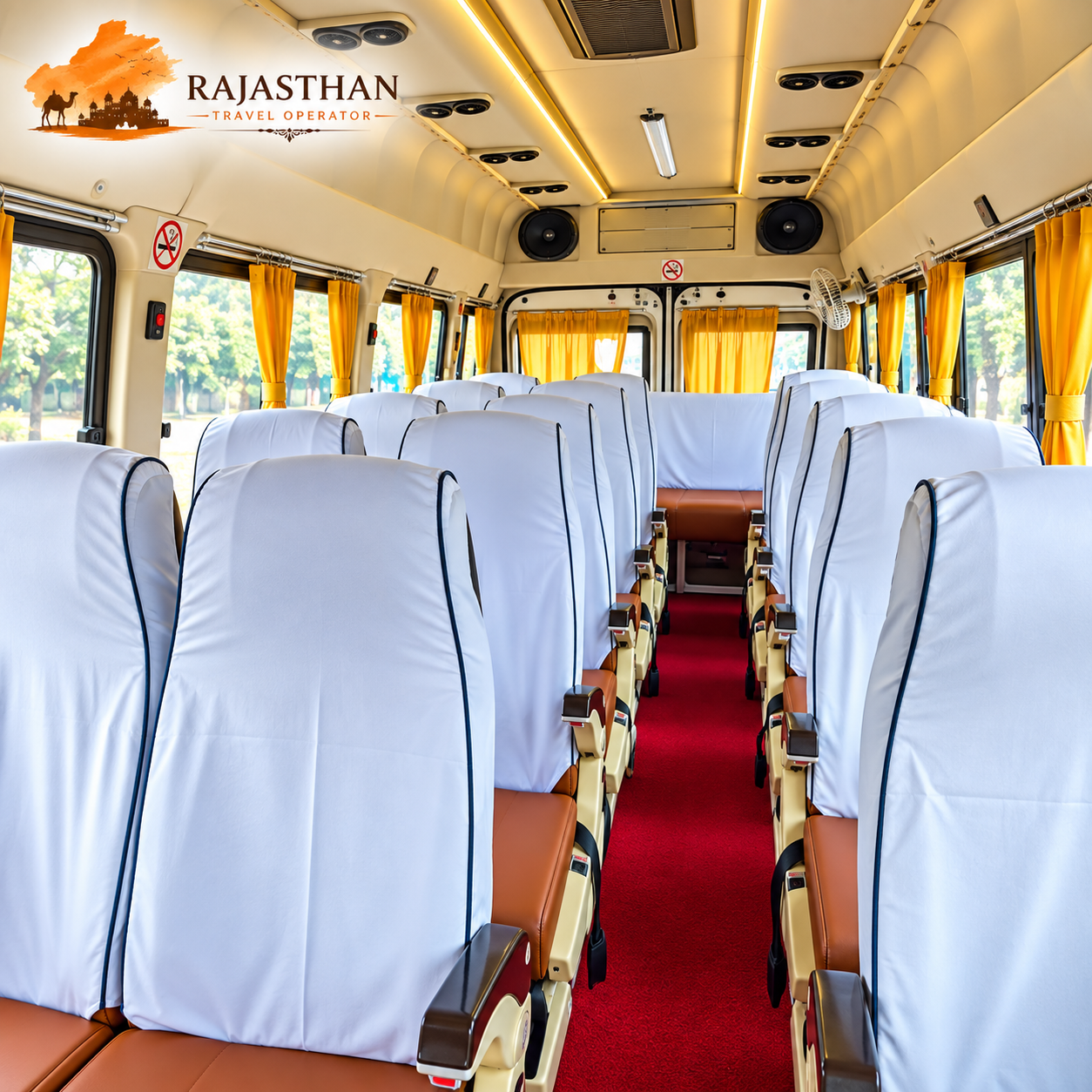
Overhead space, where fitted, is shallow. Fine for jackets and soft bags. Not built for anything heavy or hard-shell.
None of this comes close to what a roof carrier on a standard chassis offers. The Urbania tempo traveller platform simply wasn’t built with that option in mind, at any seat count or trim.
A Rough Bag Budget by Trip Length
These are working numbers to plan against, not a hard rule the vehicle enforces. Use them to sanity-check your group before you book.
| Trip type | Reasonable bag load for 12 passengers | Comfortable in this cabin? |
|---|
| Day trip, no overnight | Day bags only | Yes, easily |
| Weekend, 2–3 days | One small-to-medium bag each | Yes, comfortably |
| Multi-city, 5–7 days | One full suitcase each | Tight but workable |
| Multi-city with an event (wedding, function) | Suitcase plus formalwear/gifts per person | Often too much |
The further down that table you go, the more seriously you need to plan, not just hope it fits.
Five Rules That Actually Make a Difference
Rule one: state your real bag count before you book, not after. Tell the operator exact numbers and rough sizes. A fleet that regularly runs this configuration can tell you honestly whether your load fits. One that just says “yes, no problem” without asking a single follow-up question hasn’t actually checked.
Rule two: soft bags beat hard-shell suitcases. A duffel compresses into gaps a hard case never will. If your group can shift even half their luggage to soft bags, you’ve effectively bought back real cabin space.
Rule three: one shared toiletries and essentials bag beats twelve separate ones. Small items multiply fast. Consolidating them into two or three shared bags instead of twelve individual pouches saves more room than people expect.
Rule four: plan for the heaviest day, not the average day. If there’s a shopping stop or a wedding function partway through your circuit, that’s the day your luggage volume peaks, not day one. Pack with that peak in mind from the start.
Rule five: know your fallback before you need it. If your group’s actual bag count doesn’t fit, the honest fix is a standard chassis with a roof carrier. The tempo traveller 12 seater and 12 seater hire in Jaipur both keep that option, and it’s worth pricing them as a backup before you’re committed to a vehicle that can’t actually carry your group’s bags.
Which Kinds of Trips Sidestep This Problem Entirely
Not every booking needs this level of luggage planning. Light-luggage trips make the whole limitation close to irrelevant:
- A honeymoon or anniversary trip for two, where the 9 seater Urbania with Maharaja seats configuration comfortably handles light bags with room to spare
- A corporate offsite with laptop bags and a change of clothes rather than multi-day suitcases
- A single long day trip with no overnight stay at all
- A short weekend with a group that’s genuinely committed to packing light
If your trip looks like one of these, the roof carrier limitation barely registers and you can book with far less second-guessing.
Where the Same Problem Gets Sharper or Easier
At a smaller seat count, the math is naturally gentler, since fewer passengers means fewer bags competing for the same space. At a larger one, it gets tighter fast. The 16 seater Urbania carries the same no-roof-carrier rule across four more passengers’ worth of luggage, so the planning in this guide matters even more at that size, not less.
If your group needs wider individual seating as well as the smoother ride, remember that a Maharaja seat tempo traveller configuration exists on both chassis types. On the standard chassis it keeps the roof carrier. On this one it doesn’t. That’s worth knowing before you assume wide seating and no roof storage always go together.
What Trim Level Does and Doesn’t Fix
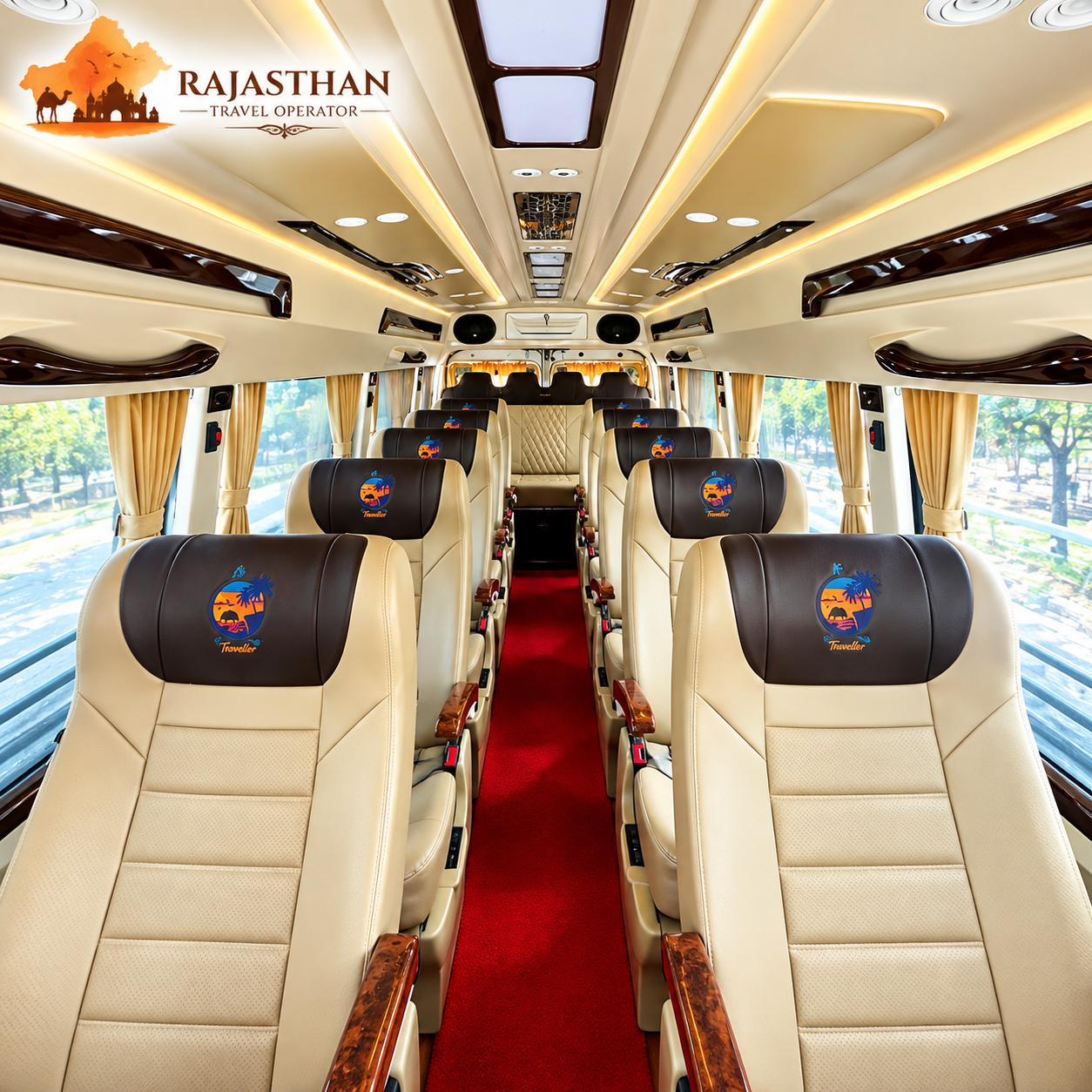
A luxury Urbania tempo traveller upgrade gets you better AC and seat comfort. It does not create extra luggage room, and in a couple of cases it can eat slightly more legroom because the seats themselves are more padded. Don’t let a nicer trim quote talk you out of doing the luggage math properly. The broader luxury Urbania tier some fleets offer has the same rule: comfort upgrade, not a storage upgrade.
A Loading Day Checklist
On the morning of pickup, this is roughly the order that works:
- Weigh or eyeball everyone’s bags together before the vehicle arrives, so you know the total volume you’re actually dealing with.
- Load the rear luggage area first with the largest, heaviest pieces.
- Fill remaining rear space with medium bags, packed to use corners rather than stacked loosely.
- Distribute small bags and day essentials to under-seat space, spreading the load rather than clustering it at the front.
- Keep one bag per person accessible in the cabin for anything needed during the drive, rather than buried.
If step two alone fills the entire rear area with nothing left over, that’s your signal the load is at capacity before you’ve even started on the smaller bags. Better to know that at the hotel than on the highway.
The One Question to Ask Before Anything Else
Before discussing trim, before discussing price, ask the operator this: “With twelve passengers and this many bags, sized roughly like this, what’s actually left over once loaded?” A specific, confident answer tells you the fleet runs this configuration often enough to know. A vague one is worth treating as a warning rather than reassurance.
For everything else about this vehicle beyond packing, the tempo traveller on rent page covers the full range side by side, including the standard-chassis alternatives like the 10 seater tempo traveller or the larger tempo traveller 17 seater if your group’s luggage needs point you away from the Urbania platform entirely. A luxury tempo traveller on that standard chassis is worth comparing directly if you want better comfort without giving up the roof carrier.
Final Word
Every other decision about this vehicle — trim, price, which route to take — is easy to research after the fact. Luggage capacity isn’t. Get your group’s real bag count on the table, run it against the rough budget above, and confirm it directly with the operator before you pay anything. That one conversation, done properly, prevents almost every complaint this specific vehicle ever generates.