A lot of people book a van without ever being told how the pricing actually works, and then there’s a slightly awkward conversation at the end of the trip about kilometres, waiting time and a night halt nobody remembered agreeing to. None of it is dishonest, usually. It’s just that the terms are never explained in plain words.
I’d like to fix that a little here, for anyone hiring a 12 seater tempo traveller in Jaipur for the first time. You won’t find rupee figures below, and that’s deliberate, because rates shift with the season and the operator and whatever I wrote today would look wrong in a few months.
Local trip or outstation trip?
Pretty much every booking ends up as one of these two, and which one you’re in decides how the whole quote is put together.
Say you want a day around the city, with Amer Fort in the morning, the City Palace, Hawa Mahal and a long lunch in between. That’s a local package, and it’s normally sold as a block of hours with a cap on the kilometres, so if you go over either one there’s an extra charge. Now say you’re heading to Pushkar, Udaipur or Jodhpur. That one counts as outstation, and outstation trips tend to be priced by the kilometre with a minimum for each day, which means a fairly short drive can still get billed at the minimum, something that has surprised more than a few people I know.
Plenty of plans are a bit of both, like an airport pickup followed by a day around Jaipur and then a drive out the next morning, and in that case it helps to describe the whole thing at the start, so the operator can quote it as one trip instead of three pieces glued together.
The kilometre line matters most
If I could get people to read only one line of a quote properly, it’d be the daily kilometre limit. A lot of operators set a minimum for outstation days, often a couple of hundred kilometres or so, though it differs, and anything past it is charged at an extra rate.
What catches people out is where the counting starts. With many operators the meter starts running the moment the van leaves its base and only stops when it returns, so what you pay for isn’t just the stretch between your hotels, and a trip that looks short on the map can add up if the van has to come from a garage on the far side of the city. Before you pay a rupee, I’d find out exactly where that count starts and where it ends.
Hours, waiting and late evenings
Local trips run on the clock as much as on the odometer. Plan eight hours and let lunch stretch the day to ten, because everyone wanted one more photo at the fort, and you’ll normally pay for those two extra hours, and some operators also add a waiting fee when the van is parked and the driver is just sitting there.
Evenings need a word as well. Drivers have limits on how long they can work, so a trip that runs well into the night might come with an extra charge or a hard stop time, which is why, if you already know dinner will be late, it’s better to say so early than to bring it up at nine o’clock that night.
Night halts and the driver’s costs
Once the van stays out overnight, the driver needs a place to sleep and a meal or two, and that money has to come from somewhere, so you’ll see it either folded into the price or listed as its own line, usually called a night halt or driver allowance, and charged for each night the vehicle is away from Jaipur.
I don’t think either way is better than the other. The trouble starts when you don’t know which one you were given, since one trip can look cheaper in the first quote and end up costing exactly the same because of that single line.
Tolls, parking and permits
Over a few days the tolls on Rajasthan’s highways add up, parking near the big attractions isn’t free, and crossing into another state can bring an entry or permit charge. Some operators fold all of this into the price, some pass it on at actual cost, and a few do a bit of each.
The practical thing is to have the quote spell out what’s inside and what isn’t, and to have it as a message you can find again, because a phone call is easy to misremember after a week on the road.
A trip, worked through
Imagine twelve people going from Jaipur to Pushkar and back over two days, with a night in Pushkar. I’d want to know how many kilometres a day are included and what an extra one costs, whether the driver’s night halt is already in the price, whether tolls and parking are covered, what time the van is released on the second evening, and whether the counting starts at my hotel or the operator’s garage.
That’s five questions and they take about five minutes, and most of the arguments people have at the end of a trip simply don’t happen after that.
Choosing the actual van
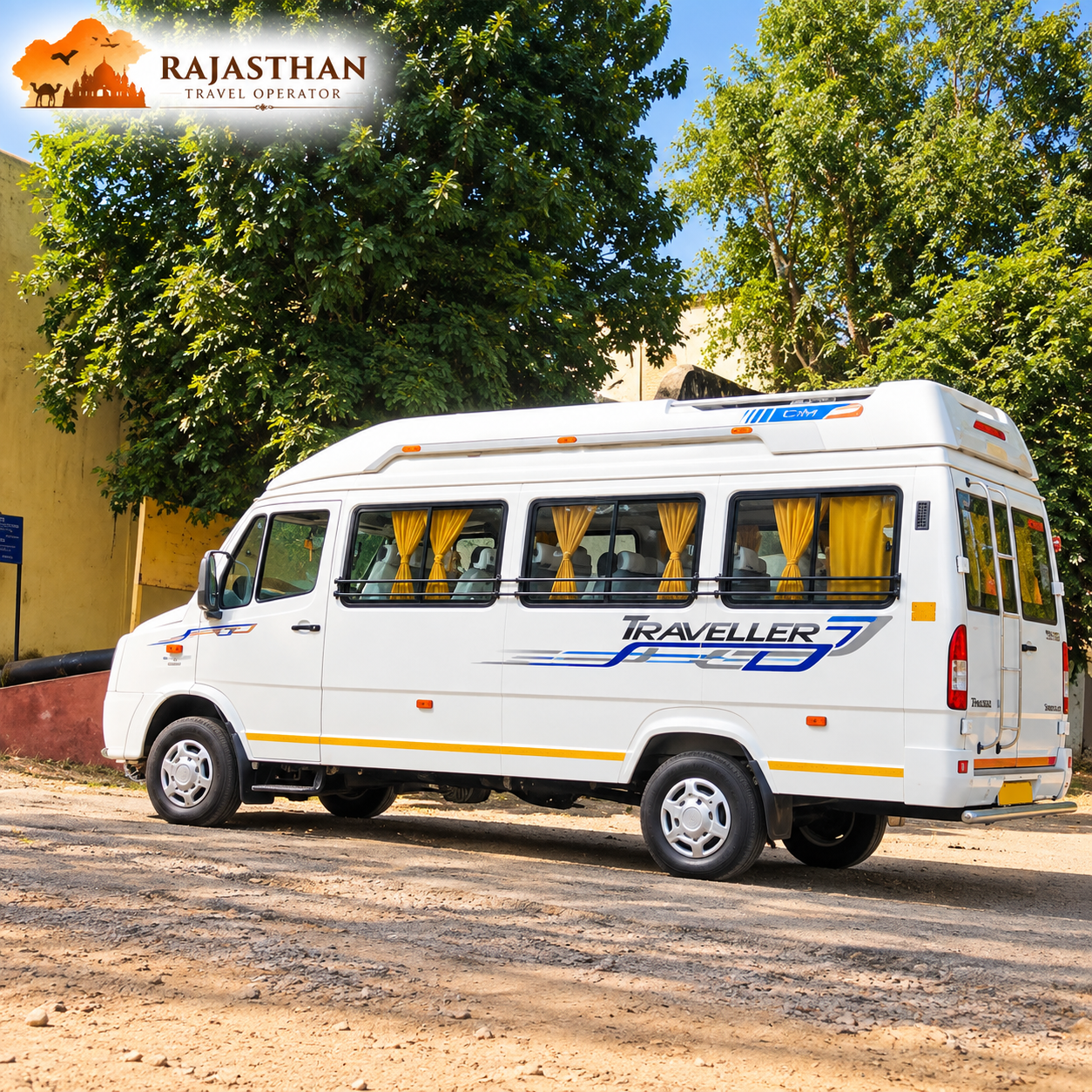
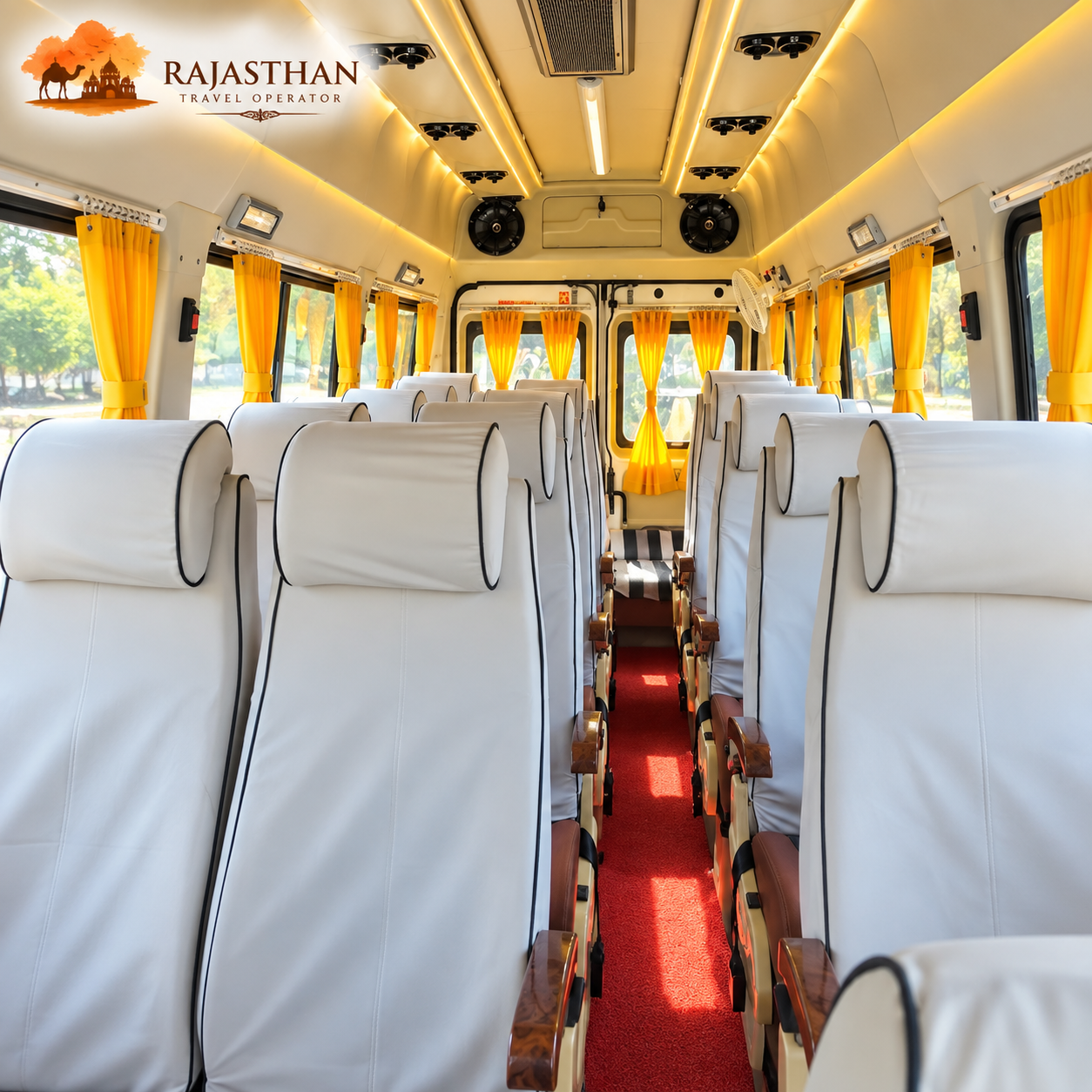
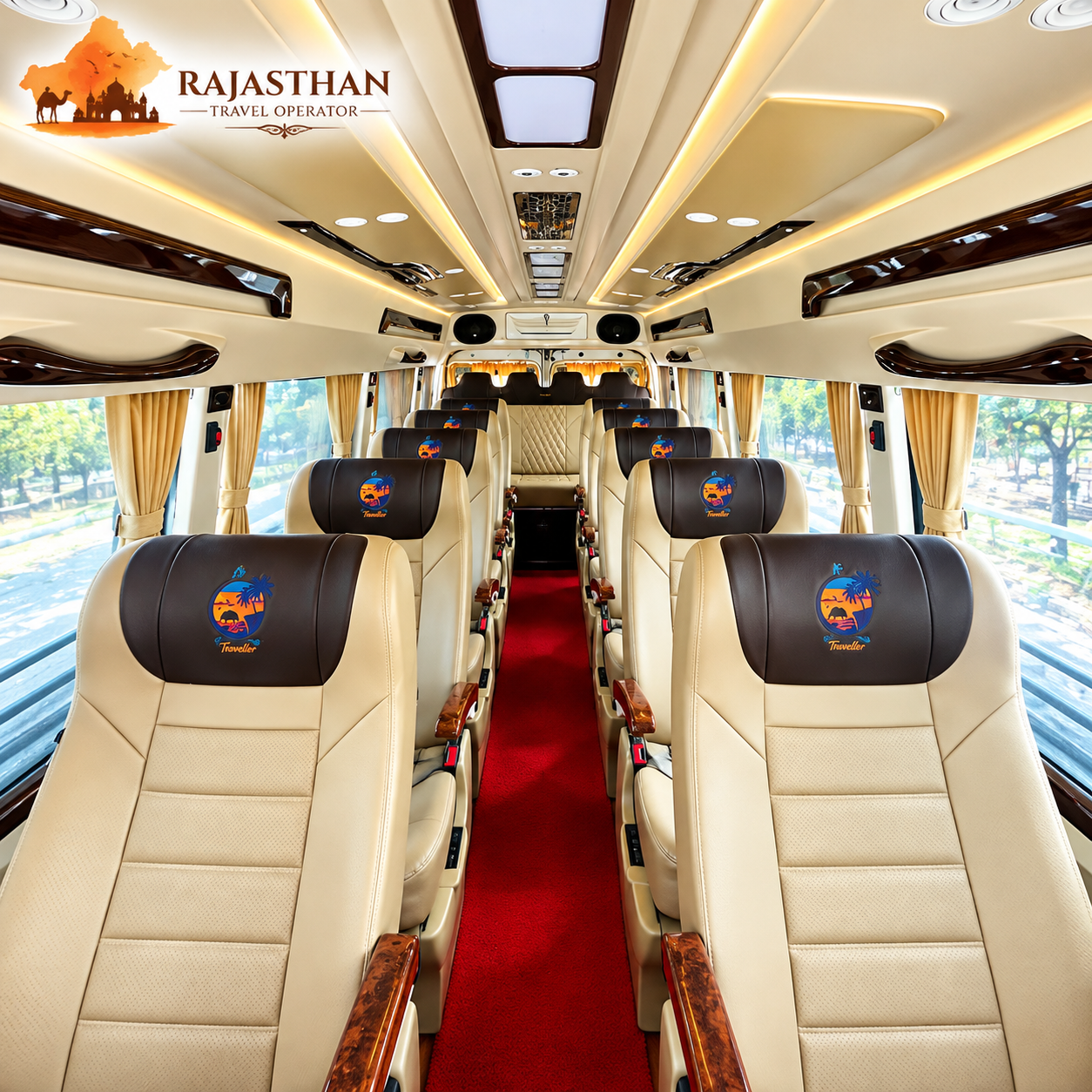
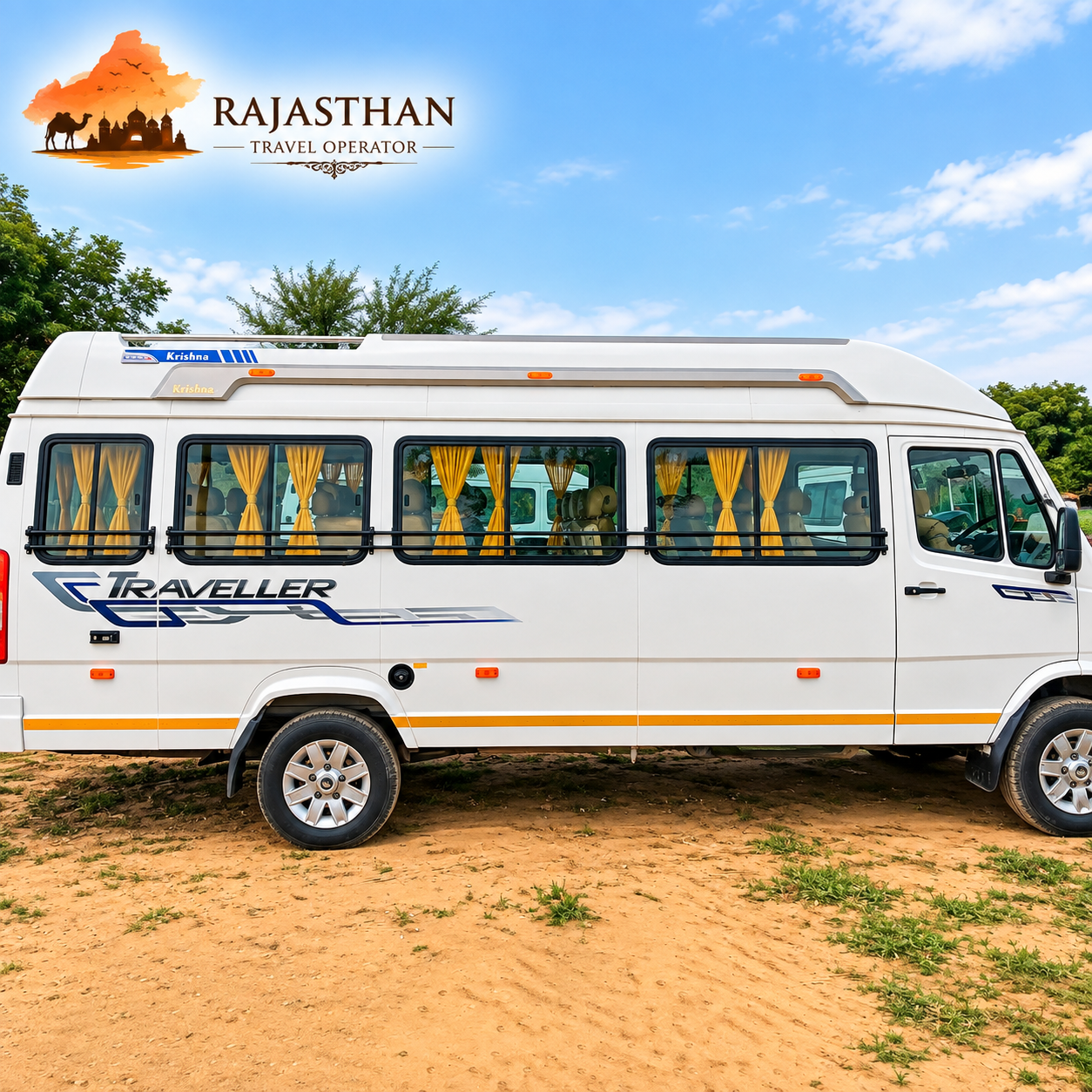
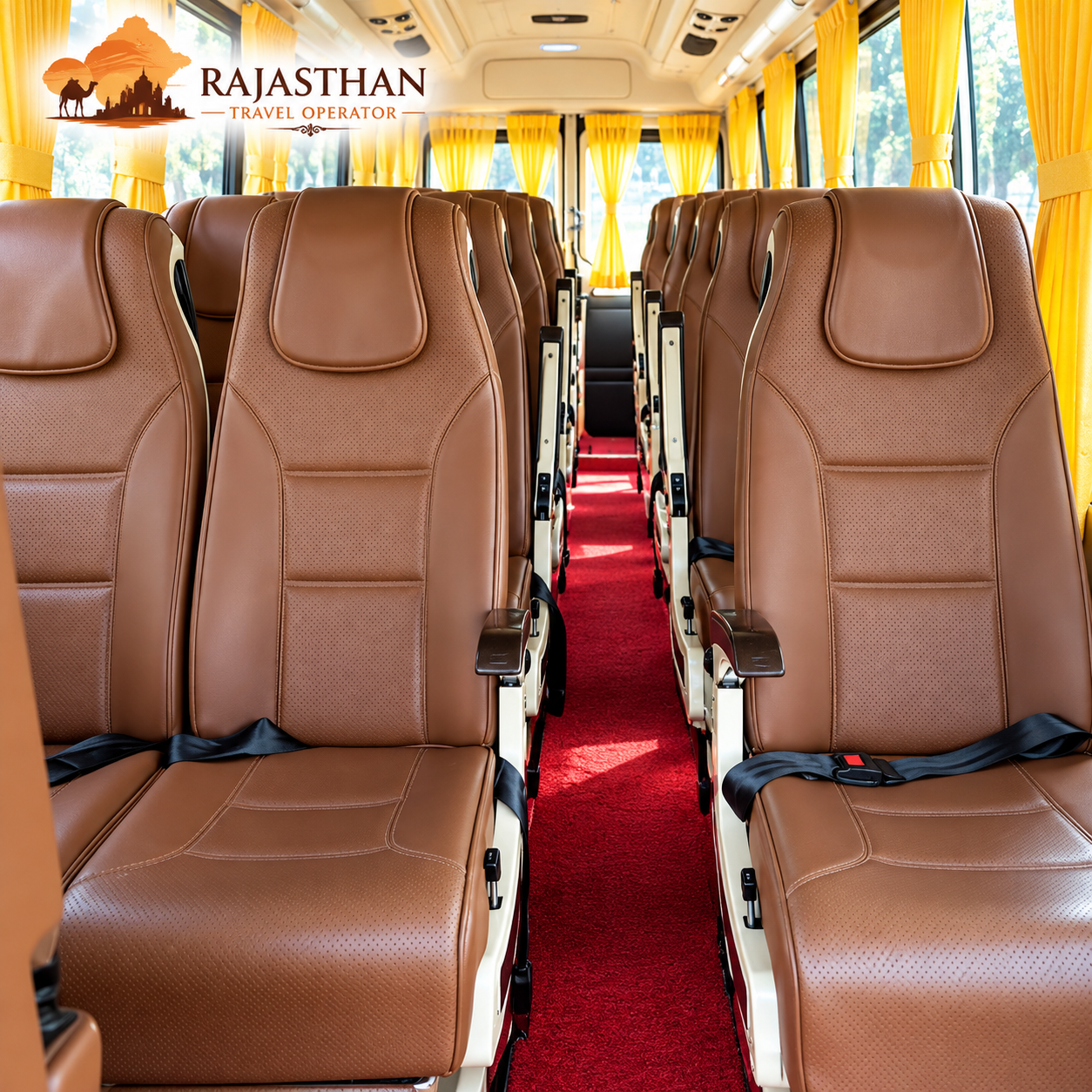
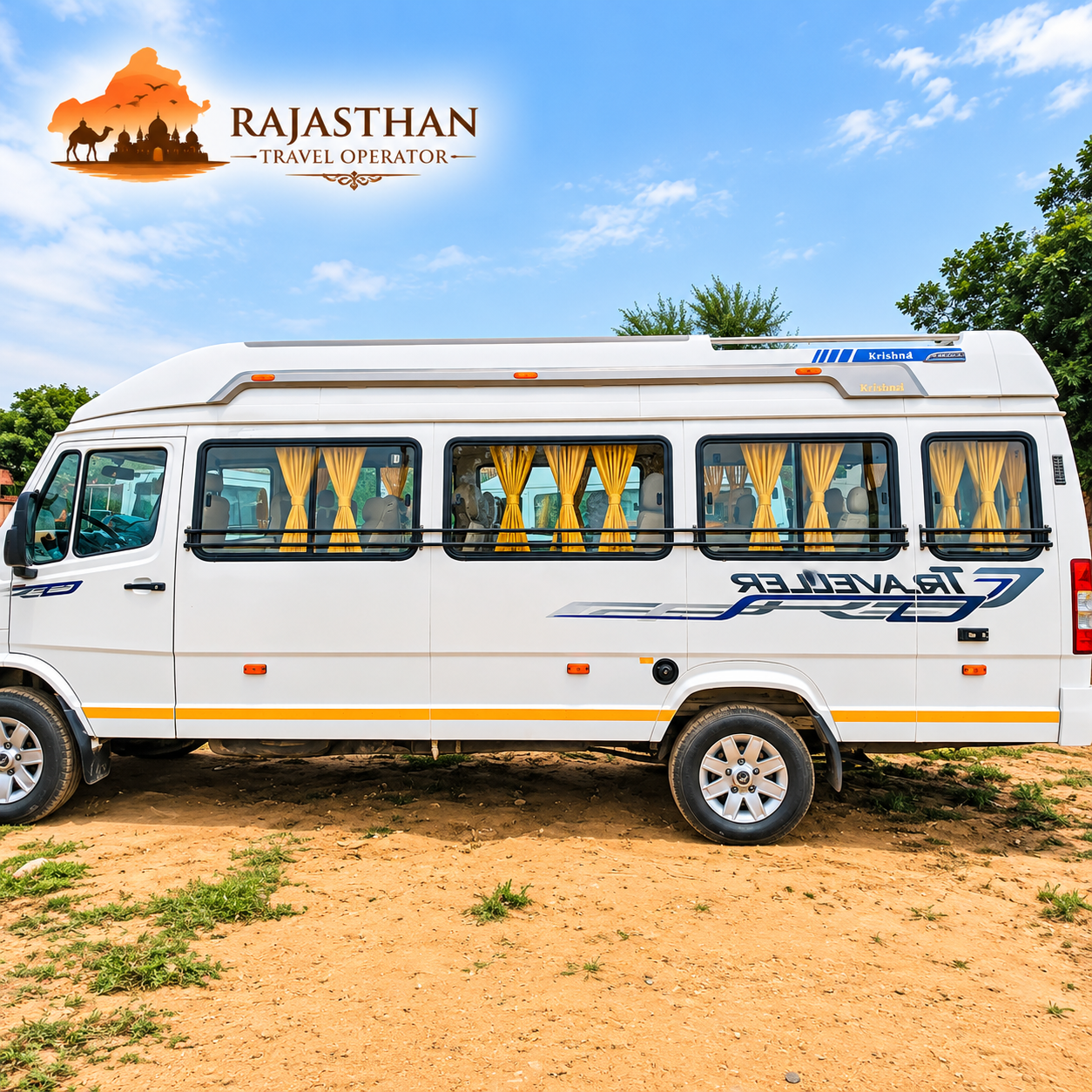
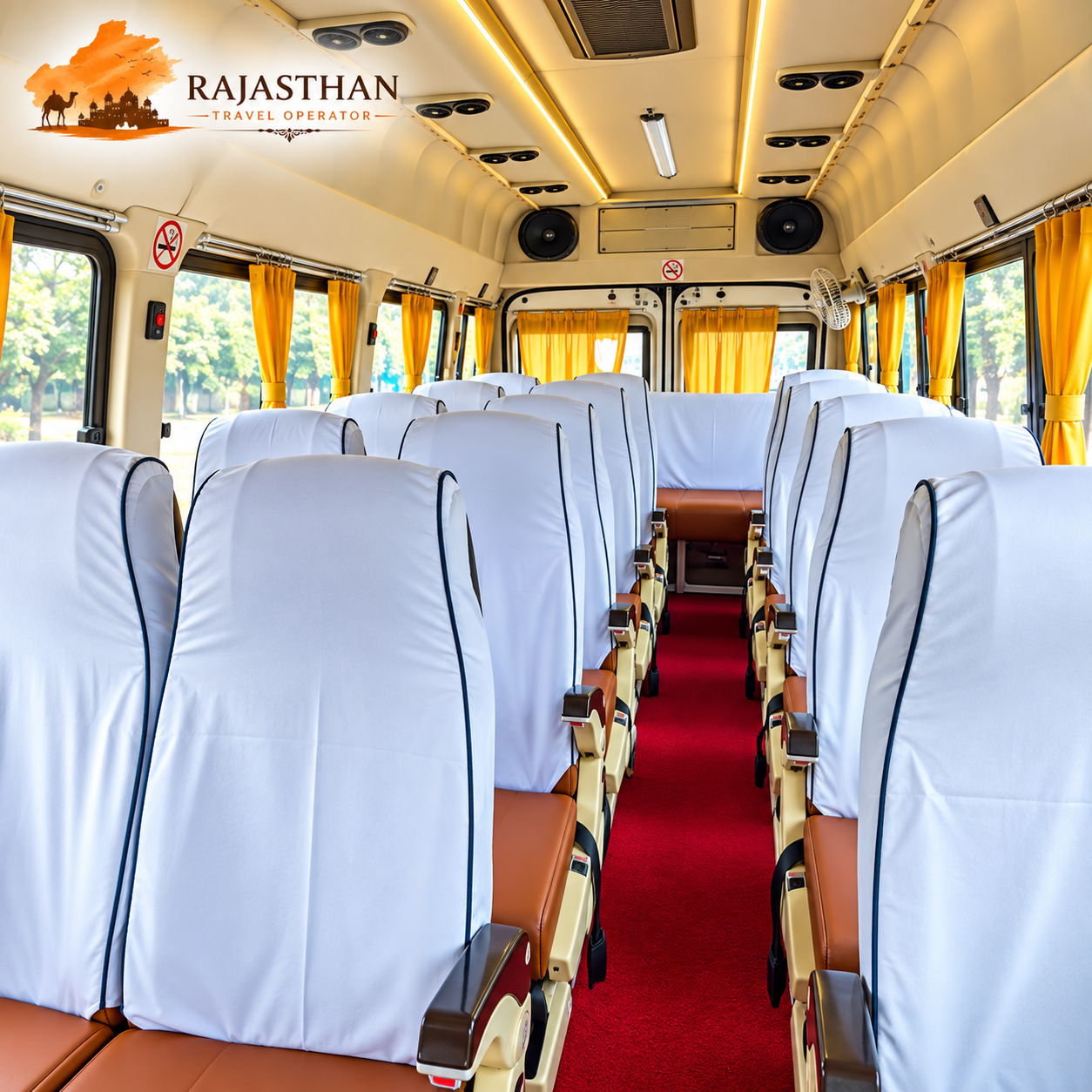
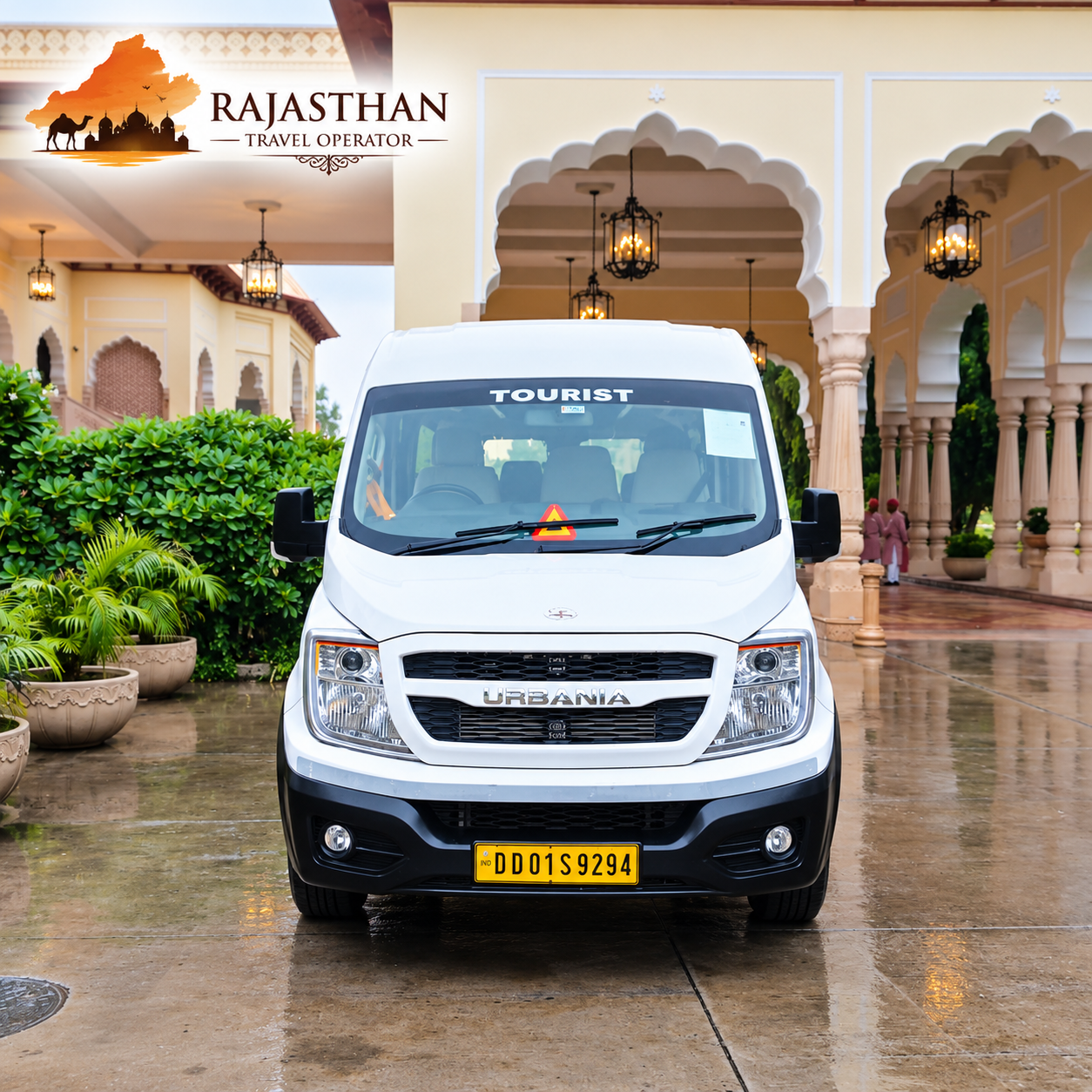
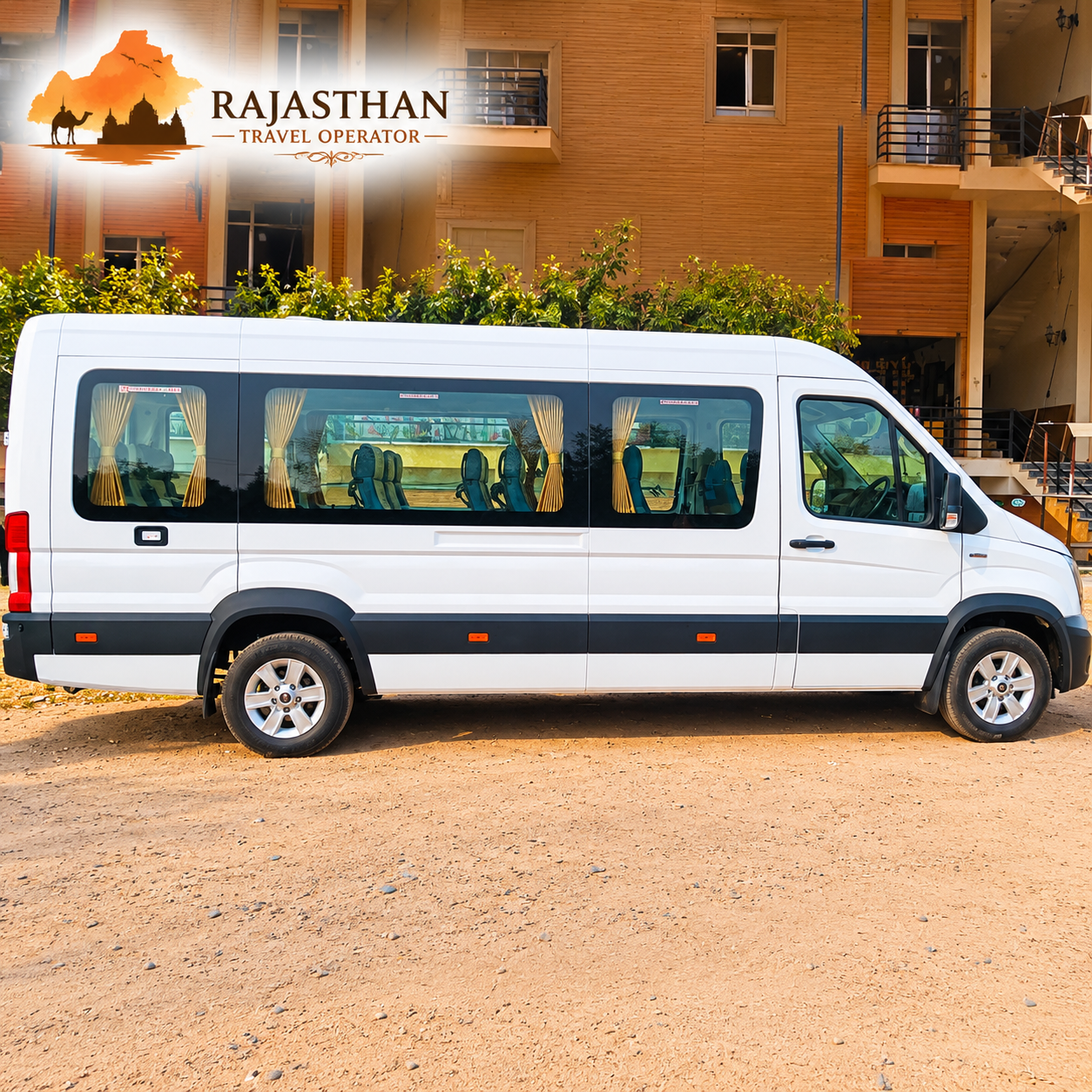
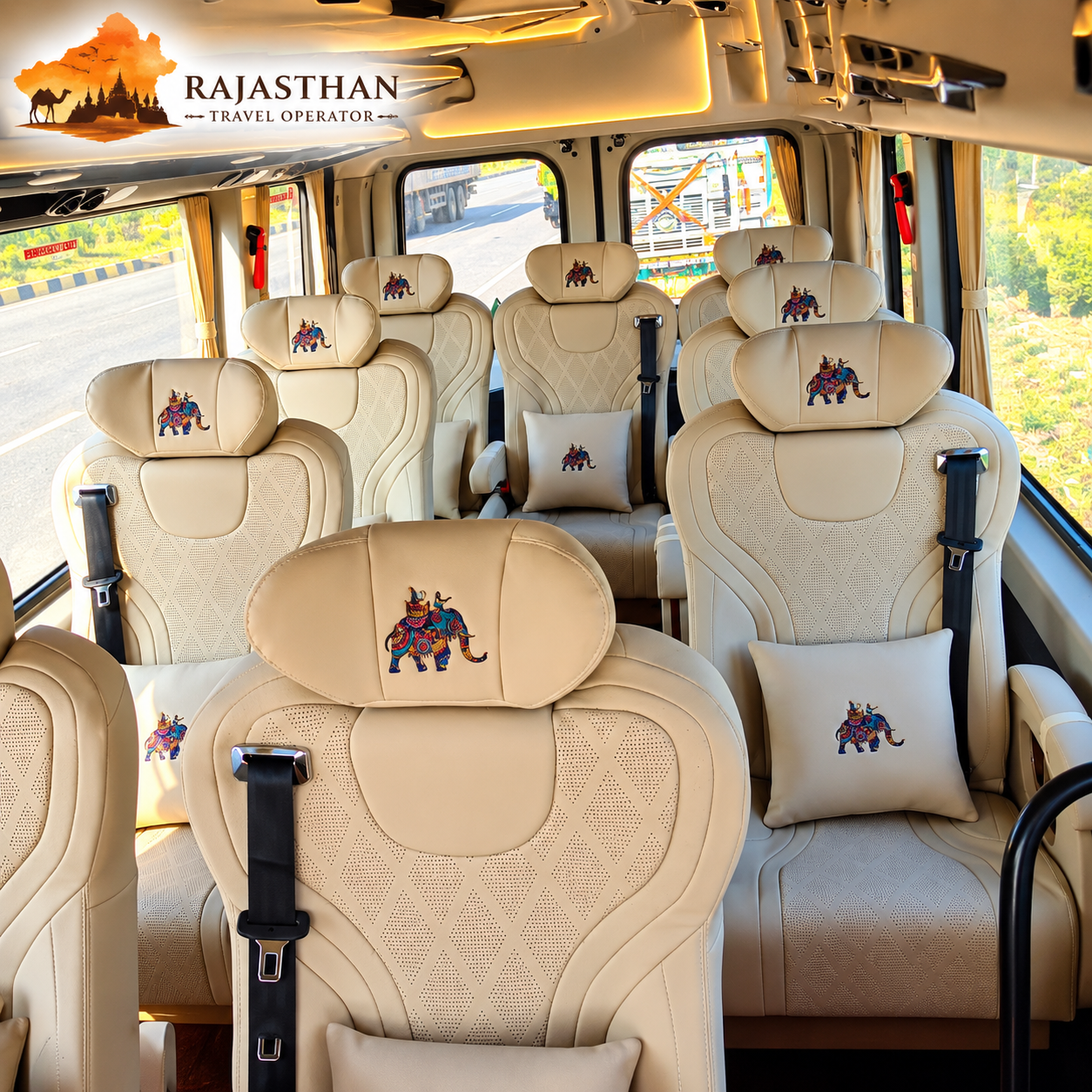
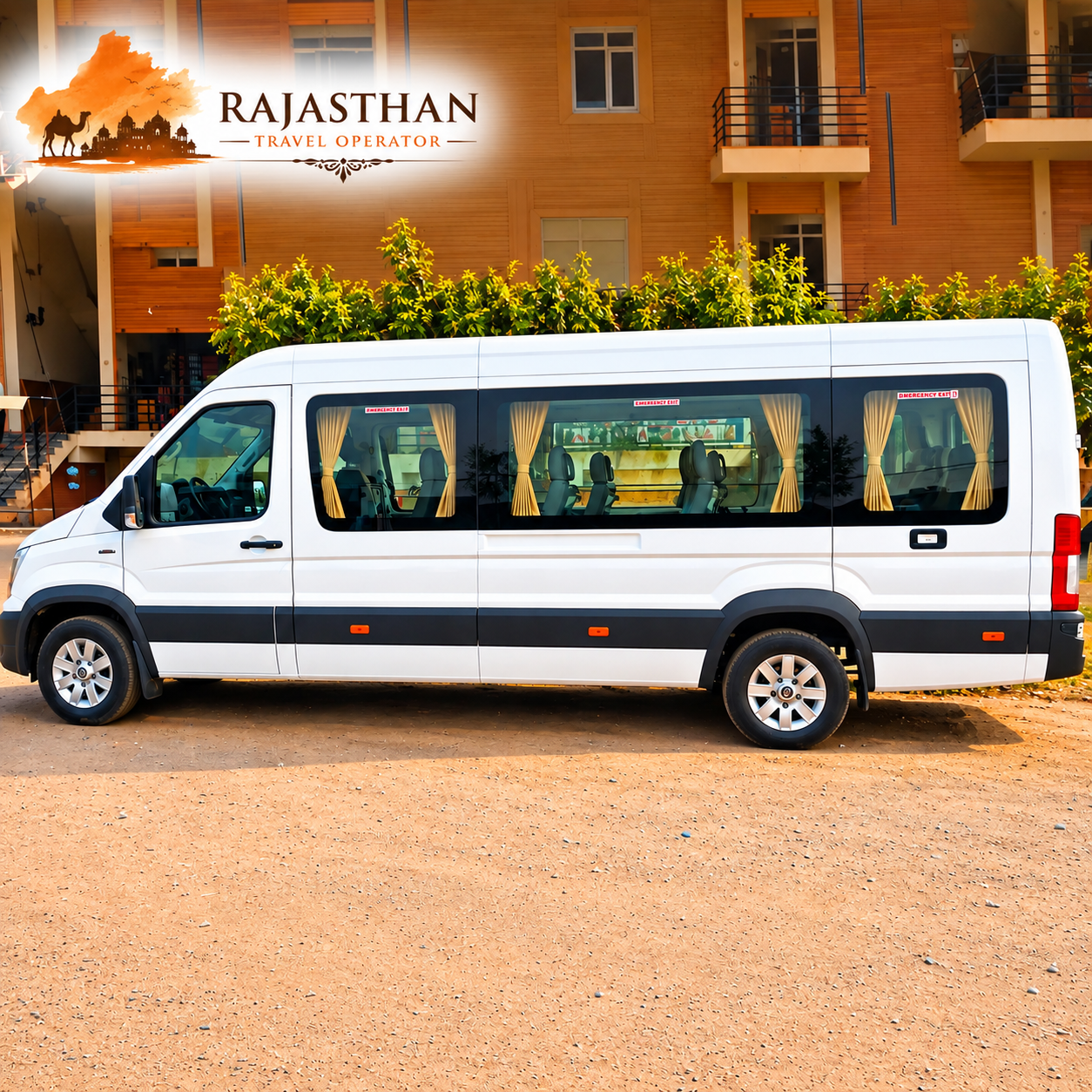
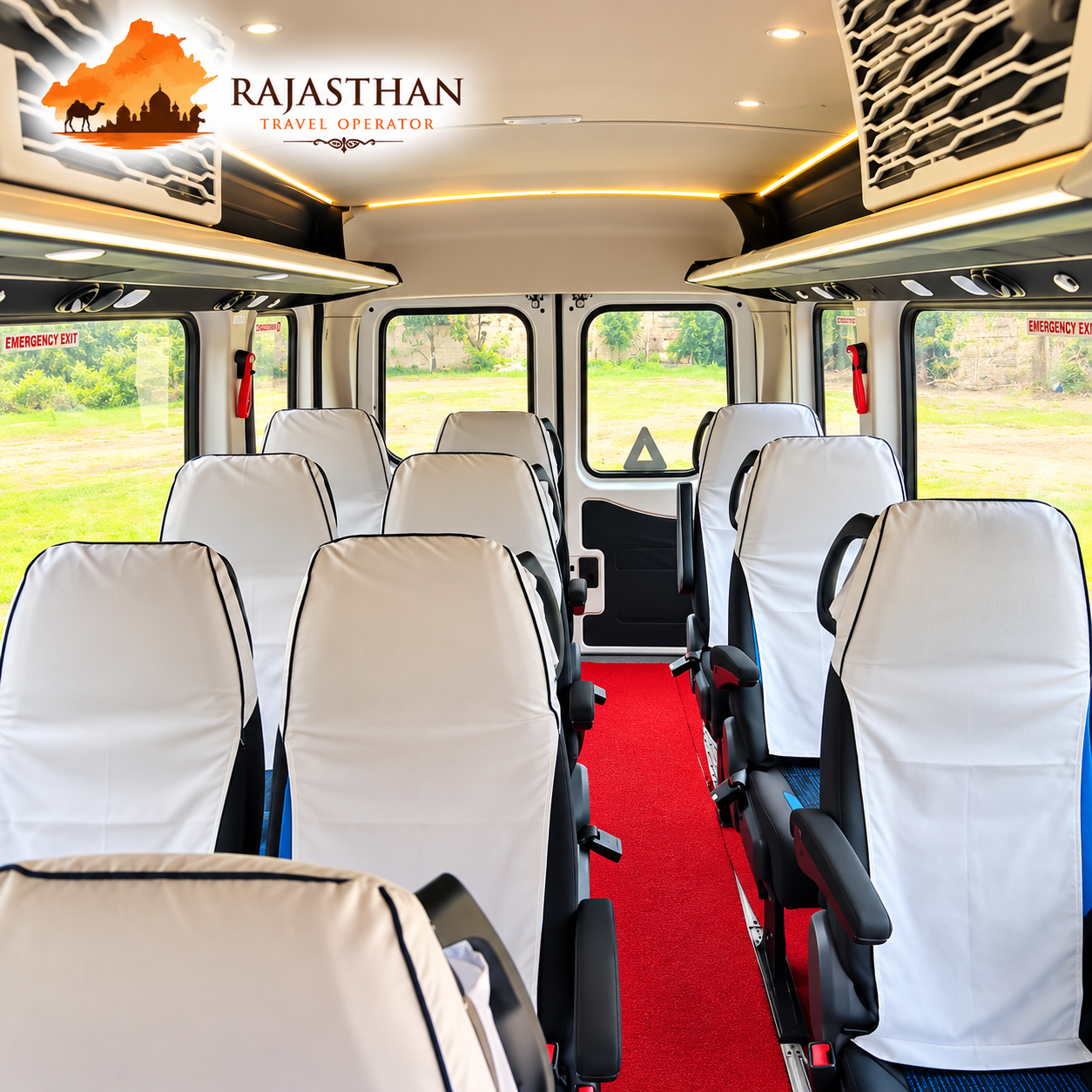
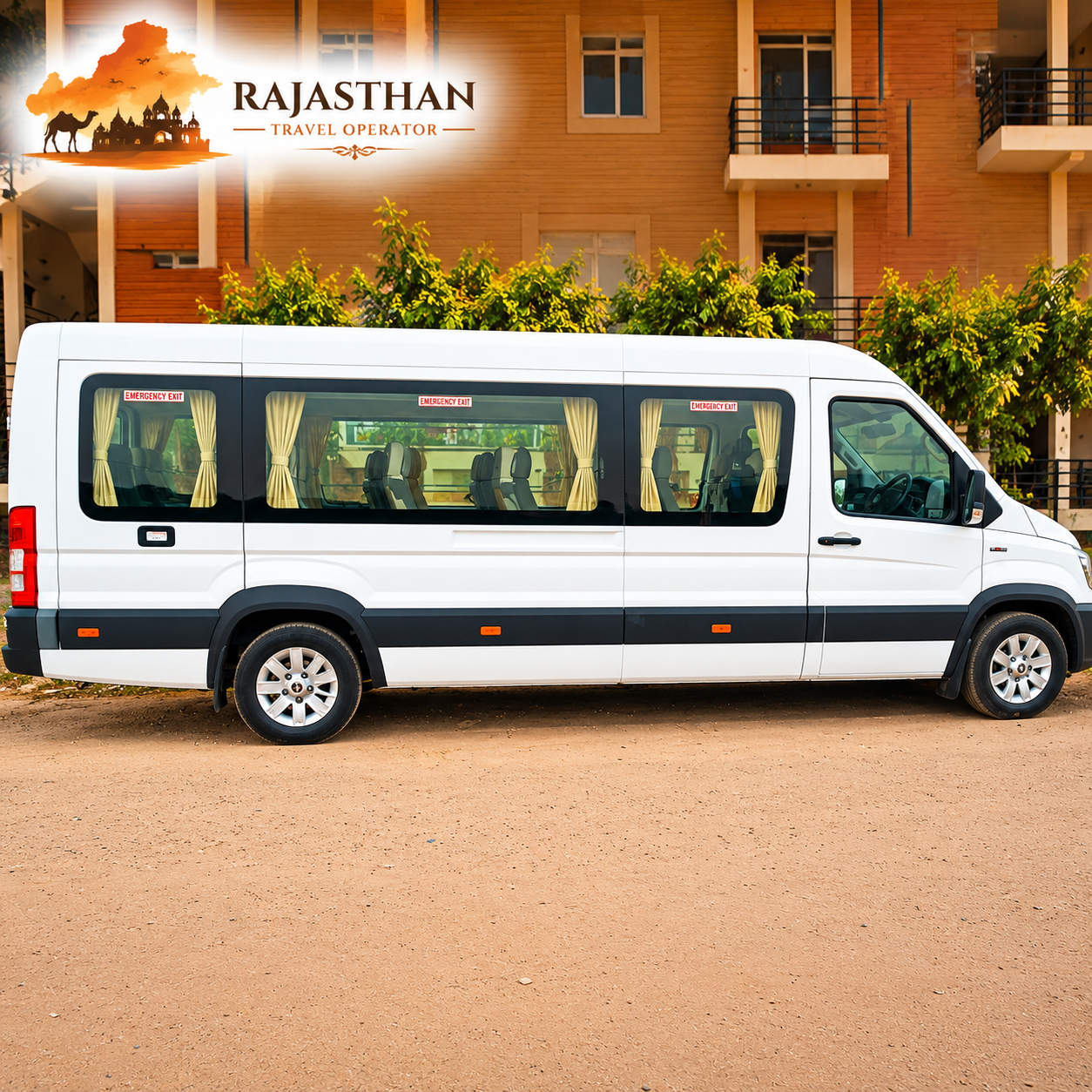
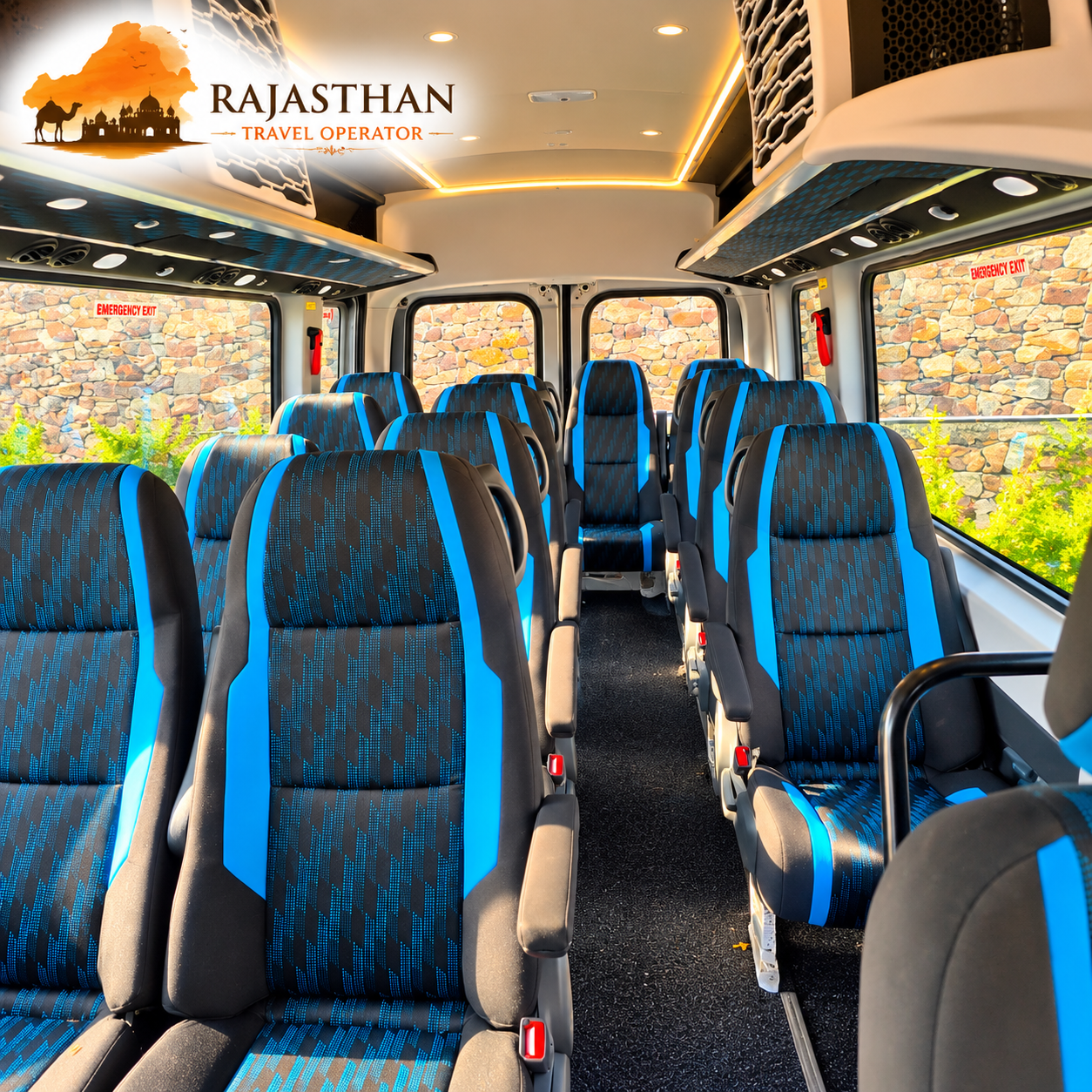
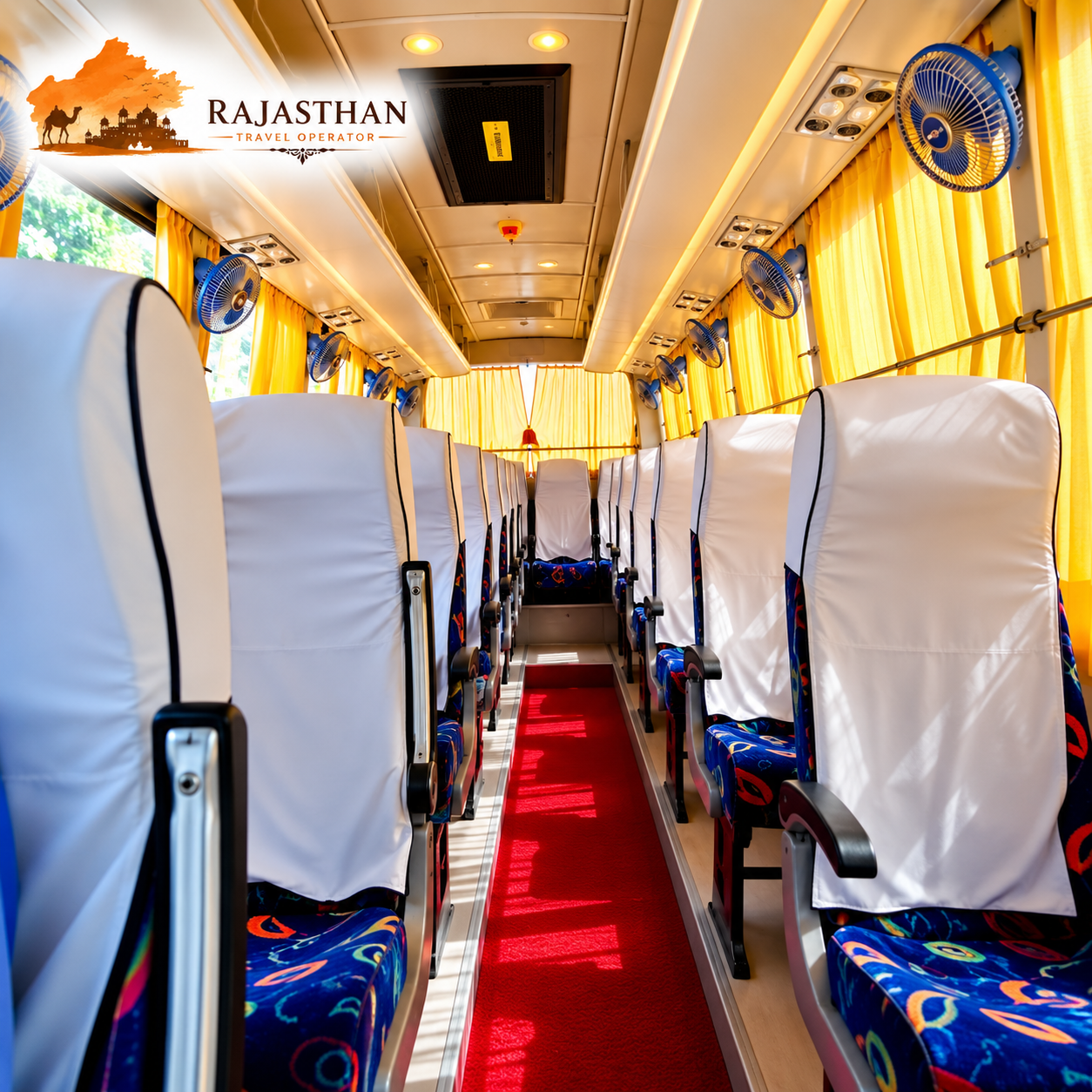
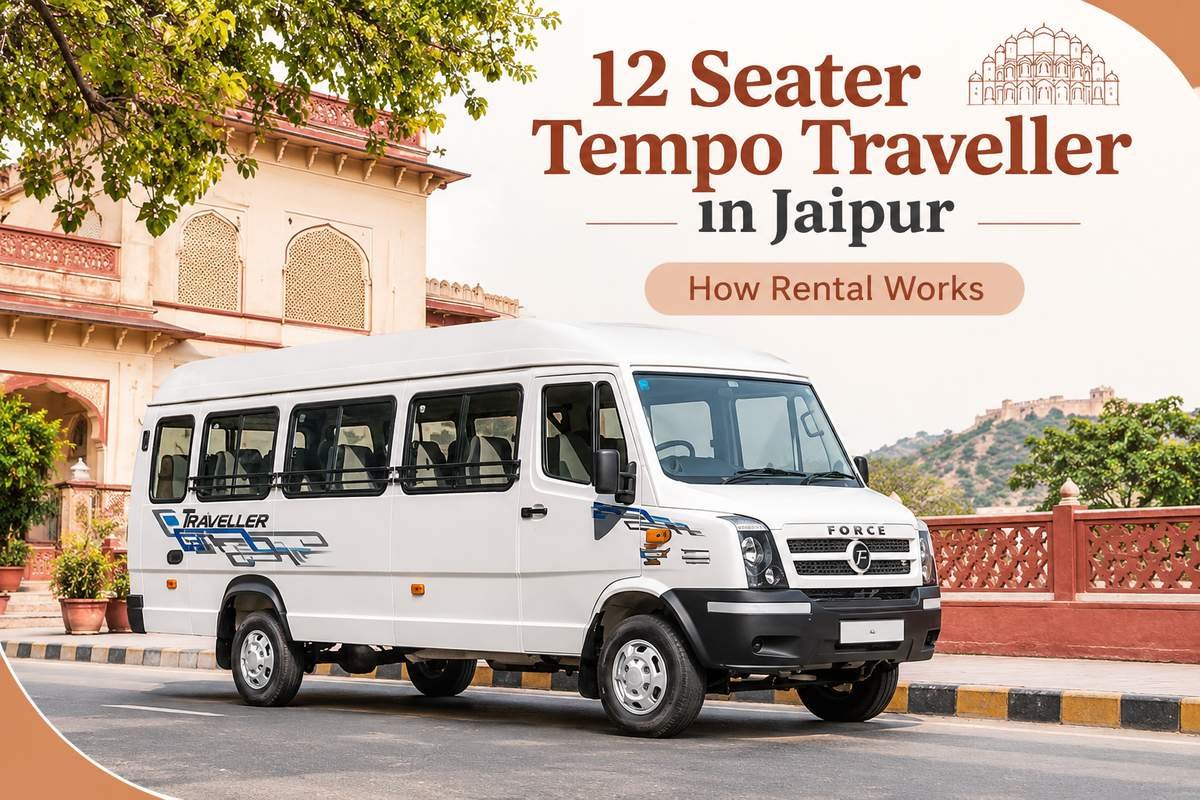
Once the terms make sense, picking the vehicle is the easier half. A standard tempo traveller 12 seater is the familiar choice and tends to be friendlier with luggage, whereas the 12 seater Urbania gives you a taller cabin and a smoother highway ride, though most of the bags then stay inside with you. The wider Urbania tempo traveller overview explains the difference well if you’re unsure, and if what you want is a nicer version of the older body, a luxury tempo traveller is worth a look.
And if twelve turns out wrong
Groups change size more often than anyone admits. If yours ends up smaller, the 10 seater tempo traveller or the 9 seater tempo traveller may bring the cost down a bit, and if it grows instead, the 16 seater tempo traveller is where I’d look next. For a small party that cares more about wide, private chairs than headcount, a Maharaja seat tempo traveller makes sense, and anyone curious about the very top end can read through the luxury Urbania in Jaipur page.
Where to go next
For a side by side look at every size, the tempo traveller on rent page has the full range, and when you’re ready to see whether a 12 seater tempo traveller in Jaipur is free on your dates, you can call or WhatsApp the Rajasthan Travel Operator team on +91 9251041418, with those five questions in your pocket.