Why a Walkthrough Beats Another Spec List
Most guides to Maharaja seating describe the concept in the abstract — wider chairs, more legroom, fewer total seats — without showing what an actual trip looks like once a family has made that trade-off. This is that walkthrough instead: a realistic four-day Rajasthan circuit for a family of eight, using a Maharaja seat tempo traveller, with the practical decisions that shaped how the trip actually felt.
The Group and the Planning Conversation
Picture a family of eight — two grandparents in their late seventies, both with mobility concerns, along with four adults and two teenagers — planning a four-day circuit covering Jaipur, Nathdwara, and Udaipur. The family had done a similar trip two years earlier in a standard-configuration tempo traveller, and the grandmother specifically struggled with the tight seating and limited legroom on the long highway stretches, arriving at each destination stiff and uncomfortable. This time, the family wanted to avoid repeating that experience.
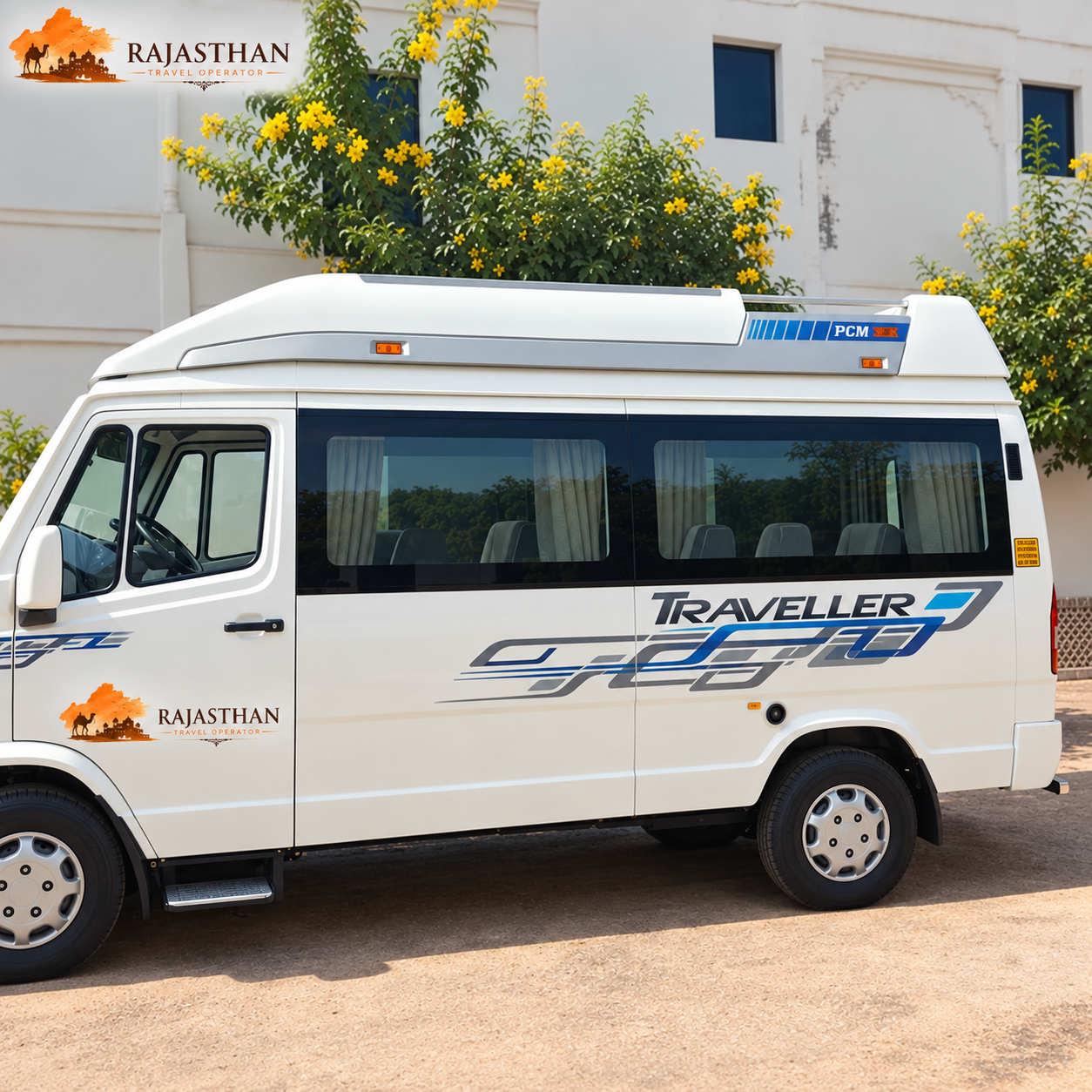
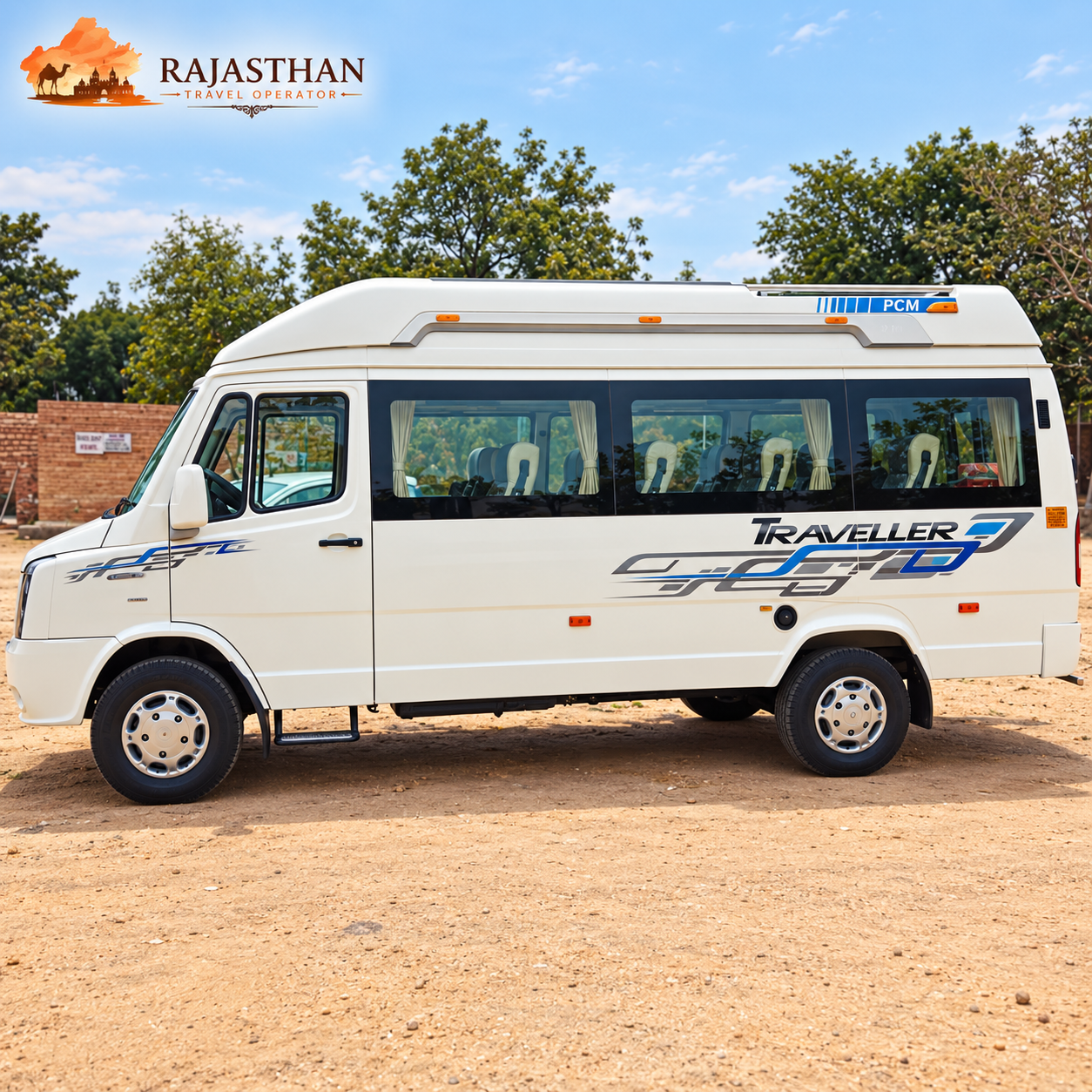
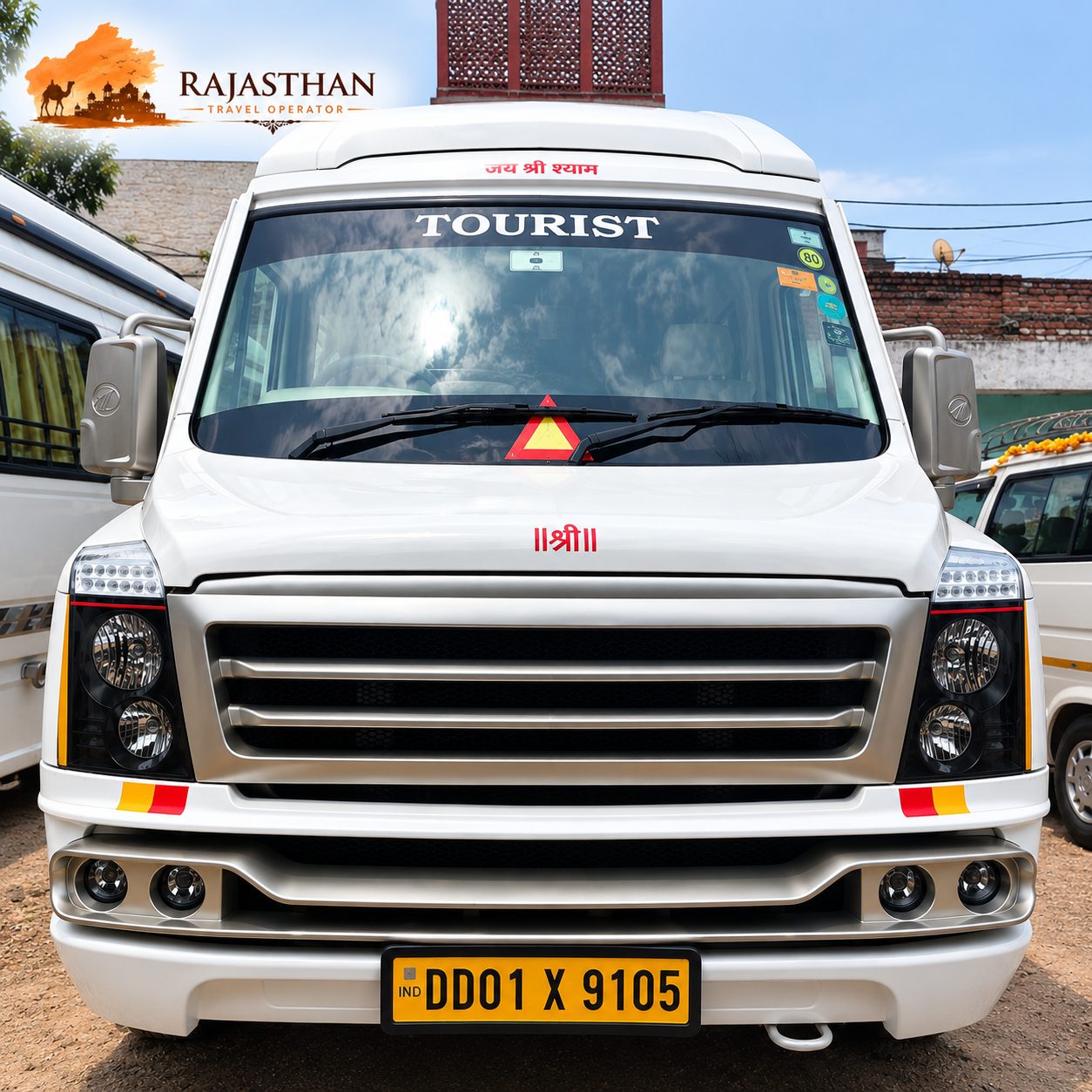
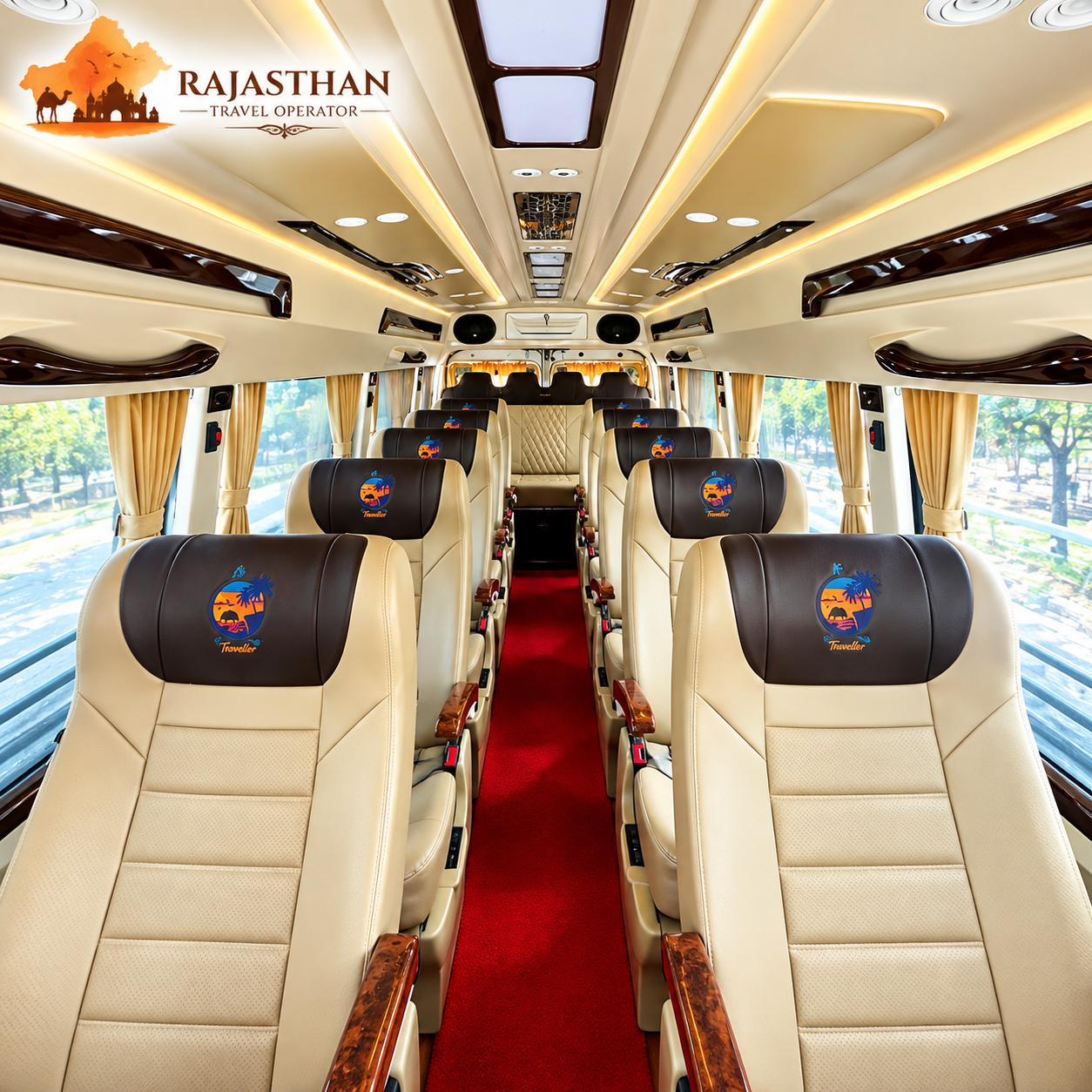
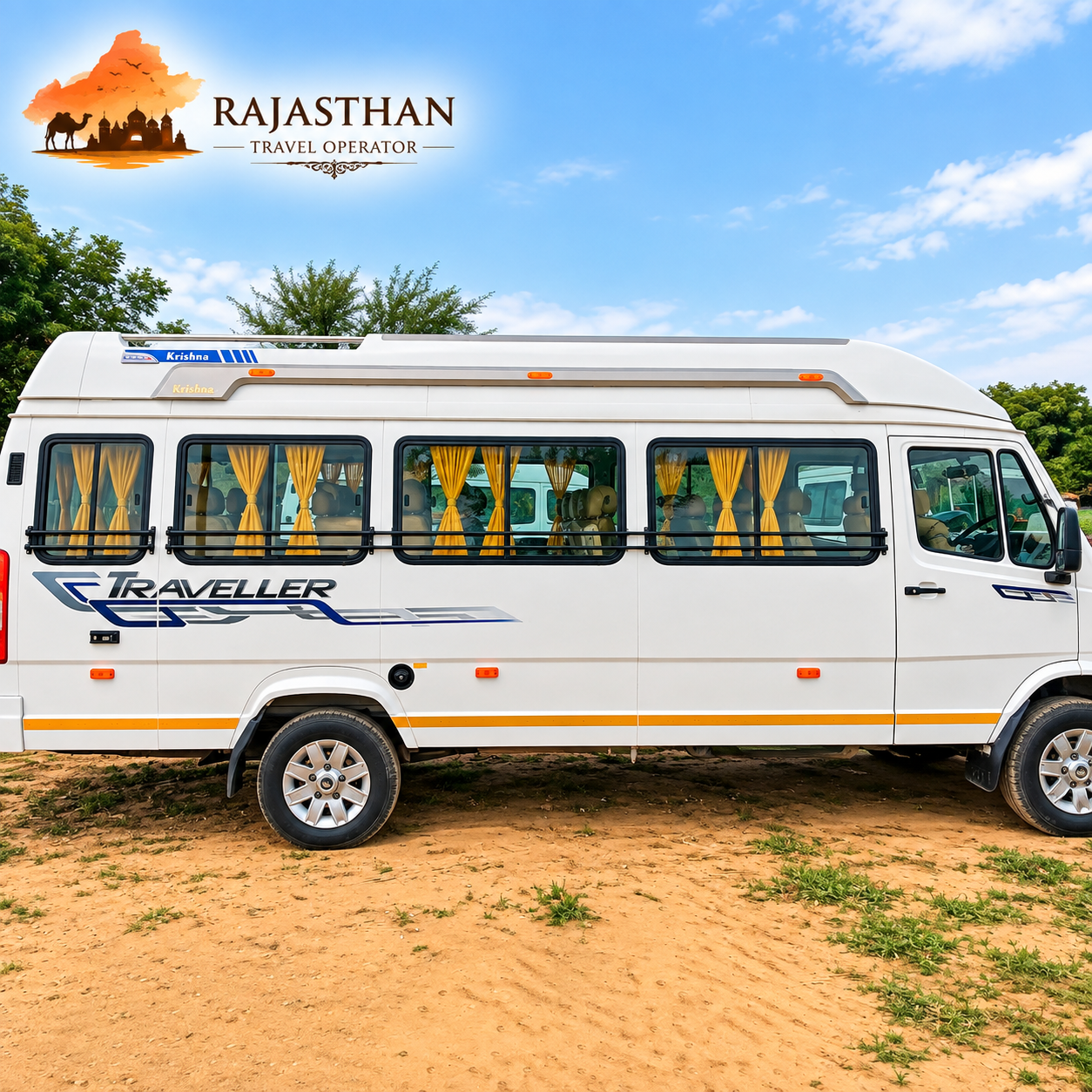
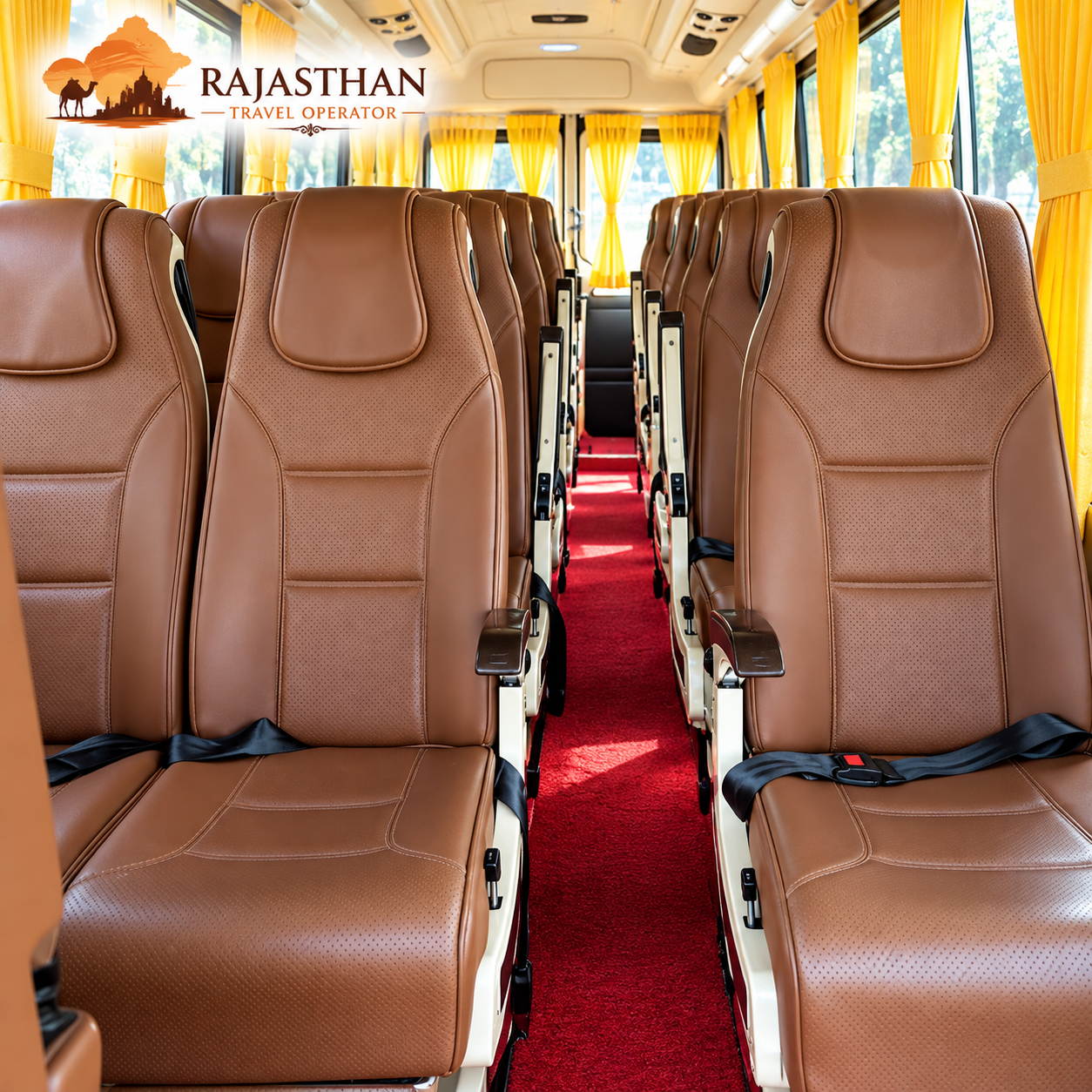
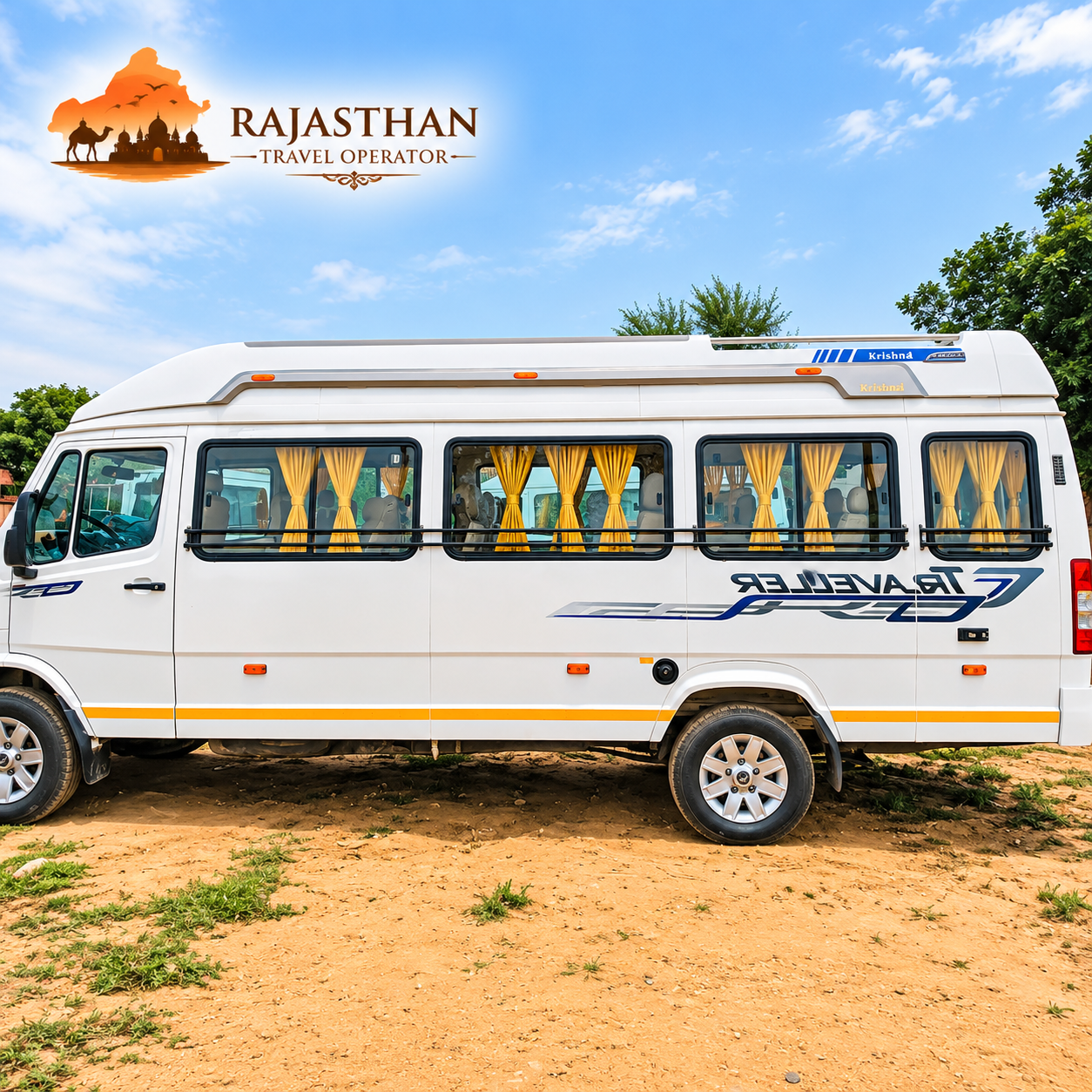
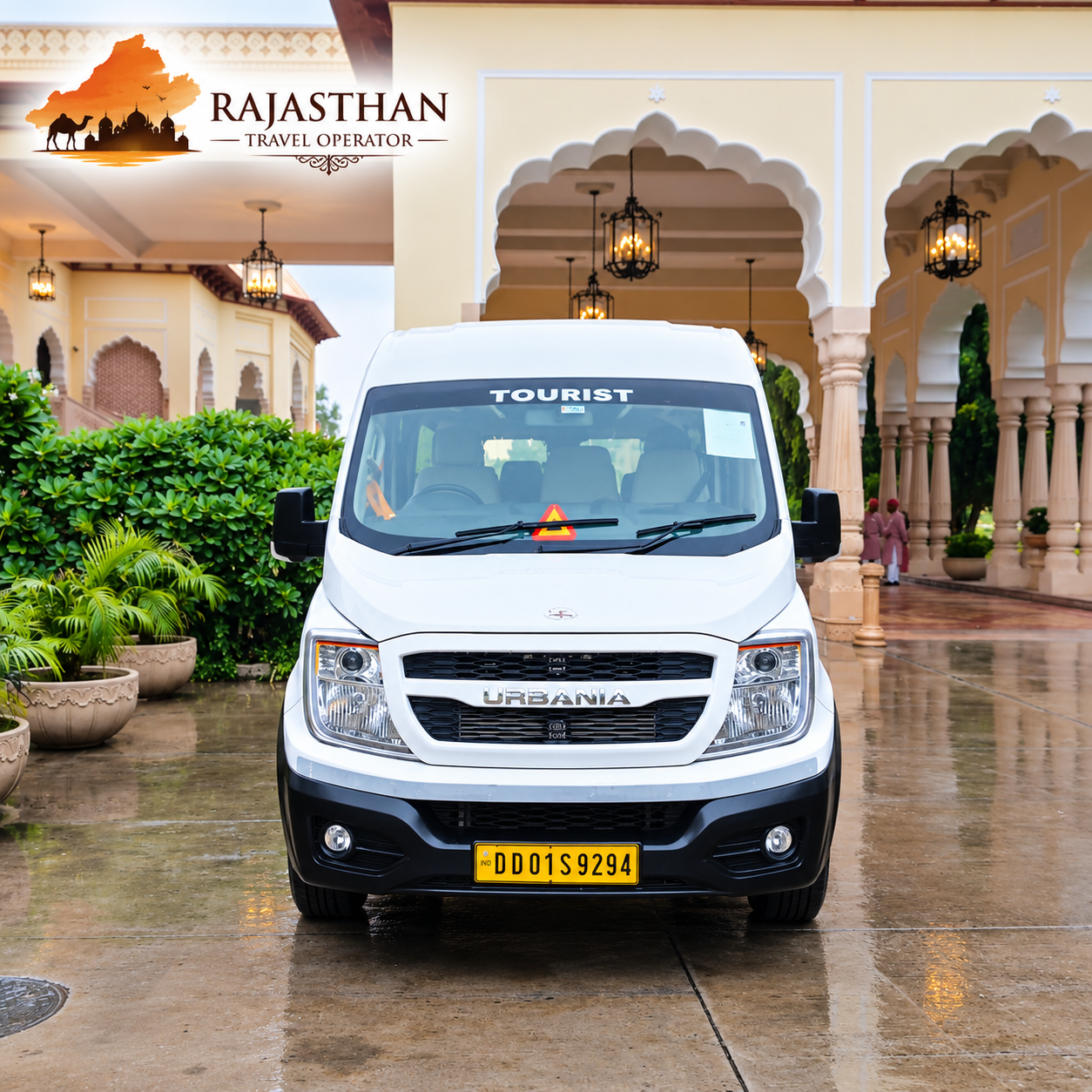
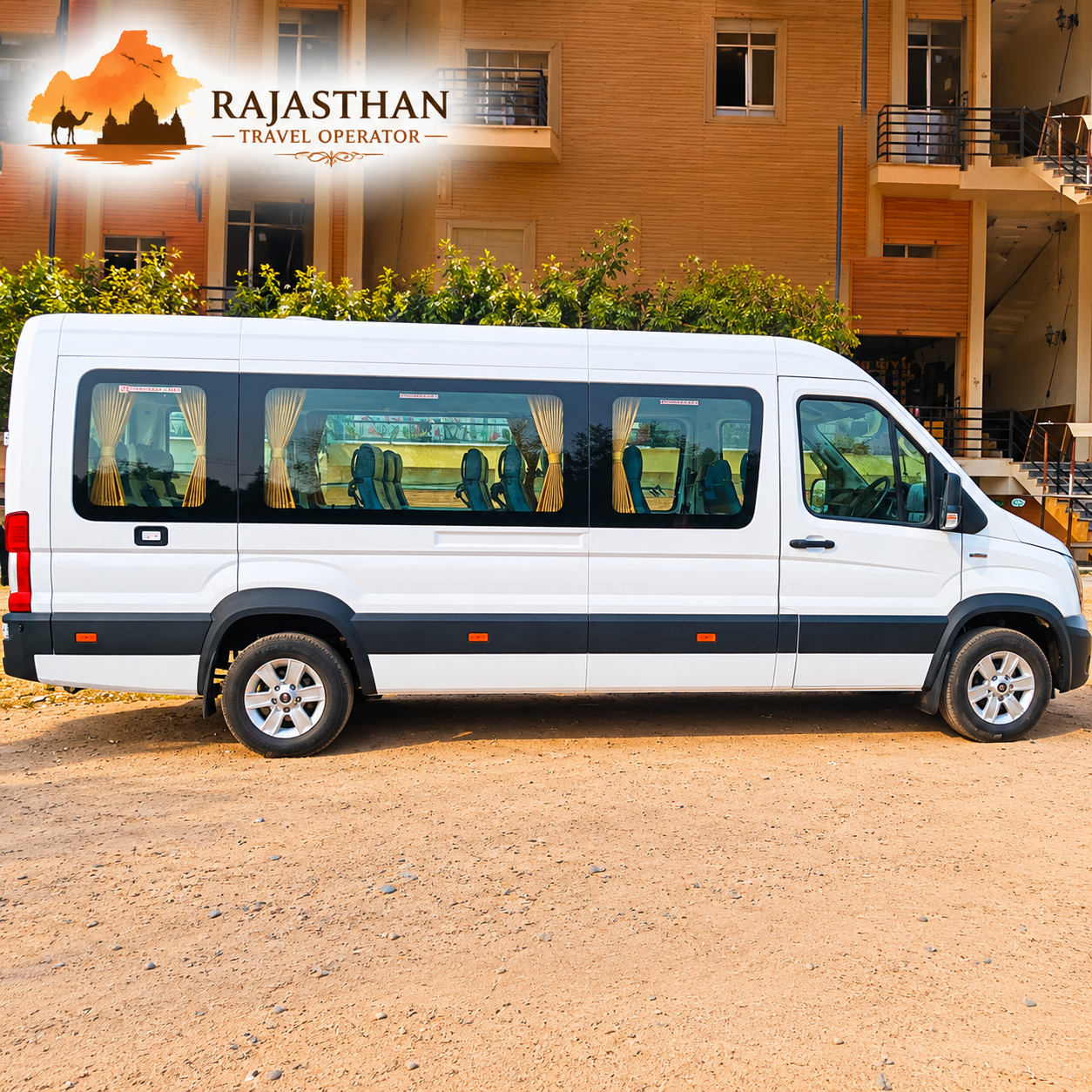
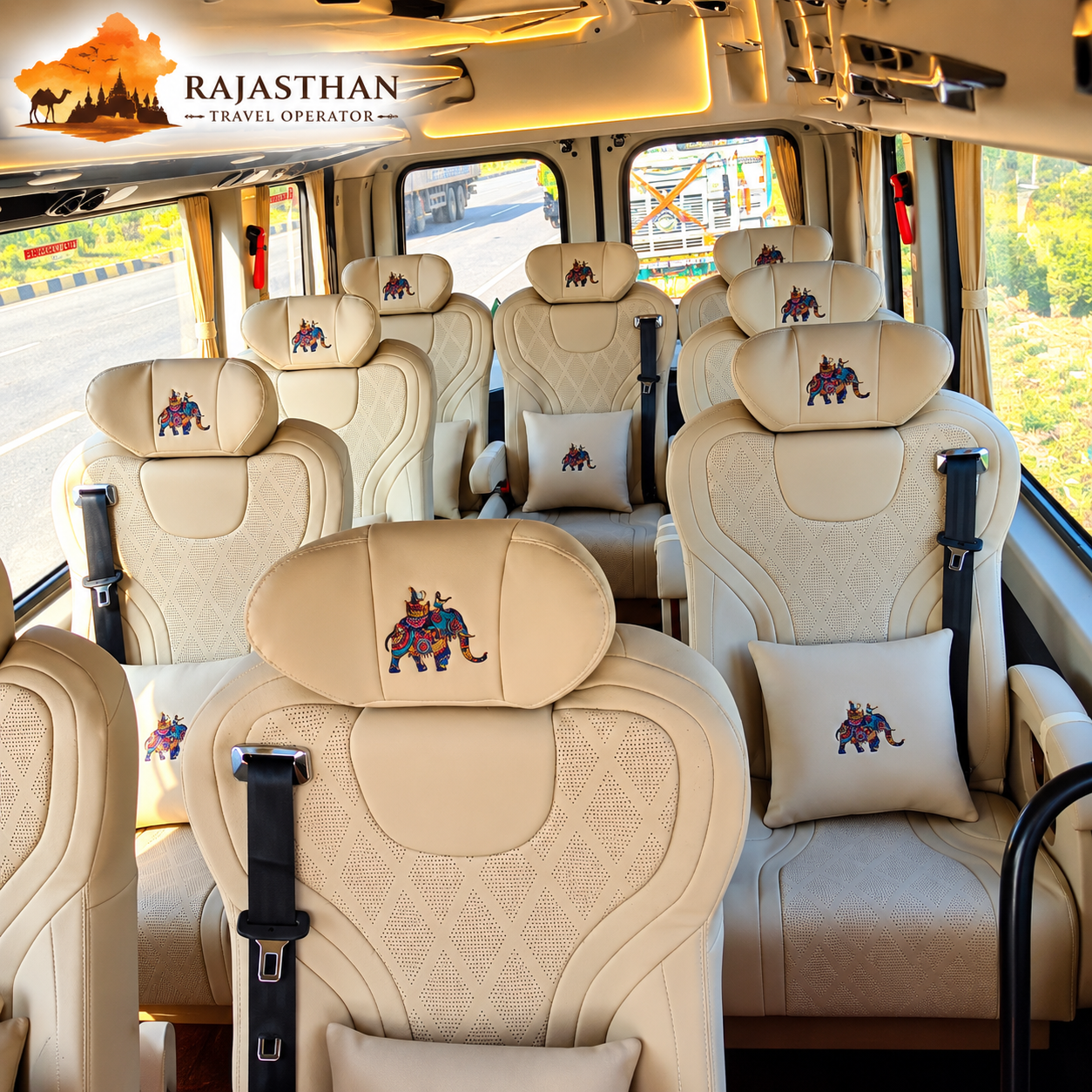
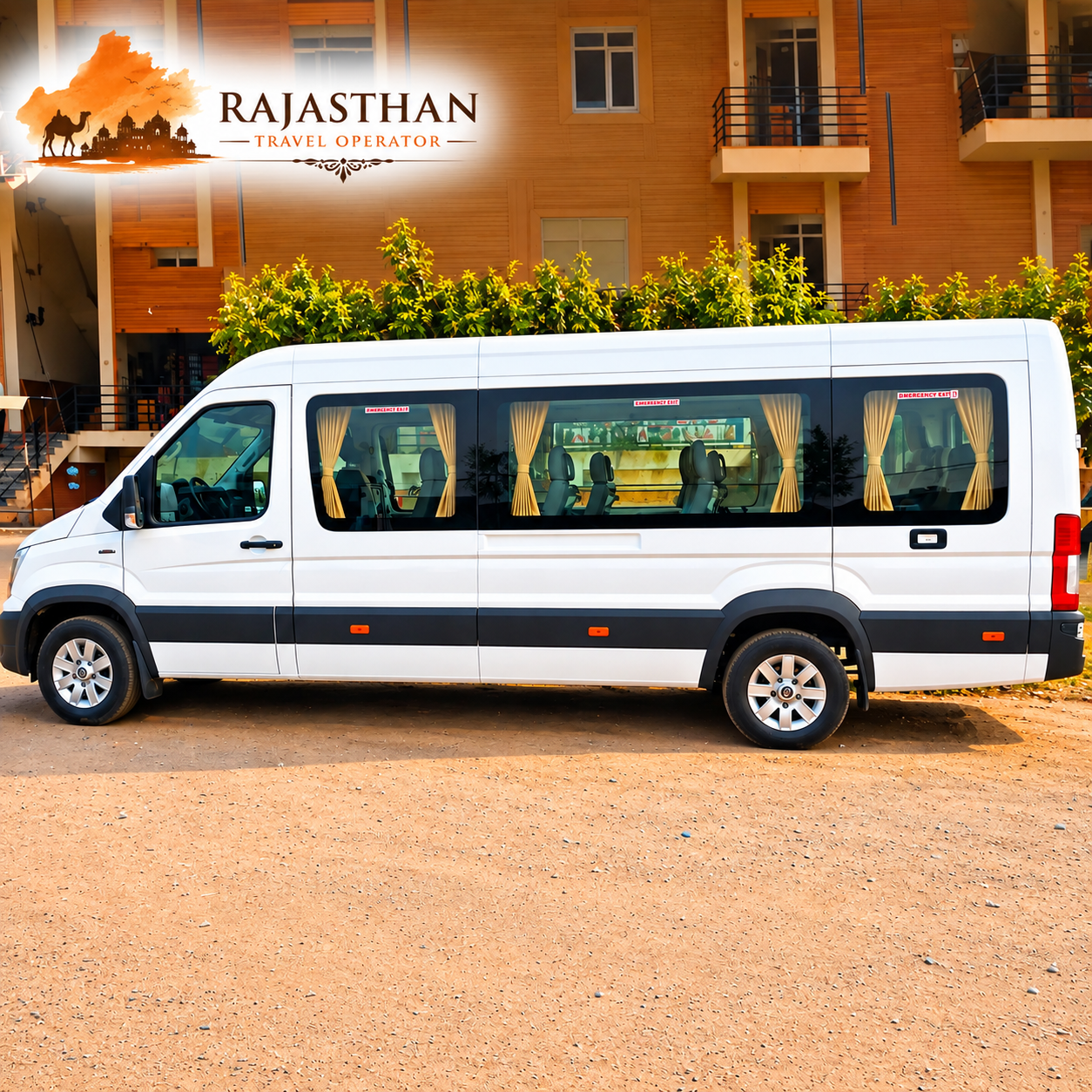
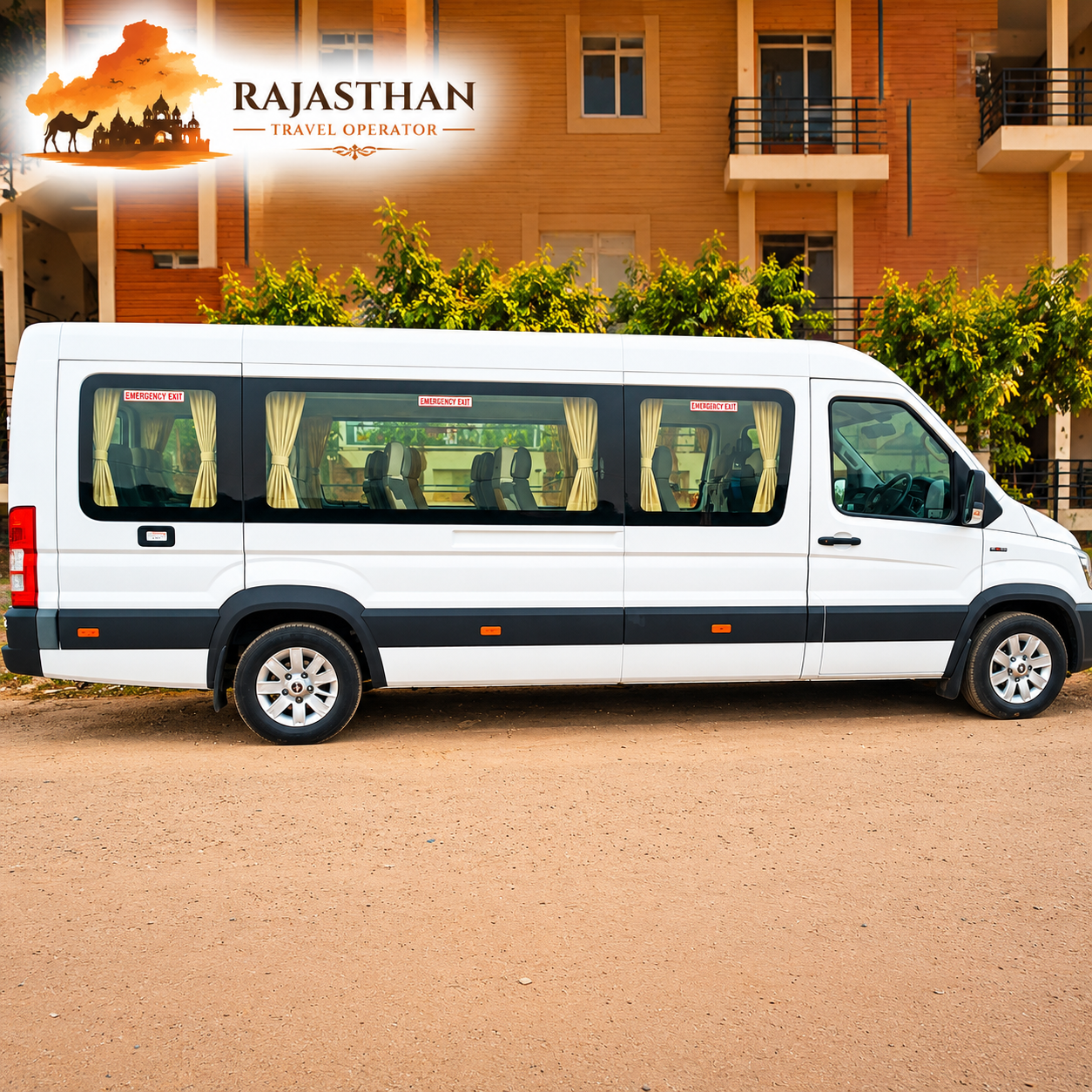
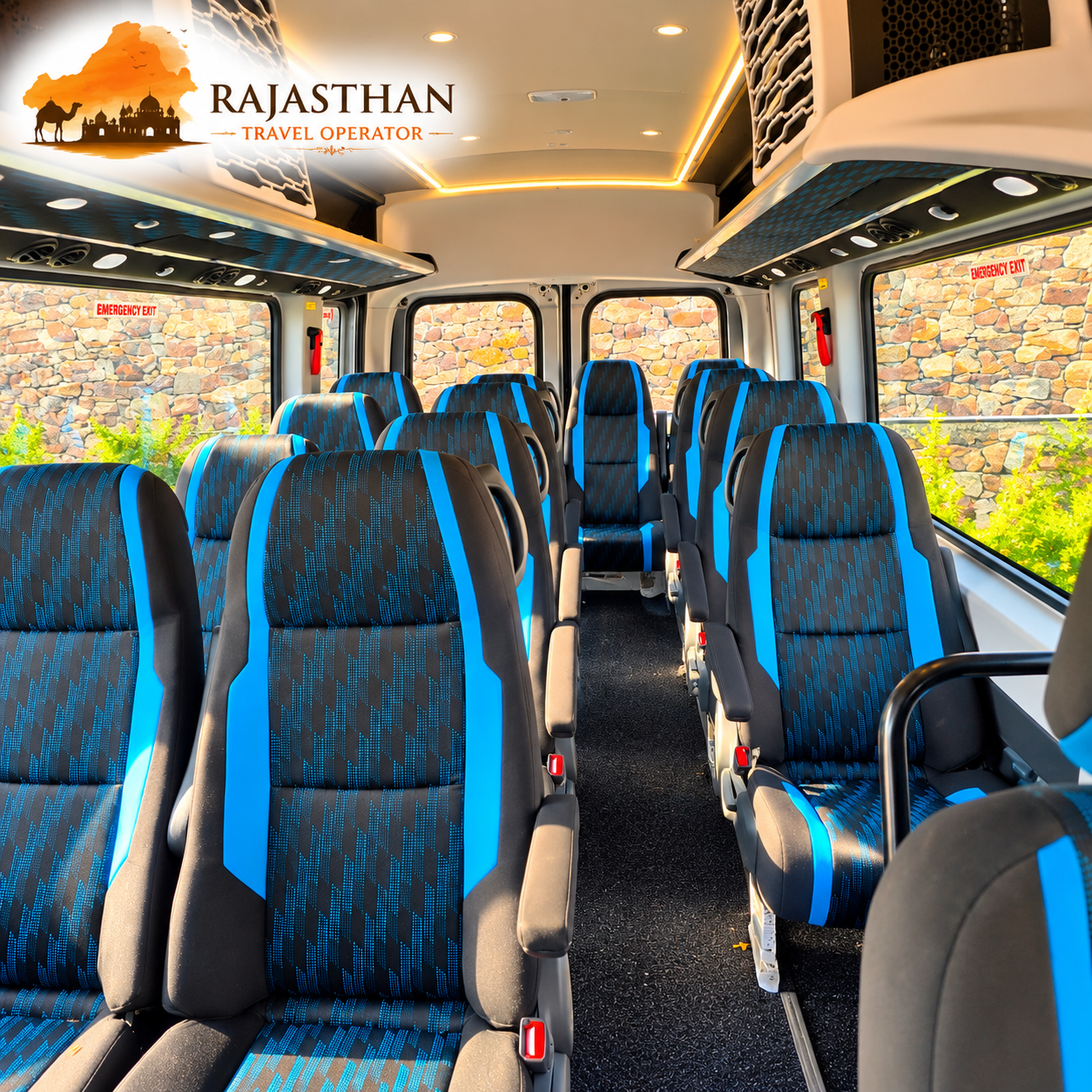
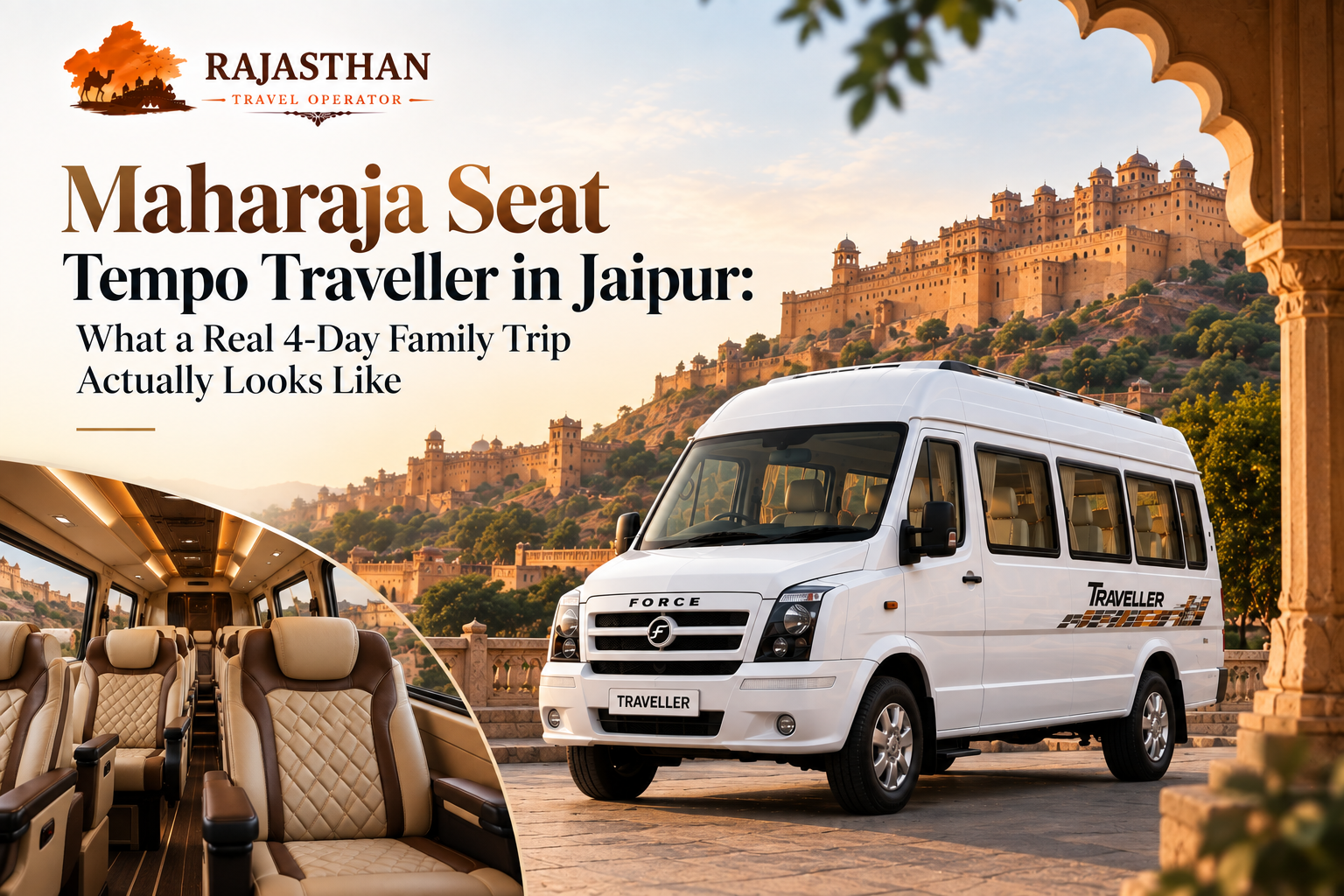
Before booking, the family had a longer conversation than usual with the operator — not just about seat count, but about what “Maharaja seating” actually meant for their specific vehicle. They confirmed it was a standard ladder-frame chassis, not the Urbania platform, specifically because they had real luggage for a multi-day trip and wanted to keep the roof carrier available. They also asked exactly how many seats the configuration carried — nine wide individual chairs on this particular body, down from the standard twelve or so the same chassis could otherwise hold.
Day One: Jaipur Pickup and the First Impression That Mattered Most
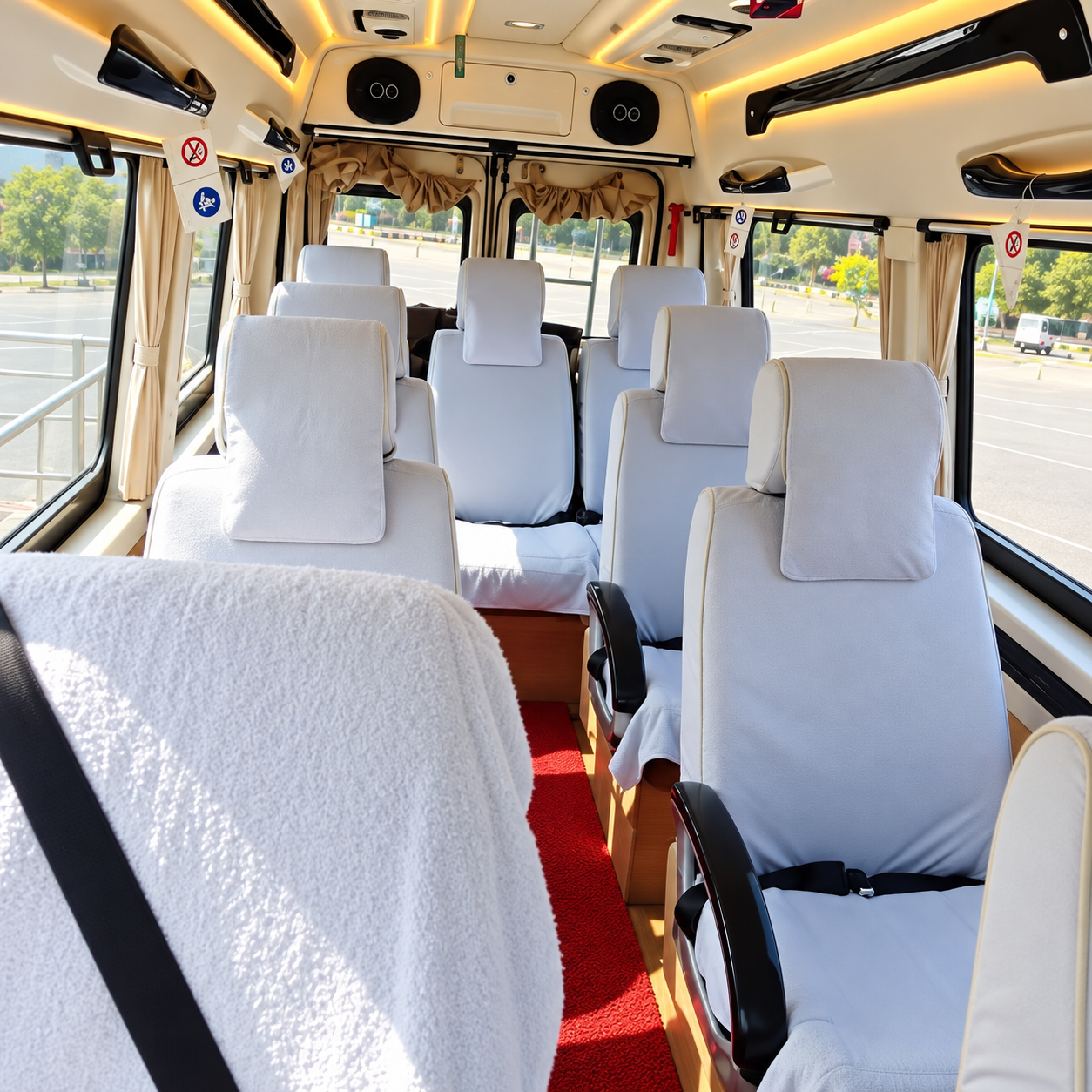
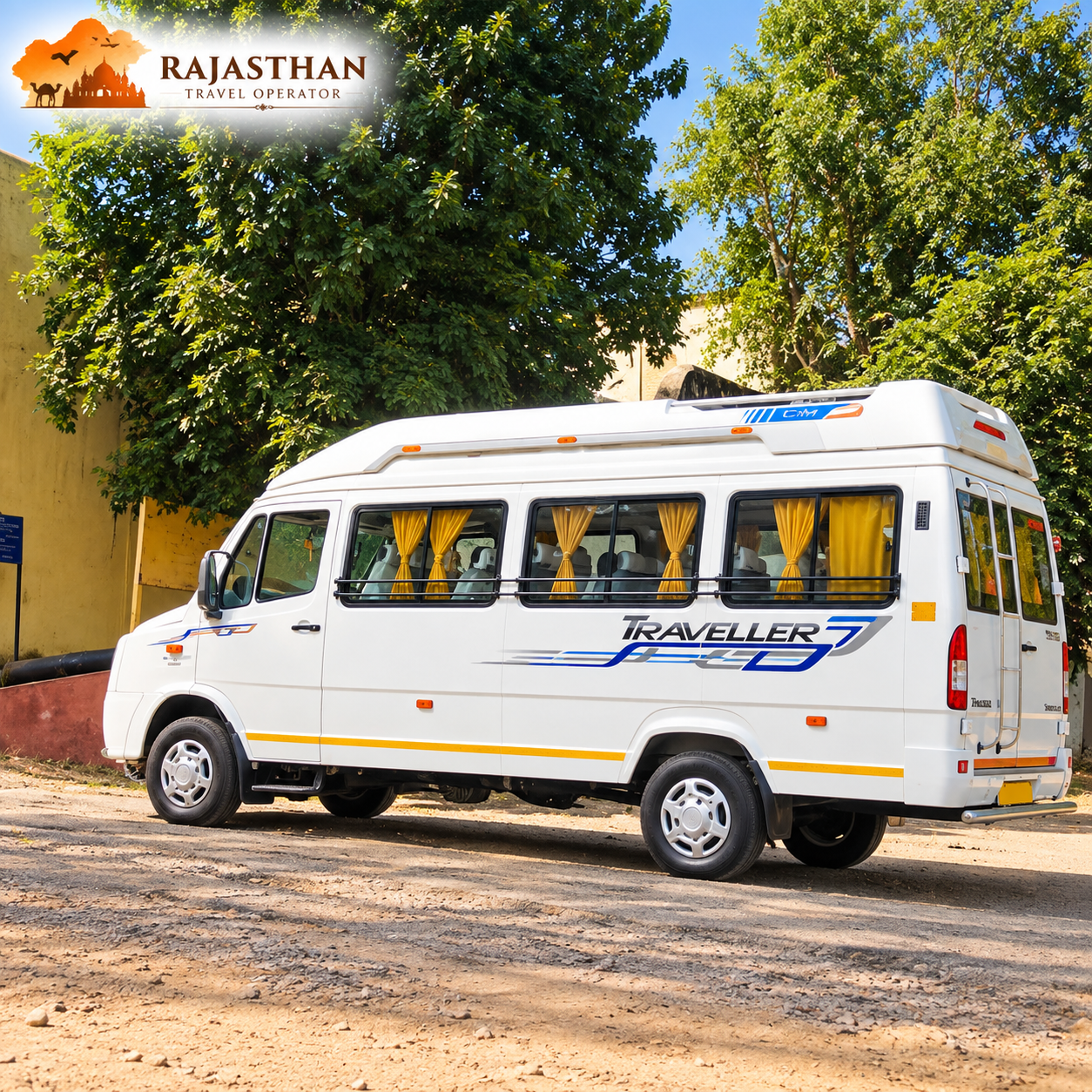
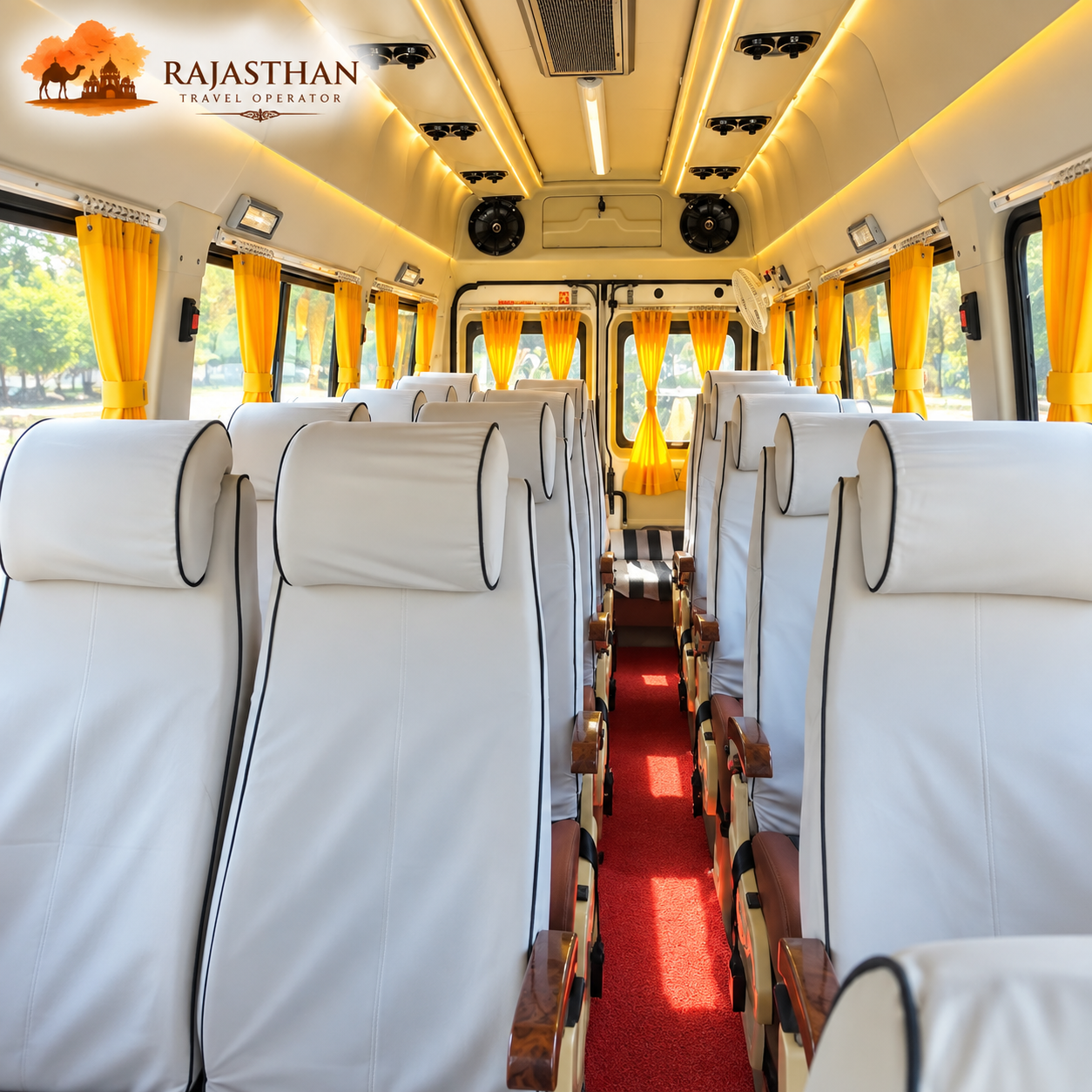
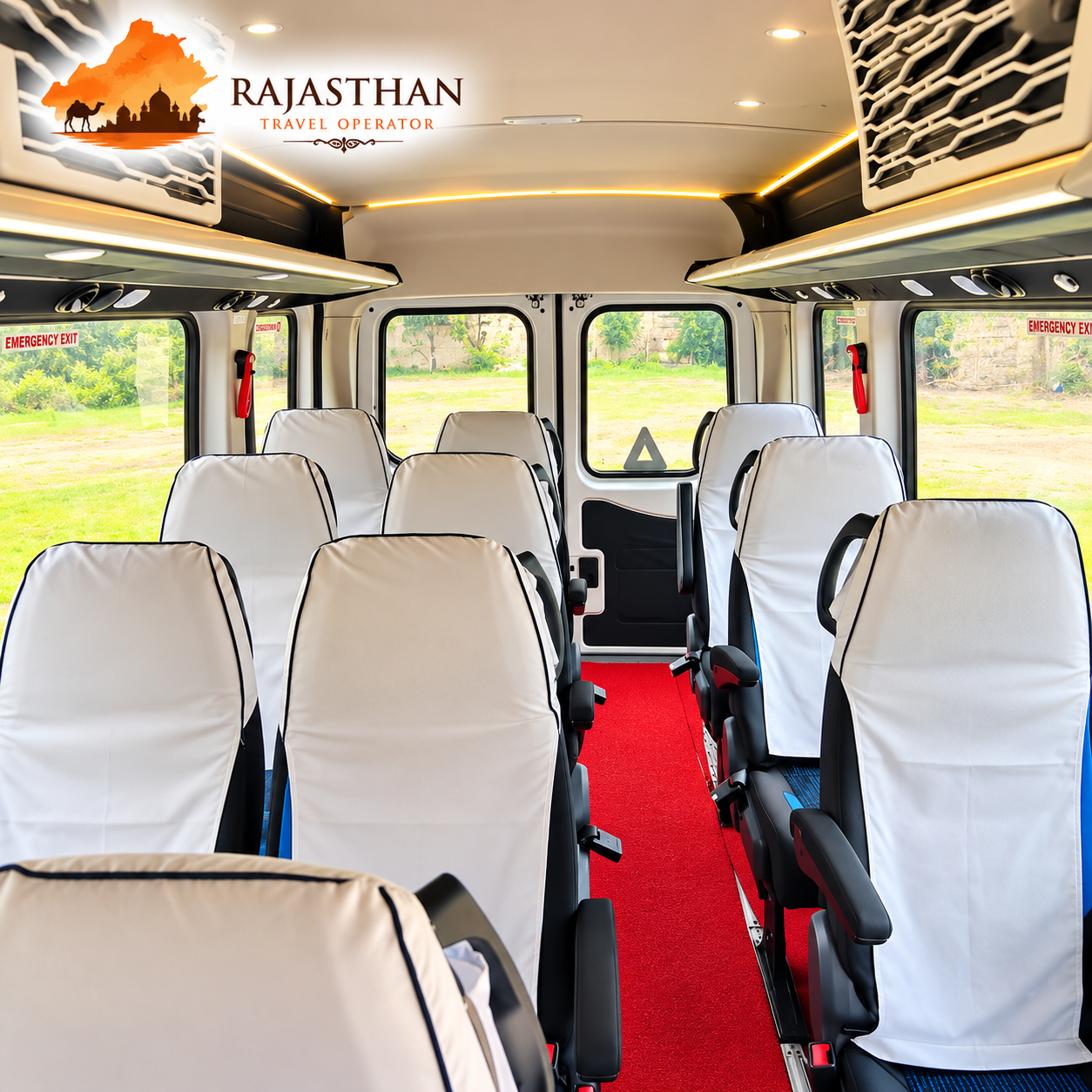
The vehicle arrived at the family’s Jaipur hotel in the morning, and the grandparents’ first reaction on boarding was immediate — real armrests on both sides, genuine distance to the seat in front, and a noticeably wider chair than the cramped rows they remembered from the previous trip. Loading took the usual roof-carrier routine, with eight bags going up top and day items kept inside the cabin, no different from a standard configuration in this respect.
The first day covered local Jaipur sightseeing — Amer Fort and City Palace — with the family deliberately keeping the pace relaxed given the grandparents’ mobility concerns. Even on this shorter day, the reduced number of passengers relative to the vehicle’s size meant getting in and out of the cabin was noticeably easier than the previous trip’s fuller vehicle, with more room to manoeuvre near the door.
Day Two: Jaipur to Nathdwara, the Real Test
Day two was the trip’s first genuine highway stretch — roughly five hours to Nathdwara. This is exactly the scenario the family had booked the Maharaja configuration for, and it delivered clearly. The grandmother specifically commented, partway through the drive, that she could recline properly for the first time on a trip like this, something that simply hadn’t been possible in the standard row seating from two years earlier.
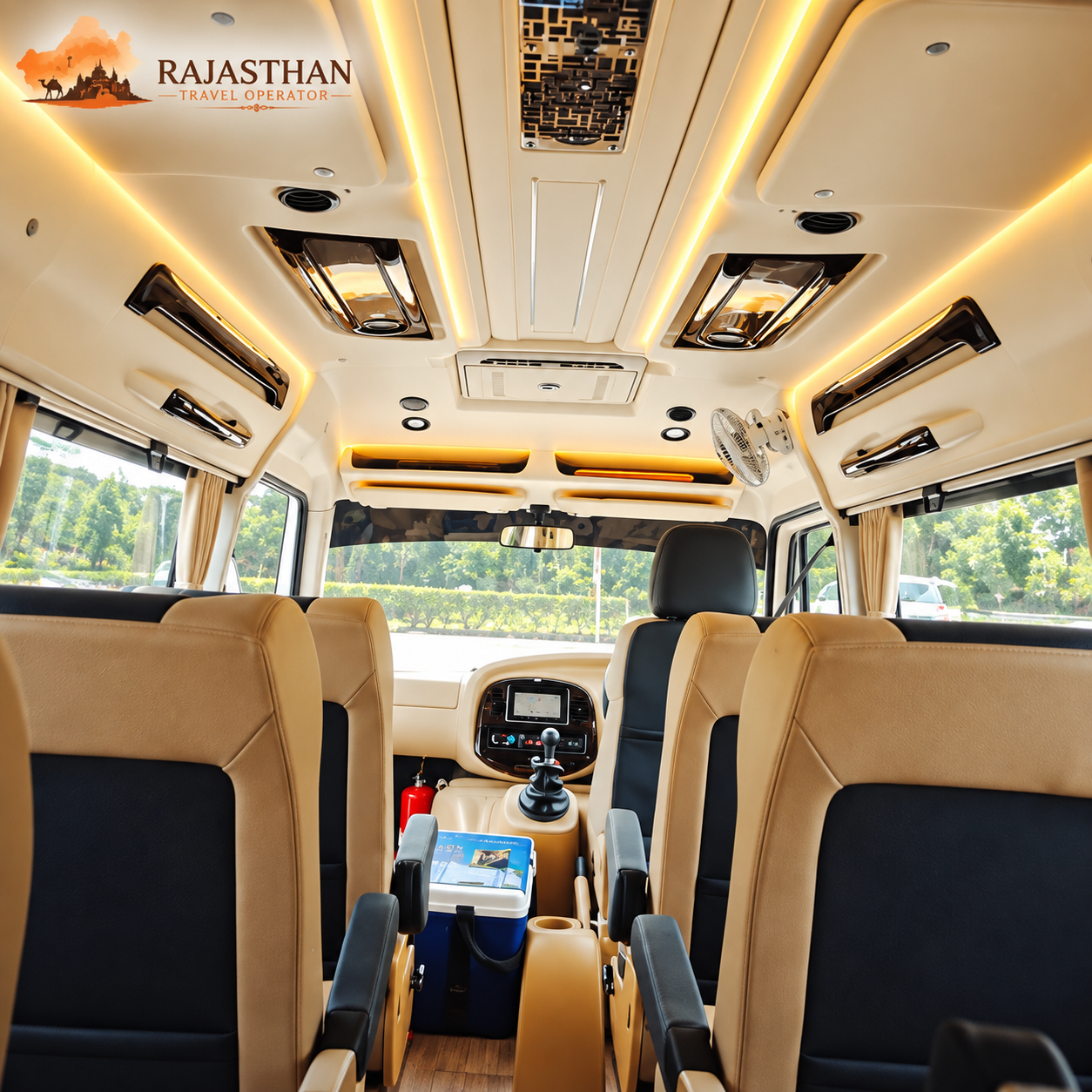
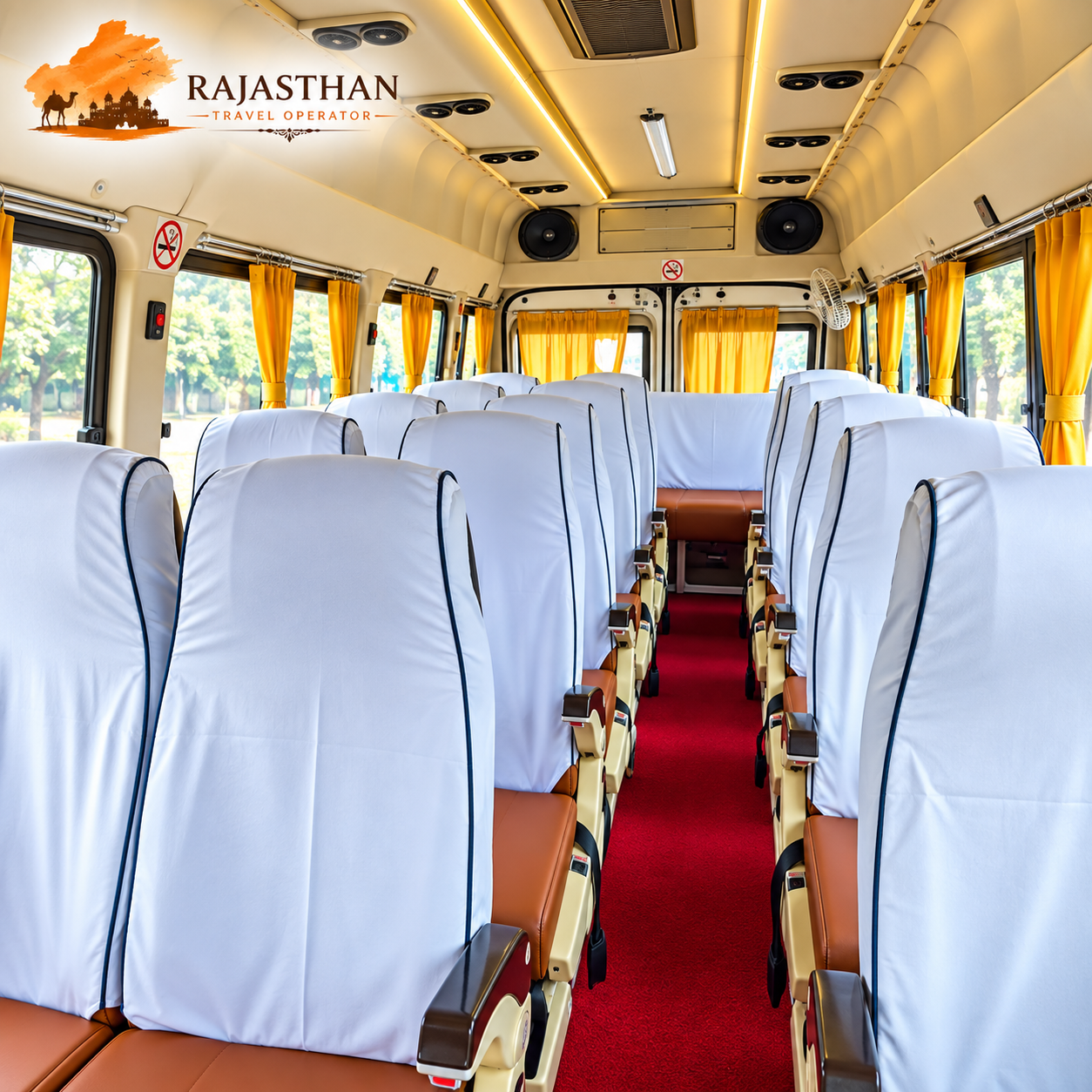
The family had also opted for luxury tempo traveller trim on top of the Maharaja configuration, and the roof-mounted AC handled the five-hour stretch evenly — a detail that mattered more given how few passengers were spread across a body built for more seats, meaning even the smaller-than-usual group stayed comfortably cool throughout.
Day Three: Nathdwara to Udaipur, and a Shorter, Easier Day
Day three was a shorter drive — around two and a half hours to Udaipur — followed by an afternoon of gentle sightseeing at City Palace and Lake Pichola. By this point, the family noticed the grandparents were noticeably less fatigued than they’d been by the equivalent point on the previous trip, something they specifically attributed to the wider seating and genuine recline across the two driving days so far, rather than any single feature on its own.
The boot space, still mostly free since the roof carrier held the bulk of the luggage, made it easy to access day bags and medication kept close at hand for the grandparents throughout the day — a small but meaningful convenience the family specifically mentioned when reflecting on the trip afterward.
Day Four: Udaipur Sightseeing and the Return Journey
The final day combined a relaxed morning in Udaipur with the return drive back toward Jaipur — the trip’s second-longest stretch at around five hours. By this stage, the family had settled into a clear pattern: the wider seating and extra recline made the two long driving days genuinely manageable for the grandparents in a way the previous trip’s standard configuration hadn’t, even though this configuration meant paying for fewer total seats than the vehicle’s body could technically carry.
What This Trip Illustrates About Booking Maharaja Seating
The comparison against a real previous trip made the value of this configuration much clearer than an abstract description ever could. The family had a direct before-and-after reference point — the same general circuit, roughly the same group, but a genuinely different experience specifically because of the seating change. That’s a useful way to think about this upgrade generally: it’s easiest to evaluate against a specific memory of what standard seating felt like on a similar trip, rather than as an isolated feature.
The reduced seat count — nine wide chairs instead of a fuller standard row layout — meant paying more per passenger, but for a family of eight with real mobility concerns among the grandparents, that trade was clearly worth it based on how the trip actually went. A larger, cost-focused group without similar mobility needs might have made a different call, and that’s a genuinely honest trade-off rather than a universal recommendation.
Choosing the standard chassis over the Urbania tempo traveller platform mattered specifically because of the family’s real multi-day luggage — the roof carrier stayed available throughout, something that wouldn’t have been the case had they chosen a configuration like the 9 seater Urbania with Maharaja seats instead, which offers a similarly wide seating layout but with no roof storage at all.
A Quick Checklist Based on This Trip
Before booking Maharaja seating for a similar circuit, ask for the exact seat count the specific vehicle carries in this configuration — this family’s nine seats on a body that could otherwise carry more was a direct trade they made consciously, not an assumption. Confirm which chassis the seating sits inside, since that decision shapes the whole luggage plan — this family specifically avoided the Urbania platform because of their multi-day bag count.
If your group includes elderly or mobility-limited passengers on a trip with genuine highway stretches, this family’s experience suggests the upgrade is worth prioritising, particularly if you have a direct comparison point from a previous trip in standard seating. If your group is larger and cost-focused without similar mobility concerns, it’s worth comparing the actual per-seat cost against a standard configuration on a vehicle like the tempo traveller 12 seater or 16 seater tempo traveller before committing to the premium.
For a smaller group considering the ride-comfort trade-off further, the 12 seater Urbania or its luxury Urbania tempo traveller trim is worth comparing if luggage is genuinely light and ride smoothness matters as much as seat width. Full comparisons across the whole fleet, from the smaller 9 seater tempo traveller and 10 seater tempo traveller through larger group sizes, are on the tempo traveller on rent page if your own trip looks different from this example.
Frequently Asked Questions
How did this family know Maharaja seating was worth the extra cost? They had a direct comparison point — a similar trip two years earlier in standard seating, where the grandmother specifically struggled with tight legroom. That real before-and-after reference made the value obvious in a way an abstract description couldn’t.
Why did the family choose a standard chassis over the Urbania platform? Because they had real multi-day luggage for four days across three cities, and wanted to keep the roof carrier available rather than fitting everything inside the cabin, which the Urbania platform doesn’t allow at any seat count.
Which days of the trip showed the biggest benefit from the wider seating? The two genuine highway stretches — day two to Nathdwara and day four back to Jaipur — where the extra recline and legroom compounded over several hours, according to the family’s own account.
Is this configuration worth it for every group? Not necessarily — it costs more per seat since the same vehicle carries fewer total passengers. It made clear sense for this family given the grandparents’ specific mobility needs, but a larger, cost-focused group without similar concerns might reasonably choose standard seating instead.
What’s the main lesson for someone planning a similar trip? Confirm the exact seat count and chassis type before booking, and if possible, weigh the decision against a specific memory of how a similar trip felt in standard seating — that comparison tends to make the value of the upgrade much clearer than reading about it in the abstract.
Final Word
A walkthrough like this shows what Maharaja seating actually changes in practice, not just in theory — a real family with a real point of comparison, choosing wider seats specifically because a previous trip had shown them exactly what was missing. Map your own group’s needs and any past experience against an example like this one, and the decision usually becomes far more obvious than it looked from a spec sheet alone.