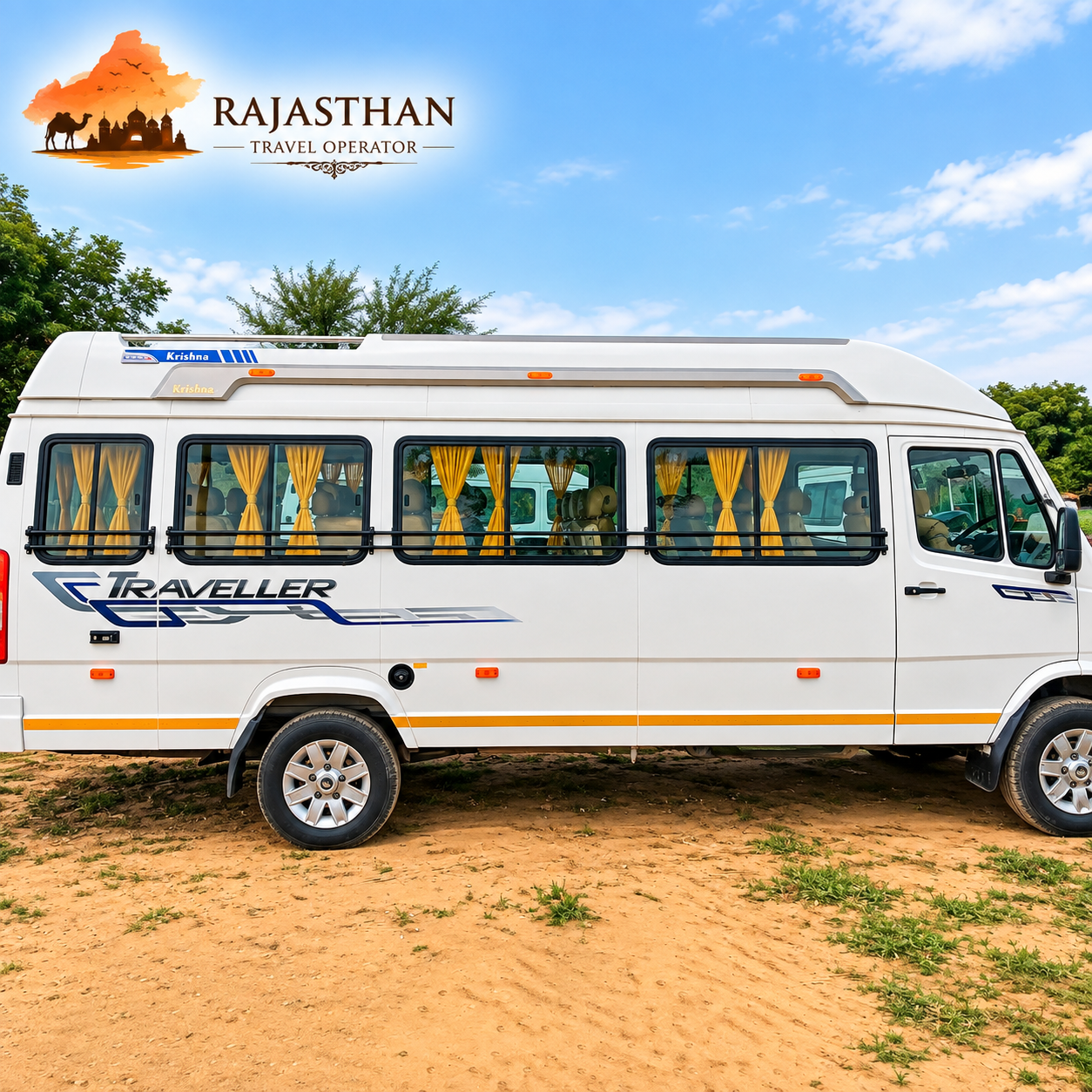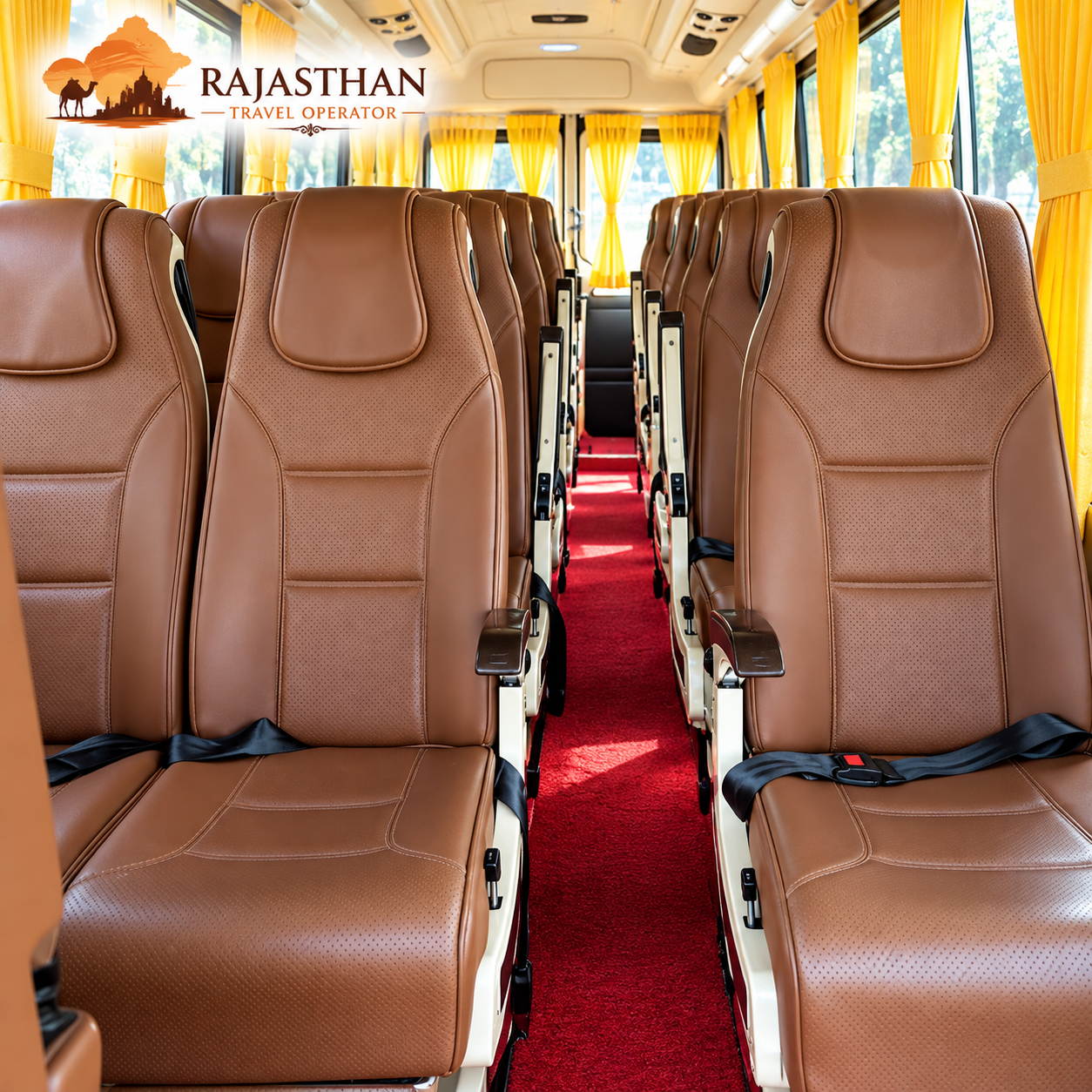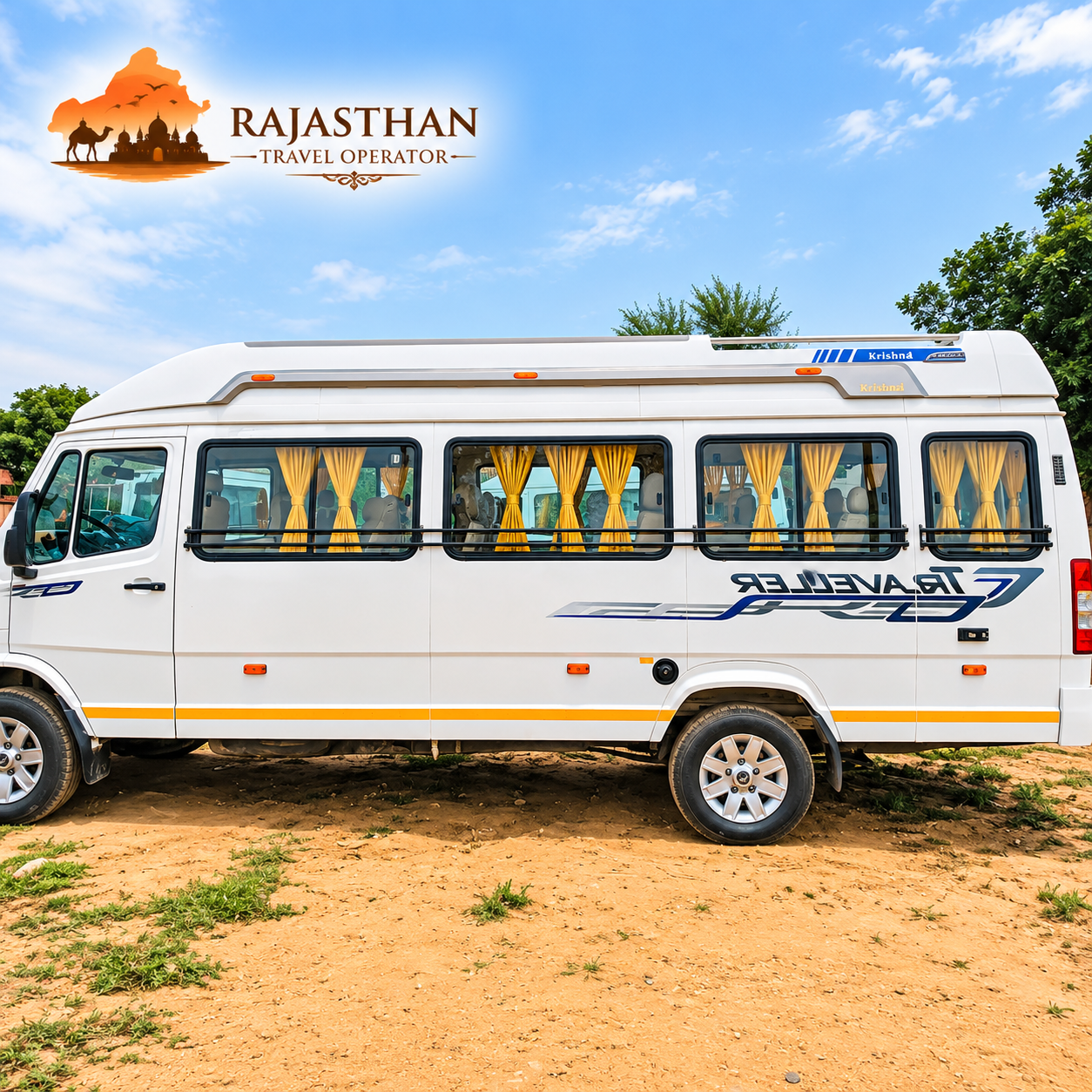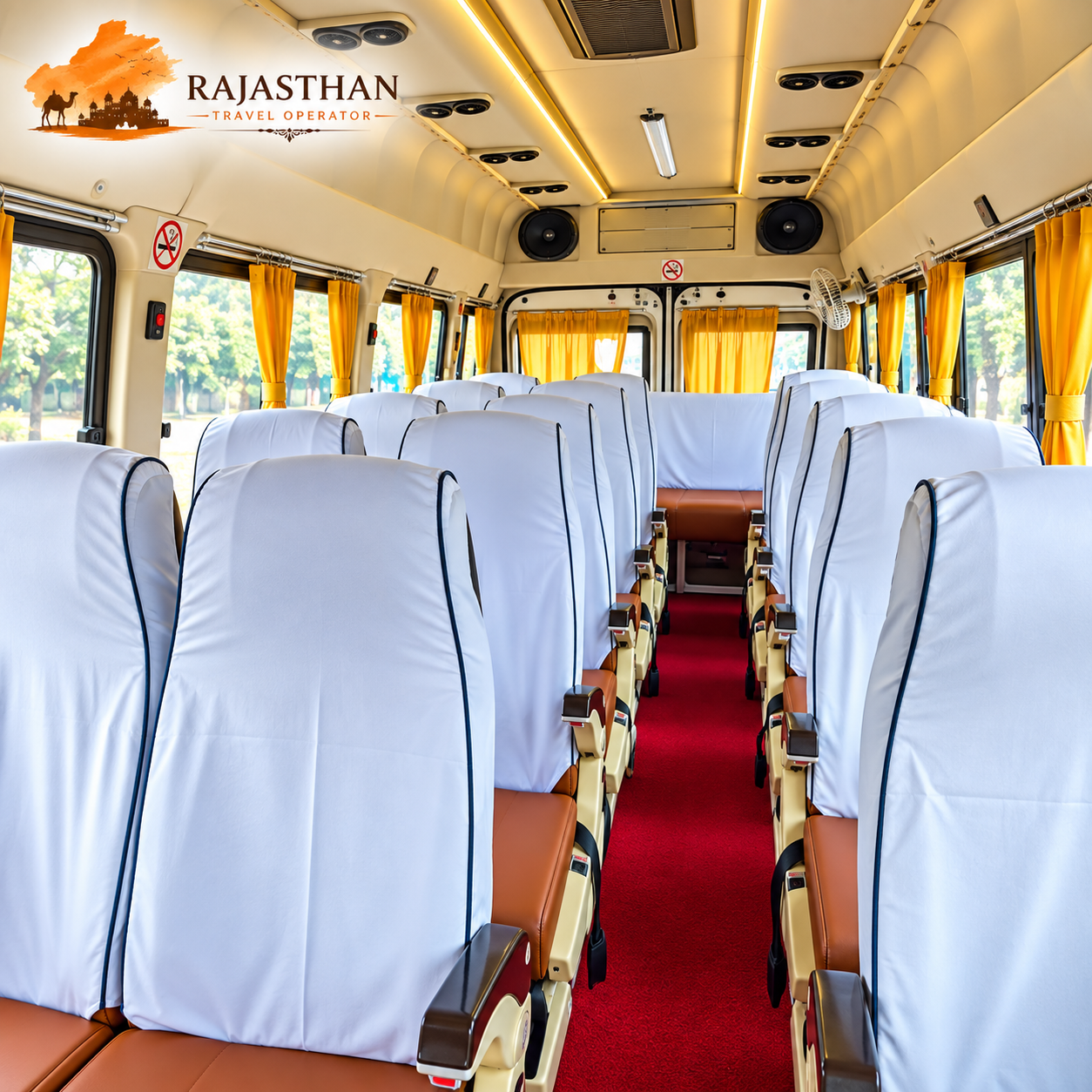

Why a Walkthrough Beats Another Spec List
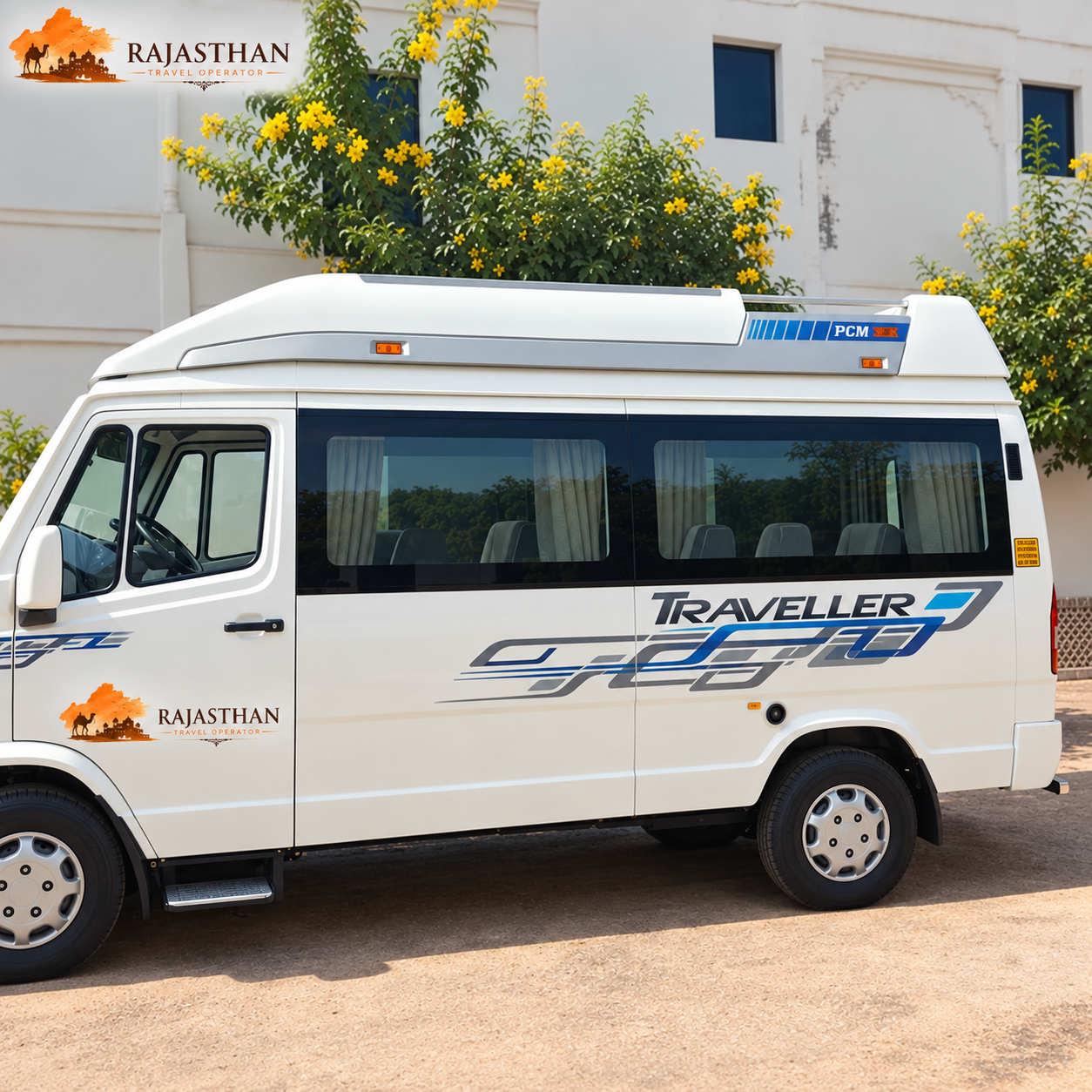
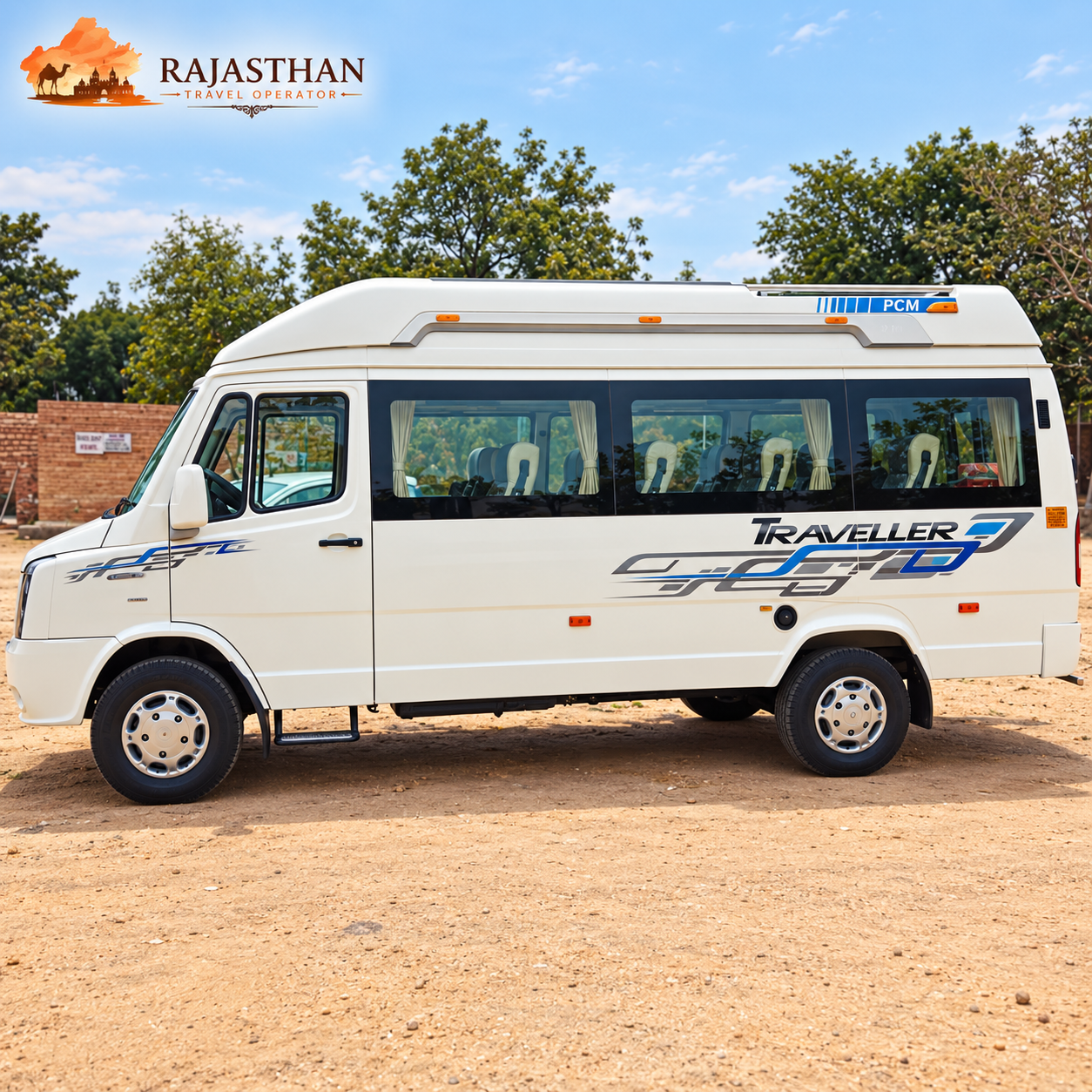
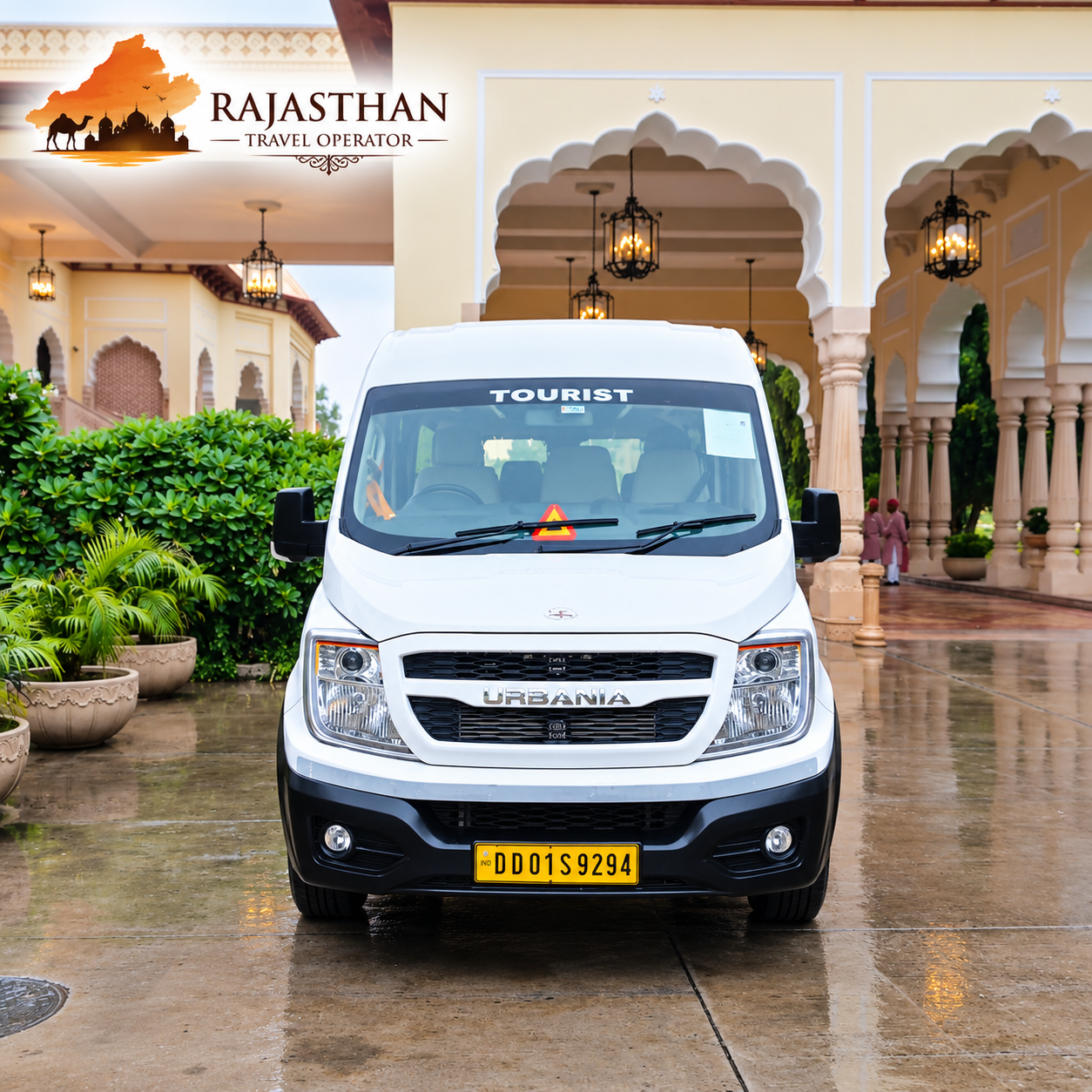
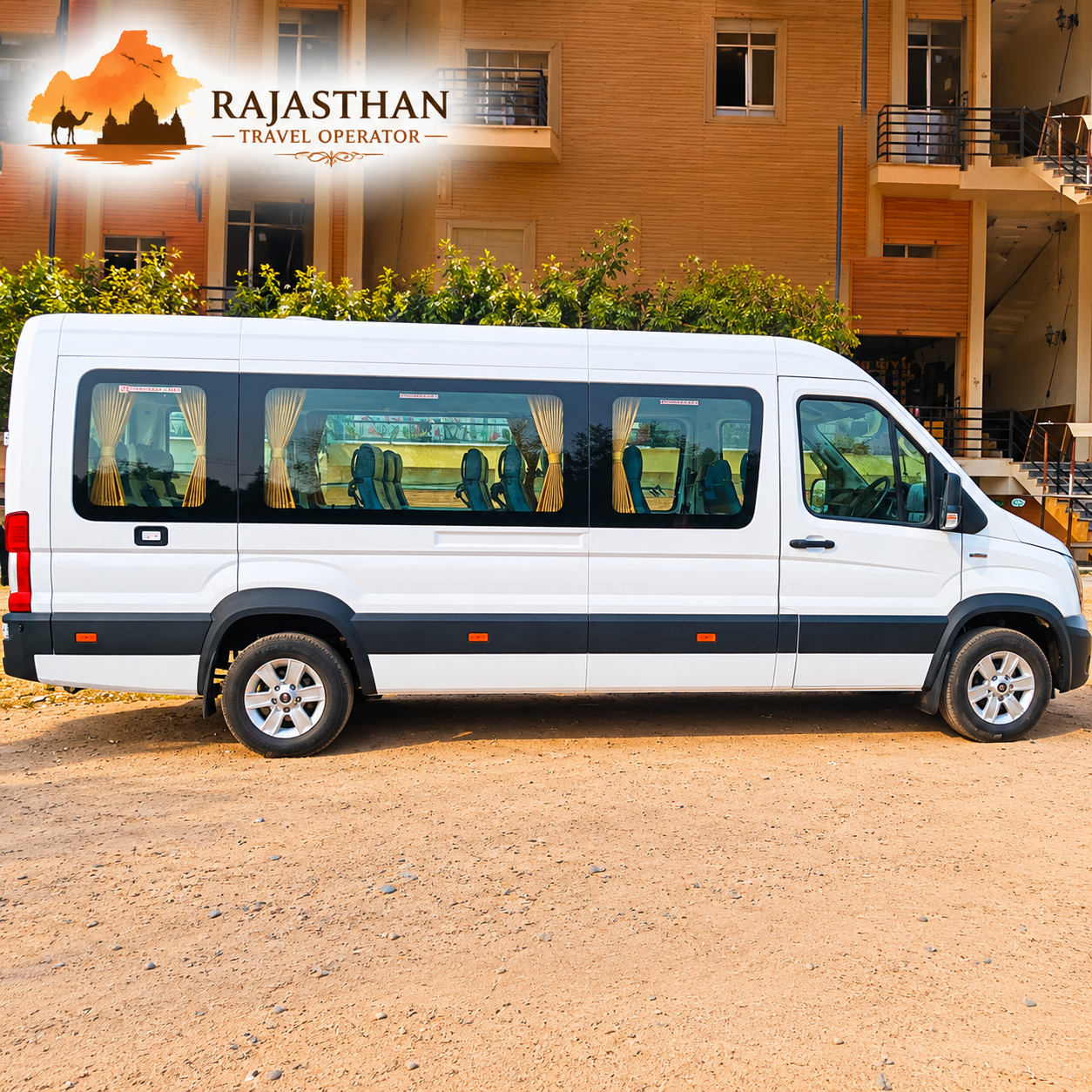
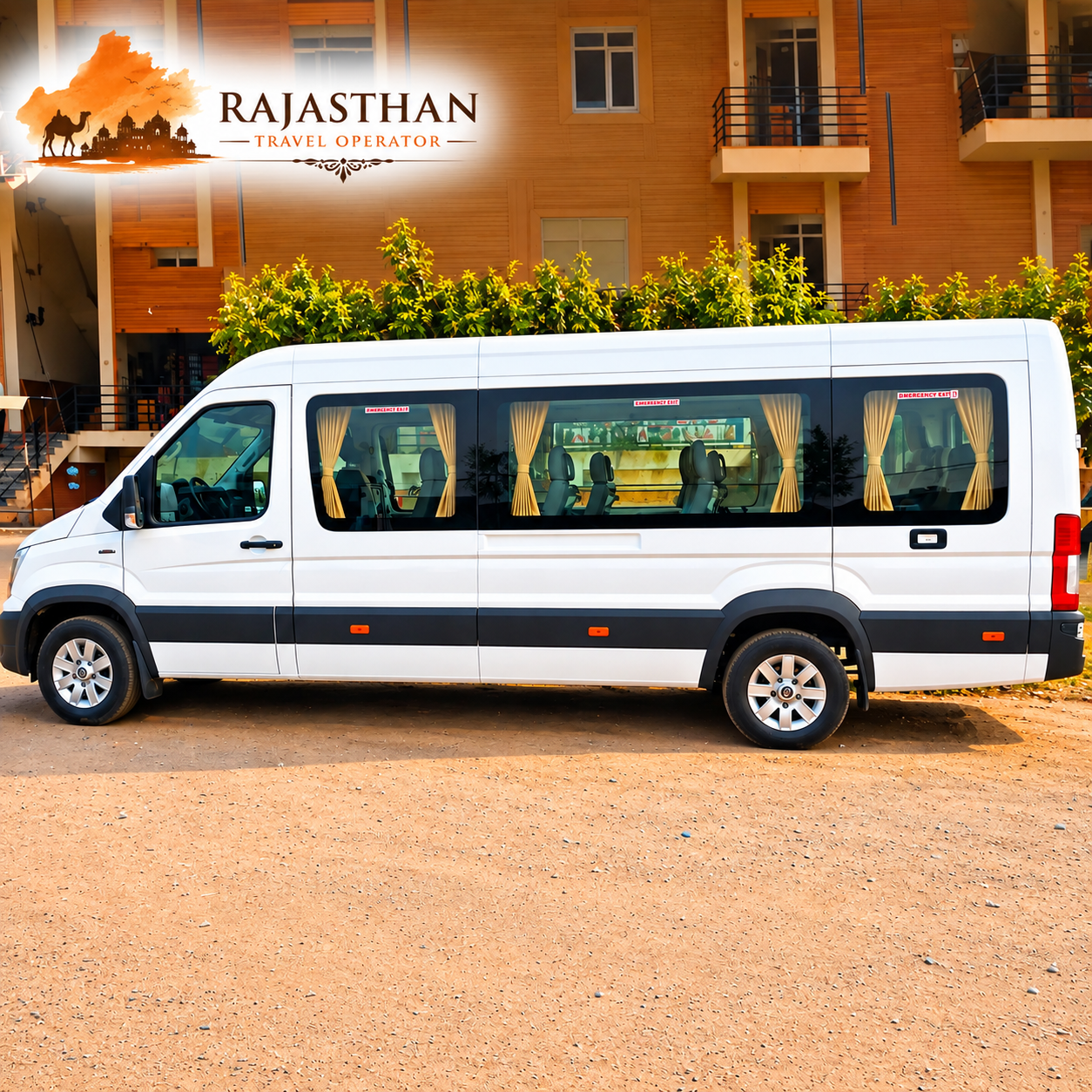
Most guides to the Urbania platform describe the ride quality and luggage trade-off in the abstract — smoother highway feel, no roof carrier — without showing how those two facts actually play out across a real multi-day trip. This is that walkthrough instead: a three-day corporate retreat for a team of fifteen, using a Urbania tempo traveller, with the practical decisions that shaped how the trip actually went.
The Group and the Planning Conversation
Picture a mid-size company sending fifteen team members — mostly in their late twenties and thirties — on a three-day offsite from Jaipur to Udaipur and back, combining a training workshop with some genuine downtime. This is a comfort-first, light-luggage trip by design: business casual clothing, laptop bags, and personal essentials for three days, nothing close to the multi-city, multi-week luggage a family circuit might carry.
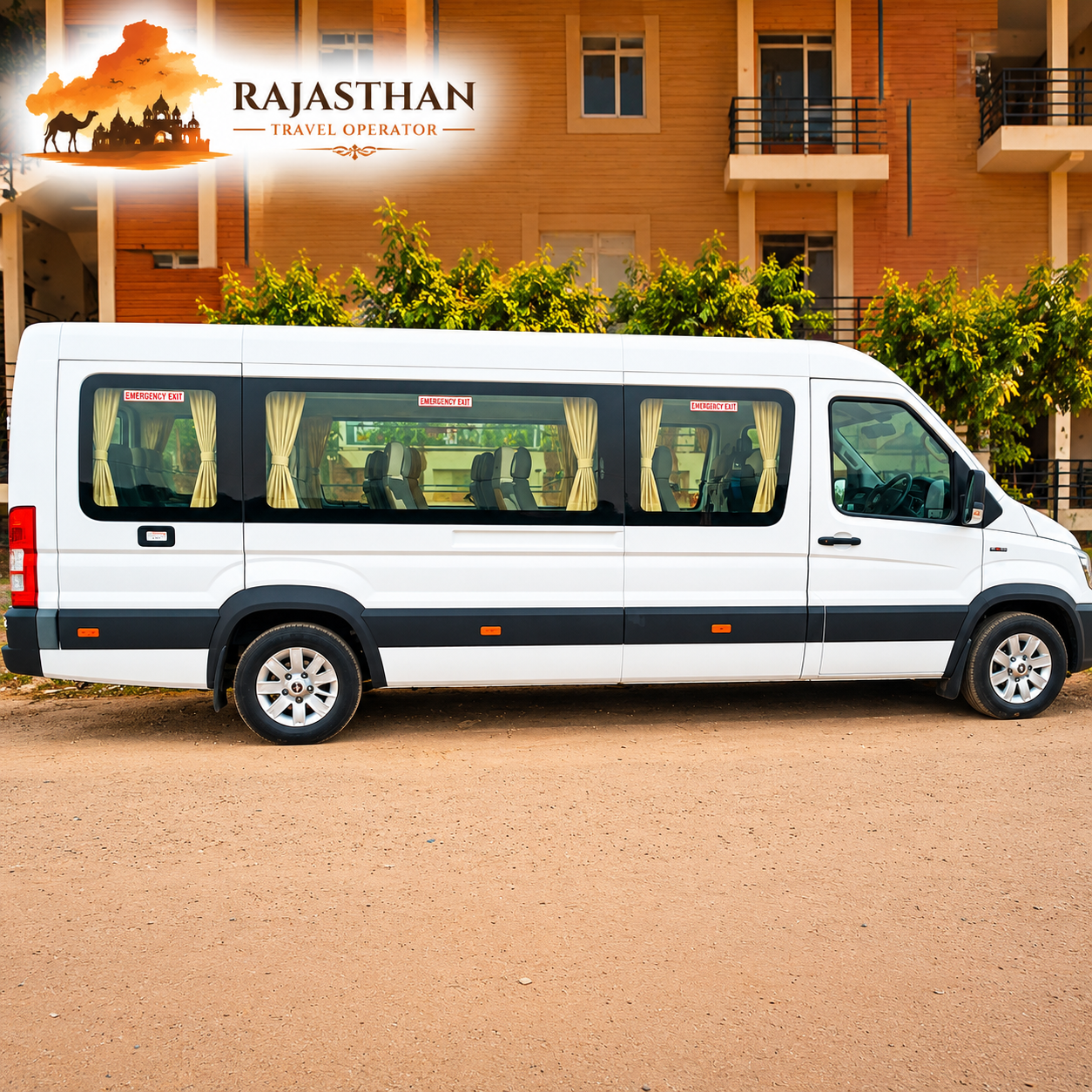
Before booking, the HR coordinator organising the trip had a specific conversation with the operator about the Urbania’s one real limitation — no roof carrier at any seat count. Given how light the team’s expected luggage was, this wasn’t a major concern, but she still confirmed cabin capacity for fifteen passengers with a laptop bag and a small suitcase each, wanting to avoid any last-minute surprise on departure morning. The operator confirmed the 16 seater Urbania — booked with one seat to spare for comfort — could handle this luggage load comfortably.
Day One: Jaipur Pickup and the First Long Highway Stretch
The vehicle picked the team up from the office in the morning, and loading was quick given how light everyone’s bags were — laptop backpacks and small suitcases fit easily inside the cabin without any real space pressure, exactly as the operator had predicted. The team set off directly for the roughly six-hour drive to Udaipur, the longest single stretch of the whole trip.
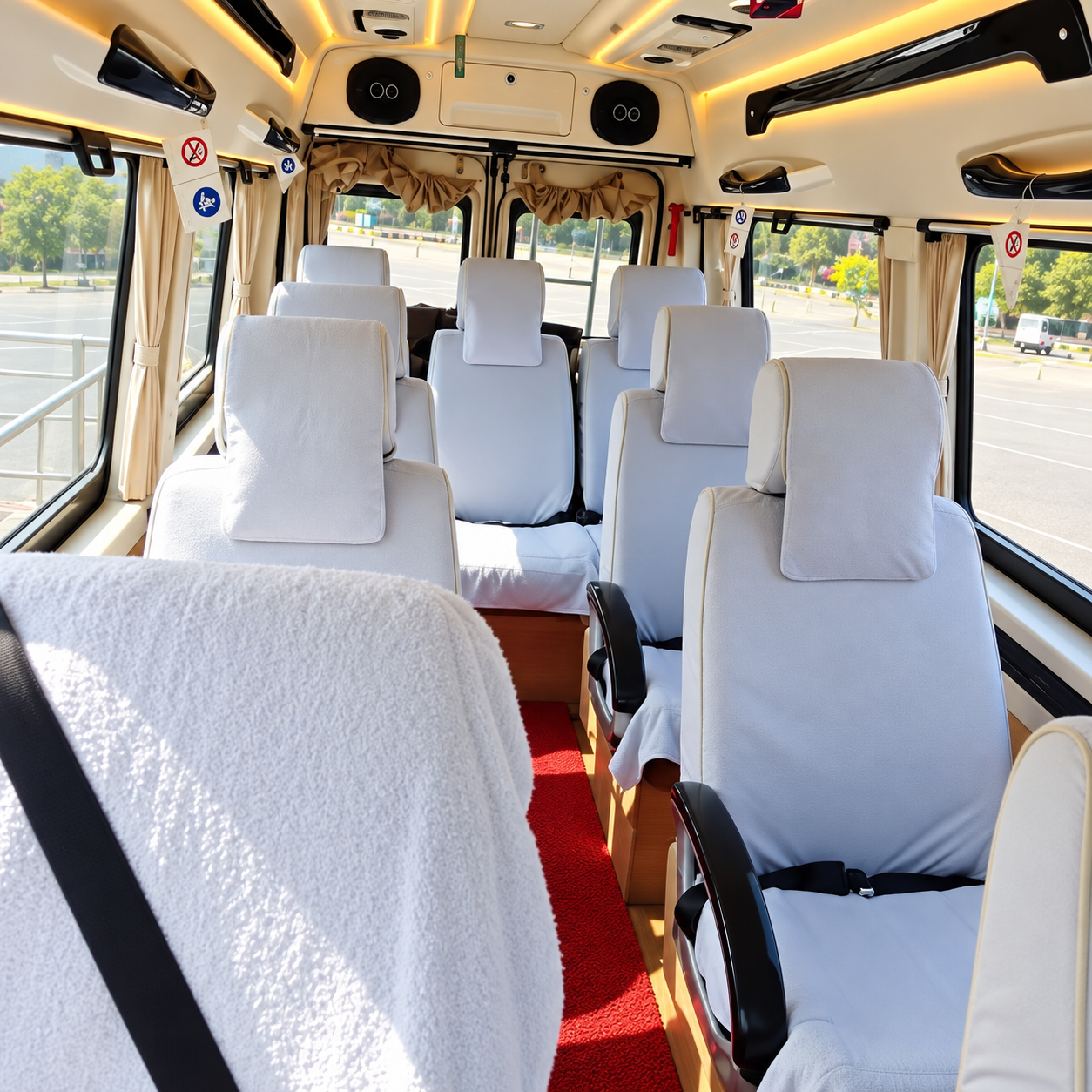
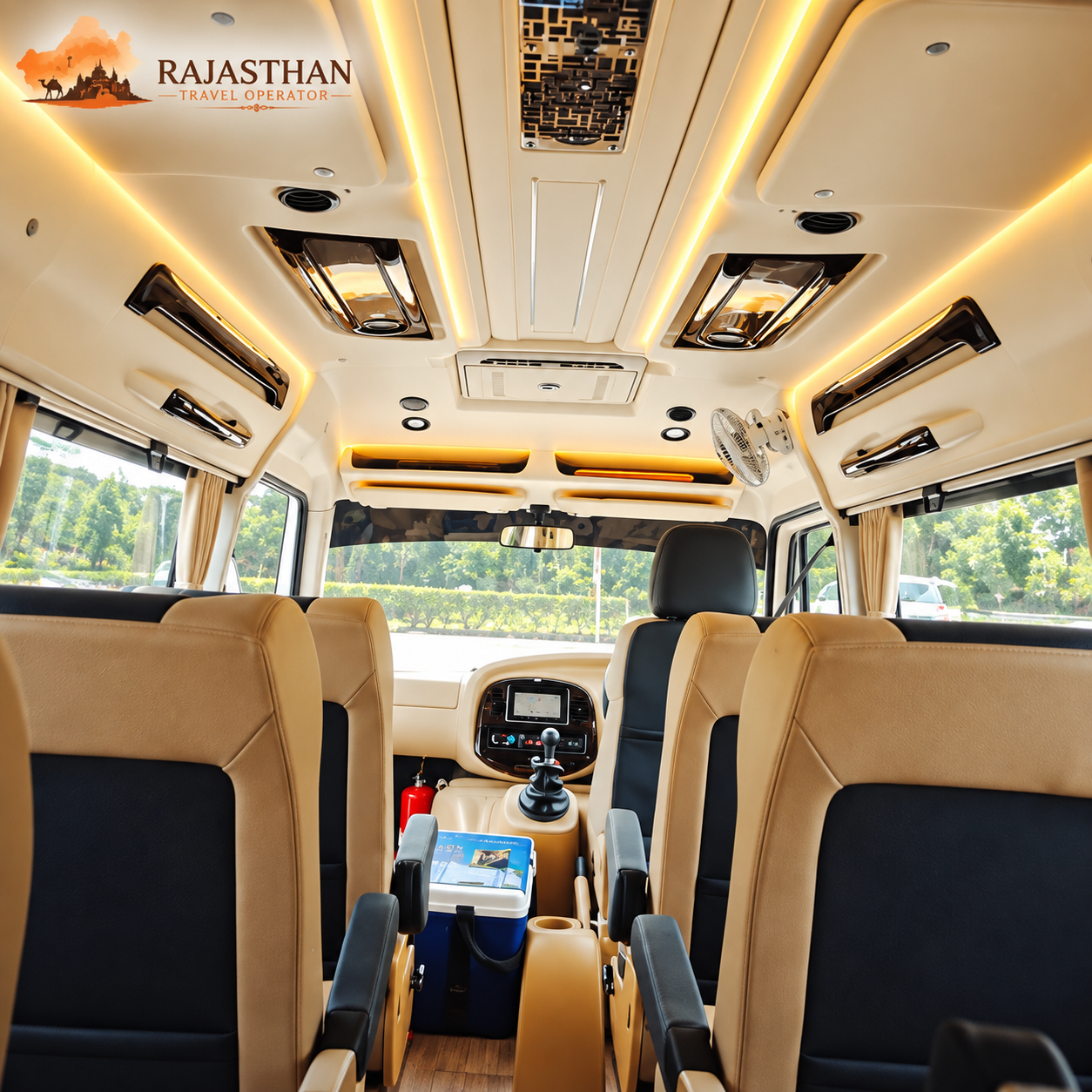
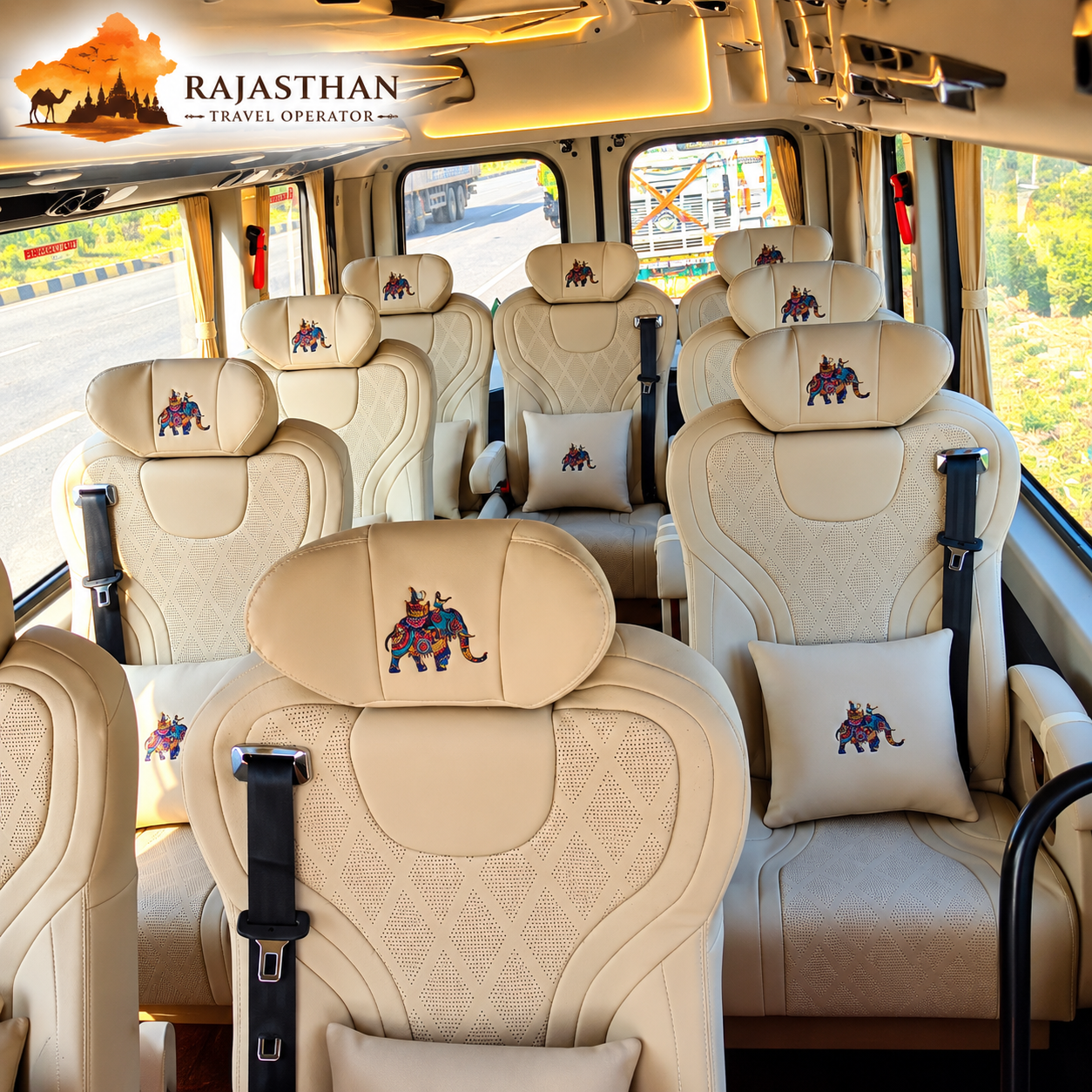
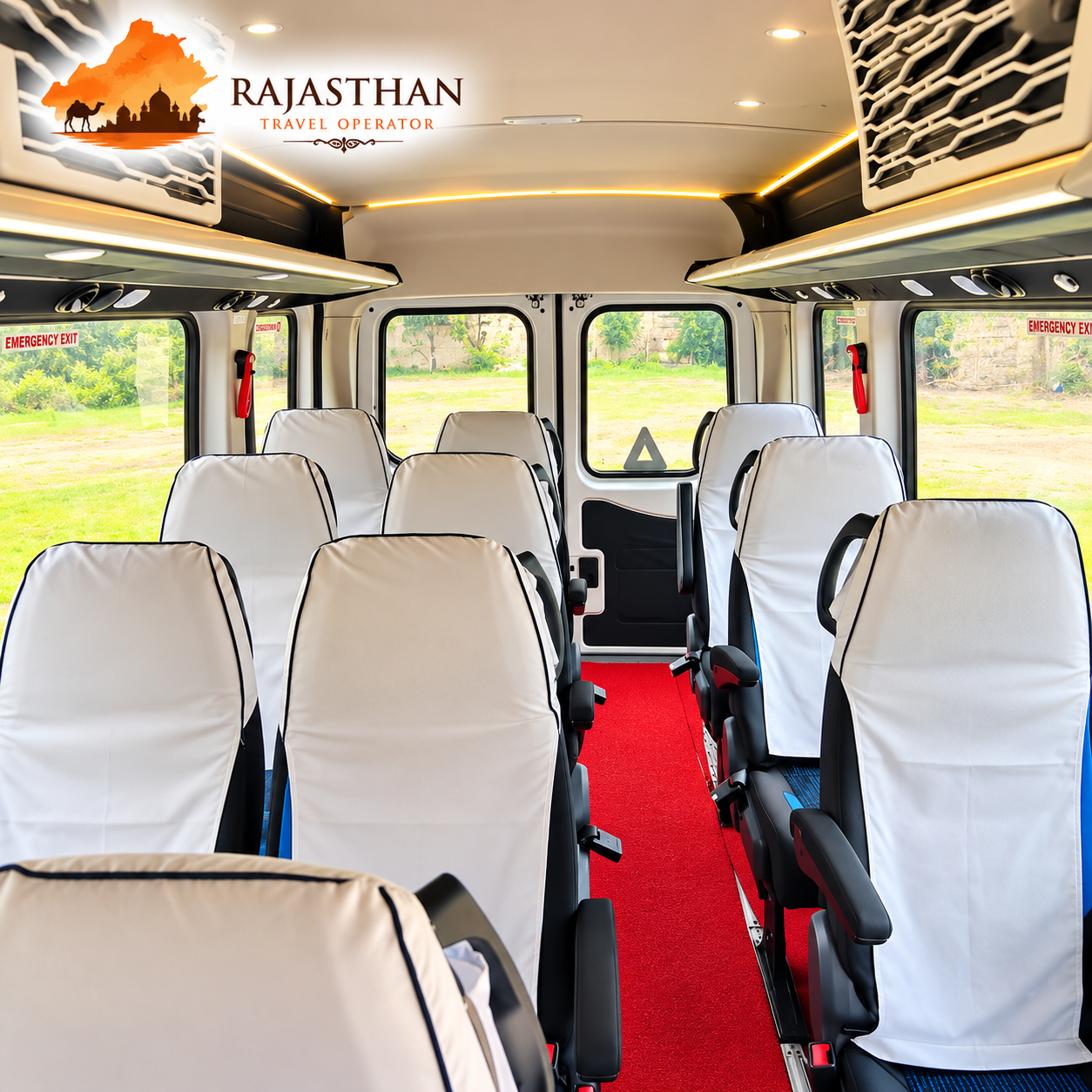
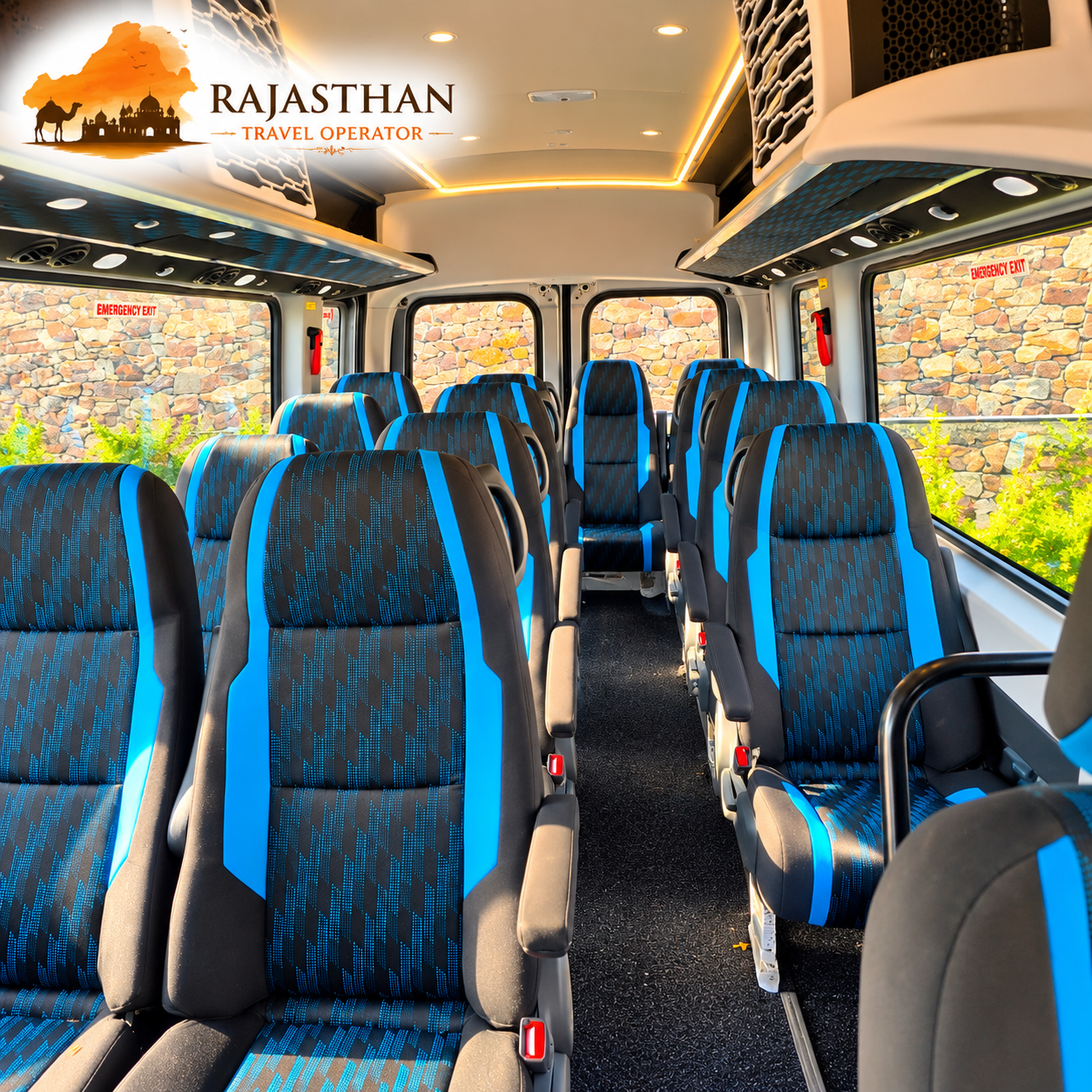
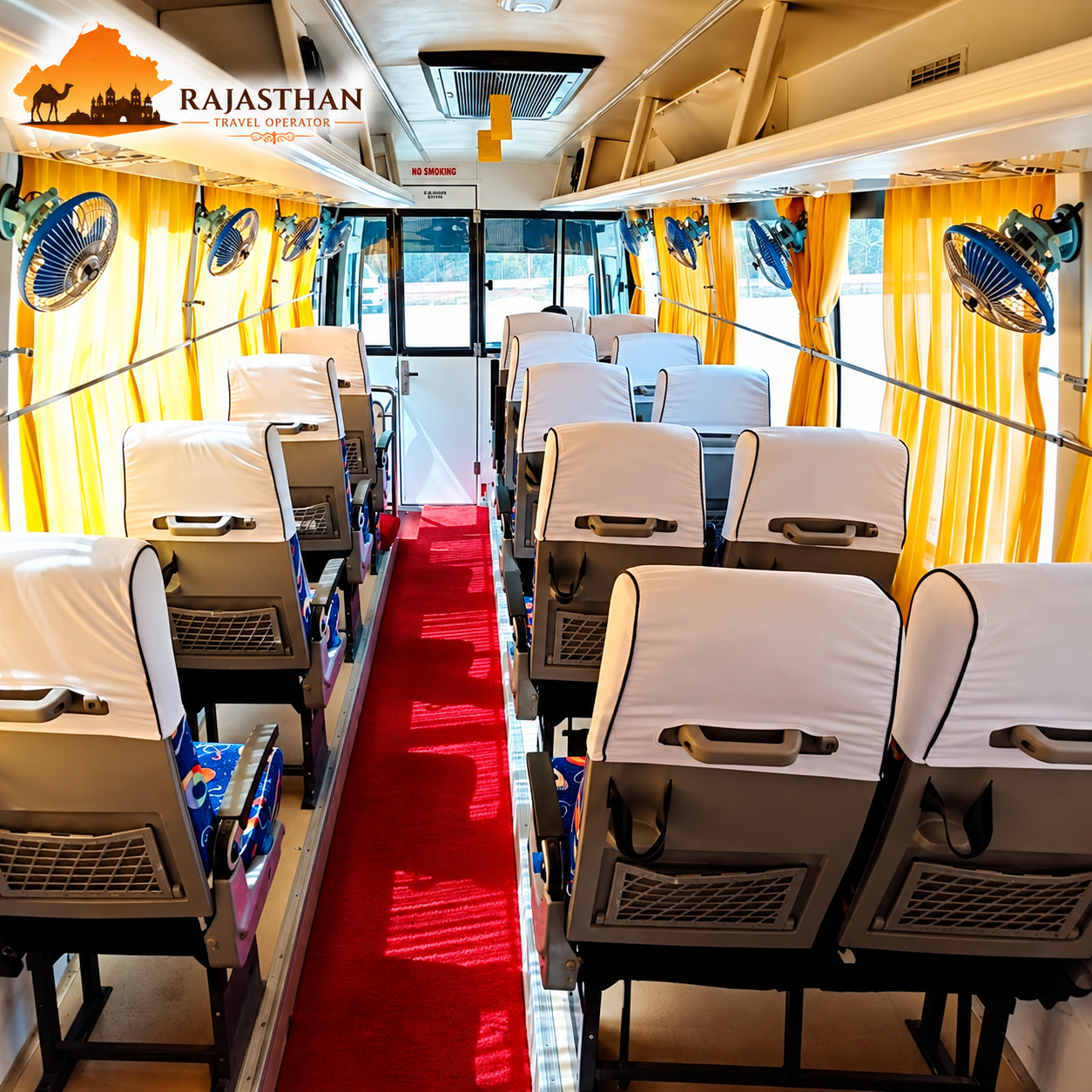
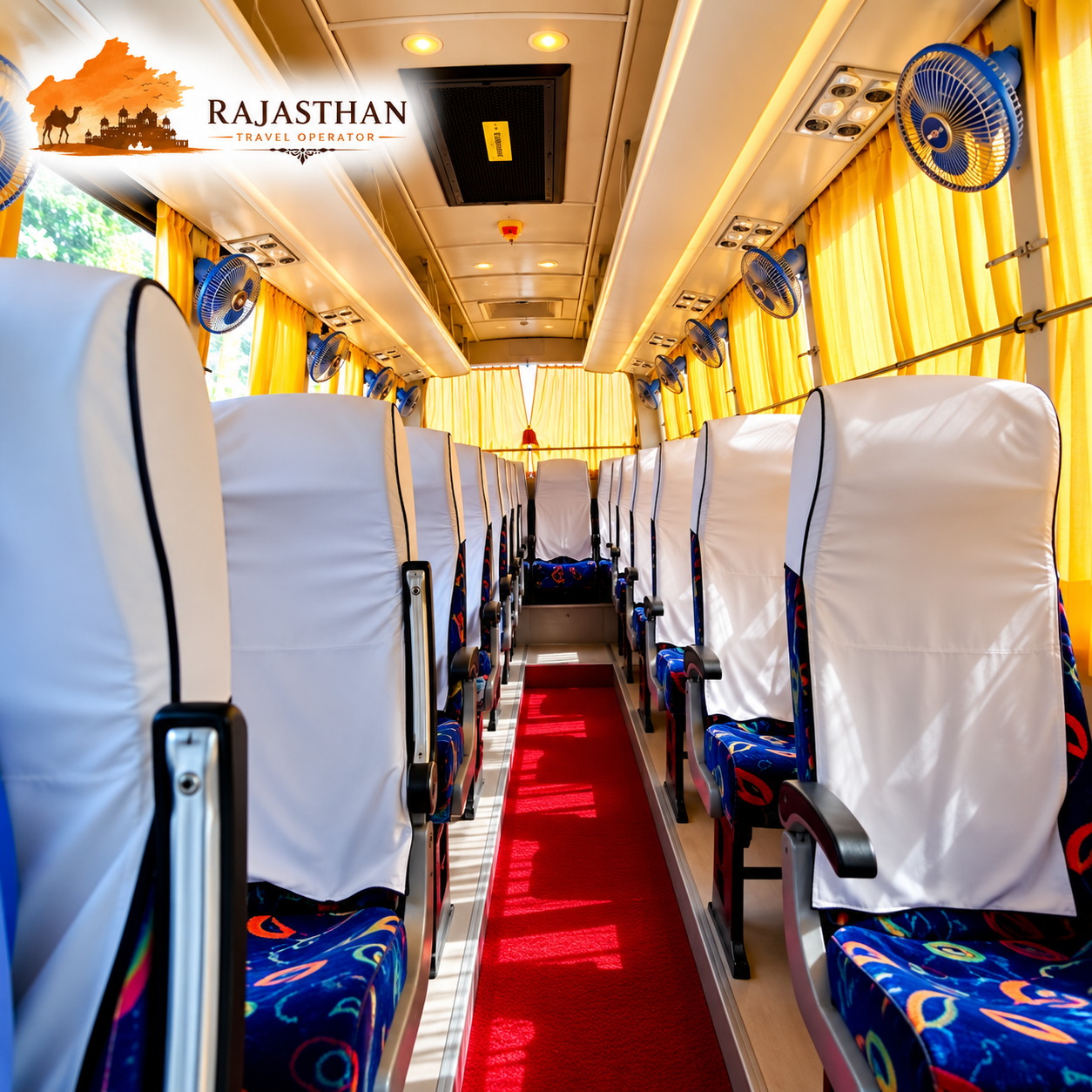
This is precisely the scenario the Urbania platform is built for, and it showed clearly. Several team members specifically commented on how much smoother the ride felt compared to a similar offsite the company had run the previous year in a standard tempo traveller — less side-to-side movement on the highway, which mattered given how many people were trying to work on laptops or review workshop material during the drive. The team had booked luxury Urbania trim specifically for this reason, and the even AC distribution across all rows kept the six-hour drive comfortable even with the cabin fully occupied.
Day Two: Workshop Day, Short Local Movement Only
Day two was spent entirely at the retreat venue in Udaipur — a full-day workshop with no significant vehicle movement beyond a short transfer from the hotel to the workshop location and back. This is a day where the Urbania’s specific advantages barely mattered; a well-maintained standard tempo traveller would likely have felt very similar for such short hops.
The team did use the vehicle briefly in the evening for a short drive to a lakeside dinner spot, another example of a trip where the choice of chassis genuinely doesn’t matter much for distances this short — the real value of the platform, as this retreat demonstrated clearly, concentrates almost entirely in the long highway legs rather than local movement.
Day Three: The Return Drive and a Working Session En Route
Day three combined a relaxed morning at the venue with the return drive to Jaipur in the afternoon — another six-hour stretch. The team used part of this drive for an informal debrief discussion about the workshop, something the HR coordinator specifically noted would have been harder in a bumpier, noisier vehicle — the smoother ride and reasonably quiet cabin made it easier to actually hold a conversation across the length of the vehicle without raising voices over road noise.
By the time the team arrived back in Jaipur, the retreat had covered two genuine six-hour highway legs and one workshop day with minimal driving — a pattern that, in hindsight, made the case for the Urbania platform clearly: the value showed up specifically on the long stretches and barely registered on the short ones.
What This Trip Illustrates About Booking an Urbania
The clearest lesson from this retreat is how concentrated the platform’s advantage actually is. Two genuine six-hour highway days delivered a real, noticed comfort benefit — less fatigue, easier conversation, a smoother working environment for anyone trying to use a laptop en route. The one day with minimal driving showed almost no difference from what a standard vehicle would have offered, which is worth remembering when planning your own itinerary: the Urbania’s premium earns itself specifically on long stretches, not evenly across a whole trip.
The luggage question, which is usually the platform’s biggest concern for family trips, was a non-issue here specifically because the group’s luggage was genuinely light — business travel bags rather than multi-day family luggage. This is a useful contrast: a corporate retreat or light-luggage small group is close to the ideal use case for this platform, while a heavy-luggage multi-city family circuit is where the no-roof-carrier limitation becomes a real planning challenge instead.
Choosing luxury trim specifically for the AC distribution across a fully-occupied sixteen-seat cabin mattered more than the team initially expected — with every seat filled on both long driving days, even cooling across all rows kept the group comfortable in a way base trim might not have managed as reliably.
A Quick Checklist Based on This Trip
Before booking an Urbania for a similar retreat or light-luggage group trip, confirm your group’s actual luggage volume honestly, the way this HR coordinator did — a business trip or light-packing group sidesteps the platform’s main limitation almost entirely, while a heavier-luggage trip needs much more careful planning. Map your itinerary for genuine long highway stretches, since that’s where the ride-quality premium actually shows up — a trip that’s mostly short local movement, like day two of this retreat, won’t show much benefit from the platform regardless of trim level.
Consider luxury trim seriously if your group will be at or near full seat capacity on long drives, since even AC distribution becomes noticeably more important with every seat filled compared to a smaller, more spread-out group. If your team is smaller, the 12 seater Urbania or, for a very small delegation, the 9 seater Urbania with Maharaja seats configuration are worth comparing for the same comfort-first priorities at a smaller scale.
For any group carrying heavier luggage than this retreat’s light business bags, it’s worth pricing a standard-chassis alternative like the 16 seater tempo traveller, tempo traveller 12 seater, or 12 seater hire in Jaipur instead, since the roof carrier changes the entire equation for a bag-heavy trip. Groups wanting wider individual seating rather than maximum ride smoothness might also consider a Maharaja seat tempo traveller configuration on the standard chassis, or the smaller 10 seater tempo traveller if the group is more compact. Full comparisons across the whole fleet are on the tempo traveller on rent page if your own trip looks different from this example.
Frequently Asked Questions
Why was the Urbania a good fit for this specific trip? Light luggage and two genuine six-hour highway legs — exactly the combination where the platform’s ride-quality advantage shows up clearly while its main limitation, no roof carrier, barely mattered.
Did the ride quality actually make a noticeable difference? Yes, according to the team’s own comparison with a previous offsite in a standard vehicle — less fatigue and an easier environment for working or talking during the two long drives specifically.
Was luggage ever a concern for this group? No, because the trip was business travel with light packing, not a multi-day family circuit — a useful reminder that this platform’s main trade-off depends heavily on what kind of trip is actually being planned.
Why did luxury trim matter for a fully-occupied vehicle? Even AC distribution across all rows became more noticeable with every seat filled, something the group specifically credited for keeping the retreat comfortable across two long, fully-booked driving days.
What’s the main lesson for someone planning a similar trip? Match the platform to trips with genuine long highway stretches and light luggage — that’s where its advantages concentrate, while short local days or heavy luggage loads suit a standard chassis better.
Final Word
A walkthrough like this makes the Urbania’s real trade-off far clearer than an abstract description ever could — it’s not universally better or worse than a standard tempo traveller, it’s a genuine fit for light-luggage groups with real highway distance to cover, and a much harder sell for anything bag-heavy or mostly local. Map your own trip’s actual shape against an example like this one, and the booking decision usually becomes far more obvious than it looked at the start.