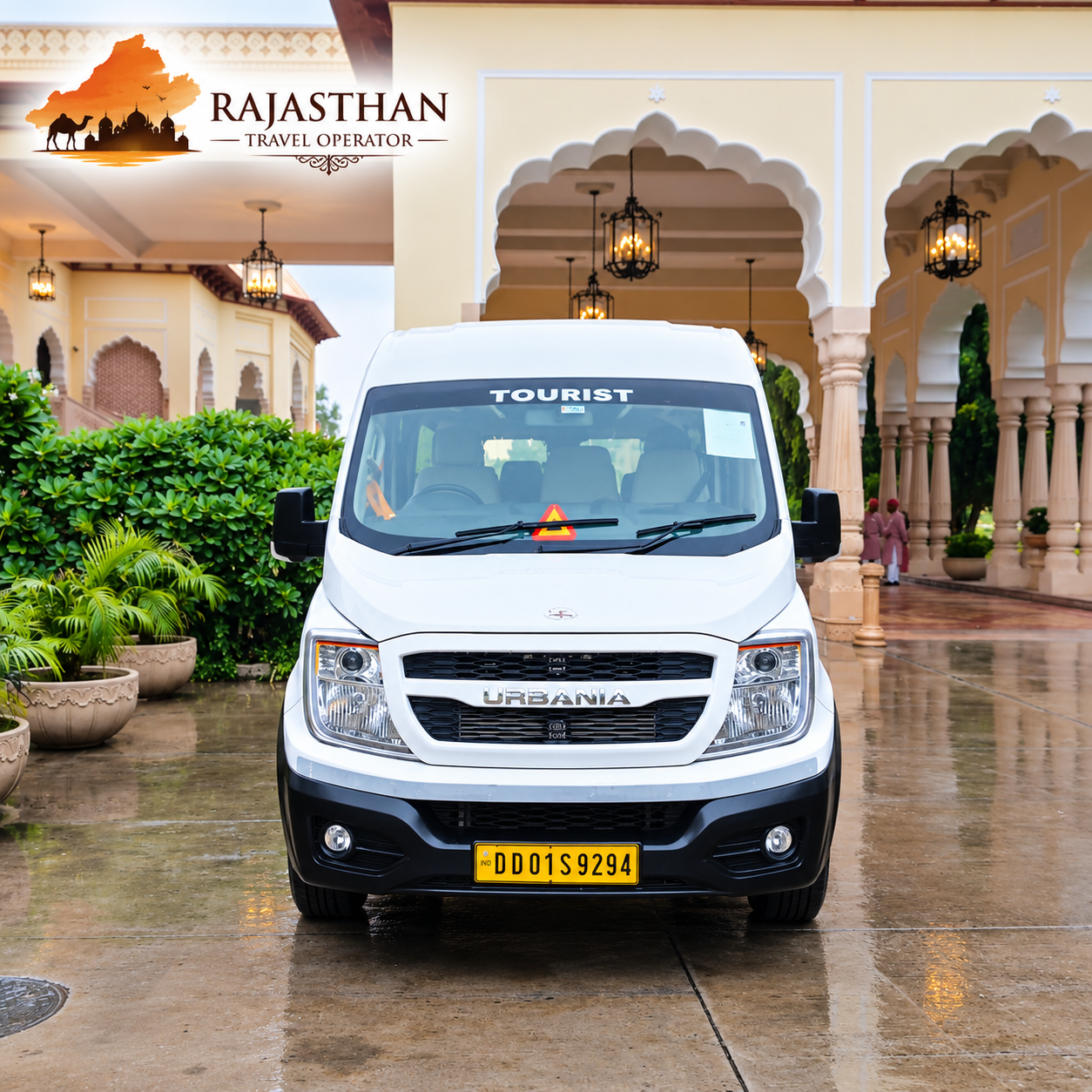
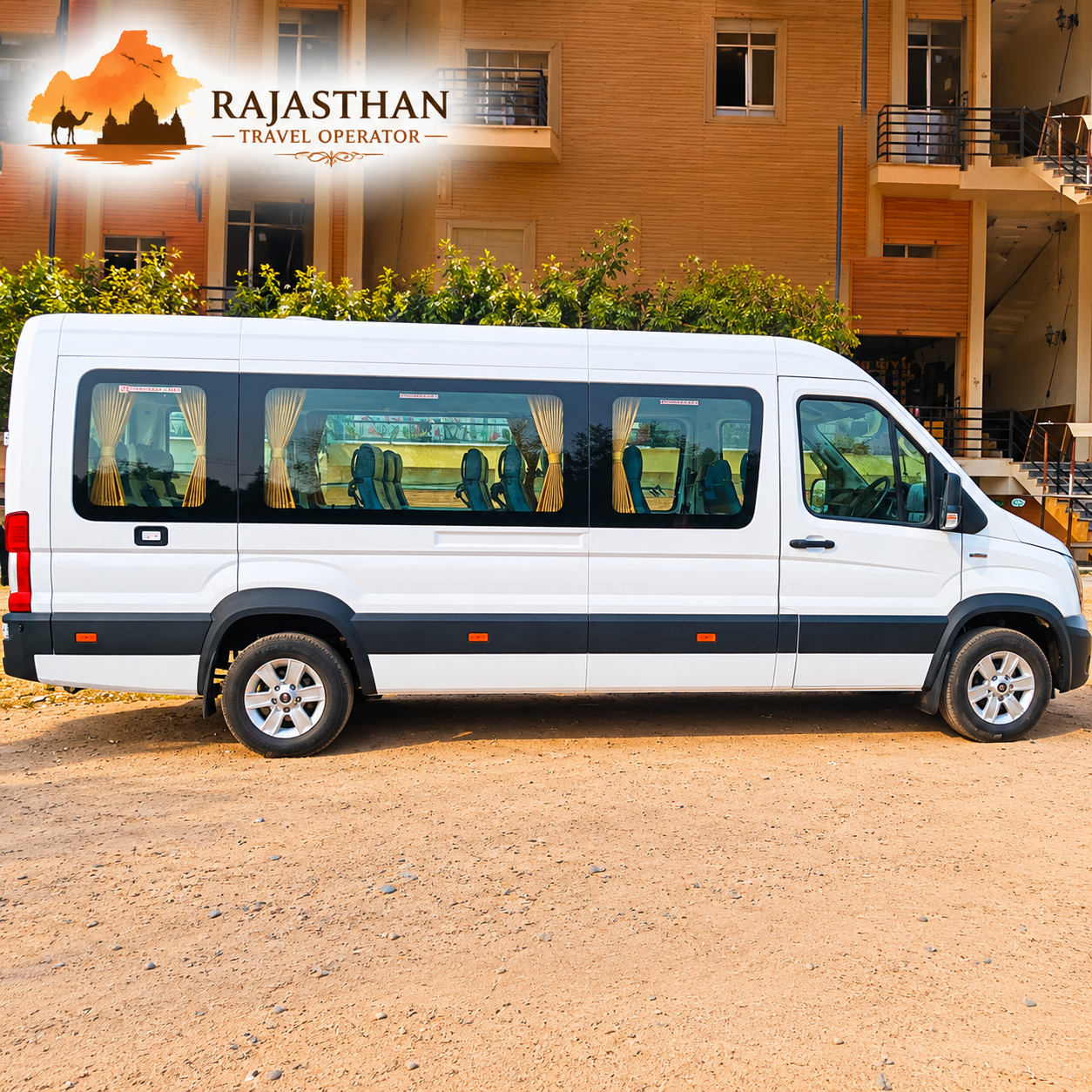
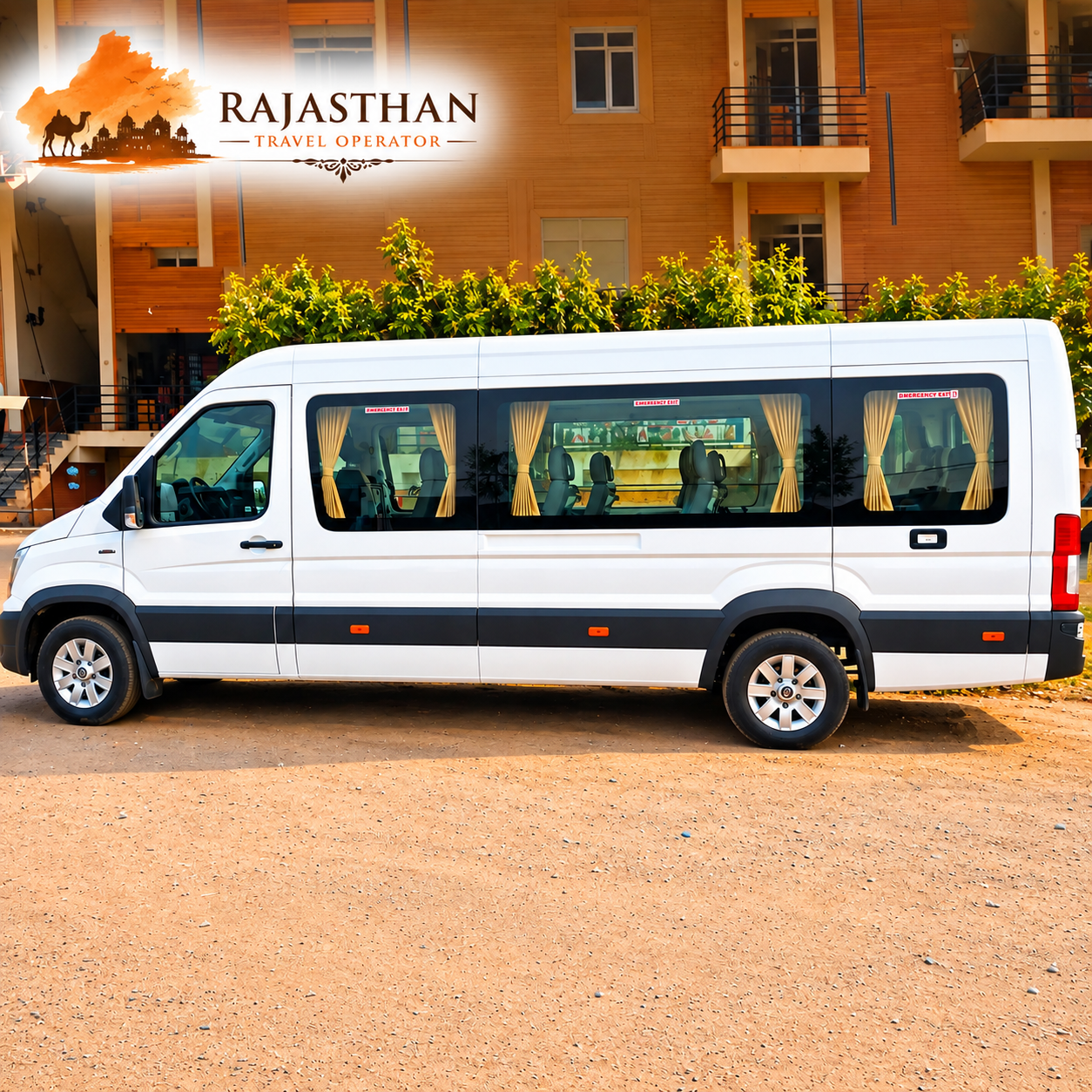
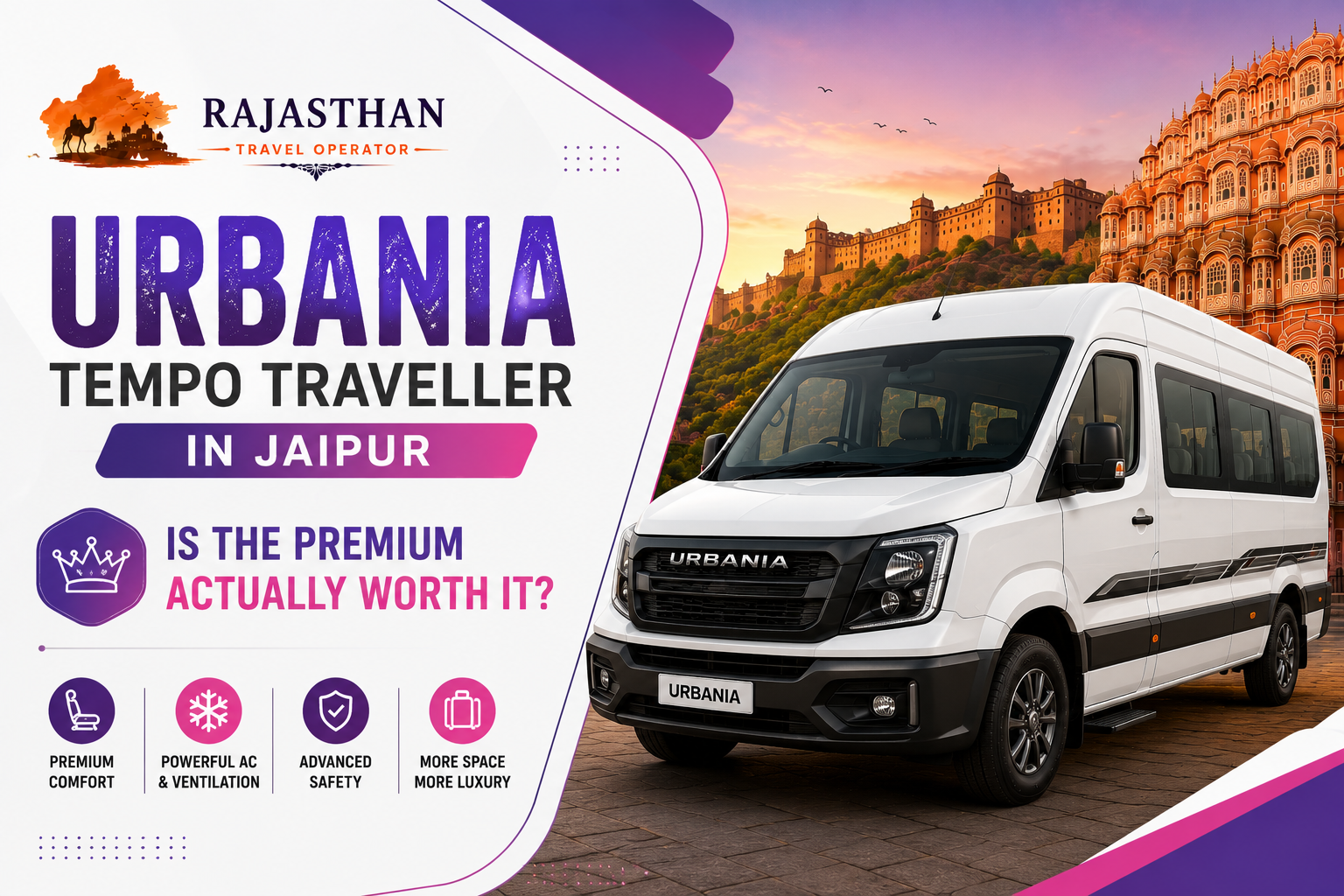
Most people researching an Urbania tempo traveller in Jaipur have already half-decided before they start reading — the word “premium” does a lot of work in listings, and it’s easy to assume the nicer-sounding option is simply the better one. It isn’t automatically. The Urbania platform is a genuine upgrade in one specific way and a genuine downgrade in another, and whether the trade is worth it depends entirely on what your trip actually needs. This is the comparison most listings skip in favor of just describing the vehicle.
What You’re Actually Paying For
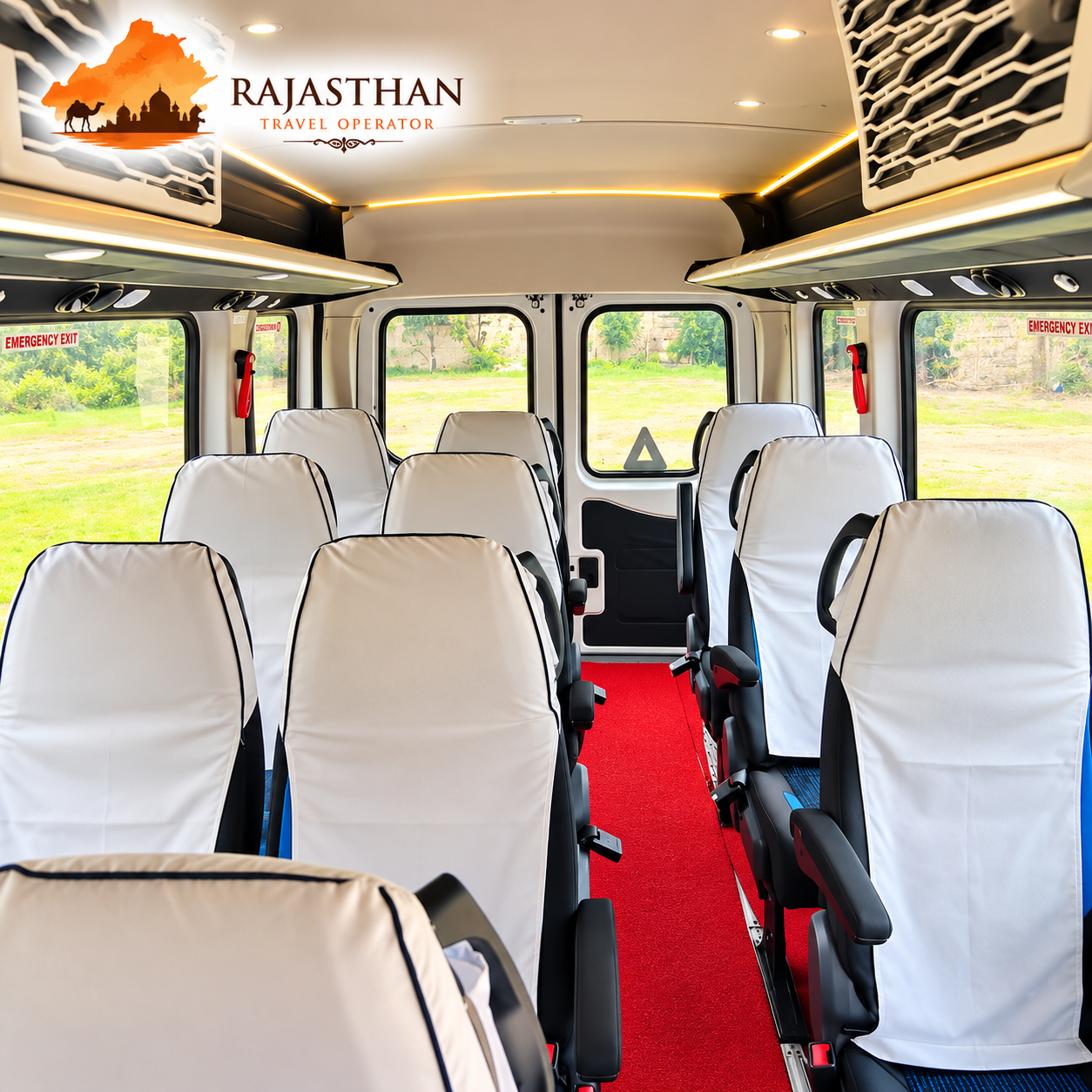
An Urbania is built on a monocoque chassis — the same basic construction principle used in modern coaches and buses, where the body itself is a single rigid structure rather than a separate frame with panels bolted on. This gives it a genuinely smoother, more stable ride than a standard tempo traveller, particularly on long highway stretches where a ladder-frame vehicle’s flex becomes noticeable over hours of driving.
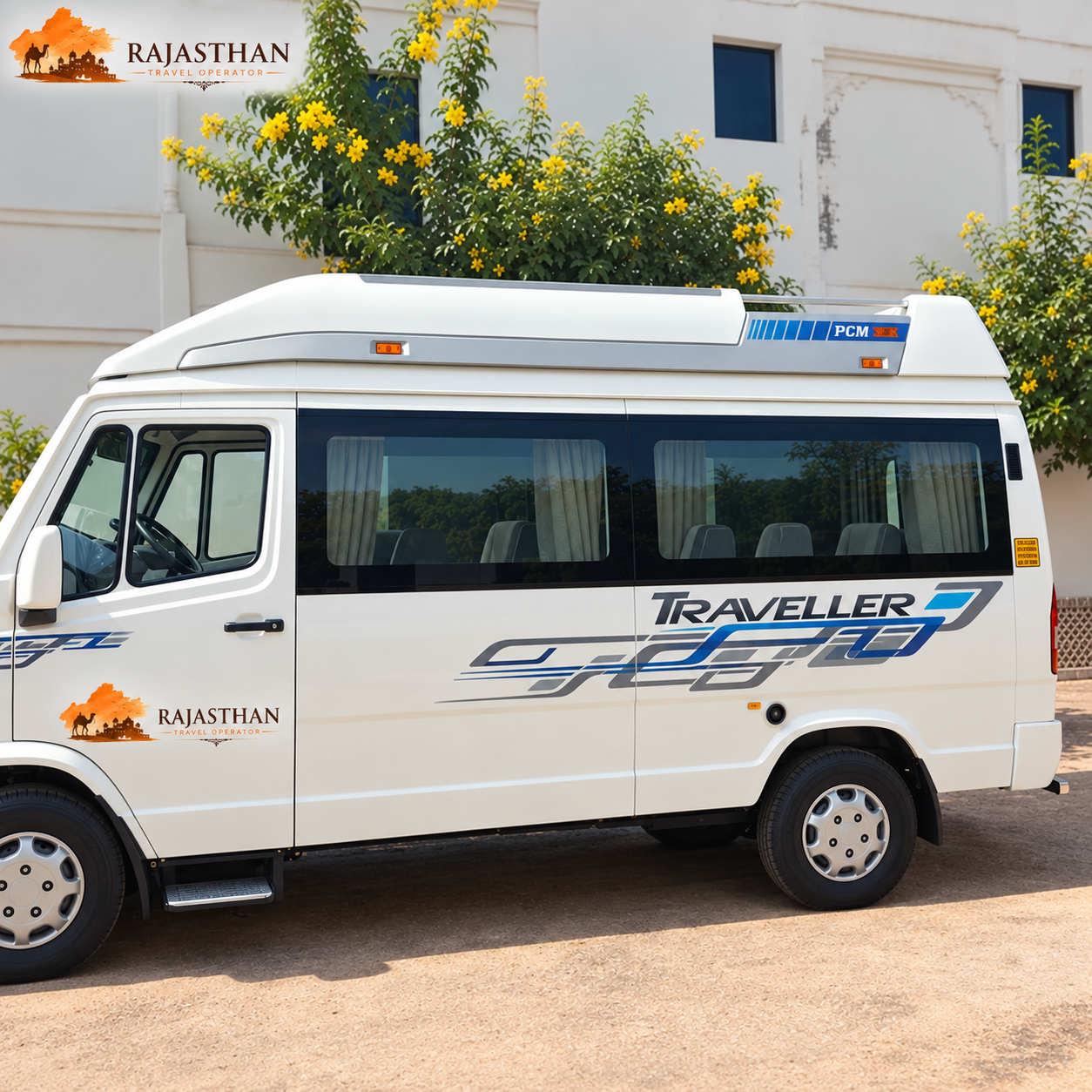
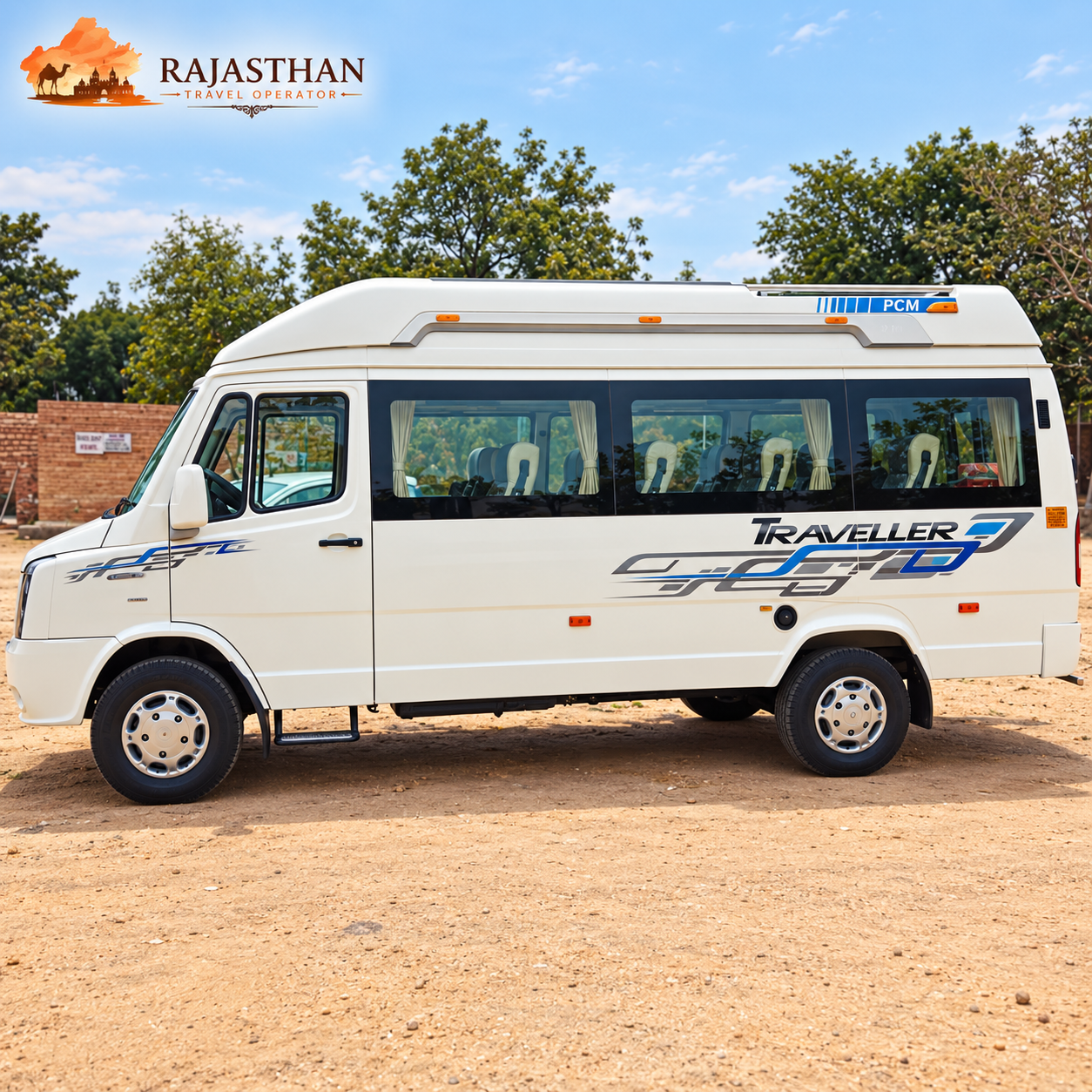
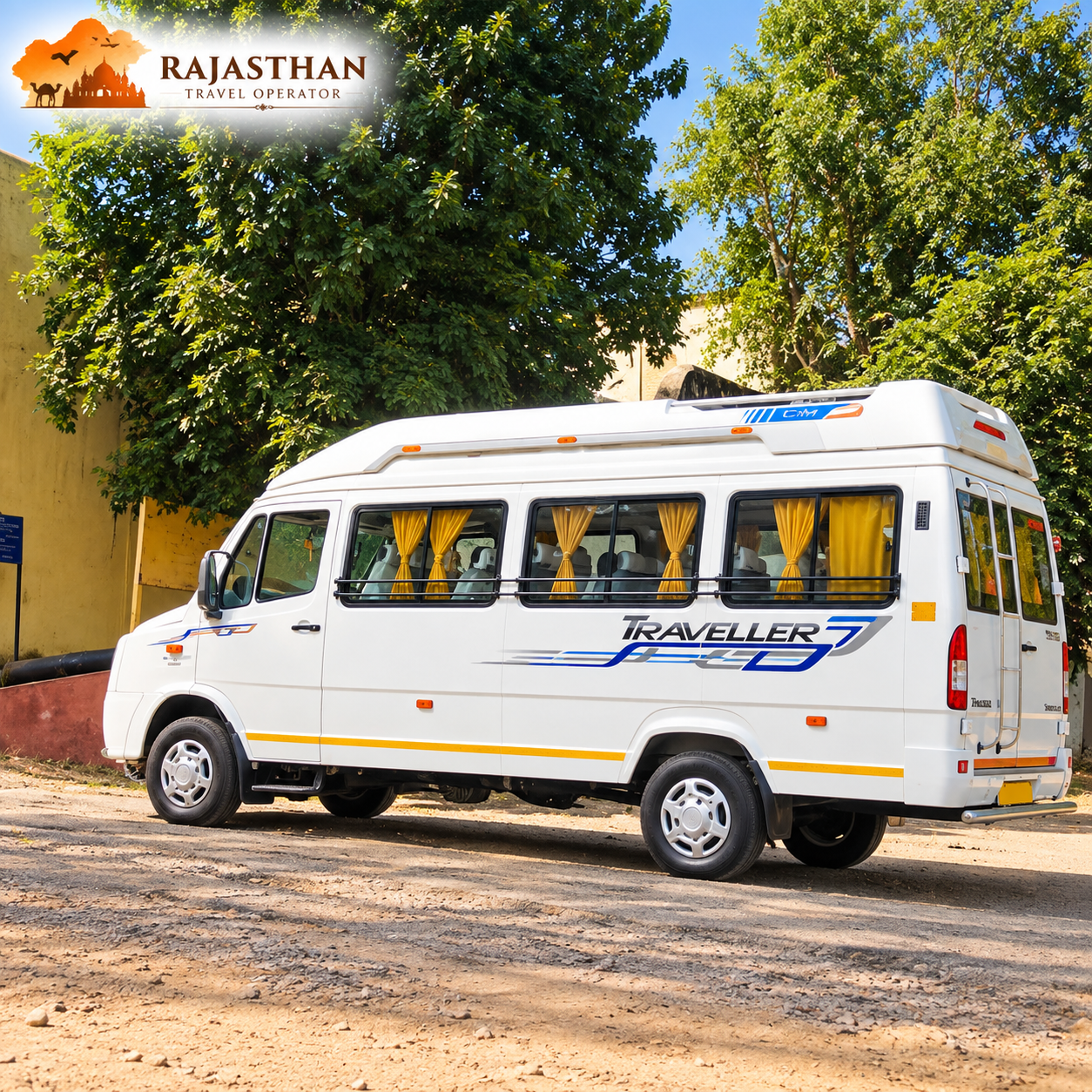
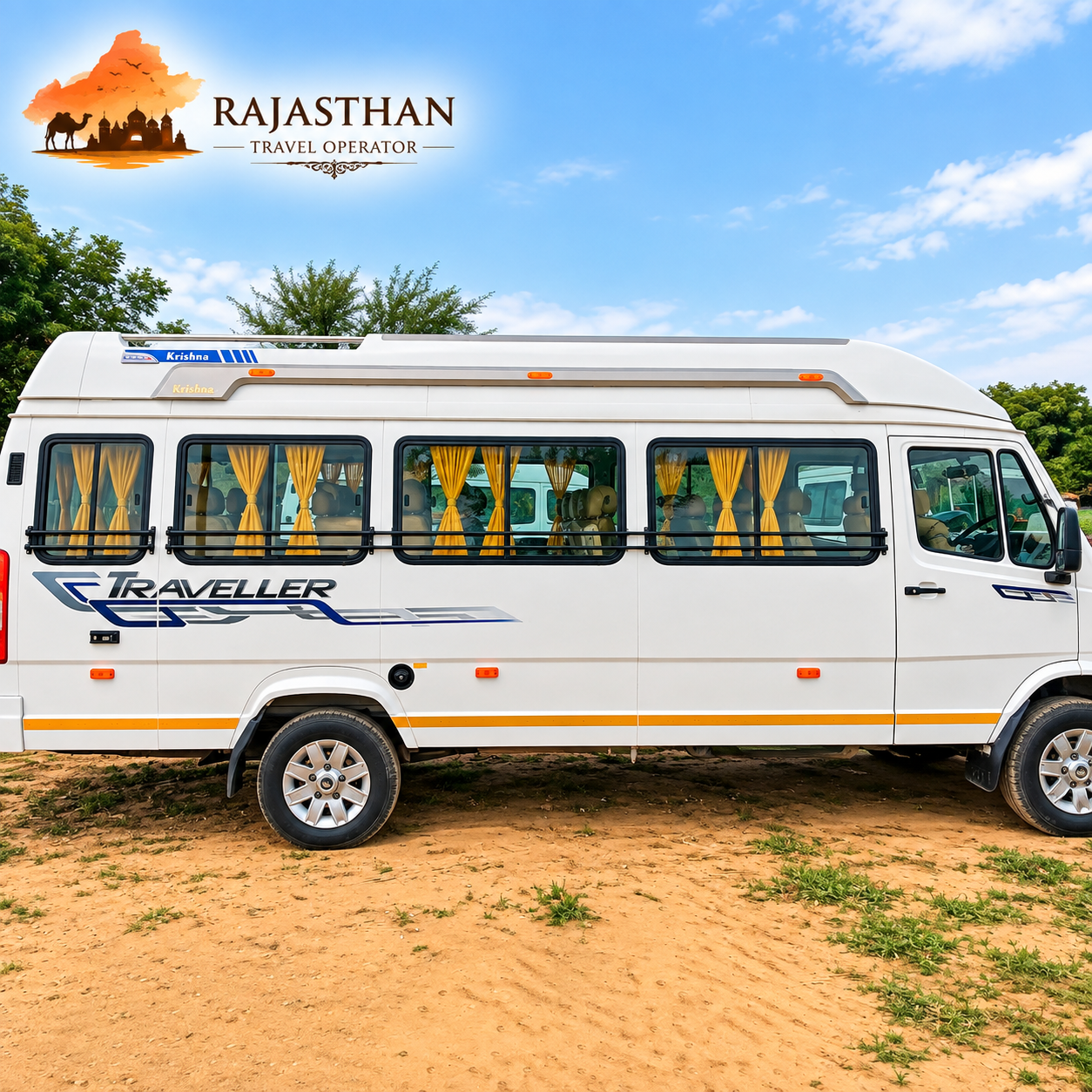
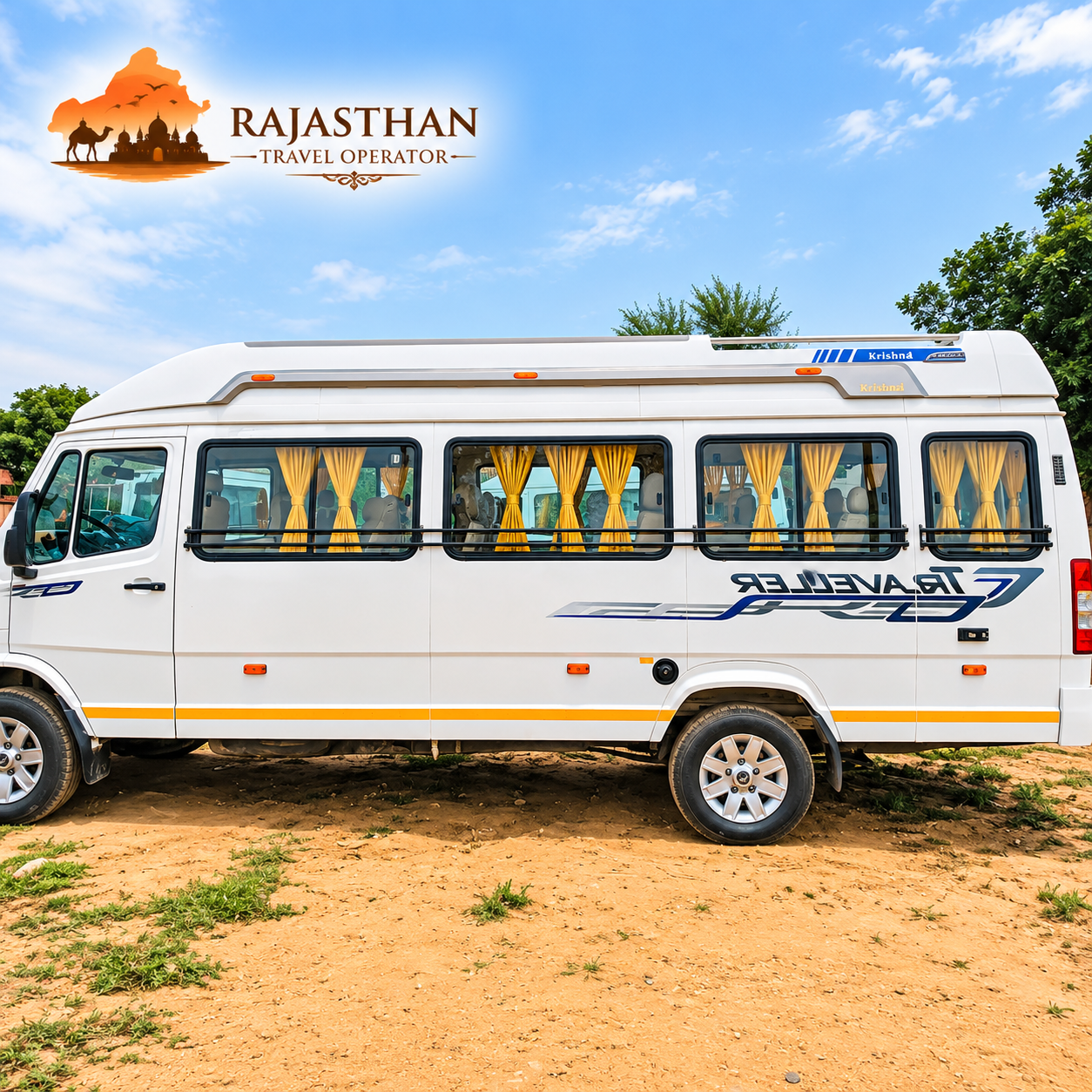
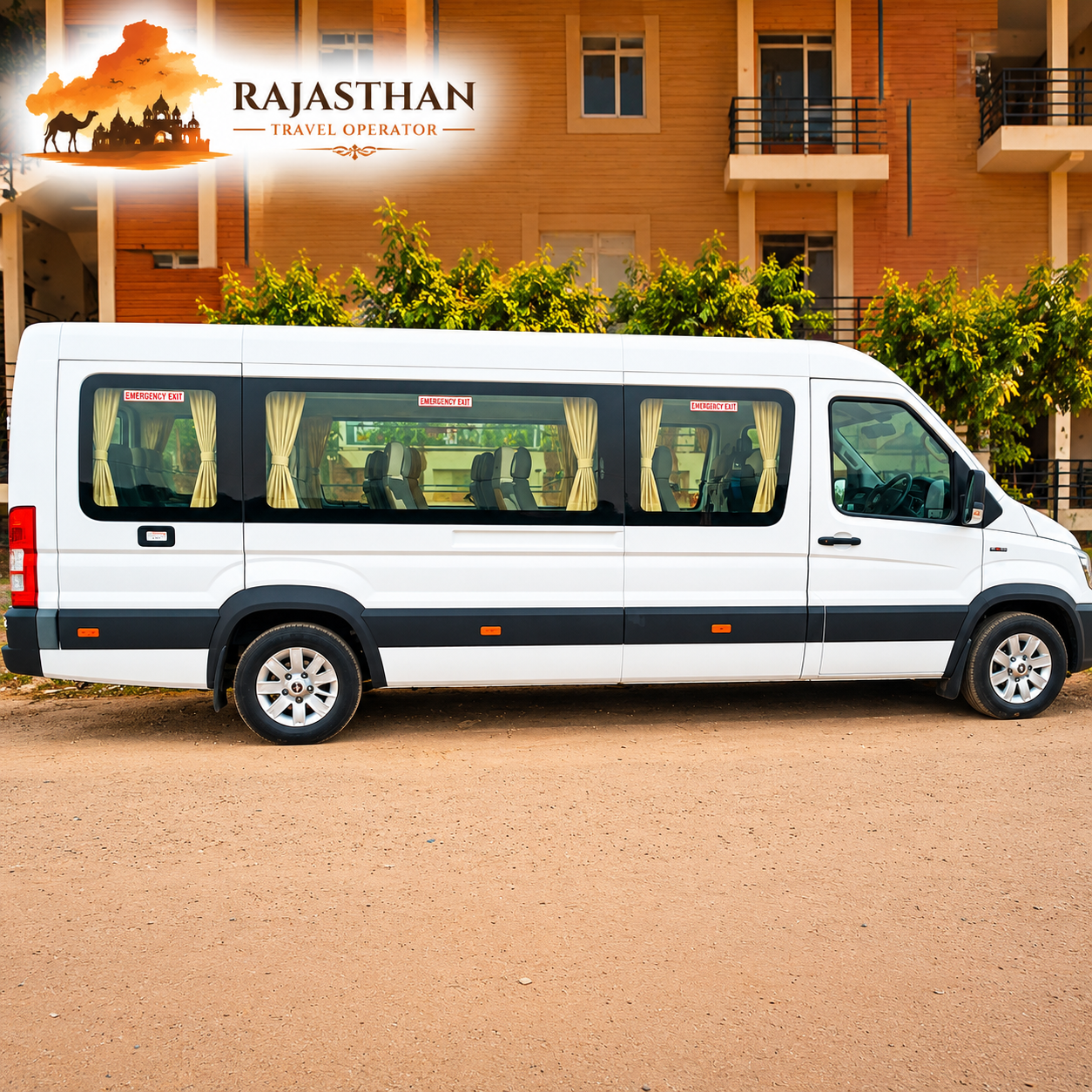
A standard tempo traveller runs on that ladder-frame chassis instead — the same basic design used across the whole range, from the 10 seater tempo traveller through the16 seater tempo traveller. It doesn’t ride quite as smoothly on long highway stretches, but that frame design keeps one major practical advantage: a roof carrier is always available.
That’s the entire trade, stated plainly. Smoother ride and no roof storage, versus a slightly less refined ride with full luggage flexibility. Nothing else about the comparison matters as much as this one structural fact.
The Case For Urbania
The ride difference is real, not marketing language. On a six-to-seven-hour highway leg — Jaipur to Udaipur, Jaipur to Jodhpur, or the long single-day run to Jaisalmer — a monocoque body handles road irregularities with noticeably less side-to-side movement than a ladder-frame vehicle. For elderly passengers, anyone prone to motion sensitivity, or a group that’s simply decided the journey itself should feel premium, this difference compounds hour after hour in a way that’s hard to appreciate until you’ve actually sat through both.
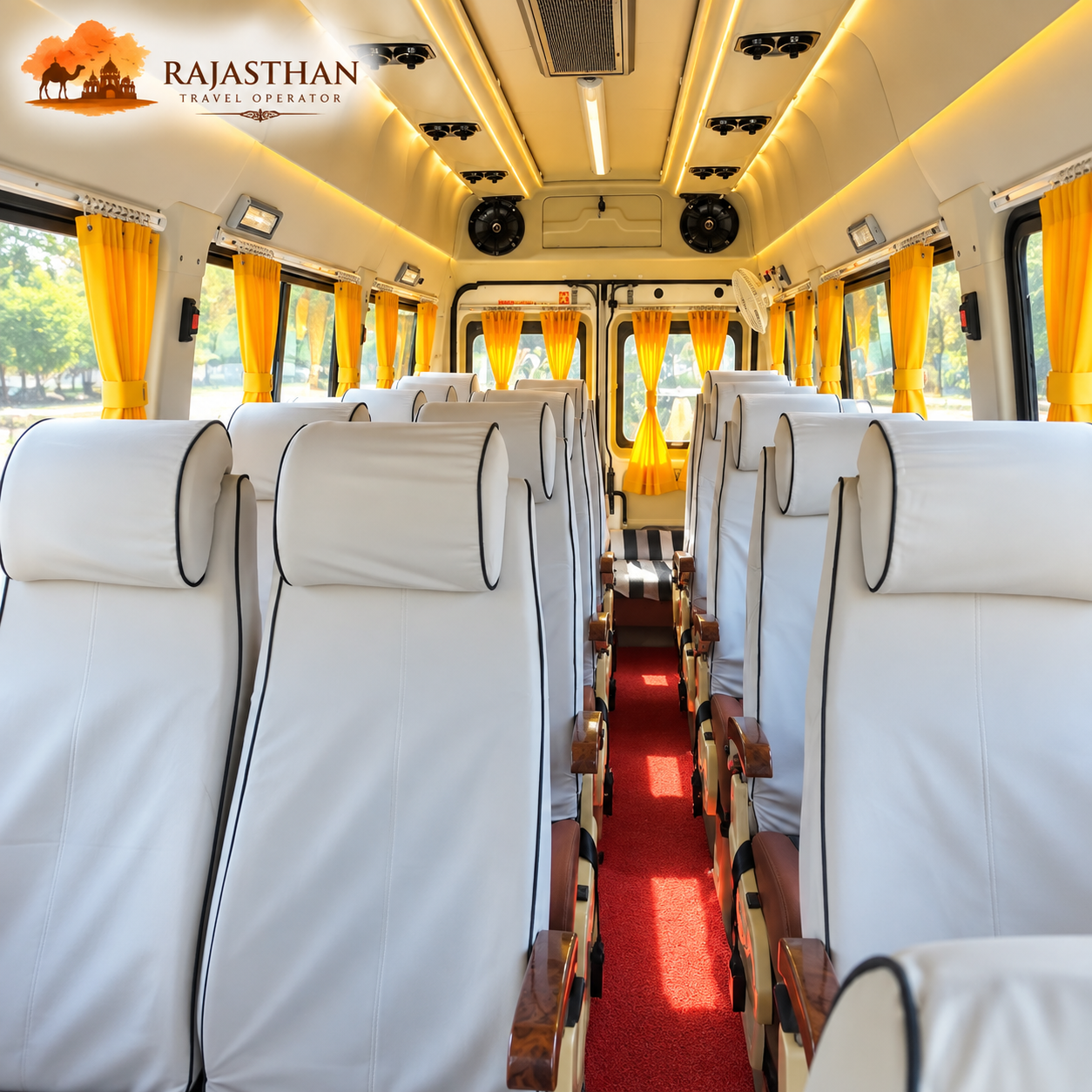
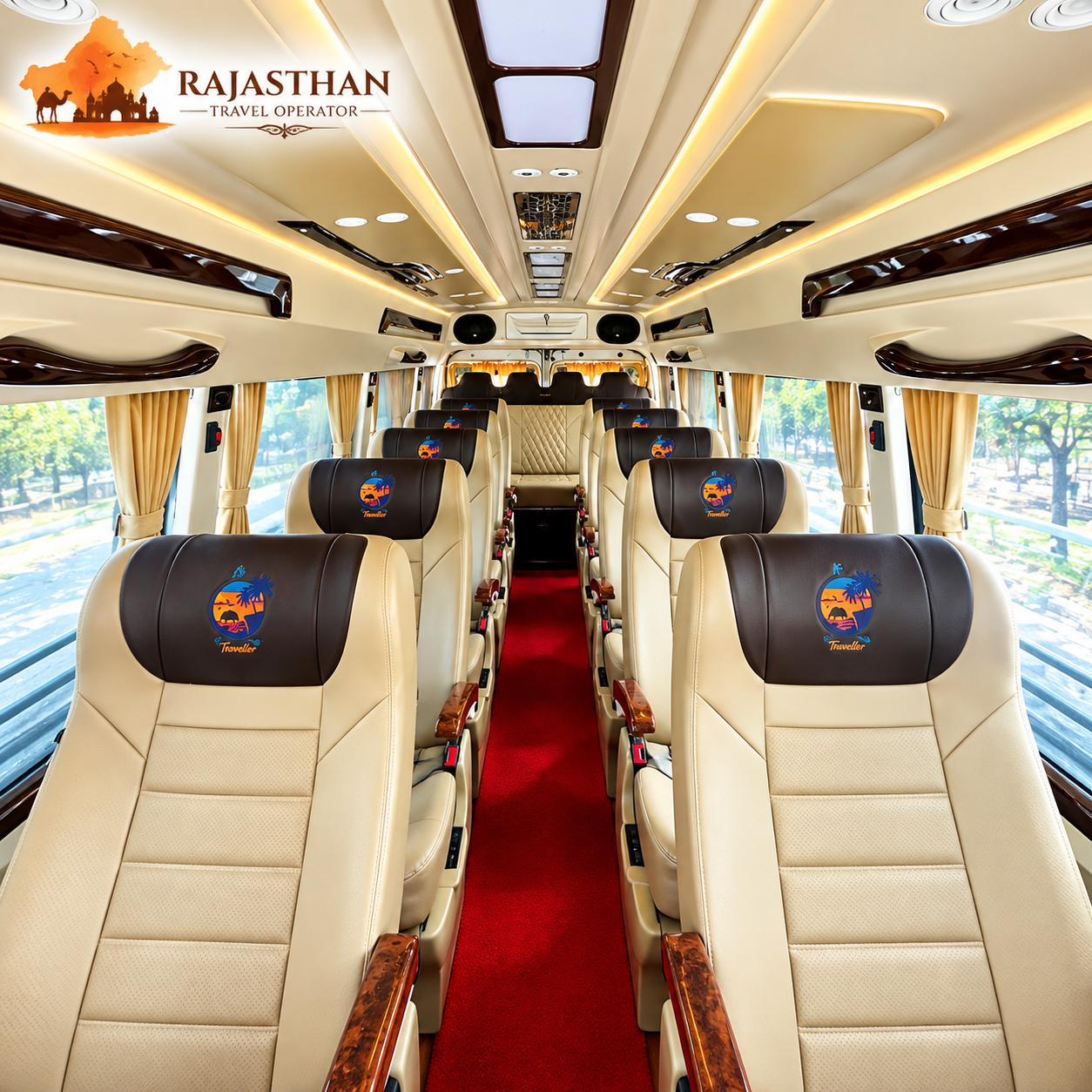
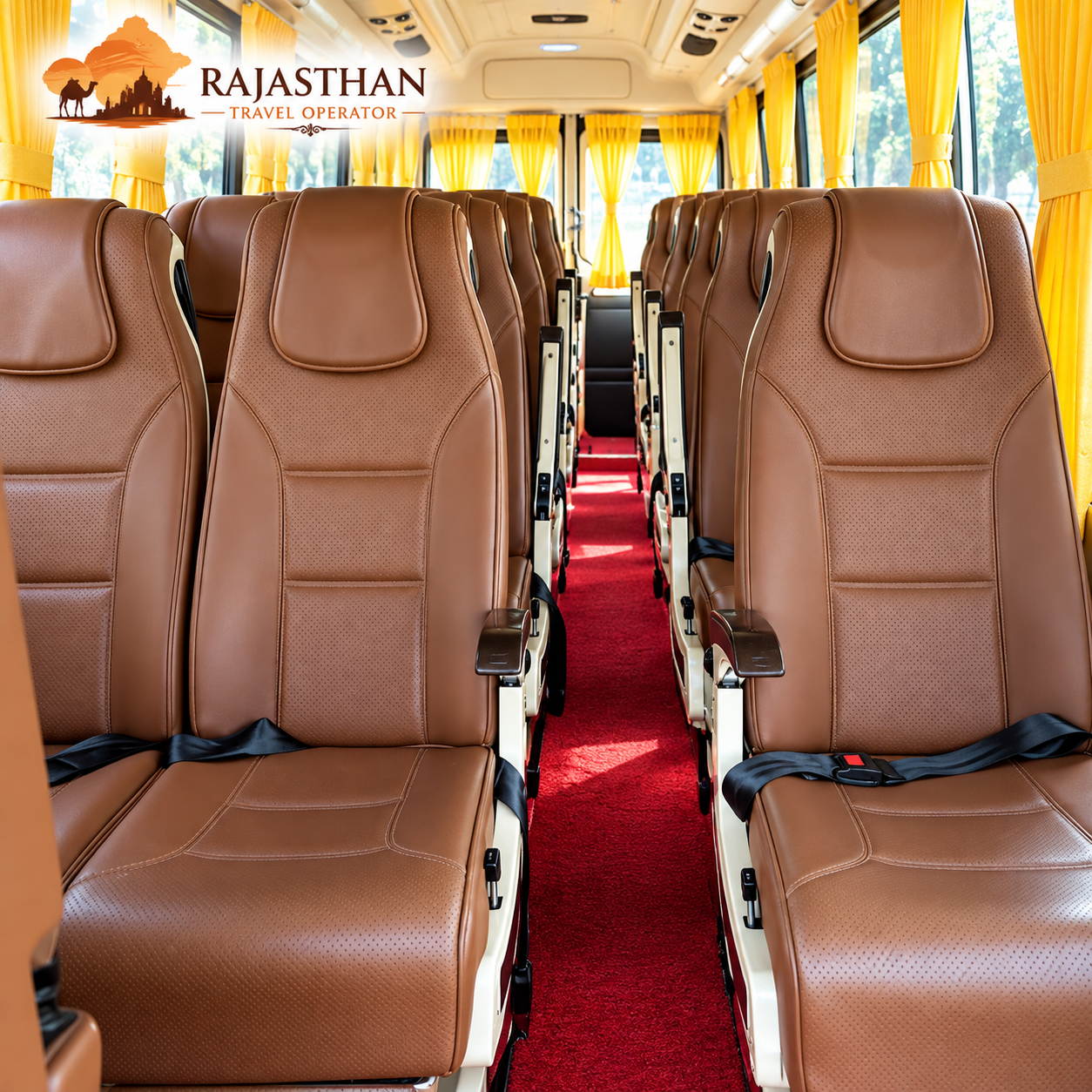
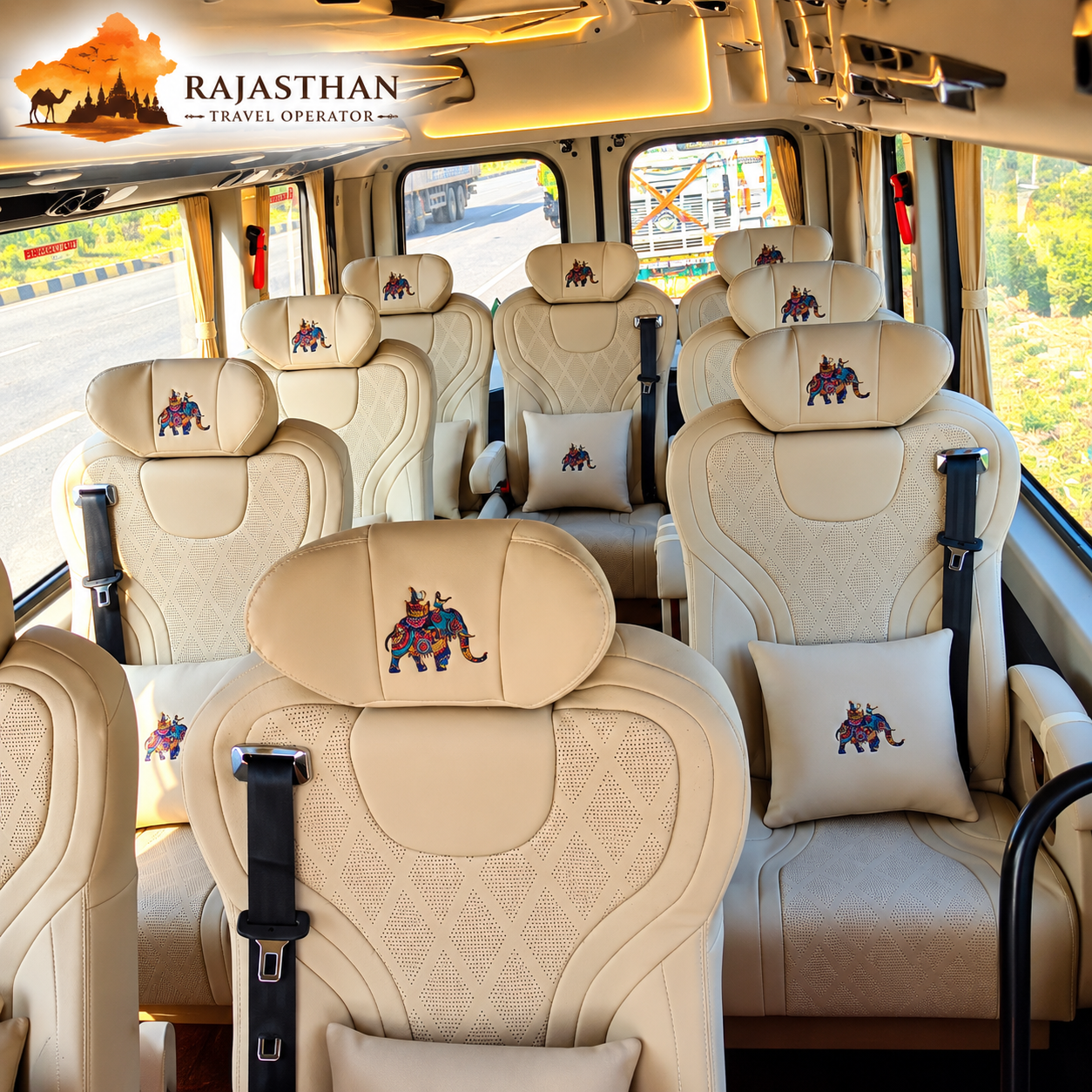
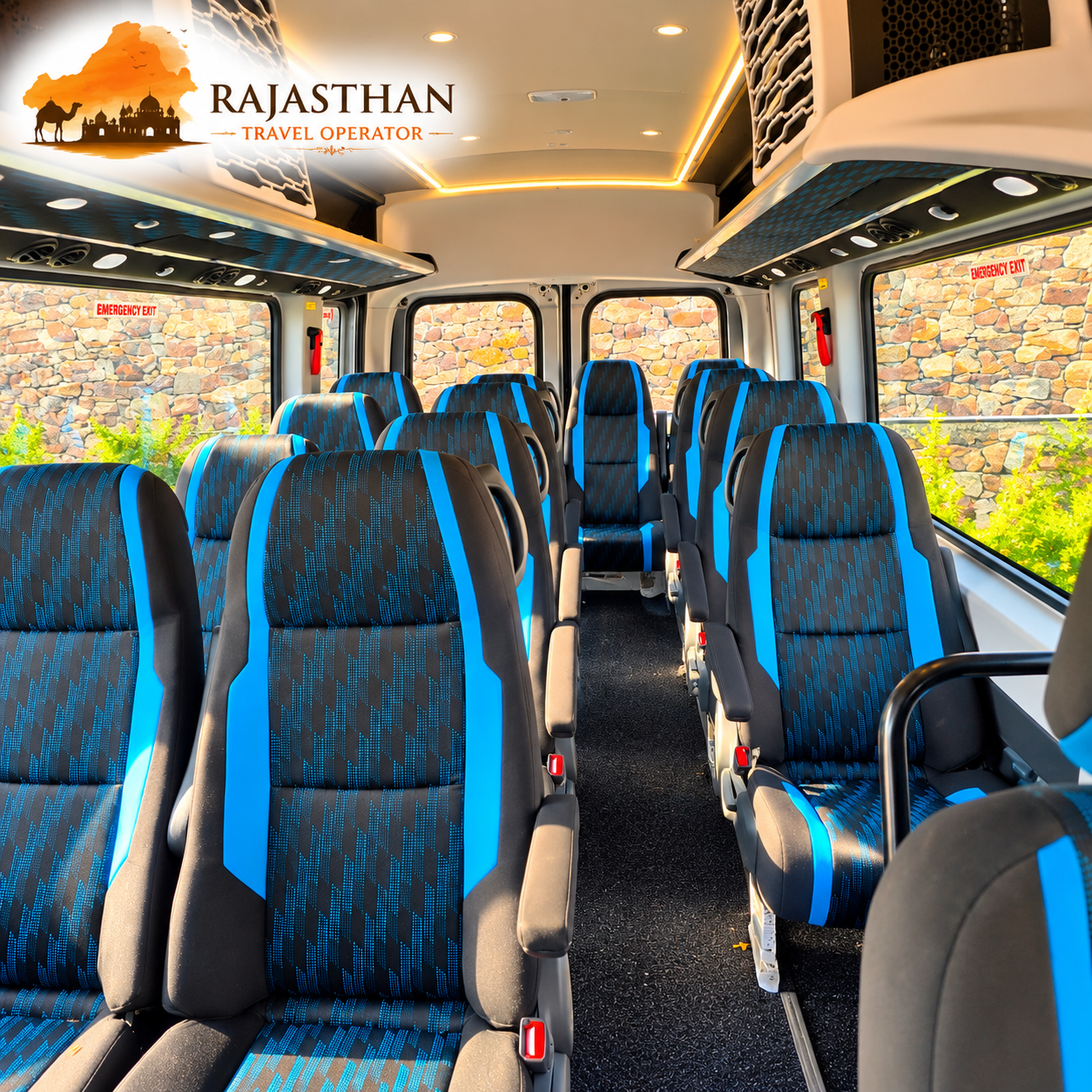
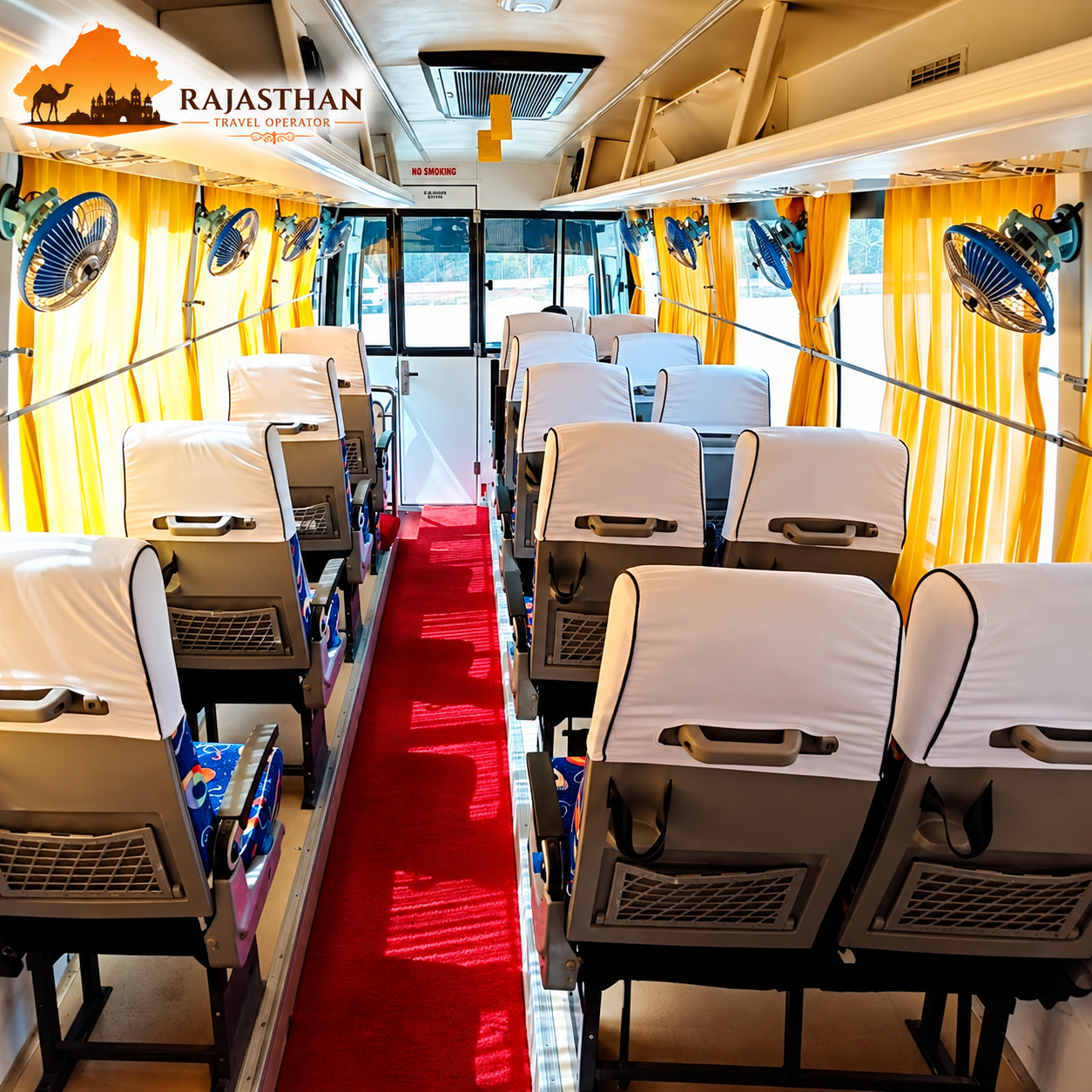
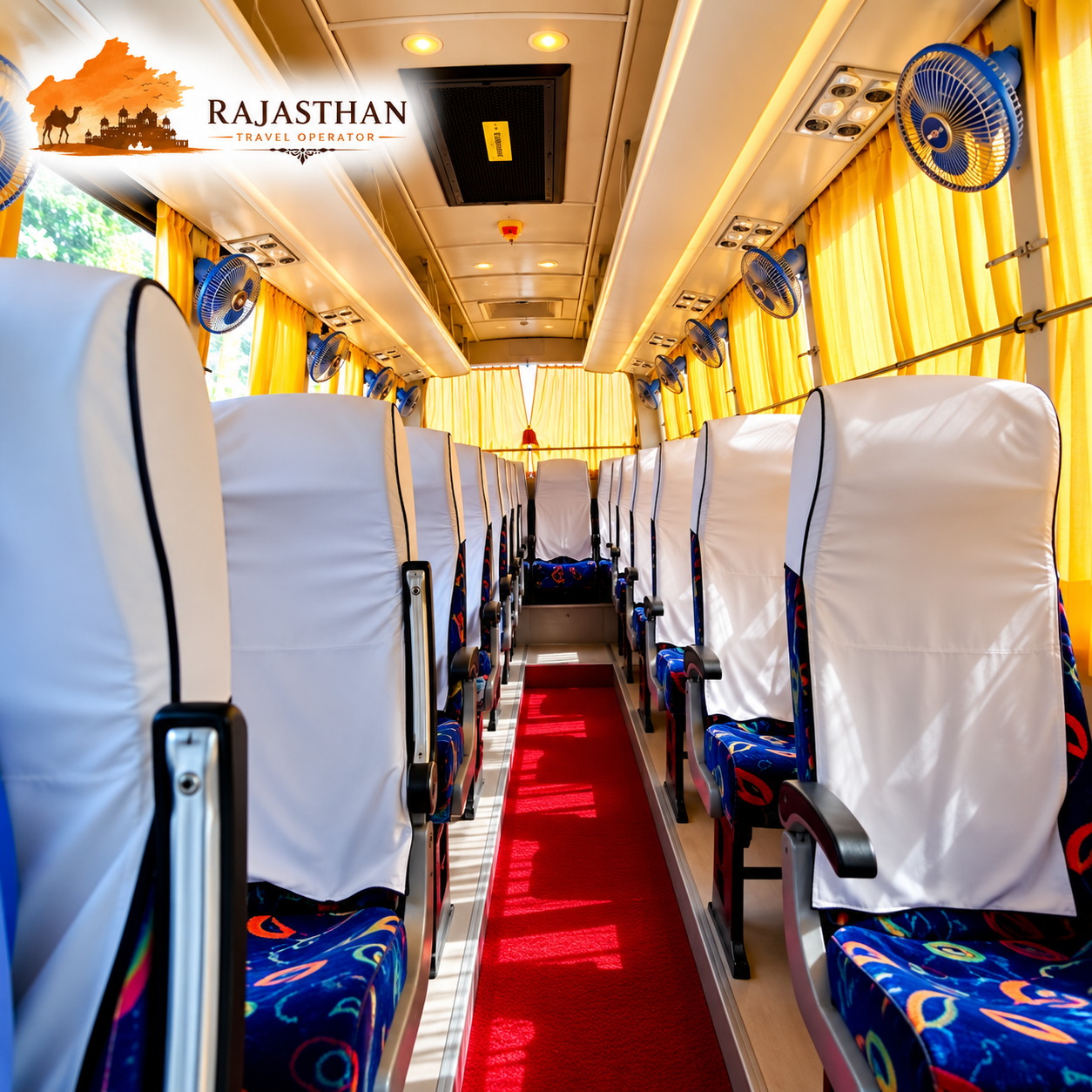
It’s also worth considering for occasion-based travel — a honeymoon circuit, an anniversary trip, a milestone family holiday — where the vehicle is part of the experience, not just transport between destinations. The smaller Urbania sizes pair especially well with wider individual seating, as in the9 seater Urbania with Maharaja seats, widely regarded as one of the most comfortable small-group options in the entire Jaipur fleet.
The Case Against Urbania
The no-roof-carrier limitation isn’t a minor inconvenience — it’s structural, applying to every seat count and every trim level on the platform, from the12 seater Urbania up through the 16 seater Urbania. Every bag your group brings travels inside the cabin. For a multi-day, multi-city Rajasthan circuit where everyone’s carrying a full suitcase, this is a genuinely difficult combination to plan around, especially as group size climbs.
The premium also isn’t small. Urbania rentals cost meaningfully more than a standard tempo traveller of comparable seat count — you’re paying for the chassis and the ride, not extra features, and that cost difference needs to be weighed against what the smoother ride is actually worth to your specific group and route.
Three Trips, Three Different Verdicts
A week-long, multi-city Rajasthan circuit with full luggage for a large family. Standard tempo traveller wins here, clearly. The roof carrier solves a real logistics problem that no amount of ride comfort compensates for, and a bag-heavy trip through Jaipur, Jodhpur, Udaipur, and Jaisalmer needs that flexibility more than it needs a smoother highway feel.
A single long highway day for a small group with manageable luggage. Urbania wins here. Jaipur to Jaisalmer in one day, or a similar long single leg, is exactly where the ride quality difference is most noticeable, and a small group with reasonable bags can genuinely make the cabin-only luggage plan work.
A short local circuit inside Jaipur with any group size. Neither vehicle’s premium features matter much here. The ride difference is barely perceptible over forty-five minutes, and a standard tempo traveller 12 seater at a lower price will do the job just as well.
What Trim Level Changes — and What It Doesn’t
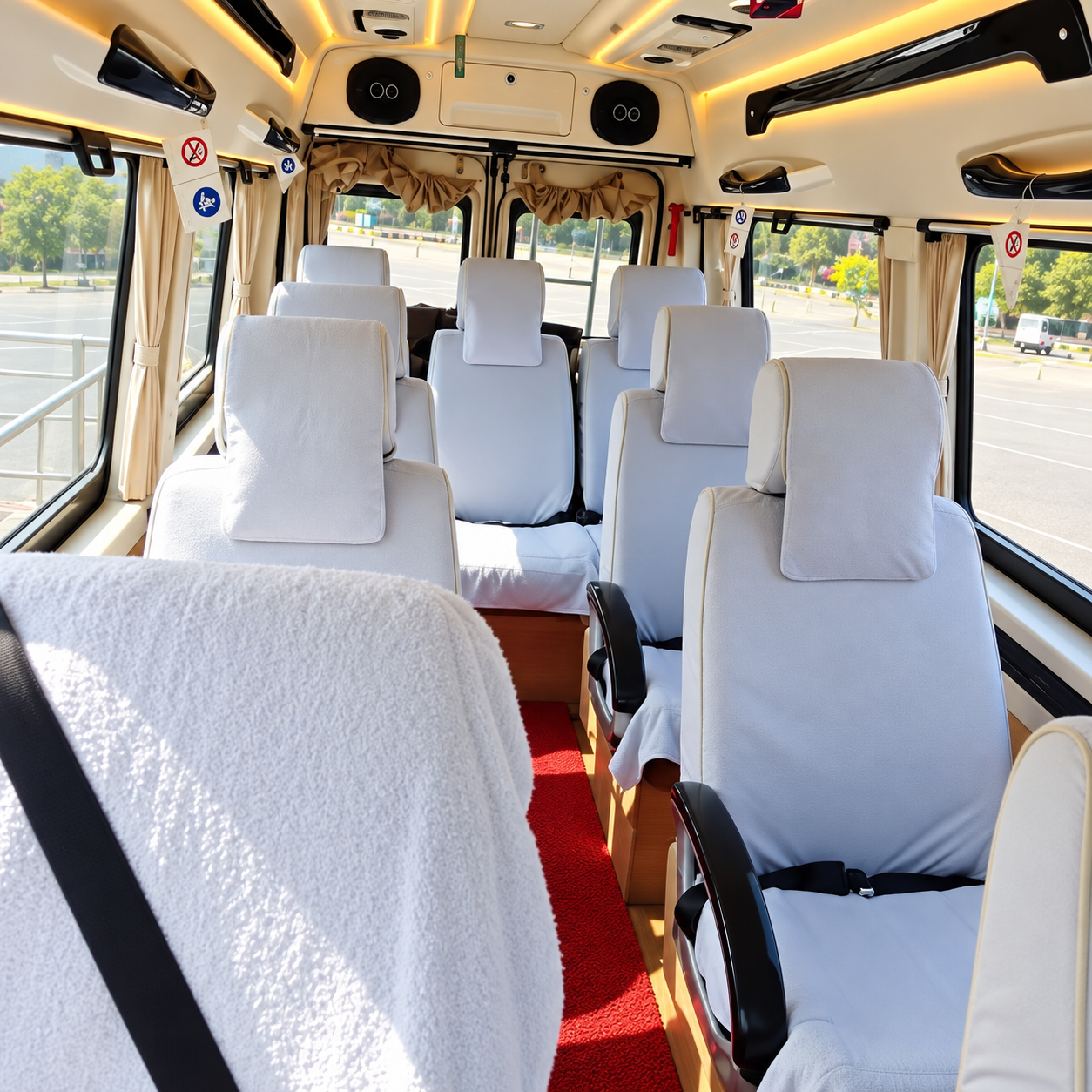
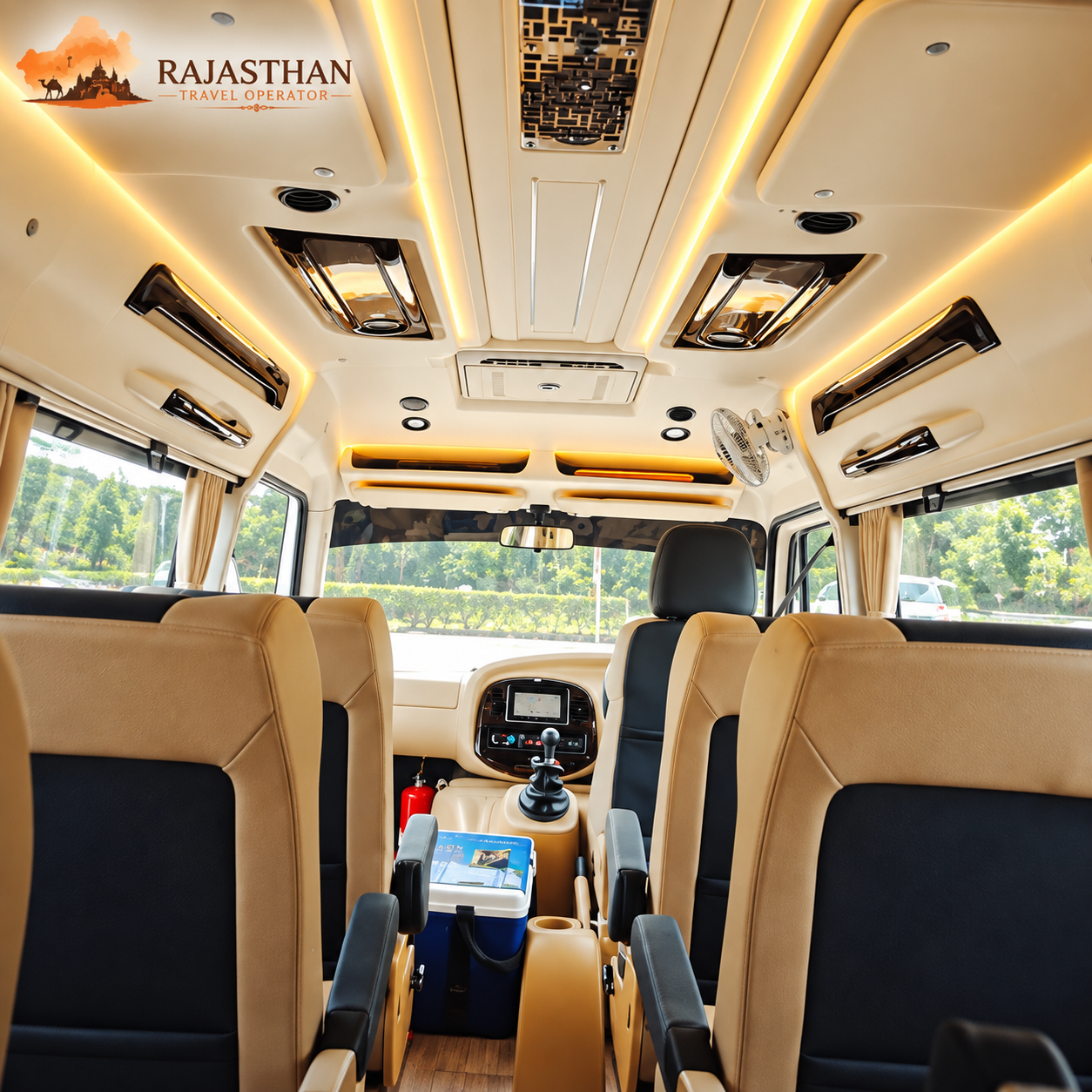
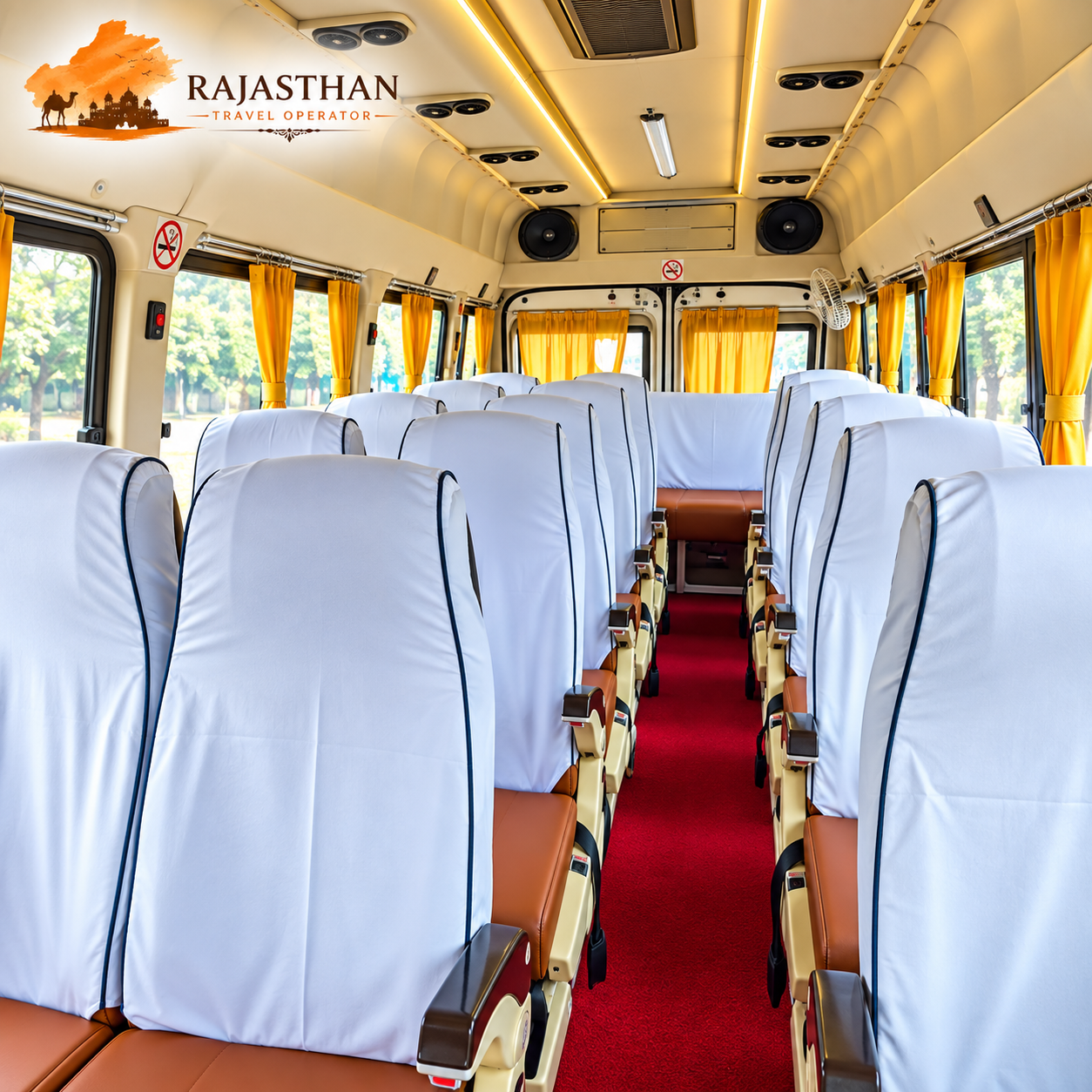
Both platforms come in a basic and a premium trim, and it’s worth being clear that trim upgrades don’t touch the structural trade-off at all. A luxury Urbania tempo traveller, or the broaderluxury Urbaniatier across seat counts, gets you better seat padding and more even AC distribution — genuinely worth it if you’ve already decided on the Urbania platform. It does not add roof storage or change the luggage math in any way. Similarly, a Maharaja seating configuration — available on both platforms, detailed on the Maharaja seat tempo travellerpage — changes seat width and headcount, not the chassis limitation.
Decide the chassis question first, based on luggage and route. Decide trim second, once you know which platform you’re actually booking.
A Simple Test Before You Commit
Ask your group three questions honestly. How much luggage is actually coming — a day bag each, or a full suitcase for a week-long trip? How long is the longest single highway leg on the itinerary — under two hours, or closer to six or seven? And is the extra cost of the Urbania premium something the group has actually budgeted for, or would that money be better spent moving up a seat count on the standard platform instead?
If luggage is light and the longest leg is genuinely long, Urbania is very likely worth it. If luggage is heavy or the trip is mostly short local hops, the standard tempo traveller is almost certainly the more sensible choice — full range comparisons across both platforms are on the tempo traveller on rent page if you want to see exactly where your group and your bags actually land.
Frequently Asked Questions
Is an Urbania always more expensive than a standard tempo traveller? Yes, at every comparable seat count, since you’re paying for the monocoque chassis and its ride quality rather than extra features. The size of that premium varies by operator and trim.
Does any Urbania size come with a roof carrier? No — this limitation applies across the entire platform, from the smallest to the largest seat count currently offered in Jaipur fleets.
Is the ride quality difference actually noticeable, or is it marketing? It’s genuinely noticeable on long highway stretches, less so on short local trips. The difference compounds over hours, which is why route length matters so much in this decision.
Can I combine Urbania with Maharaja seating for the most comfortable option? Yes — this combination exists at smaller seat counts and is considered one of the most comfortable options in the Jaipur fleet, though it comes with both premiums stacked together and the same luggage limitation as any other Urbania booking.
How do I decide between the two platforms quickly? Weigh luggage volume against route length. Heavy bags or a bag-heavy multi-city trip points toward standard. Light luggage and a long single highway leg points toward Urbania.
Final Word
There’s no universally “better” choice between an Urbania and a standard tempo traveller in Jaipur — there’s a better choice for your specific luggage and your specific route. Answer the luggage and distance questions honestly before comparing prices, and the decision that felt complicated at the start of this article becomes a fairly straightforward one by the end of it.